The Enigmatic Tibetan Ypsilandra: A Complete Guide to Cultivation and Care
Plants are an integral part of our ecosystem, providing us with food, oxygen, and aesthetically pleasing landscapes. Among the myriad of plant species, Tibetan ypsilandra (Ypsilandra thibetica) stands out as a fascinating and enigmatic plant that has captivated the attention of plant enthusiasts and horticulturists around the world.
In this comprehensive guide, we will delve into the intricacies of cultivating and caring for Tibetan ypsilandra. We will explore its cultural significance, uses, ideal growing conditions, propagation techniques, pest and disease management, as well as its unique characteristics and fun facts. Whether you are a seasoned plant aficionado or a novice gardener, this guide will equip you with the knowledge and tools to successfully nurture this captivating plant.
What is Tibetan Ypsilandra (Ypsilandra thibetica)?
Tibetan ypsilandra, scientifically known as Ypsilandra thibetica, is a perennial herbaceous plant that belongs to the family Melanthiaceae. This exquisite plant is native to the alpine regions of Asia, particularly Tibet and the Himalayas, where it thrives in cool, moist environments characterized by rich, well-drained soils.
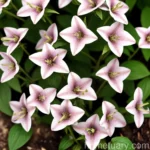
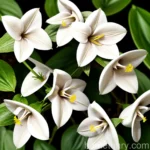
The Tibetan ypsilandra is renowned for its elegant, bell-shaped flowers that adorn its slender stems, creating an enchanting display of blooms. It typically blooms in late spring to early summer, gracing gardens with delicate clusters of white or pale pink flowers that exude a subtle yet alluring fragrance.
The foliage of Ypsilandra thibetica is equally striking, with glossy, lance-shaped leaves that form dense clumps, adding a lush green backdrop to its enchanting flowers. As a shade-loving plant, Tibetan ypsilandra is ideally suited for woodland gardens, shaded borders, and rock gardens, where its understated charm can truly shine.
Key Takeaways – Tibetan Ypsilandra (Ypsilandra thibetica)
Before delving into the specifics of cultivating and caring for Tibetan ypsilandra, let’s outline the key takeaways that will guide our exploration of this captivating plant:
- Plant Name: Tibetan Ypsilandra (Ypsilandra thibetica)
- Scientific Classification:
- Kingdom: Plantae
- Order: Liliales
- Family: Melanthiaceae
- Genus: Ypsilandra
- Species: Ypsilandra thibetica
- Common Names: Tibetan ypsilandra, Tibetan fairy bells
- Height: 6-12 inches (15-30 cm)
- Bloom Time: Late spring to early summer
- Flower Color: White, pale pink
- Preferred Growing Conditions: Shade to partial shade, rich, moist, well-drained soil
- Cultural Significance: Symbolism in Tibetan and Himalayan traditions
Now that we have an overview of the Tibetan ypsilandra, let’s dive into the specifics of cultivating and caring for this exquisite plant.
Culture
Tibetan ypsilandra carries cultural significance in the regions from which it originates, particularly in Tibetan and Himalayan traditions. The plant’s delicate beauty and resilience in harsh alpine environments have contributed to its symbolic value, often representing purity, resilience, and the ephemeral nature of life in these cultural contexts.
Uses
Edible Uses
While Tibetan ypsilandra is primarily cultivated for its ornamental value, certain parts of the plant have been utilized for culinary purposes in traditional practices. The tender young shoots of Tibetan ypsilandra are known to be edible and are occasionally used in local cuisines, adding a touch of freshness and uniqueness to culinary creations.
Medicinal Properties
In traditional herbal medicine, Tibetan ypsilandra has been revered for its purported medicinal properties. The roots of the plant have been utilized in herbal remedies, believed to possess properties that alleviate certain ailments and promote overall well-being. However, it is important to note that the medicinal uses of Tibetan ypsilandra should be approached with caution and only under the guidance of knowledgeable practitioners.
Ideal Growing Conditions
Cultivating Tibetan ypsilandra successfully hinges upon providing the ideal growing conditions that mimic its native habitat. Understanding the plant’s preferences for water, sunlight, soil, and fertilizer is crucial for fostering its growth and ensuring a profusion of elegant blooms.
Water
Tibetan ypsilandra thrives in moist soil and benefits from consistent hydration, particularly during the growing season. While it appreciates adequate moisture, it is important to avoid waterlogged conditions, as excessive water can lead to root rot and other detrimental issues. A balanced approach to watering, ensuring that the soil remains consistently moist but not waterlogged, is key to sustaining the health of Tibetan ypsilandra.
Sunlight
As a shade-loving plant, Tibetan ypsilandra flourishes in dappled shade to partial shade. When selecting an ideal planting site, it is crucial to prioritize locations that receive limited direct sunlight, especially during the intense midday hours. In regions characterized by hot summers, providing protection from the scorching sun is essential for preserving the plant’s vigor and promoting prolific flowering.
Fertilizer
When it comes to fertilization, Tibetan ypsilandra benefits from a balanced, organic fertilizer that provides essential nutrients without overwhelming the plant. A slow-release, granular fertilizer with balanced NPK ratios can be applied in spring as new growth emerges, aiding the plant in establishing robust foliage and preparing for the upcoming blooming season. Avoid excessive fertilization, as it can lead to excessive vegetative growth at the expense of flowering.
Soil
Rich, well-drained soil forms the cornerstone of successful Tibetan ypsilandra cultivation. The plant thrives in humus-rich, loamy soil with excellent drainage, enabling its roots to access moisture without being subjected to waterlogged conditions. Incorporating organic matter such as compost and leaf mulch into the soil is beneficial, fostering a conducive growing environment for Tibetan ypsilandra and promoting its overall vigor.
Pruning
Pruning is an essential aspect of caring for Tibetan ypsilandra, contributing to the plant’s health, aesthetics, and longevity. By implementing strategic pruning techniques, we can enhance flowering, maintain compact growth, and remove any damaged or unsightly foliage that may hinder the plant’s overall appearance.
Key Pruning Guidelines for Tibetan Ypsilandra:
- Deadheading: After the flowering period, promptly remove spent blooms to encourage continuous flowering and prevent the plant from expending energy on seed production. This practice promotes prolonged flowering and supports the plant’s overall vigor.
- Thinning: Periodic thinning of crowded or excessively dense growth can improve air circulation, reduce the risk of disease, and enhance the overall aesthetic appeal of the plant. Carefully remove excessive foliage and stems to maintain an open, well-ventilated growth habit.
- Trimming: In late winter or early spring, consider light trimming to remove any winter-damaged or disheveled growth. This rejuvenating trim sets the stage for the upcoming growing season, allowing the plant to produce fresh, healthy foliage and blossoms.
Propagation
Engaging in propagation expands the presence of Tibetan ypsilandra in our gardens and allows us to share its captivating beauty with fellow plant enthusiasts. Understanding the various methods of propagation empowers us to propagate the plant effectively, whether for personal enjoyment or to contribute to conservation efforts dedicated to preserving this enchanting species.
Propagation Techniques for Tibetan Ypsilandra:
- Division: Dividing established clumps of Tibetan ypsilandra is a reliable method of propagation that facilitates the rapid expansion of the plant. In early spring, carefully lift the clump and divide it into smaller sections, each containing healthy roots and shoots. Replant the divisions in prepared soil, ensuring consistent moisture to promote establishment.
- Seeds: Propagating Tibetan ypsilandra from seeds offers an opportunity to observe the plant’s complete life cycle and introduces diversity into our collections. Sow fresh seeds in a well-draining seed-starting mix, maintaining consistent moisture and providing warmth to facilitate germination. As the seedlings mature, transplant them into individual containers before acclimating them to outdoor conditions.
Container Popularity
While Tibetan ypsilandra thrives in garden beds and naturalistic settings, it also excels as a container plant, enriching patio spaces, balconies, and indoor environments with its graceful presence. Embracing container cultivation empowers us to embrace the allure of Tibetan ypsilandra in diverse settings, transforming compact spaces into enchanting displays of natural beauty.
Cultivating Tibetan Ypsilandra in Containers:
- Container Selection: Choose deep, well-draining containers that provide ample space for the plant’s roots to establish and thrive. Opt for containers with drainage holes to prevent waterlogging and promote healthy root development. The material of the container, such as terracotta, plastic, or ceramic, should align with the aesthetic preferences and environmental conditions of the designated space.
- Growing Medium: Select a high-quality, well-draining potting mix tailored for perennial plants, providing the essential nutrients and structure needed for robust growth. The growing medium should retain moisture while facilitating adequate aeration, promoting healthy root development and overall vigor.
- Placement: Position the containers in shaded to partially shaded areas, shielded from intense sunlight and excessive heat. Balconies, patios, and sheltered outdoor spaces that receive gentle, filtered light are ideal locations for cultivating Tibetan ypsilandra in containers. Indoors, place the containers near bright, indirect light sources to provide sufficient illumination without subjecting the plant to direct sun exposure.
Common Diseases
While Tibetan ypsilandra is known for its resilience and vigor, it is susceptible to certain diseases and issues that can hinder its growth and blooming potential. Recognizing common diseases and implementing proactive measures is essential for maintaining the plant’s health and vitality, safeguarding it against detrimental pathogens and stressors.
Disease Diagnosis and Management:
- Fungal Diseases: Tibetan ypsilandra may encounter fungal diseases such as powdery mildew and leaf spot, particularly in humid environments or during periods of excessive moisture. To mitigate fungal issues, practice proper spacing to promote air circulation, avoid overhead watering, and promptly remove any infected foliage to prevent the spread of pathogens.
- Root Rot: Prolonged waterlogged conditions can lead to root rot, compromising the plant’s root system and overall health. Preventing waterlogging through well-drained soil and balanced watering practices is crucial in safeguarding Tibetan ypsilandra against this detrimental condition.
Common Pests
Recognizing and Managing Pest Infestations:
- Slugs and Snails: These voracious pests can inflict substantial damage to the foliage of Tibetan ypsilandra, particularly in moist, shaded environments. Employing physical barriers, such as copper tape, to deter slugs and snails, and implementing organic pest control methods can effectively manage their presence and protect the plant from their voracious appetites.
- Aphids: These tiny, sap-sucking pests can cluster on the tender shoots and foliage of Tibetan ypsilandra, compromising its overall vitality. Utilizing insecticidal soaps or horticultural oils to target aphids and promptly addressing their presence through vigilant monitoring can prevent infestations from escalating and mitigate their impact on the plant.
Botanist’s Tips
Cultivating and caring for Tibetan ypsilandra is a rewarding endeavor that can be enhanced through the application of expert tips and insights. The following recommendations provide valuable guidance for optimizing the growth, blooming, and overall well-being of this captivating plant.
Expert Recommendations for Cultivating Tibetan Ypsilandra:
- Mulching: Applying a layer of organic mulch, such as shredded bark or compost, around the base of Tibetan ypsilandra helps conserve moisture, regulate soil temperature, and suppress weed growth. Additionally, mulching contributes valuable organic matter to the soil as it decomposes, enriching the growing environment and sustaining the plant’s vigor.
- Companion Planting: Pairing Tibetan ypsilandra with compatible companion plants, such as hostas, ferns, and delicate woodland species, creates visually captivating and ecologically beneficial plant combinations. Selecting plants that share similar cultural preferences and complement the aesthetic attributes of Tibetan ypsilandra fosters harmonious plantings and elevates the overall appeal of the garden or landscape.
Fun Facts
Unveiling the intriguing facets of Tibetan ypsilandra sheds light on its captivating nature and unravels its enigmatic allure. These fun facts offer a glimpse into the captivating attributes and cultural significance of this remarkable plant species.
Fascinating Tidbits About Tibetan Ypsilandra:
- Cultural Significance: In Tibetan and Himalayan traditions, Tibetan ypsilandra holds symbolic significance, conveying messages of purity, resilience, and the transience of life through its graceful presence and delicate blooms.
- Alpine Adaptation: Tibetan ypsilandra has evolved to thrive in the challenging conditions of alpine environments, exhibiting resilience and adaptability in regions characterized by harsh climates and rugged terrains.
- Mycorrhizal Associations: The roots of Tibetan ypsilandra form beneficial mycorrhizal associations with soil fungi, enhancing nutrient uptake and promoting the plant’s overall health and vitality.
Now that we have explored the cultivation and care of Tibetan ypsilandra, let’s further enrich our understanding by delving into resources that offer additional insights, guidance, and inspiration for embracing this captivating plant.
Links to External Resources
To broaden our knowledge and deepen our appreciation for Tibetan ypsilandra, it is valuable to explore external resources that provide valuable information, captivating imagery, and community engagement related to this enchanting plant. The following resources offer rich perspectives, detailed guidance, and immersive experiences centering on the cultivation, care, and cultural significance of Tibetan ypsilandra:
- Royal Horticultural Society (RHS): RHS – Ypsilandra thibetica
- Gardening Know How: Gardening Know How – Growing Ypsilandra thibetica
- Missouri Botanical Garden: Missouri Botanical Garden – Ypsilandra thibetica
These resources serve as valuable conduits for delving deeper into the enchanting realm of Tibetan ypsilandra, offering expert guidance, captivating imagery, and opportunities for community interaction and knowledge sharing.
In conclusion, Tibetan ypsilandra stands as a captivating and enigmatic plant species that enriches our lives with its elegant presence, cultural significance, and striking beauty. By embracing the knowledge and insights garnered from this comprehensive guide, we are equipped to embark on a journey of successful cultivation and care, fostering the health, vitality, and enchanting blooms of Tibetan ypsilandra in our gardens and naturalistic settings. Whether adorning shaded woodlands, gracing containers with its charm, or sharing its symbolic resonance in traditional contexts, Tibetan ypsilandra invites us to appreciate its grace and cherish its captivating allure.
As we nurture and celebrate the nuanced beauty of Tibetan ypsilandra, we are not only cultivating a remarkable plant but also fostering a deeper connection with the natural world and the wellspring of life that surrounds us.