The Magnificent Vaccinium ‘Rubel’ (Highbush Blueberry)
Vaccinium ‘Rubel’ is a remarkable addition to any garden or landscape. If you are looking to venture into gardening, or if you are an experienced gardener seeking to diversify your plant collection, the Highbush Blueberry should definitely be on your radar. This article will guide you through everything you need to know about Vaccinium ‘Rubel’, including its description, cultivation, care, uses, characteristics, and much more.
What is Vaccinium ‘Rubel’?
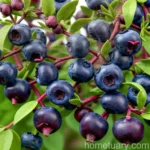
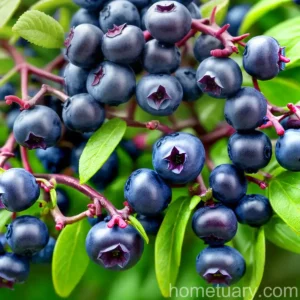
Vaccinium ‘Rubel’ is a highbush blueberry variety, known for its exceptional fruit production and ornamental value. The plant belongs to the Ericaceae family and is native to North America. It is renowned for its delicious, antioxidant-rich berries that are not only a delight for humans but also attract various wildlife, such as birds and small mammals.
This cultivar is especially cherished for its high yields, vigorous growth, and stunning autumn foliage, which makes it a valuable addition to both commercial blueberry farms and home gardens.
Key Takeaways – Vaccinium ‘Rubel’ (Highbush Blueberry)
Here are some key points to keep in mind when considering the cultivation and care of Vaccinium ‘Rubel’:
- Description: Vaccinium ‘Rubel’ is a highbush blueberry variety known for its abundant, flavorful berries and beautiful autumn foliage.
- Cultivation: It thrives in well-drained, acidic soil and requires full sun for optimal fruit production.
- Care Guide: Regular watering, pruning, and appropriate fertilization are essential for the healthy growth of this plant.
- Size and Shape: It typically grows to a height of 4-6 feet and has a rounded, bushy habit.
- Uses: Apart from its culinary uses, Vaccinium ‘Rubel’ is a great choice for ornamental landscaping and wildlife attraction.
- Soil Preferences: It prefers acidic, well-drained soil with a pH level between 4.5 and 5.5.
Now, let’s delve deeper into the various aspects of cultivating and caring for Vaccinium ‘Rubel’.
Culture
Cultivating Vaccinium ‘Rubel’ involves creating and maintaining an environment that is conducive to its growth and fruit production. This encompasses several factors such as soil quality, water management, sunlight exposure, fertilization, and pruning.
Water
Proper watering is crucial for the health and productivity of Vaccinium ‘Rubel’ plants. They require consistently moist soil, especially during the growing season and fruit development. Maintaining a regular watering schedule is essential, and it is important to ensure that the soil does not become waterlogged, as excessive moisture can lead to root rot and other issues.
To monitor the moisture levels in the soil, particularly during the hot summer months, consider using a simple moisture meter or probe. This can help you determine when it’s time to water and when the soil has sufficient moisture for the plants.
Sunlight
Vaccinium ‘Rubel’ thrives in full sun, which is typically defined as at least six hours of direct sunlight per day. Adequate sunlight is necessary for the plants to photosynthesize efficiently, promoting robust growth and ensuring the development of high-quality berries. When selecting a location for planting Vaccinium ‘Rubel’ in your garden, prioritize spots that receive ample sunlight throughout the day.
Fertilizer
Appropriate fertilization is essential for the healthy growth and fruit production of Vaccinium ‘Rubel’. Prior to planting, it is advisable to conduct a soil test to assess the existing nutrient levels and pH of the soil. Based on the results, you can then tailor your fertilization approach to meet the specific needs of the plants.
Generally, a balanced, acidic fertilizer formulated for acid-loving plants, such as azaleas and camellias, is suitable for Highbush Blueberries. You can apply the fertilizer in the early spring, just as new growth begins. Furthermore, it is important to avoid excessive use of fertilizers high in nitrogen, as this can lead to excessive vegetative growth at the expense of fruit production.
Soil
The soil preferences of Vaccinium ‘Rubel’ are a significant consideration when establishing this plant in your garden. It thrives in acidic, well-drained soil with a pH range of 4.5 to 5.5. The acidity of the soil is crucial for enabling the Highbush Blueberry to absorb essential nutrients such as iron and magnesium, which are vital for healthy growth and fruit development.
If your existing soil does not meet these requirements, you have the option to amend the soil by incorporating organic matter, such as peat moss or pine bark, to increase its acidity. Alternatively, you can create raised beds or containers filled with an appropriate acidic mix to provide a suitable environment for Vaccinium ‘Rubel’ to flourish.
Pruning
Pruning is an essential aspect of caring for Vaccinium ‘Rubel’ and is instrumental in promoting plant health, regulating growth, and enhancing fruit yield. Proper pruning also contributes to the overall aesthetics of the plant and helps prevent the development of disease and pest issues.
Pruning Techniques
When it comes to pruning Vaccinium ‘Rubel’, it is advisable to start by removing any dead, damaged, or diseased wood. This will help improve air circulation within the plant and reduce the risk of fungal infections. Additionally, it is beneficial to eliminate weak, spindly growth and any branches that are crossing or rubbing against each other.
Furthermore, the process of selective thinning can help open up the canopy, allowing sunlight to penetrate the interior of the plant, which promotes even fruit ripening and enhances the quality of the berries. Pruning should ideally be carried out during the late winter or early spring while the plants are still dormant.
Propagation
The propagation of Vaccinium ‘Rubel’ enables the expansion of its presence in gardens and landscapes. It allows for the cultivation of new plants from existing ones, either for personal enjoyment or commercial purposes.
Propagation Methods
There are several methods of propagating Vaccinium ‘Rubel’, and these include:
- Softwood Cuttings: This method involves taking cuttings from the current season’s new growth, typically in late spring or early summer. The cuttings are then treated with a rooting hormone and placed in a suitable growing medium to encourage the development of roots.
- Hardwood Cuttings: Hardwood cuttings, harvested in the late fall or winter when the plants are dormant, can also be utilized for propagation. Similar to softwood cuttings, they are treated with rooting hormone and then established in a suitable growing medium.
- Layering: Another propagation method involves encouraging the lower branches of the plant to root while still attached to the parent plant. Once the new roots have developed, the rooted section can be separated from the parent plant and established as a new individual.
Propagation of Vaccinium ‘Rubel’ can be a rewarding endeavor, allowing for the generation of new plants that carry the desirable traits and characteristics of the parent plant. It also provides an opportunity to share the beauty and benefits of this highbush blueberry with others.
Container Popularity
The versatility of Vaccinium ‘Rubel’ makes it a popular choice for container gardening. When opting to cultivate this plant in containers, proper care and attention are essential to ensure optimal growth and fruit production.
Container Size
Selecting the appropriate container size is crucial when growing Vaccinium ‘Rubel’ in pots. The container should be large enough to accommodate the plant’s root system while providing ample space for growth. Additionally, the container should have adequate drainage holes to prevent waterlogging, as excess moisture can be detrimental to the plant’s health.
Container Soil
Choosing the right soil for the containers is imperative for the successful cultivation of Vaccinium ‘Rubel’. A well-draining, acidic potting mix designed for acid-loving plants is ideal for creating a suitable environment for the highbush blueberry to thrive. It is important to ensure that the pH of the soil in the container remains within the preferred range for Vaccinium ‘Rubel’, typically between 4.5 and 5.5.
Container Sunlight
Proper sunlight exposure is crucial for highbush blueberries, even when they are grown in containers. When situating the containers, aim to place them in a location that receives sufficient sunlight, ideally at least six hours of direct sunlight per day. In some cases, you may need to rotate the containers regularly to ensure that all parts of the plant receive adequate sunlight.
Common Diseases
Like any other plant, Vaccinium ‘Rubel’ is susceptible to various diseases that can impact its health and productivity. Being aware of these diseases and adopting preventive measures is essential for maintaining the well-being of the plants.
Disease Diagnosis
Common diseases that can affect Vaccinium ‘Rubel’ include:
- Mummy Berry: This fungal disease can cause significant damage to blueberry plants. It is characterized by the development of tan, fungal structures that replace the fruit. The affected berries shrivel and become mummified, hence the name of the disease.
- Powdery Mildew: Powdery mildew is a common fungal disease that can affect the foliage of Vaccinium ‘Rubel’, leading to the formation of a powdery, white coating on the leaves.
- Botrytis Blight: Also known as gray mold, this fungal disease can lead to the development of grayish fungal growth on the flowers and berries, causing them to rot.
It is important to monitor the plants regularly for any signs of disease and take appropriate measures to mitigate the spread of infections. Providing adequate air circulation, maintaining proper sanitation, and applying fungicides when necessary can help manage and prevent the occurrence of these diseases.
Common Pests
In addition to diseases, Vaccinium ‘Rubel’ can also be vulnerable to attacks from various pests, which can compromise the health and productivity of the plants.
Pest Control Methods
Common pests that may target Vaccinium ‘Rubel’ include:
- Blueberry Maggots: The larvae of the blueberry maggot fly can infest the fruits of highbush blueberries, causing damage and reducing the quality of the harvest.
- Japanese Beetles: These voracious beetles can defoliate blueberry plants if left unchecked, leading to diminished growth and fruit production.
- Spotted Wing Drosophila: This invasive fruit fly species can lay eggs in blueberry fruits, resulting in the formation of maggots and rendering the fruits inedible.
Implementing pest control measures such as insect netting, applying horticultural oils or soaps, and utilizing beneficial insects can help manage and minimize pest infestations in the garden.
Botanist’s Tips
As a plant scientist, I have some invaluable tips for the successful cultivation of Vaccinium ‘Rubel’:
- Soil pH: Regularly monitor and adjust the pH of the soil to maintain the acidity levels required for optimal growth and fruit production.
- Mulching: Apply a layer of organic mulch around the base of the plants to conserve moisture, regulate soil temperature, and suppress weeds.
- Bird Protection: Implement measures such as netting or scare tactics to deter birds from consuming the ripe berries before they can be harvested.
By incorporating these tips into your cultivation practices, you can enhance the health and vitality of your Vaccinium ‘Rubel’ plants, resulting in bountiful harvests and beautiful foliage.
Fun Facts
Before we conclude, here are some fascinating and lesser-known facts about Vaccinium ‘Rubel’:
- The vibrant foliage of Vaccinium ‘Rubel’ transitions through stunning shades of red, orange, and yellow during the autumn months, enhancing the visual appeal of the plant in the landscape.
- The berries of highbush blueberries are not only delicious but also packed with antioxidants, making them a nutritious and healthful addition to your diet.
- Vaccinium ‘Rubel’ can serve as an attractive ornamental plant in addition to its functional use as a fruit-bearing species, adding aesthetic value to gardens and landscapes.
Links to External Resources
If you’re eager to delve deeper into the world of Vaccinium ‘Rubel’ and its cultivation, care, and uses, I highly recommend exploring the following reputable external resources for valuable information and guidance:
- University of Maine Cooperative Extension: Growing Highbush Blueberries in the Home Garden
- North Carolina State University Extension: Blueberry Pruning
- The Spruce: How to Grow and Care for Highbush Blueberry Bushes
These resources offer a wealth of knowledge and insights into the world of Vaccinium ‘Rubel’ and can serve as valuable companions on your journey as a highbush blueberry enthusiast.
In conclusion, Vaccinium ‘Rubel’ is an exceptional plant that offers a myriad of benefits, from its delectable berries to its ornamental appeal. By understanding its cultivation requirements, caring for its needs, and appreciating its unique characteristics, you can cultivate a thriving and fruitful Vaccinium ‘Rubel’ in your garden, bringing joy and delight to both humans and wildlife alike.