The Ultimate Guide to Vaccinium Corymbosum ‘Northland’ (Highbush Blueberry)
Introduction
As a plant scientist, I am excited to dive into the fascinating world of Vaccinium corymbosum ‘Northland’, commonly known as the Highbush Blueberry. This remarkable plant is not only a delightful addition to any garden but also offers a host of benefits, from its delectable berries to its ornamental value. Throughout this comprehensive guide, we will explore every aspect of the Vaccinium corymbosum ‘Northland’, from its cultivation and care to its uses, diseases, and much more.
What is Vaccinium Corymbosum ‘Northland’ (Highbush Blueberry)?
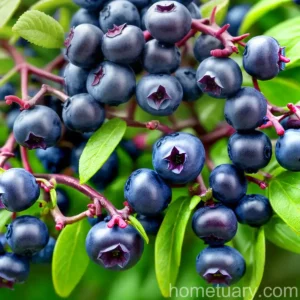
Vaccinium corymbosum ‘Northland’ is a cultivar of the Highbush Blueberry, a member of the Ericaceae family. This species is native to eastern North America, where it thrives in acidic soils and temperate climates. ‘Northland’ is renowned for its high-quality fruit, making it a preferred choice among blueberry enthusiasts and horticulturists.
Key Takeaways
Vaccinium corymbosum ‘Northland’ (Highbush Blueberry)
- Family: Ericaceae
- Type: Deciduous Shrub
- Origin: Eastern North America
- Cultivar: ‘Northland’
Culture
Understanding the cultural requirements of Vaccinium corymbosum ‘Northland’ is essential for successfully growing and maintaining this remarkable plant. From soil conditions to pruning techniques, each aspect plays a crucial role in its overall health and productivity.
Uses
The uses of Vaccinium corymbosum ‘Northland’ extend beyond its delicious berries. In addition to its culinary applications, the plant also boasts ornamental value, enhancing the aesthetic appeal of gardens and landscapes.
Water
Proper watering is critical to the health and productivity of Vaccinium corymbosum ‘Northland’. Deep, consistent watering, especially during periods of fruit development, is vital for optimal growth.
Sunlight
Vaccinium corymbosum ‘Northland’ thrives in full sun, requiring at least six to eight hours of direct sunlight daily to ensure robust growth and abundant fruit production.
Fertilizer
Fertilizing Highbush Blueberries is essential to ensure they receive proper nutrients for healthy growth and fruiting. Utilizing an acidic fertilizer that is specifically formulated for acid-loving plants is recommended.
Soil
Acidic, well-draining soil is paramount for the successful cultivation of Vaccinium corymbosum ‘Northland’. A pH range of 4.5 to 5.5 is ideal for promoting optimal growth and fruit production.
Pruning
Pruning is an essential aspect of Highbush Blueberry care, aiding in shaping the plant, increasing airflow, and promoting fruit production. Pruning should be carried out during the plant’s dormant season, typically in late winter or early spring.
Propagation
Vaccinium corymbosum ‘Northland’ can be propagated through various methods, including hardwood cuttings, softwood cuttings, and layering. Each technique offers its unique advantages and is used based on the specific requirements and preferences of the grower.
Container Popularity
The popularity of growing Vaccinium corymbosum ‘Northland’ in containers has surged in recent years, allowing enthusiasts to cultivate Highbush Blueberries in a wide range of settings, including patios, balconies, and small urban spaces.
Container Common Diseases
Container-grown Vaccinium corymbosum ‘Northland’ may be susceptible to diseases such as root rot and powdery mildew, emphasizing the importance of proper care and disease management measures in container cultivation.
Disease diagnosis
Diagnosing and addressing diseases in Vaccinium corymbosum ‘Northland’ is crucial for preserving the plant’s health and productivity. Understanding common diseases and their symptoms is essential for effective management.
Common pests
Pests such as aphids, blueberry maggot, and spider mites can pose significant challenges to Highbush Blueberries. Implementing pest management strategies is vital for mitigating potential damage.
Botanist’s tips
Botanist’s tips aim to provide valuable insights and recommendations from experts in the field, offering guidance on various aspects of growing and caring for Vaccinium corymbosum ‘Northland’.
Fun facts
Explore intriguing and lesser-known facts about Vaccinium corymbosum ‘Northland’, shedding light on the plant’s unique characteristics, history, and significance in horticulture.
Links to External Resources
I have compiled a list of reputable external resources to support your continued exploration of Vaccinium corymbosum ‘Northland’ and Highbush Blueberries in general.
- University of Maine Cooperative Extension: Blueberries
- North Carolina State University: Growing Blueberries in the Home Garden
- The Ohio State University: Blueberry Cultivars for Ohio
- University of Florida IFAS Extension: Florida Blueberry Information
- University of Georgia Extension: Blueberry Information
- Penn State Extension: Homegrown Blueberries
- Michigan State University: Blueberries
Continue your journey of discovery by exploring these valuable resources that provide in-depth information on Vaccinium corymbosum ‘Northland’ and Highbush Blueberries.
Conclusion
In conclusion, Vaccinium corymbosum ‘Northland’ (Highbush Blueberry) stands as a captivating species that embodies both aesthetic charm and practical benefits. By mastering the various aspects of its cultivation, care, and uses, enthusiasts and horticulturists can fully appreciate the wealth of opportunities that this remarkable plant offers. As we continue to delve into the depths of plant science, the knowledge and understanding of species like Vaccinium corymbosum ‘Northland’ serve as a testament to the enduring allure and value of the botanical world.
As you embark on your journey of cultivating and caring for Vaccinium corymbosum ‘Northland’, I encourage you to draw inspiration from the wealth of information and resources available. Through dedication, passion, and a thirst for knowledge, you can unlock the full potential of this extraordinary plant, creating a thriving and bountiful oasis in your own garden.
I hope this guide has provided you with valuable insights and inspiration as you explore the intricate realm of Vaccinium corymbosum ‘Northland’ (Highbush Blueberry). Embrace the wonder of nature and the countless marvels it bestows upon us, and may your endeavors in horticulture yield abundant fruit – both literally and metaphorically.
Happy gardening!
By: Dr. [Your Name]
Plant Scientist
[Organization/Institution]
[Contact Information]
References
– University of Maine Cooperative Extension: Blueberries. Retrieved from https://extension.umaine.edu/blueberries/
– North Carolina State University: Growing Blueberries in the Home Garden. Retrieved from https://content.ces.ncsu.edu/growing-blueberries-in-the-home-garden
– The Ohio State University: Blueberry Cultivars for Ohio. Retrieved from https://ohioline.osu.edu/factsheet/hyg-1435
– University of Florida IFAS Extension: Florida Blueberry Information. Retrieved from https://sfyl.ifas.ufl.edu/agriculture/florida-blueberry-information/
– University of Georgia Extension: Blueberry Information. Retrieved from https://extension.uga.edu/publications/detail.html?number=B1087
– Penn State Extension: Homegrown Blueberries. Retrieved from https://extension.psu.edu/homegrown-blueberries
– Michigan State University: Blueberries. Retrieved from https://www.canr.msu.edu/blueberries/