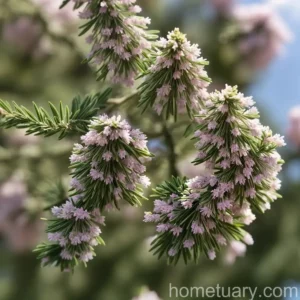
Understanding Vaccinium ‘Blueray’ (Highbush Blueberry)
What is Plant: Vaccinium ‘Blueray’ (Highbush Blueberry)
Vaccinium ‘Blueray’ is a variety of Highbush Blueberry, scientifically known as Vaccinium corymbosum. The Highbush Blueberry is a deciduous shrub belonging to the Ericaceae family, native to eastern North America. This cultivar is prized for its delicious and nutritious fruit and is an excellent addition to home gardens and commercial farms alike.
Here, we will explore the key aspects of the Vaccinium ‘Blueray’ plant, including its cultural requirements, uses, maintenance, common diseases and pests, propagation techniques, and much more.
Key Takeaways – Vaccinium ‘Blueray’ (Highbush Blueberry)
Culture
- Scientific Name: Vaccinium ‘Blueray’
- Common Name: Highbush Blueberry
- Type: Deciduous shrub
- Hardiness Zones: 4-7
- Mature Height: 4-7 feet
- Mature Spread: 3-5 feet
- Bloom Time: Late spring to early summer
- Fruit Harvest: Mid to late summer
Uses
- Edible Fruit: Fresh consumption, baking, jams, jellies, and preserves
- Ornamental: Attractive foliage, flowers, and fruits
- Wildlife: Bird attraction, ecological value
Water
- Regular Watering: Especially important during fruit development
- Moisture Requirements: Well-drained, consistently moist soil
Sunlight
- Full Sun: Requires at least 6-8 hours of direct sunlight daily
- Partial Shade: Tolerant of partial shade, particularly in hotter climates
Fertilizer
- Annual Fertilization: Beneficial for growth and fruit production
- Acidic Fertilizer: Preferable to maintain soil pH
Soil
- Acidic Soil: pH 4.5-5.5
- Organic Matter: Rich, well-amended soil
- Mulching: Helps maintain soil moisture and acidity
Pruning
- Regular Pruning: Encourages new growth and fruiting
- Timing: Best performed in late winter to early spring
Propagation
- Methods: Softwood cuttings, hardwood cuttings, division
- Timing: Typically done in early spring or late summer
Container Popularity
- Suitability: Well-suited for container cultivation
- Patio Gardening: Ideal for urban and small-space gardens
- Mobility: Allows for easier winter protection and maneuvering
Common Diseases
- Anthracnose: Fungal disease affecting fruits and twigs
- Powdery Mildew: White fungal growth on leaves and stems
- Mummy Berry: Fungal infection causing shriveled fruit
Disease Diagnosis
- Visual Symptoms: Leaf spots, wilting, fruit discoloration
- Professional Consultation: For accurate diagnosis and treatment recommendations
Common Pests
- Blueberry Maggots: Fruit-infesting flies
- Japanese Beetles: Devour foliage and flowers
- Spider Mites: Tiny pests causing leaf stippling
Botanist’s Tips
- Beneficial Companions: Rhododendrons, azaleas, heathers
- Optimal Pollination: Plant multiple cultivars for cross-pollination
- Winter Protection: Mulching and covering in colder climates
Fun Facts
- Native Americana: Blueberries have a rich history with Native American tribes.
- Antioxidant Powerhouse: Blueberries are renowned for their health benefits.
- Cultural Significance: Blueberries are celebrated in numerous cuisines and traditions worldwide.
Links to External Resources
- University of Maine Cooperative Extension – Growing Highbush Blueberries
- North Carolina State University – Blueberry Pruning
- UC Master Gardener Program of Sonoma County – Blueberry Pest Management
Now, let’s delve deeper into each of these aspects to gain a comprehensive understanding of Vaccinium ‘Blueray’ and its cultivation.
Plant Characteristics: Vaccinium ‘Blueray’ (Highbush Blueberry)
Vaccinium ‘Blueray’ Review
Vaccinium ‘Blueray’ is a highly esteemed variety of Highbush Blueberry, prized for its exceptional fruit quality, productivity, and ornamental appeal. When cared for properly, this cultivar consistently delivers an abundant harvest of large, sweet, and flavorful blueberries. Its robust growth habit, cold hardiness, and adaptability make it a favored choice for both home gardeners and commercial growers.
Highbush Blueberry Variety
The Highbush Blueberry, represented by Vaccinium ‘Blueray’, is a woody, perennial shrub that typically grows 4-7 feet tall and 3-5 feet wide. It is characterized by its upright, multi-stemmed growth, forming a dense crown of branches. The deciduous foliage consists of elliptical, glossy green leaves that turn vibrant shades of red, orange, and yellow in the fall, providing a stunning display of colors.
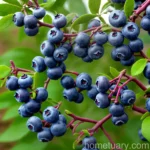
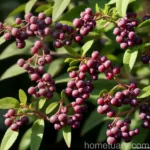
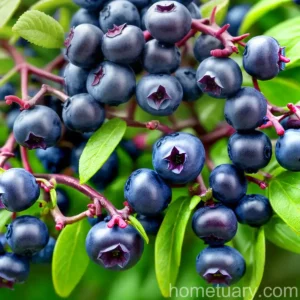
In late spring to early summer, Vaccinium ‘Blueray’ produces clusters of bell-shaped, white or pale pink flowers that give way to firm, plump berries in mid to late summer. The fruit ripens to a deep blue hue and is known for its outstanding flavor, nutritional value, and versatility in culinary applications.
How to Grow Vaccinium ‘Blueray’
Growing Vaccinium ‘Blueray’ successfully begins with selecting a suitable planting site and providing the necessary cultural conditions. As a deciduous shrub, this blueberry variety thrives in temperate climates, particularly in hardiness zones 4-7. It requires acidic, well-drained soil, ample sunlight, and regular moisture to produce optimal fruit yields. Proper pruning, fertilization, and pest management are essential for maintaining plant health and vigor.
Blueberry Plant Care Tips
To care for Vaccinium ‘Blueray’ and ensure its long-term productivity, it is crucial to adhere to specific cultural practices. Here are some essential care tips for cultivating Highbush Blueberries:
- Soil pH Testing: Regularly monitor soil pH to maintain acidity within the ideal range of 4.5-5.5.
- Mulching: Apply a layer of organic mulch, such as pine bark or wood chips, to conserve moisture and suppress weeds.
- Fertilization: Provide annual applications of acidic fertilizer to support plant growth and fruit development.
- Regular Watering: Keep the soil consistently moist, especially during periods of fruit set and expansion.
Best Conditions for Vaccinium ‘Blueray’
Vaccinium ‘Blueray’ thrives in environments that mimic its native habitat, characterized by acidic, organically rich soil, ample sunlight, and moderate moisture. This variety performs best when grown in regions with cool winters and moderate summers, as it requires a period of winter chilling for proper fruiting. Moreover, meeting its pollination requirements and providing adequate space for growth are essential for ensuring successful cultivation.
Highbush Blueberry Cultivation
The cultivation of Highbush Blueberries, including Vaccinium ‘Blueray’, is an art that involves understanding the plant’s biological needs and adapting cultural practices to create a conducive growing environment. Successful cultivation relies on site selection, soil preparation, proper planting techniques, and ongoing care and maintenance to support the plant’s growth and productivity.
Pruning Vaccinium ‘Blueray’
Pruning plays a vital role in maintaining the health and productivity of Vaccinium ‘Blueray’. Regular pruning helps manage plant size, encourage new growth, and improve air circulation, which reduces the risk of diseases. Additionally, selective pruning is crucial for rejuvenating older bushes and promoting the development of fruiting wood. Understanding the timing and techniques of pruning is essential for maximizing fruit yields and maintaining plant vigor.
Highbush Blueberry Diseases
As with any cultivated plant, Highbush Blueberries, including Vaccinium ‘Blueray’, are susceptible to certain diseases that can impact their growth and fruit production. Common diseases affecting these plants include anthracnose, powdery mildew, mummy berry, and root rot. By understanding the symptoms and preventive measures for these diseases, growers can implement effective strategies to protect their blueberry plants.
Vaccinium ‘Blueray’ Plant Characteristics
Vaccinium ‘Blueray’ exhibits distinct plant characteristics that make it an attractive and valuable addition to gardens and landscapes. Its upright growth habit, ornamental foliage, showy flowers, and bountiful fruit make it a versatile plant with both aesthetic and functional appeal. By understanding its characteristics, growers can make informed decisions about incorporating Vaccinium ‘Blueray’ into their horticultural endeavors.
Growing Requirements and Maintenance
Vaccinium ‘Blueray’ Watering Guide
Proper watering is essential for the growth and productivity of Vaccinium ‘Blueray’. To establish and maintain healthy plants, it is important to provide consistent moisture, particularly during periods of fruit development. Additionally, understanding the water requirements of Highbush Blueberries in different growing environments, such as container cultivation or open ground, is crucial for successful plant management.
Vaccinium ‘Blueray’ Sun Exposure Needs
Sunlight is a primary determinant of the growth and fruiting potential of Vaccinium ‘Blueray’. Adequate sunlight promotes photosynthesis, flowering, and fruit ripening, leading to higher yields and fruit quality. Understanding the sunlight preferences and requirements of Highbush Blueberries helps growers choose appropriate planting locations and optimize their cultivation practices.
Blueberry Plant Fertilization Schedule
Developing an effective fertilization schedule is paramount for sustaining the vigor and productivity of Vaccinium ‘Blueray’. Blueberry plants have specific nutritional requirements, particularly for acidic soil conditions and the promotion of balanced growth and fruiting. By devising a tailored fertilization plan, growers can ensure that their plants receive the essential nutrients they need for optimal performance.
Soil Requirements for Vaccinium ‘Blueray’
Acidic soil with a pH range of 4.5-5.5 is crucial for the successful cultivation of Vaccinium ‘Blueray’. Understanding the soil requirements and making amendments to maintain suitable pH levels and organic matter content are essential for promoting healthy root development, nutrient uptake, and overall plant vitality. Moreover, incorporating mulching and other soil management practices contributes to creating an optimal soil environment for blueberry cultivation.
Vaccinium ‘Blueray’ Winter Care
Winter care is an integral aspect of Highbush Blueberry cultivation, particularly in regions with cold and freezing temperatures. Protecting Vaccinium ‘Blueray’ from winter extremes, including frost, snow, and chilling winds, is essential for preventing damage to the plant’s structure and buds. Employing protective measures such as mulching and covering plants helps safeguard them during the winter months.
Blueberry Plant Pollination Requirements
Vaccinium ‘Blueray’ and other Highbush Blueberry varieties rely on effective pollination for fruit set and development. Understanding the pollination requirements, including the need for cross-pollination and the role of pollinators, is crucial for ensuring consistent and abundant fruit yields. By addressing pollination needs, growers can maximize the productivity of their blueberry plants.
Blueberry Plant Spacing Guidelines
Proper spacing between Vaccinium ‘Blueray’ plants is essential for promoting healthy growth, adequate airflow, and easy access for maintenance tasks. Understanding the recommended spacing guidelines for Highbush Blueberries enables growers to plan and optimize their planting arrangements, whether in home gardens, commercial orchards, or container cultivation settings.
Propagation and Maintenance Techniques
Propagating Vaccinium ‘Blueray’
The propagation of Vaccinium ‘Blueray’ can be achieved through various methods, including softwood cuttings, hardwood cuttings, and division. Each propagation technique has its advantages and considerations, influencing the timing and success of establishing new plants. By understanding the principles of propagation, growers can expand their blueberry plantings and preserve desirable genetic characteristics.
Growing Vaccinium ‘Blueray’ in Containers
Container cultivation offers a versatile and space-saving option for growing Vaccinium ‘Blueray’, particularly in urban and small-scale settings. Understanding the unique requirements of blueberries in containers, including soil mixtures, watering practices, and winter protection, is essential for achieving successful cultivation and bountiful harvests. Container cultivation also provides the flexibility of moving plants according to seasonal needs and outdoor space availability.
Pruning Vaccinium ‘Blueray’
Pruning is a fundamental aspect of Highbush Blueberry maintenance, influencing plant structure, fruit production, and overall health. Understanding the principles of pruning, including timing, techniques, and objectives, empowers growers to manage the growth and vigor of Vaccinium ‘Blueray’ effectively. By implementing proper pruning practices, growers can optimize fruit yields, rejuvenate older plants, and maintain the long-term health of their blueberry bushes.
Vaccinium ‘Blueray’ Common Uses
Vaccinium ‘Blueray’ offers a wide range of practical and aesthetic uses in various horticultural settings. From the culinary delight of fresh blueberries to the ornamental appeal of its foliage and flowers, this versatile cultivar enriches gardens, landscapes, and home-grown produce. Understanding the common uses of Vaccinium ‘Blueray’ allows gardeners and enthusiasts to appreciate its diverse contributions and plan for its integration into their projects.
Disease Management and Pest Control
Highbush Blueberry Diseases
Despite their resilience, Highbush Blueberries, including Vaccinium ‘Blueray’, are susceptible to certain diseases that can compromise their growth and fruit quality. Understanding the symptoms, preventive measures, and treatment options for common blueberry diseases, such as anthracnose, powdery mildew, and mummy berry, is essential for mitigating their impact and maintaining plant health.
Vaccinium ‘Blueray’ Pest Control
Pests pose a potential threat to the growth and productivity of Vaccinium ‘Blueray’, necessitating effective pest management strategies. Identifying common blueberry pests, including blueberry maggots, Japanese beetles, and spider mites, enables growers to implement integrated pest management practices and minimize damage to their blueberry plants. By employing proactive pest control measures, growers can protect their blueberry crops and sustain plant vitality.
Vaccinium ‘Blueray’ Mulching Tips
Mulching serves as a valuable practice for conserving soil moisture, suppressing weeds, and maintaining soil acidity around Vaccinium ‘Blueray’ plants. Employing effective mulching techniques, such as using organic materials like pine bark or wood chips, contributes to creating favorable growing conditions for blueberry bushes. Understanding the benefits and best practices of mulching helps growers optimize the health and performance of their blueberry plants.
Vaccinium ‘Blueray’ Pollinator Plants
Integrating pollinator plants into blueberry cultivation enhances pollination efficiency and fruit set, ultimately contributing to higher yields and larger berries. Selecting suitable pollinator species that bloom concurrently with Vaccinium ‘Blueray’ and attract various pollinators, such as bees and butterflies, improves the overall reproductive success of blueberry plants. By encouraging pollinator diversity, growers optimize the pollination process and boost fruit production.
Additional Considerations and Companion Planting
Vaccinium ‘Blueray’ Companion Planting Ideas
Companion planting offers the opportunity to create harmonious and mutually beneficial plant associations in the garden. Pairing Vaccinium ‘Blueray’ with compatible companion plants, such as rhododendrons, azaleas, and heathers, enhances aesthetic appeal, optimizes space utilization, and supports ecological balance. Understanding the principles of companion planting empowers growers to create diverse and resilient garden ecosystems.
Growing Vaccinium ‘Blueray’ in Acidic Soils
The preference for acidic soils makes Vaccinium ‘Blueray’ well-suited for cultivation in regions with naturally occurring acidic conditions or those where soil amendments can be applied to achieve the desired pH range. Understanding the unique adaptability of Highbush Blueberries to acidic soils allows growers to choose appropriate planting sites and make informed decisions about soil management practices to create optimal growing conditions.
Vaccinium ‘Blueray’ Root System
Understanding the structure and function of the root system in Vaccinium ‘Blueray’ is essential for recognizing its specific physiological needs, water and nutrient uptake, and resilience to environmental stresses. By gaining insights into the root system, including its depth, spread, and interactions with soil microorganisms, growers can implement effective planting and maintenance practices for blueberry plants.
Highbush Blueberry Plant Nutrition
Proper nutrition is fundamental for sustaining the growth, vigor, and fruit production of Vaccinium ‘Blueray’. Providing essential nutrients, particularly those facilitating acidic soil conditions and supporting reproductive growth, enhances the overall health and resilience of blueberry plants. By devising a plant nutrition plan tailored to the specific needs of Highbush Blueberries, growers can optimize their cultivation and harvest outcomes.
Vaccinium ‘Blueray’ vs. Other Blueberry Varieties
Comparing the characteristics and performance of Vaccinium ‘Blueray’ with other blueberry varieties offers valuable insights for growers seeking to expand their blueberry plantings. Understanding the unique attributes, such as flavor, fruit size, growth habits, and seasonal traits, enables growers to select suitable blueberry cultivars that align with their preferences and growing conditions.
Conclusion
In conclusion, Vaccinium ‘Blueray’ is a distinguished variety of Highbush Blueberry that offers exceptional fruit quality, ornamental appeal, and versatility in horticultural applications. Understanding the cultural requirements, maintenance practices, disease management strategies, and unique characteristics of this cultivar is essential for successful cultivation and optimal fruit production.
By incorporating the insights and guidelines shared in this comprehensive overview, growers can develop a deeper appreciation for Vaccinium ‘Blueray’ and make informed decisions about integrating this prized blueberry variety into their gardens, landscapes, and agricultural endeavors. With careful attention to its needs and thoughtful management, Vaccinium ‘Blueray’ can consistently deliver robust harvests of delicious, nutritious blueberries, enriching the horticultural experiences of all who cultivate and enjoy this exceptional fruit-bearing shrub.
Disclaimer: The information presented in this article serves as a general guide for growing Vaccinium ‘Blueray’ (Highbush Blueberry) and may vary based on specific environmental conditions and regional practices. For precise recommendations and targeted guidance, consult local extension services, experienced growers, and reputable horticultural resources.