Plant Scientist’s Guide to Salvia nemorosa ‘Bumbleberry’ (Sage)
As a plant scientist, I am excited to share insights and knowledge about Salvia nemorosa ‘Bumbleberry’, commonly known as Sage. This resilient and aromatic plant has captured the hearts of many gardeners and landscapers due to its vibrant appearance and a myriad of uses. Throughout this comprehensive guide, we will explore the characteristics of Salvia nemorosa ‘Bumbleberry’, tips for its cultivation, and its diverse applications in landscapes and gardens.
What is Salvia nemorosa ‘Bumbleberry’ (Sage)?
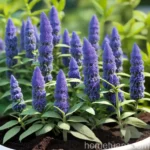
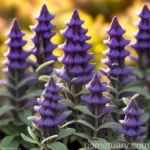
Salvia nemorosa ‘Bumbleberry’ is a perennial herb that belongs to the Lamiaceae family. This species is native to Europe and Western Asia and is admired for its ornamental and culinary properties. The plant is characterized by its compact growth habit, reaching a height of 18-24 inches and spreading up to 24 inches. It produces elongated spikes of densely packed, tubular flowers that bloom in various shades of purple, creating a visually striking display.
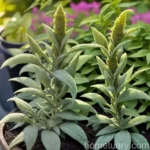
The aromatic foliage of Salvia nemorosa ‘Bumbleberry’ adds to its allure, emitting a pleasant scent when crushed or brushed against. This quality makes it a favorite among gardeners seeking to introduce fragrant elements to their outdoor spaces. In addition to its aesthetic appeal, ‘Bumbleberry’ Sage is also known for its attractiveness to pollinators, such as bees and butterflies, further enhancing its ecological value in garden settings.
Key Takeaways – Salvia nemorosa ‘Bumbleberry’ (Sage)
Before delving into the specifics of cultivating and caring for Salvia nemorosa ‘Bumbleberry’, let’s outline an overview of the following key aspects related to this plant:
- Care: Understanding the specific care requirements for optimal growth.
- Cultivation: Tips and best practices for successfully cultivating ‘Bumbleberry’ Sage.
- Characteristics: Exploring the distinctive features and attributes of Salvia nemorosa ‘Bumbleberry’.
- Uses: Unveiling the various applications and benefits of integrating this plant in different settings.
Now, let’s explore each of these facets in further detail, providing practical insights and valuable information for plant enthusiasts and horticulturists.
Culture
The cultural requirements of Salvia nemorosa ‘Bumbleberry’ encompass various factors that directly influence its health, vigor, and overall performance. Understanding and catering to these aspects are pivotal for ensuring the successful growth and development of this enchanting perennial.
Water
Salvia nemorosa ‘Bumbleberry’ exhibits moderate water needs, and it thrives in well-draining soil. Overly soggy conditions can lead to root rot and adversely impact the plant’s vitality. During the initial establishment period, it is crucial to provide regular watering to facilitate root development. Once established, the plant showcases good drought tolerance, making it suitable for landscapes and gardens with sporadic rainfall or limited irrigation resources.
- Watering Tips:
- Newly Planted: Water thoroughly after planting and maintain consistent moisture for the first few weeks.
- Established Plants: Allow the soil to partially dry between waterings to prevent waterlogged conditions, particularly during periods of low rainfall.
- Container-Grown Sage: Monitor moisture levels closely, as containers can experience faster drying of the soil. Ensure adequate drainage to prevent water accumulation.
Sunlight
Salvia nemorosa ‘Bumbleberry’ flourishes in full sun to partial shade, displaying the best floral performance when exposed to ample sunlight. Adequate sun exposure promotes robust growth and prolific flowering, accentuating the visual appeal of the plant. In regions with intense summer heat, providing some afternoon shade can aid in preventing stress and sunburn on the foliage.
- Sunlight Guidelines:
- Full Sun: Aim to position ‘Bumbleberry’ Sage in locations receiving at least 6-8 hours of direct sunlight per day for optimal bloom production.
- Partial Shade: In exceptionally hot climates, providing protection from the intense midday sun can prevent foliage scorching and enhance the plant’s overall resilience.
Fertilizer
Fertilization plays a vital role in supporting the growth and vigor of Salvia nemorosa ‘Bumbleberry’. However, excessive fertilization can lead to leggy growth and reduced flowering. Selecting a balanced fertilizer and applying it at the right time can maximize the plant’s potential without inducing negative effects.
- Fertilization Practices:
- Timing: Apply a balanced, slow-release fertilizer in early spring as new growth emerges to provide essential nutrients for the approaching growing season.
- Frequency: Refrain from over-fertilizing, as excessive nutrients can stimulate excessive foliage growth at the expense of flowers. A single annual application is generally adequate for ‘Bumbleberry’ Sage.
- Soil Testing: Conduct periodic soil tests to assess nutrient levels and adjust the fertilization regime accordingly, ensuring an optimal nutrient balance for the plant’s requirements.
Soil
Salvia nemorosa ‘Bumbleberry’ thrives in well-drained, loamy soils with a slightly alkaline to neutral pH. Soil quality directly impacts the plant’s establishment, root development, and overall vitality, making it essential to provide an appropriate growing medium for the Sage to thrive.
- Soil Recommendations:
- Drainage: Prioritize well-draining soils to prevent water accumulation around the plant’s root zone, reducing the risk of root rot and other moisture-related issues.
- Amendment: Incorporating organic matter, such as well-rotted compost, into the soil during planting enhances its structure and fertility, facilitating healthy root growth.
- pH Level: Aim for a soil pH in the range of 6.5 to 7.5 to ensure optimal nutrient availability and uptake by the plant.
Pruning
Pruning plays a pivotal role in shaping the growth habit of Salvia nemorosa ‘Bumbleberry’ and promoting continuous flowering throughout the growing season. By removing spent blooms and leggy growth, the plant can maintain a compact form and channel its energy into producing new flowers, prolonging the ornamental display.
- Pruning Techniques:
- Deadheading: Regularly remove faded flowers to encourage the development of new buds, extending the flowering period and enhancing the overall appearance of the plant.
- Spring Pruning: In early spring, prune back the previous year’s growth to promote a bushier habit and stimulate fresh growth from the base of the plant.
- Maintenance Pruning: Periodic light trimming can help maintain the desired shape and prevent the Sage from becoming overly leggy, fostering a neat and tidy appearance in the landscape.
Propagation
Propagation of Salvia nemorosa ‘Bumbleberry’ can be accomplished through various methods, including division, seed propagation, and stem cuttings. Each approach offers distinct benefits and considerations, providing flexibility for propagating the plant to suit different preferences and scale of propagation.
- Propagation Techniques:
- Division: Divide mature plants in early spring or fall, carefully separating the root mass into smaller sections with viable roots and shoots. Replant the divisions in prepared soil to establish new plants.
- Seeds: Collect seeds from mature ‘Bumbleberry’ Sage plants and sow them in well-prepared seed-starting medium. Provide consistent moisture and warmth to facilitate germination and the development of seedlings.
- Cuttings: Take stem cuttings from healthy, non-flowering shoots and root them in a moist, well-draining rooting medium. Maintain high humidity and moderate light levels to encourage successful rooting of the cuttings.
Container Popularity
Salvia nemorosa ‘Bumbleberry’ showcases excellent adaptability to container cultivation, making it a favored choice for accentuating outdoor living spaces, patios, and balconies. The plant’s compact growth habit and ornamental qualities lend themselves well to container plantings, allowing individuals with limited garden space to enjoy its captivating presence.
- Container Considerations:
- Size: Select containers with adequate drainage holes and sufficient volume to accommodate the root system without becoming root-bound. A container with a diameter of 12-16 inches is generally suitable for a single ‘Bumbleberry’ Sage plant.
- Soil: Utilize a well-draining, high-quality potting mix to provide a supportive growing medium for the Sage in containers. Consider incorporating a slow-release fertilizer to sustain the plant’s nutritional needs over an extended period.
- Placement: Position the containers in locations with adequate sunlight and good air circulation to optimize the plant’s growth and flowering potential. Furthermore, container-grown ‘Bumbleberry’ Sage can be easily moved to preferential locations to meet its sun and shade requirements.
As we delve into the various aspects of Salvia nemorosa ‘Bumbleberry’, it becomes evident that this remarkable plant offers a host of benefits and applications within diverse horticultural scenarios. From landscape design to culinary uses, ‘Bumbleberry’ Sage adds a touch of charm and functionality to any setting, capturing the admiration of enthusiasts and professionals alike.
Common Diseases
While Salvia nemorosa ‘Bumbleberry’ is generally resilient and resistant to many diseases, some issues may occasionally afflict the plant, impacting its overall health and appearance. Understanding these potential concerns and their management is crucial for maintaining the plant’s vigor and vitality.
Disease Diagnosis
- Powdery Mildew: A common fungal disease that presents as a white, powdery coating on the foliage, impacting the plant’s aesthetic appeal and potentially reducing its vigor. Ensure adequate airflow around the plant and consider using fungicidal treatments as a preventive measure during periods of high humidity.
- Root Rot: Excessive soil moisture can lead to the development of root rot, characterized by wilting, yellowing foliage, and a decline in overall plant health. Avoid overwatering and improve soil drainage to mitigate the risk of this disease.
- Botrytis Blight: This fungal disease manifests as brown lesions on the leaves and flowers, often spreading rapidly during periods of high humidity and moisture. Implement cultural practices that promote good air circulation and consider using fungicidal treatments when appropriate.
Common Pests
Salvia nemorosa ‘Bumbleberry’ is relatively resistant to pest infestations, but certain organisms may pose occasional challenges, necessitating proactive management to maintain the plant’s health and vitality.
- Aphids: These small, sap-sucking insects can cluster on the tender new growth of ‘Bumbleberry’ Sage, potentially causing distortion and stunting of the affected plant parts. Employing insecticidal soap or horticultural oils can help control aphid populations and minimize damage to the plant.
- Spider Mites: These tiny arachnids can infest the foliage, causing stippling and discoloration of the leaves. Regularly inspect the plant for early signs of infestation and consider using water sprays or miticides to manage and suppress spider mite populations.
Botanist’s Tips
Based on extensive research and practical experience, here are some valuable tips to enhance the cultivation and management of Salvia nemorosa ‘Bumbleberry’:
- Mulching: Apply a layer of organic mulch around the base of ‘Bumbleberry’ Sage to conserve soil moisture, regulate soil temperature, and inhibit weed growth. Additionally, organic mulch gradually enriches the soil as it decomposes, contributing to long-term soil health.
- Companion Planting: Integrate ‘Bumbleberry’ Sage with pollinator-attracting plants, such as lavender, echinacea, and rudbeckia, to create vibrant and ecologically beneficial garden spaces. The synergistic effects of diverse plantings can enhance the overall landscape appeal and ecological value.
- Water Management: Implement drip irrigation or soaker hoses to deliver water directly to the root zone, promoting efficient water use and minimizing moisture-related diseases. Additionally, maintaining adequate spacing between plants can improve air circulation and reduce disease pressure.
- Wildlife Benefits: Emphasize the ecological benefits of ‘Bumbleberry’ Sage, such as its attraction to pollinators and potential contributions to wildlife habitat. Promoting the plant’s role in supporting biodiversity and ecological balance enriches its value in horticultural and conservation contexts.
Fun Facts
Discover some intriguing and captivating facts about Salvia nemorosa ‘Bumbleberry’ that further enrich our understanding and appreciation of this extraordinary plant:
- Medicinal History: Throughout history, various species of Salvia have been used in traditional herbal remedies for their purported medicinal properties, including the alleviation of digestive discomfort and throat ailments.
- Cultural Significance: In folklore and cultural traditions, different species of Sage have been associated with symbolic meanings, ranging from wisdom and strength to immortality and protection against negative forces.
- Historical Uses: Sage has been utilized for its culinary attributes, imparting a distinctive flavor to various dishes. Additionally, the aromatic foliage has been employed in perfumery and aromatherapy due to its appealing scent and inherent properties.
Now that we have explored the cultural, maintenance, and ecological aspects of Salvia nemorosa ‘Bumbleberry’, let’s further illuminate its diverse uses and applications, unveiling its multifaceted value in different contexts.
Links to External Resources
As a comprehensive resource, it is essential to provide access to external references and sources that offer additional insights and information about Salvia nemorosa ‘Bumbleberry’, enriching the reader’s understanding and appreciation of this captivating plant.
- The Royal Horticultural Society (RHS) – Salvia nemorosa
- Missouri Botanical Garden – Salvia nemorosa ‘Bumbleberry’
- University of Florida IFAS Extension – Salvia nemorosa Cultivar Options
As we navigate the diverse resources available, we can uncover a wealth of information, gardening insights, and practical guidance on cultivating and appreciating Salvia nemorosa ‘Bumbleberry’ Sage.
In conclusion, Salvia nemorosa ‘Bumbleberry’ stands as a captivating and versatile plant, offering aesthetic appeal, ecological benefits, and practical applications across various settings. Its adaptability to different cultural practices, from landscape design to culinary use, underscores its multifaceted value, enriching horticultural, ecological, and cultural landscapes.
In this guide, we’ve delved into the fascinating world of Salvia nemorosa ‘Bumbleberry’ (Sage), exploring its cultural requirements, practical tips for cultivation, and its diverse applications. From its vibrant floral display to its ecological contributions, this remarkable plant continues to captivate enthusiasts and professionals alike, epitomizing the enchanting allure of ornamental and functional horticulture.