

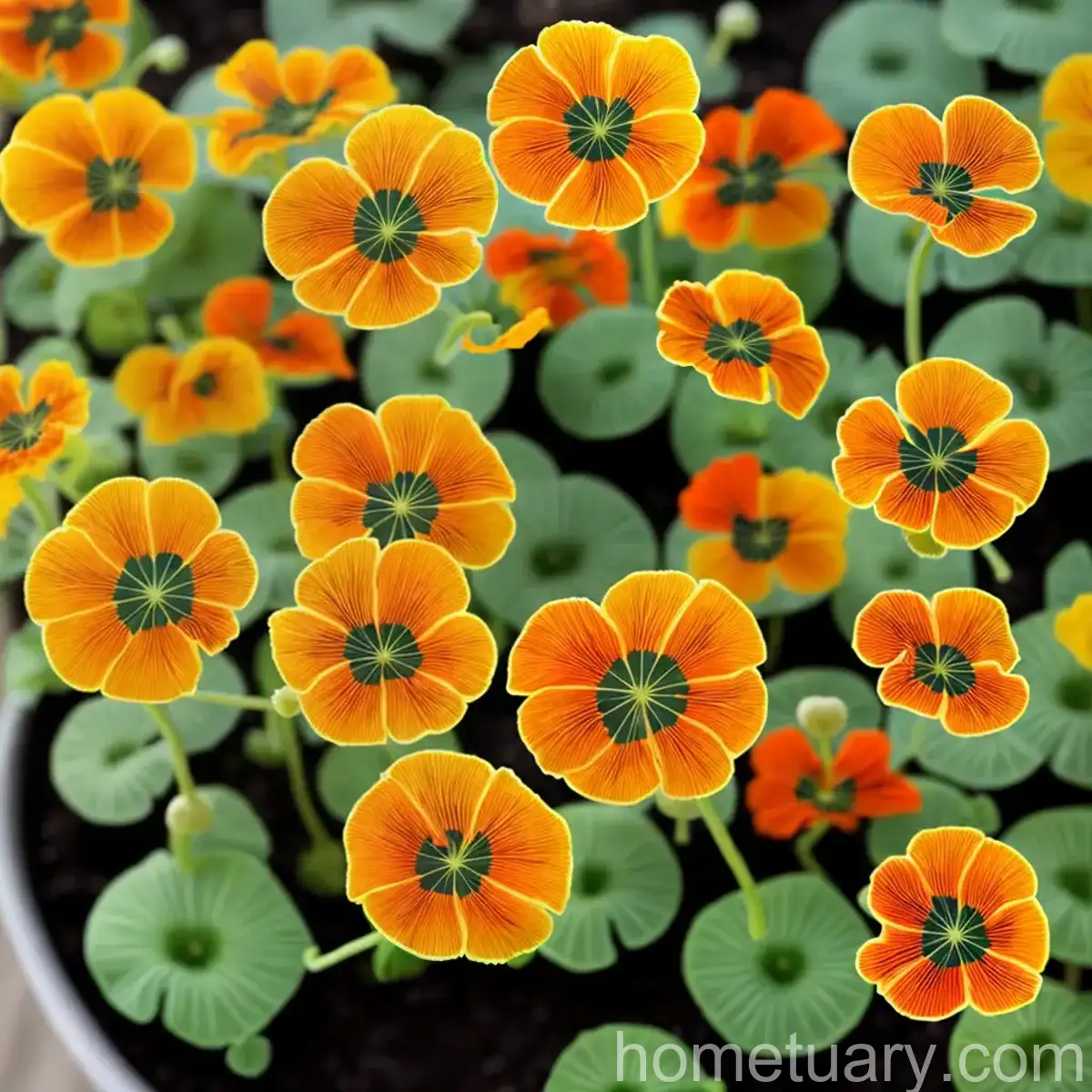
Plant Scientist’s Guide to Tropaeolum Majus ‘Salmon Baby’ (Nasturtium)
Tropaeolum majus ‘Salmon Baby,’ commonly known as Nasturtium, is a vibrant and versatile plant that has been a favorite amongst gardeners and plant enthusiasts for centuries. With its delightful flowers and edible leaves, this plant serves both aesthetic and culinary purposes. In this comprehensive guide, we will delve deep into the world of Tropaeolum majus ‘Salmon Baby,’ exploring its culture, uses, care requirements, and much more.
What is Tropaeolum Majus ‘Salmon Baby’ (Nasturtium)?
Tropaeolum majus ‘Salmon Baby’ belongs to the Tropaeolaceae family and is native to South America, particularly Peru and Bolivia. This annual plant is well-known for its striking, funnel-shaped flowers that come in various shades, including vibrant yellows, oranges, reds, and the unique ‘Salmon Baby’ color that sets it apart from traditional Nasturtium varieties. The foliage of Tropaeolum majus ‘Salmon Baby’ is also ornamental, boasting lily pad-shaped leaves that add to its visual appeal.
Apart from its aesthetic value, Nasturtium is celebrated for its versatility, finding its way into culinary dishes, herbal medicine, and even garden pest management. Its ability to thrive in various environmental conditions and adaptability to different gardening methods make it a popular choice for both novice and experienced gardeners.
Let’s explore the key takeaways, culture, uses, and care requirements of Tropaeolum majus ‘Salmon Baby’ in detail.
Key Takeaways – Tropaeolum majus ‘Salmon Baby’ (Nasturtium)
- Beautiful ‘Salmon Baby’ flowers in the Tropaeolum majus variety
- Ornamental lily pad-shaped leaves
- Versatile uses in cooking and herbal medicine
- Aids in pest management in gardens
- Adaptable and easy to grow
Now that we have a brief overview, let’s dive into the specifics of cultivating and caring for Tropaeolum majus ‘Salmon Baby.’
Culture
Tropaeolum majus ‘Salmon Baby’ can thrive in a wide range of growing conditions, making it a versatile addition to any garden. Its adaptability allows it to flourish in different climates, making it a popular choice for gardeners worldwide.
Uses
- Ornamental Purposes: The beautiful ‘Salmon Baby’ flowers and lily pad-shaped leaves of Tropaeolum majus ‘Salmon Baby’ make it a visually appealing addition to gardens, balconies, and even indoor spaces.
- Culinary Delight: The flowers and leaves of Nasturtium are edible, adding a peppery and slightly spicy flavor to salads, sandwiches, and various dishes. They are often used as a garnish to add a pop of color and taste to culinary creations.
- Medicinal Properties: Nasturtium leaves and flowers have been traditionally used for their medicinal properties, including their role as a natural antibiotic and their potential to support overall immune system function. The plant is also a rich source of vitamin C.
Water
Tropaeolum majus ‘Salmon Baby’ has moderate water needs. It is important to keep the soil consistently moist, especially during the plant’s early growth stages. However, it is crucial to avoid overwatering, as this can lead to root rot and other water-related diseases. Once established, Nasturtium exhibits some drought tolerance, making it suitable for various garden environments.
Sunlight
This plant thrives in full sun to partial shade, making it adaptable to different light conditions. However, for the best flower production and overall growth, providing Tropaeolum majus ‘Salmon Baby’ with at least 6 hours of direct sunlight is recommended.
Fertilizer
Nasturtium is known for its ability to thrive in nutrient-poor soils, making it a low-maintenance plant in terms of fertilizer requirements. However, if the soil is particularly poor, a balanced, all-purpose fertilizer can be applied sparingly at the beginning of the growing season to support healthy growth and flower production.
Soil
Tropaeolum majus ‘Salmon Baby’ prefers well-draining soil with a slightly acidic to neutral pH. It can adapt to various soil types, including sandy, loamy, and even poor soils. Good drainage is essential, as Nasturtium is susceptible to root rot in waterlogged conditions.
Pruning
While minimal pruning is required for Tropaeolum majus ‘Salmon Baby,’ deadheading spent flowers can encourage continuous blooming and prevent self-seeding. This practice promotes a tidy and appealing appearance while redirecting the plant’s energy towards the production of new blooms.
Propagation
Nasturtium can be propagated easily from seeds, making it an accessible plant for both beginner and experienced gardeners. The seeds can be sown directly into the ground after the last frost date or started indoors a few weeks earlier to get a head start on the growing season.
Container Popularity
Tropaeolum majus ‘Salmon Baby’ is well-suited for container gardening, adding a vibrant and visually appealing touch to balconies, patios, and small outdoor spaces. Its cascading growth habit also makes it an excellent choice for hanging baskets and tall containers that allow its trailing vines to drape gracefully.
Container Common Diseases
While Nasturtium is generally resilient to many common plant diseases, it can occasionally be susceptible to powdery mildew and bacterial leaf spot if grown in excessively humid or crowded conditions. Proper air circulation and watering practices can help mitigate these issues.
Disease Diagnosis
Diagnosing diseases in Tropaeolum majus ‘Salmon Baby’ involves careful observation of the plant’s foliage and overall appearance. Common signs of diseases in Nasturtium include white powdery patches on the leaves (indicative of powdery mildew) and dark, water-soaked spots on the foliage (characteristic of bacterial leaf spot). If any symptoms are observed, it is essential to take prompt action to prevent the spread of the disease.
Common Pests
Nasturtium is known to repel certain garden pests due to its pungent scent and peppery foliage. However, it may still encounter attacks from aphids, caterpillars, and slugs. Regular inspection and the introduction of natural predators can help control these pests effectively.
Botanist’s Tips
- Companion Planting: Tropaeolum majus ‘Salmon Baby’ is an excellent companion plant for vegetable gardens, as it can deter pests such as aphids, whiteflies, and squash bugs. Its peppery scent acts as a natural repellent, protecting neighboring crops from infestations.
- Attracting Pollinators: The vibrant flowers of Nasturtium attract pollinators such as bees, butterflies, and hummingbirds, promoting biodiversity in the garden and supporting the pollination of other plants.
Fun Facts
- Nasturtium flowers are not only visually appealing but also serve as edible garnishes, adding a pop of color and flavor to various dishes.
- The name “Nasturtium” is derived from the Latin word “nasus tortus,” meaning “twisted nose,” which is a reference to the reaction one might have when consuming the peppery foliage or flowers.
Now that we have explored the culture, uses, and essential care requirements of Tropaeolum majus ‘Salmon Baby,’ let’s delve into additional aspects of this delightful plant.
Links to External Resources
- Royal Horticultural Society – Growing Nasturtiums
- University of Florida IFAS Extension – Nasturtium Production Guide
- Missouri Botanical Garden – Tropaeolum majus ‘Salmon Baby’
In the next section, we will explore the specific care requirements of Tropaeolum majus ‘Salmon Baby,’ addressing the keywords provided in the prompt.
Tropaeolum majus ‘Salmon Baby’ Care
Tropaeolum majus ‘Salmon Baby’ Growing Tips
- Provide well-draining soil with moderate moisture levels
- Ensure at least 6 hours of direct sunlight for optimal growth and flower production
- Deadhead spent flowers to encourage continuous blooming
- Use natural predators and organic methods to control pests
How to Cultivate Tropaeolum majus ‘Salmon Baby’
Cultivating Tropaeolum majus ‘Salmon Baby’ involves sowing the seeds directly into the ground after the last frost or starting them indoors a few weeks earlier to extend the growing season. It is important to provide the plant with adequate sunlight, water, and well-draining soil to support its growth.
Nasturtium ‘Salmon Baby’ Planting Guide
When planting Tropaeolum majus ‘Salmon Baby,’ select a location that receives ample sunlight and offers well-draining soil. Sow the seeds at the appropriate depth, and maintain consistent moisture during the germination period. As the plant matures, ensure regular watering and occasional fertilization to promote healthy growth and abundant flowering.
Tropaeolum majus Varieties
Tropaeolum majus ‘Salmon Baby’ belongs to the Tropaeolum genus, which encompasses numerous other varieties, each with its unique flower colors and growth habits. Other notable varieties include ‘Empress of India,’ ‘Alaska,’ and ‘Whirlybird.’
Growing Nasturtium ‘Salmon Baby’ from Seed
Growing Tropaeolum majus ‘Salmon Baby’ from seed is a straightforward process that involves sowing the seeds directly into the soil or starting them indoors. Provide the seeds with the appropriate conditions and care outlined in the planting guide to ensure successful germination and growth.
Tropaeolum majus Cultivation
Cultivating Tropaeolum majus involves a focus on providing the plant with suitable growing conditions, including well-draining soil, adequate sunlight, and proper watering. Its adaptability to various environments makes it an accessible and rewarding plant to grow.
Nasturtium ‘Salmon Baby’ Watering Needs
Nasturtium ‘Salmon Baby’ requires moderate and consistent moisture to support healthy growth and flowering. It is essential to monitor soil moisture levels and adjust watering practices accordingly to prevent both drought stress and waterlogging.
Tips for Successful Tropaeolum majus ‘Salmon Baby’ Growth
To ensure successful growth of Tropaeolum majus ‘Salmon Baby,’ prioritize the following factors:
– Adequate sunlight
– Well-draining soil
– Moderate and consistent moisture
– Occasional fertilization
Nasturtium ‘Salmon Baby’ Companion Planting
Tropaeolum majus ‘Salmon Baby’ serves as an excellent companion plant due to its pest-repelling properties. It can be strategically planted alongside vegetables and other ornamental plants to deter common garden pests.
Tropaeolum majus ‘Salmon Baby’ Sunlight Requirements
Tropaeolum majus ‘Salmon Baby’ thrives in full sun to partial shade. Providing the plant with at least 6 hours of direct sunlight fosters robust growth and abundant flowering.
Managing Pests on Nasturtium ‘Salmon Baby’
Managing pests on Nasturtium ‘Salmon Baby’ can be achieved through natural predators, such as ladybugs and lacewings, as well as organic pest control methods. Regular inspection and prompt action are key in preventing pest infestations.
Tropaeolum majus ‘Salmon Baby’ Fertilizer Needs
While Tropaeolum majus ‘Salmon Baby’ can thrive in poor soils, occasional fertilization with a balanced, all-purpose fertilizer can support its growth and flowering, particularly in nutrient-deficient conditions.
Nasturtium ‘Salmon Baby’ Container Gardening
Nasturtium ‘Salmon Baby’ is well-suited for container gardening, offering cascading vines and vibrant flowers that add an ornamental touch to balconies, patios, and small outdoor spaces.
Tropaeolum majus ‘Salmon Baby’ Trailing Varieties
Tropaeolum majus includes trailing varieties, such as ‘Salmon Baby,’ ‘Alaska,’ and ‘Whirlybird,’ which exhibit cascading habits and are well-suited for hanging baskets and tall containers.
Pruning Tips for Nasturtium ‘Salmon Baby’
Regular deadheading of spent flowers and the removal of any diseased or damaged foliage constitutes the primary pruning needs for Nasturtium ‘Salmon Baby.’ This practice promotes continuous blooming and maintains the plant’s overall health.
The next section will explore additional aspects of Tropaeolum majus ‘Salmon Baby,’ including its culinary uses, medicinal properties, and role in edible landscapes.
Tropaeolum majus ‘Salmon Baby’ Culinary Uses
The flowers and leaves of Tropaeolum majus ‘Salmon Baby’ are edible and serve as a flavorful addition to various culinary creations. Their peppery taste adds a unique and vibrant element to salads, sandwiches, and appetizers.
Nasturtium ‘Salmon Baby’ Medicinal Properties
Nasturtium possesses medicinal properties, including its traditional use as a natural antibiotic and its high vitamin C content. It has also been utilized to support immune system health and overall wellness.
Tropaeolum majus ‘Salmon Baby’ for Edible Landscapes
Tropaeolum majus ‘Salmon Baby’ can be incorporated into edible landscapes, adding both visual appeal and culinary benefits. Its ornamental flowers and leaves make it a valuable addition to gardens designed for both beauty and productivity.
Nasturtium ‘Salmon Baby’ Health Benefits
The consumption of Nasturtium ‘Salmon Baby’ flowers and leaves provides health benefits, including a natural source of vitamin C and potential immune-boosting properties. Its peppery flavor adds a unique element to dishes while offering nutritional value.
Growing Tropaeolum majus ‘Salmon Baby’ in Pots
Tropaeolum majus ‘Salmon Baby’ thrives in pots and containers, making it an ideal choice for individuals with limited garden space. Its trailing habits and vibrant flowers enhance the visual appeal of patios, balconies, and small outdoor areas.
Nasturtium ‘Salmon Baby’ Flower Colors
The ‘Salmon Baby’ variety of Nasturtium showcases unique salmon-colored flowers that set it apart from traditional yellow, orange, and red blooms. Its distinct color adds a captivating element to both gardens and culinary presentations.
Tropaeolum majus ‘Salmon Baby’ Seed Saving
Saving seeds from Tropaeolum majus ‘Salmon Baby’ allows for the preservation and propagation of this unique variety. Proper seed-saving practices involve harvesting mature seeds and storing them in a cool, dry place for future planting.
Nasturtium ‘Salmon Baby’ Trailing vs. Bushy Varieties
Nasturtium offers both trailing and bushy varieties, each displaying distinct growth habits and ornamental characteristics. Trailing varieties, such as ‘Salmon Baby,’ are prized for their cascading vines and vibrant appearance in hanging baskets and taller containers.
Tropaeolum majus ‘Salmon Baby’ Pollinator Attractant
The vibrant flowers of Tropaeolum majus ‘Salmon Baby’ attract pollinators such as bees, butterflies, and hummingbirds, contributing to the overall biodiversity and ecological balance of the garden.
Companion Plants for Nasturtium ‘Salmon Baby’
Suitable companion plants for Nasturtium ‘Salmon Baby’ include those that benefit from its pest-repelling properties. These may include vegetables such as tomatoes, cucumbers, and squash, as well as herbs like basil and mint.
Tropaeolum majus ‘Salmon Baby’ Container Care
Caring for Tropaeolum majus ‘Salmon Baby’ in containers involves providing adequate sunlight, well-draining soil, and regular watering. Proper pruning and deadheading promote continuous flowering and a tidy appearance in container gardens.
Nasturtium ‘Salmon Baby’ Drought Tolerance
Nasturtium ‘Salmon Baby’ exhibits some drought tolerance once established, making it suitable for gardeners in regions with periodic water shortages. Despite its ability to withstand dry conditions, consistent moisture is essential for optimal growth and flowering.
Tropaeolum majus ‘Salmon Baby’ Pest Control
Tropaeolum majus ‘Salmon Baby’ contributes to garden pest control through its pest-repelling properties. Its pungent scent and peppery foliage act as natural deterrents against aphids, whiteflies, and other common garden pests.
Nasturtium ‘Salmon Baby’ Varieties for Hanging Baskets
The trailing habit and vibrant flowers of Nasturtium ‘Salmon Baby’ make it an ideal choice for hanging baskets, allowing its cascading vines to drape gracefully and add a colorful touch to elevated spaces.
Tropaeolum majus ‘Salmon Baby’ Hybridization
Tropaeolum majus ‘Salmon Baby’ can be involved in hybridization efforts to create new cultivars with unique characteristics. Crossbreeding with other Nasturtium varieties may lead to the development of plants with diverse flower colors and growth habits.
Seasonal Care for Nasturtium ‘Salmon Baby’
Providing appropriate seasonal care for Nasturtium ‘Salmon Baby’ involves adjusting watering, fertilization, and pest control practices based on the changing environmental conditions. A focus on the plant’s specific needs ensures its health and vitality throughout the year.
Tropaeolum majus ‘Salmon Baby’ Groundcover
Tropaeolum majus ‘Salmon Baby’ can serve as a groundcover plant, forming a vibrant and visually appealing carpet of foliage and flowers in suitable garden environments. Its cascading growth habit and ornamental appearance make it a valuable addition to groundcover designs.
Nasturtium ‘Salmon Baby’ Trellis Support
While trailing varieties like ‘Salmon Baby’ do not require trellis support, bushy Nasturtium varieties may benefit from trellising to maintain an upright growth habit and showcase their vibrant blooms effectively.
Tropaeolum majus ‘Salmon Baby’ Flower Symbolism
In the language of flowers, Tropaeolum majus ‘Salmon Baby’ is associated with diverse symbolism, including love and victory. Its distinct color and ornamental value contribute to its representation of various sentiments and emotions.
Nasturtium ‘Salmon Baby’ in Mixed Borders
Nasturtium ‘Salmon Baby’ adds a vibrant and textural element to mixed borders, where its colorful flowers and lily pad-shaped leaves complement and enhance the overall aesthetic appeal of the garden.
Tropaeolum majus ‘Salmon Baby’ Hardiness Zones
Tropaeolum majus ‘Salmon Baby’ is well-suited for growing in hardiness zones 9-11, where it can thrive in the warm and sunny conditions that characterize these regions.
Nasturtium ‘Salmon Baby’ Seed Germination
The germination of Nasturtium ‘Salmon Baby’ seeds can be achieved through the provision of suitable soil, moisture, and light conditions. Once germinated, the plant begins




