What is Plant: Tropaeolum majus ‘Milkmaid’ (Nasturtium)
Plants have captivated human beings for centuries with their beauty, diversity, and practical uses. One such plant that deserves special attention is the Tropaeolum majus ‘Milkmaid,’ commonly known as Nasturtium. This flowering plant is loved for its vibrant colors, unique flower shape, and versatility in various garden settings. In this comprehensive guide, we will delve into the characteristics, cultivation tips, care guide, growing conditions, uses, and much more of Tropaeolum majus ‘Milkmaid’.
Tropaeolum majus ‘Milkmaid’ Characteristics
Tropaeolum majus ‘Milkmaid,’ a variety of Nasturtium, is a visually stunning plant that exhibits the following characteristics:
-
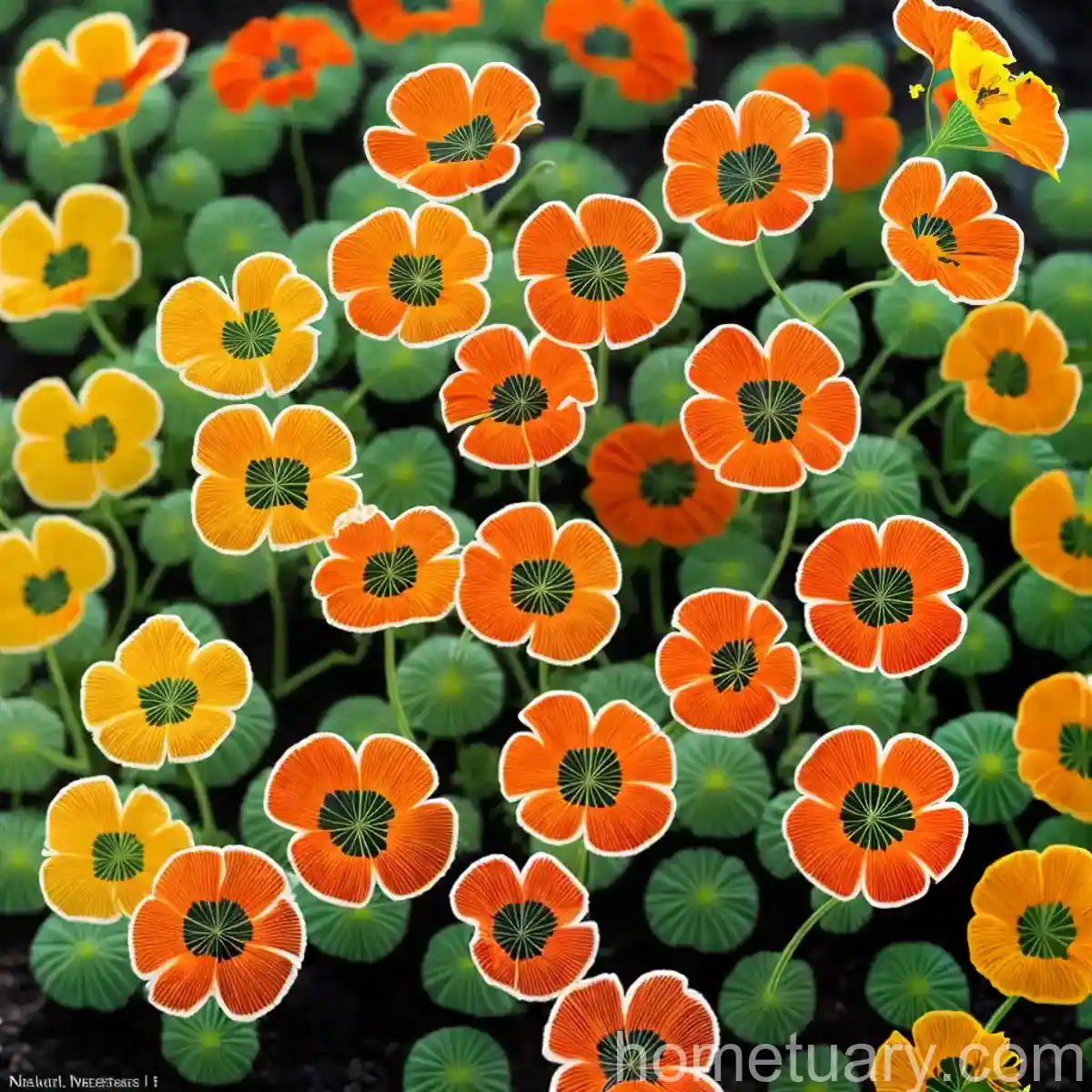
Vibrant Colors: The ‘Milkmaid’ variety of Nasturtium offers a delightful display of soft, creamy yellow and white flowers that can instantly brighten up any garden.
-
Unique Flower Shape: The flowers of Tropaeolum majus ‘Milkmaid’ have a distinctive spur shape that adds a touch of eccentricity to the plant, making it a fascinating addition to garden spaces.
-
Versatility: This plant is highly versatile, suitable for a range of garden styles including container gardening, as a ground cover, or as a trailing vine.
-
Trailing Vine: The ‘Milkmaid’ variety has a trailing or climbing growth habit, making it an ideal choice for cascading over containers, walls, or edges of raised garden beds.
-
Abundant Blooms: Tropaeolum majus ‘Milkmaid’ is known for its prolific flowering, adding a burst of color and life to any landscape.
Nasturtium ‘Milkmaid’ Plant Profile
Let’s take an in-depth look at the profile of Nasturtium ‘Milkmaid’:
Scientific Classification
- Kingdom: Plantae
- Order: Brassicales
- Family: Tropaeolaceae
- Genus: Tropaeolum
- Species: Tropaeolum majus
Plant Type
Tropaeolum majus ‘Milkmaid’ is an annual plant, meaning it completes its life cycle within one growing season.
Flowering Season
The plant typically blooms in the summer and fall, adding a beautiful pop of color to the outdoor environment.
Growth Habit
As mentioned earlier, ‘Milkmaid’ is a trailing vine with a cascading growth habit, allowing it to elegantly spill over the sides of containers or garden beds.
Sun or Shade Tolerance
Nasturtium ‘Milkmaid’ thrives in full sun to partial shade, making it adaptable to various light conditions.
Water Requirements
It has moderate water needs and can tolerate short periods of drought once established.
Soil Type
The plant prefers well-draining, moderately fertile soil to support healthy growth and blooming.
Uses and benefits
Apart from its ornamental value, Nasturtium ‘Milkmaid’ offers several other benefits:
– Edible Flowers: The flowers are edible and are often used to add a pop of color and peppery flavor to salads and other culinary creations.
– Pollinator-Friendly: The plant attracts pollinators such as bees and hummingbirds, contributing to the overall health and biodiversity of the garden.
Tropaeolum majus ‘Milkmaid’ Cultivation Tips
Cultivating Tropaeolum majus ‘Milkmaid’ can be a rewarding experience, and here are some essential tips to consider for successful growth:
Water
- Watering Frequency: Keep the soil consistently moist but not waterlogged, especially during the plant’s active growth phase.
- Watering Method: It is best to water the plant at the soil level to avoid wetting the foliage, which can reduce the risk of diseases.
Sunlight
- Light Requirements: Provide the plant with full sun to partial shade. Aim for at least 6 hours of direct sunlight for optimal growth and flowering. In regions with hot summers, some afternoon shade might be beneficial to prevent scorching.
Fertilizer
- Fertilization Schedule: Use a balanced, all-purpose fertilizer once a month during the growing season to promote healthy foliage and abundant blooms.
- Application Method: Apply fertilizers according to the manufacturer’s instructions and water the plant after application to distribute the nutrients evenly.
Soil
- Soil Type: Nasturtium ‘Milkmaid’ thrives in well-draining soil with moderate fertility. Sandy loam or loamy soil with a slightly acidic to neutral pH is ideal for its cultivation.
- Soil Amendment: Incorporating organic matter such as compost into the soil during planting can enhance its structure and fertility.
Pruning
- Deadheading: Remove spent flowers regularly to encourage continuous blooming and to prevent the plant from setting seeds too early, thereby prolonging the flowering period.
- Trimming: Lightly trim any overgrown or straggly stems to maintain a tidy and compact appearance.
Nasturtium ‘Milkmaid’ Care Guide
To ensure the best care for Nasturtium ‘Milkmaid’ and to enjoy its full potential, consider the following aspects:
Propagation
- Seed Sowing: The plant can be easily grown from seeds directly sown into the garden soil after the last frost date.
- Seed Treatment: It is advisable to soak the seeds in water for a few hours before planting to help with germination.
- Spacing: When planting seeds or seedlings, provide adequate spacing to allow for the spread of the trailing vines.
Container
- Container Size: When growing in containers, choose medium to large-sized pots with good drainage to accommodate the plant’s trailing growth habit.
- Potting Mix: Use a well-draining potting mix rich in organic matter to provide the necessary nutrients and support healthy root development.
Popularity
Nasturtium ‘Milkmaid’ has gained popularity for several reasons, including:
- Aesthetic Appeal: The plant’s striking flowers and trailing habit make it a popular choice for adding visual interest to gardens, balconies, and patios.
- Ease of Cultivation: Its low-maintenance nature and adaptability to various growing conditions make it appealing to both novice and experienced gardeners.
Common Diseases
Like any other plant, Nasturtium ‘Milkmaid’ is susceptible to certain diseases. Understanding these diseases and their diagnosis is crucial for effective management:
Disease Diagnosis
- Powdery Mildew: This fungal disease appears as powdery white patches on the leaves, often caused by poor air circulation and high humidity. To prevent powdery mildew, ensure good air movement around the plant and avoid overhead watering.
- Gray Mold (Botrytis Blight): This disease manifests as gray, fuzzy mold on the plant’s foliage and flowers, especially in damp conditions. Proper air circulation and reducing humidity can help prevent this disease.
Nasturtium ‘Milkmaid’ Companion Planting
Companion planting with Nasturtium ‘Milkmaid’ offers various benefits such as pest control, enhanced pollination, and overall garden harmony. Here are some compatible plants for companion planting with Nasturtium:
- Tomatoes: The strong scent of Nasturtium can help repel certain pests that commonly affect tomatoes, making them excellent companions in the garden.
- Cabbage Family (Brassicas): Nasturtium can deter pests that typically target cabbage, broccoli, and other brassicas, thus serving as a natural pest control measure.
- Herbs: Planting Nasturtium alongside herbs such as rosemary, mint, and chamomile can attract beneficial insects and contribute to a well-balanced garden ecosystem.
Botanist’s Tips
Understanding the plant’s requirements and behavior is essential for successful cultivation. Here are some expert tips for growing Nasturtium ‘Milkmaid’:
- Regular Monitoring: Keep a close eye on the plant for signs of pests, diseases, and nutrient deficiencies to address any issues promptly.
- Support for Climbing Vines: If growing Nasturtium ‘Milkmaid’ with a climbing growth habit, provide suitable support such as trellises or stakes to guide the vines vertically.
Fun Facts
Nasturtium ‘Milkmaid’ is not only a beautiful addition to gardens but also holds some intriguing facts:
- Edible Delight: The flowers and leaves of Nasturtium are not only visually appealing but also edible, adding a zesty, peppery flavor to salads, sandwiches, and other culinary creations.
- Natural Pest Repellent: The strong aroma of Nasturtium can act as a natural repellent for certain pests, making it a beneficial addition to organic and integrated pest management strategies in the garden.
Links to External Resources
For further information on Tropaeolum majus ‘Milkmaid’ and Nasturtium cultivation, consider exploring the following external resources:
- Royal Horticultural Society (RHS) – Tropaeolum majus
- Missouri Botanical Garden – Nasturtium Plant Care
- University of Florida IFAS Extension – Growing Nasturtiums
In conclusion, Tropaeolum majus ‘Milkmaid’ (Nasturtium) stands out as a versatile and visually striking plant that can be cherished for its ornamental beauty, edible flowers, and beneficial garden contributions. By understanding its cultivation tips, care requirements, and unique characteristics, gardeners can fully appreciate the charm and value that Nasturtium ‘Milkmaid’ brings to outdoor spaces. Whether cascading from containers, enhancing companion plantings, or adding vibrant color to garden beds, this captivating plant has a well-deserved place in gardens and landscapes.
This comprehensive guide covers various aspects of Tropaeolum majus ‘Milkmaid’ (Nasturtium), ranging from its characteristics and cultivation tips to companion planting and external resources. The information provided aims to offer valuable insights to plant enthusiasts and gardeners seeking to enhance their knowledge and appreciation of this remarkable plant.