Tropaeolum Majus ‘Vesuvius’ (Nasturtium)
Tropaeolum majus, commonly known as Nasturtium, is a vibrant and versatile flowering plant that is popular among both novice and experienced gardeners..
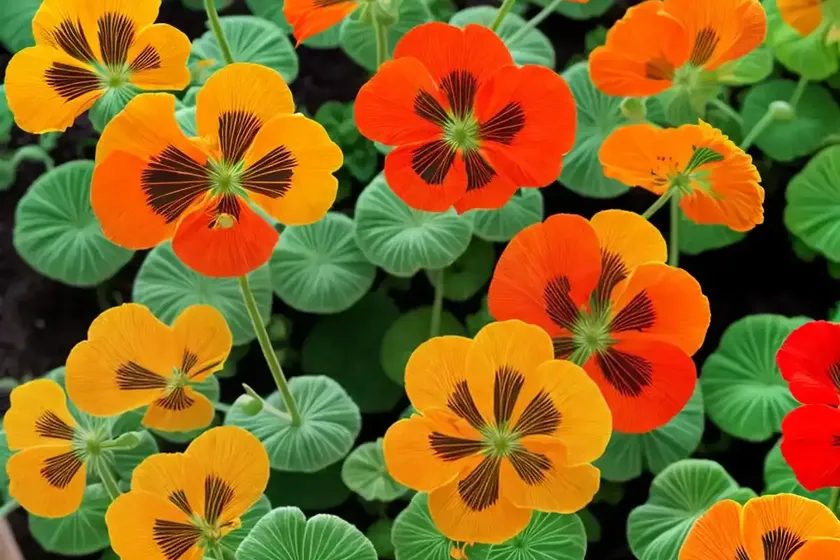
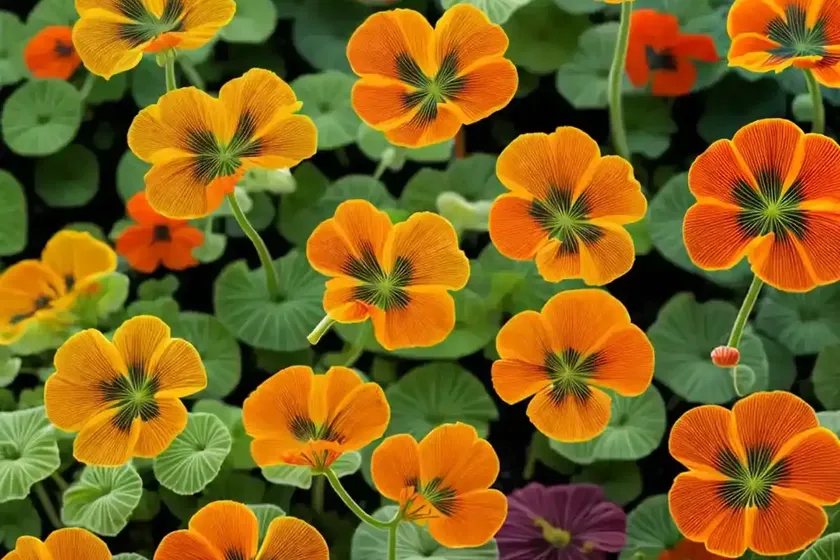
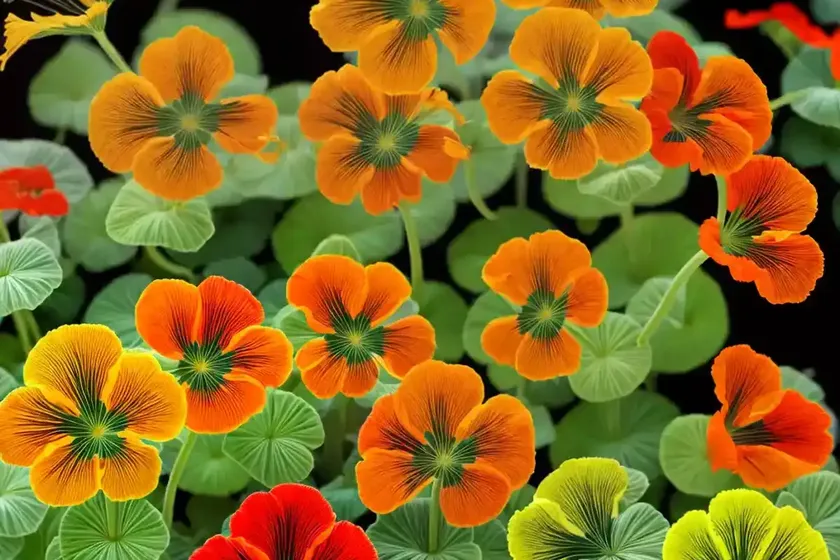
Tropaeolum majus, commonly known as Nasturtium, is a vibrant and versatile flowering plant that is popular among both novice and experienced gardeners. Among its numerous cultivars, Tropaeolum majus ‘Vesuvius’ stands out for its stunning foliage and unique flower color. In this comprehensive guide, we will delve into the culture, uses, care, and propagation of Tropaeolum majus ‘Vesuvius’ to help you unleash the full potential of this beautiful plant in your garden.
What is Tropaeolum majus ‘Vesuvius’?
Tropaeolum majus ‘Vesuvius’ is a cultivar of the Tropaeolum majus species, which belongs to the Tropaeolaceae family. Renowned for its trailing habit and striking, jewel-toned flowers, ‘Vesuvius’ is a popular choice for adding vibrant splashes of color to gardens, containers, and landscapes.
Key Takeaways – Tropaeolum majus ‘Vesuvius’
Before delving into the nuanced aspects of caring for Tropaeolum majus ‘Vesuvius’, let’s explore some essential key takeaways about this remarkable plant:
- Botanical Name: Tropaeolum majus ‘Vesuvius’
- Common Name: Nasturtium
- Variety: ‘Vesuvius’
- Characteristic Features: Trailing habit, unique flower color, and attractive foliage
- Cultural Uses: Edible flowers, ornamental ground cover, and companion planting for pest control
- Growth Requirements: Well-drained soil, moderate water, full to partial sunlight
- Propagation Method: From seeds
Now that we have an overview of Tropaeolum majus ‘Vesuvius’, let’s dive deeper into its culture, uses, care, and propagation techniques.
Culture
Cultivating Tropaeolum majus ‘Vesuvius’ successfully entails understanding its specific cultural requirements. While this cultivar is relatively adaptable, providing the ideal growing conditions can optimize its vigor and overall visual appeal.
Water
- Watering Requirements: Tropaeolum majus ‘Vesuvius’ thrives in moderately moist soil. It is crucial to strike a balance, as excessive water can lead to root rot, while prolonged drought can adversely affect the plant’s health.
- Watering Frequency: Water the plant when the soil is dry to the touch, aiming for consistent moisture without waterlogging the roots.
- Irrigation Methods: Depending on your garden setup, hand watering, drip irrigation, or soaker hoses can be effective ways to ensure proper hydration for ‘Vesuvius’.
Sunlight
- Sun Exposure: Tropaeolum majus ‘Vesuvius’ flourishes in full to partial sunlight. In regions with scorching summers, providing partial shade during the hottest part of the day can prevent sunburn and wilting.
Fertilizer
- Nutrient Needs: ‘Vesuvius’ is not excessively demanding in terms of fertilizer. A balanced, all-purpose fertilizer applied during the growing season can sustain healthy growth and abundant flowering.
- Application Frequency: Apply fertilizer every 4-6 weeks during the growing season, following the manufacturer’s guidelines for dilution and application rates.
Soil
- Soil Type: Well-draining, loamy soil is ideal for Tropaeolum majus ‘Vesuvius’. It is adaptive to various soil types but performs best in soils with good drainage.
- Soil Amendment: Incorporating organic matter such as compost or aged manure during planting or as a top dressing can enhance soil fertility and structure.
Pruning
Pruning is an essential aspect of maintaining the health and aesthetics of Tropaeolum majus ‘Vesuvius’. While ‘Vesuvius’ possesses a naturally cascading growth habit, strategic pruning can shape the plant and encourage prolific flowering.
- Deadheading: Regularly removing spent flowers can promote continuous blooming and prevent the plant from channeling energy into seed production.
- Trimming: Trimming back leggy or unruly growth can retain the plant’s compactness and encourage lateral branching, resulting in a fuller, more vibrant display.
Propagation
Propagating Tropaeolum majus ‘Vesuvius’ allows you to multiply your plant stock and share its beauty with others. Seed propagation is the most common and feasible method for ‘Vesuvius’.
- Seed Collection: Harvest mature, dry seeds from the plant when the seed pods turn brown and begin to rattle. Store the seeds in a cool, dry place until you are ready to sow them.
- Sowing: Plant the seeds directly into the garden soil or containers after the last frost date has passed. Sow the seeds at a depth of approximately 1 inch and maintain consistent moisture for successful germination.
- Transplanting: Once the seedlings have developed a few sets of true leaves, they can be carefully transplanted into their designated growing spaces.
Container Popularity
Tropaeolum majus ‘Vesuvius’ is a beloved choice for container gardening due to its trailing nature and colorful blossoms. Its adaptability to various container sizes and easy maintenance make it an excellent option for adorning balconies, patios, and other compact spaces with floral elegance.
Common Diseases and Pest Management
Keeping Tropaeolum majus ‘Vesuvius’ free from diseases and pests is crucial for ensuring its longevity and ornamental value. Here are some of the common issues you may encounter and the corresponding management strategies:
Common Diseases
- Powdery Mildew: This fungal disease presents as a powdery, white coating on the plant’s foliage. Improve air circulation and consider applying a fungicidal spray approved for ornamental plants.
- Leaf Spot: Circular lesions on the leaves indicate the presence of bacterial or fungal leaf spot. Remove affected foliage and avoid overhead watering to prevent the spread of the disease.
- Damping Off: Seedlings may fall victim to damping off, a condition caused by soil-borne pathogens. Employ sterile seed starting mix and ensure proper ventilation to mitigate this issue.
Common Pests
- Aphids: These small, sap-sucking insects can distort the plant’s growth and transmit diseases. Regularly inspect the plant for aphid colonies and utilize insecticidal soap or horticultural oil for control.
- Whiteflies: Whiteflies pose a similar threat by feeding on the plant’s sap and excreting sticky honeydew. Deploy reflective mulches or yellow sticky traps to intercept and manage whitefly populations.
Botanist’s Tips
Embracing Tropaeolum majus ‘Vesuvius’ in your garden can be further enriched with the following tips:
- Integrate ‘Vesuvius’ in companion planting schemes to naturally repel certain pests and attract beneficial insects.
- Harvest the edible flowers to elevate culinary creations with a pop of color and a subtle, peppery flavor.
- Encourage children to engage with nature by involving them in the sowing and care of ‘Vesuvius’ in a dedicated children’s garden.
Fun Facts
Delight in these captivating facts about Tropaeolum majus ‘Vesuvius’:
- The name “Nasturtium” is derived from the Latin word “nasus tortus,” meaning “twisted nose,” which alludes to the pungent scent and flavor of the plant’s foliage and flowers.
- ‘Vesuvius’ exhibits a trailing habit, making it an enchanting choice for hanging baskets, elevated planters, and cascading garden designs.
Links to External Resources
To further enrich your knowledge and appreciation of Tropaeolum majus ‘Vesuvius’, explore the following external resources:
- Royal Horticultural Society – Tropaeolum majus cultivation guide
- University of California Agriculture and Natural Resources – Nasturtiums in the Garden
- North Carolina State University Extension – Nasturtium Diseases
In conclusion, Tropaeolum majus ‘Vesuvius’ embodies a captivating blend of ornamental allure, culinary potential, and ecological significance. By embracing the culture, care, and propagation of this exceptional plant, you can unlock its full potential in your garden and beyond. Whether adorning a hanging basket or acting as a natural pest repellent, ‘Vesuvius’ stands as a testament to the rich tapestry of benefits that plants offer to humanity and the environment.
So, why not introduce the enchanting Tropaeolum majus ‘Vesuvius’ to your garden and experience the myriad wonders it brings forth?
Plant parent responsibly, and may your garden bloom with the vibrant hues of ‘Vesuvius’!
This blog post is intended for informational purposes only and does not constitute professional horticultural advice. Always consult with a local extension office or certified horticulturist for plant-specific guidance in your region.


