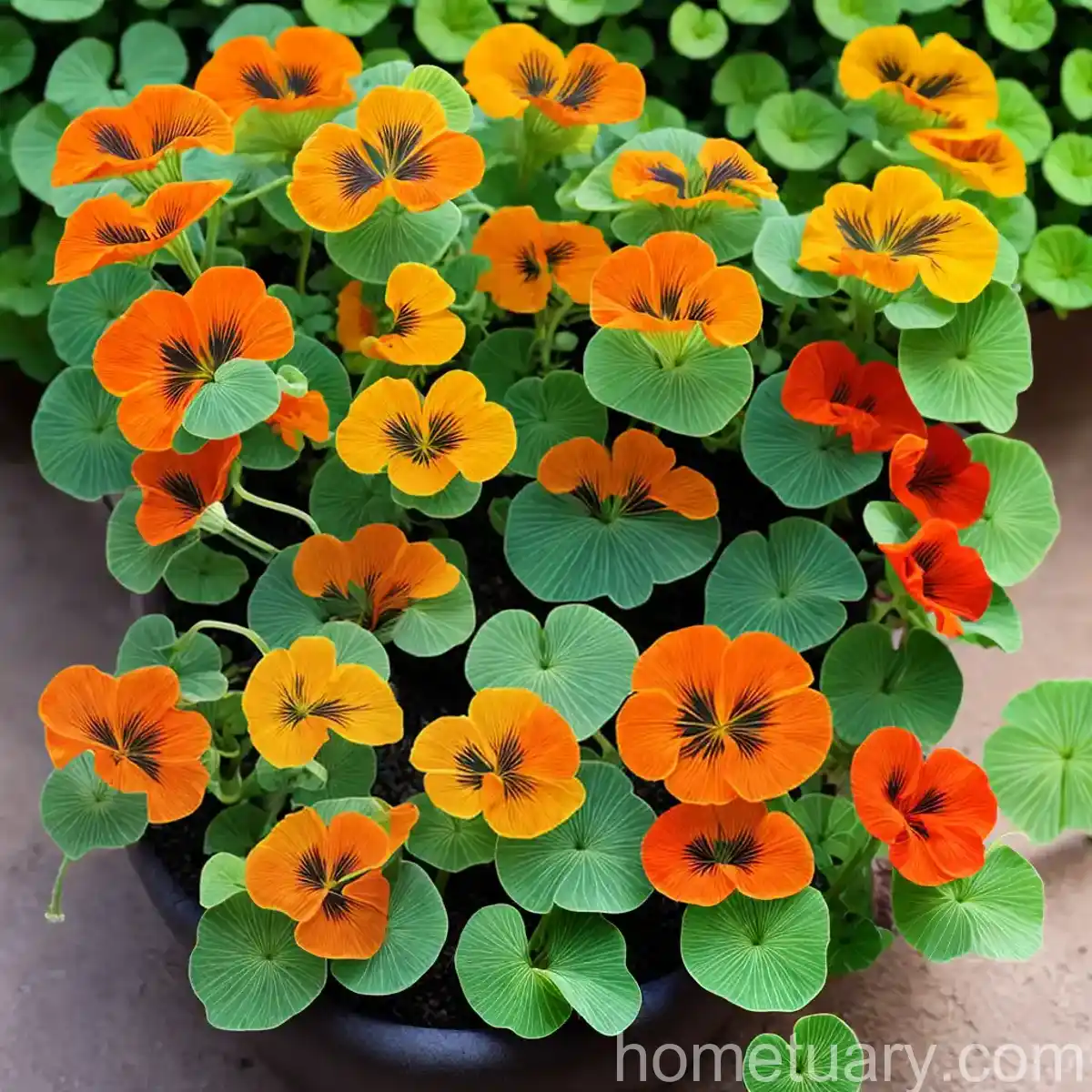
Tropaeolum majus (Nasturtium) – A Comprehensive Guide
Tropaeolum majus, commonly known as nasturtium, is an exquisite flowering and edible plant that holds an essential place in gardens and homes across the world. Its vibrant and peppery blooms, coupled with its versatility, make it a favorite of both novice and experienced gardeners. In this comprehensive guide, we will delve into the cultivation, care, and uses of Tropaeolum majus – exploring its benefits, characteristics, propagation methods, and potential challenges.
What is Tropaeolum majus (Nasturtium)?
Tropaeolum majus, belonging to the Tropaeolaceae family, is a sprawling, annual, or short-lived perennial plant native to the Andes. The plant’s genus name, Tropaeolum, is derived from the Latin word “tropaion,” showcasing the victorious connotation of the plant’s resemblance to a trophy.
This hardy plant is renowned for its circular, distinctive leaves and vivid, trumpet-shaped flowers that bloom in an array of warm hues, including red, orange, and yellow. Nasturtium’s blossoms, which typically appear in spring and continue through fall, are not only visually stunning but also edible, adding a touch of peppery flavor to salads and culinary creations.
Key Takeaways – Tropaeolum majus (Nasturtium)
Before we delve into the details of cultivating and caring for Tropaeolum majus, let’s explore the key takeaways of this remarkable plant:
- Botanical Name: Tropaeolum majus
- Common Name: Nasturtium
- Plant Type: Annual or short-lived perennial
- Sunlight Requirements: Full sun to partial shade
- Watering Needs: Moderate
- Soil Type: Well-draining, moderately fertile soil
- Special Features: Edible, ornamental, attracts pollinators
- Color Range: Red, orange, yellow
- Height: 6 to 12 inches (15 to 30 cm), depending on the variety
- Planting Season: Spring
Now, let’s delve into the intricate care requirements and fascinating uses of Tropaeolum majus.
Culture
Uses
The versatile Tropaeolum majus offers a host of practical and aesthetic uses, including:
-
Edible Delights: The plant’s vibrant flowers, leaves, and seeds are edible and renowned for their peppery, slightly spicy flavor, making them ideal for garnishing, infusing into vinegars, or adding a unique touch to salads and savory dishes. Additionally, the flowers can be used to embellish cakes or as eye-catching elements in cocktails.
-
Ornamental Beauty: Nasturtium’s striking blossoms and lush foliage make it an exceptional ornamental plant for gardens, balconies, and containers, adding bursts of warm, cheerful color to any setting.
-
Companion Planting: Tropaeolum majus serves as an excellent companion plant, effectively repelling certain pests like aphids, whiteflies, and squash bugs, while attracting beneficial insects such as bees and butterflies.
-
Medicinal Properties: Rich in vitamin C and possessing antimicrobial properties, nasturtium leaves and flowers have been used in traditional medicine to alleviate coughs, colds, and minor respiratory infections.
Water
Tropaeolum majus thrives in moderately moist conditions but is relatively drought-tolerant once established. When it comes to watering:
- Seedlings: Ensure consistent moisture for young seedlings to encourage robust growth.
- Established Plants: Once established, water the plants when the soil begins to dry out, approximately every 7 to 10 days, depending on the climate and soil conditions.
Sunlight
Nasturtium exhibits a preference for full sun. However, it can tolerate partial shade, particularly in regions with intense summer heat. When selecting a planting location, consider the following:
- Full Sun: Optimal for abundant flowering and overall plant vitality.
- Partial Shade: Suitable in hot climates, providing protection from the harsh midday sun.
Fertilizer
Tropaeolum majus thrives in moderately fertile soil and typically does not require heavy fertilization. However, applying a balanced, all-purpose fertilizer sparingly can enhance blooming and overall plant vigor.
To fertilize nasturtium effectively:
- Timing: Apply a balanced fertilizer once at the beginning of the growing season, following the manufacturer’s instructions for proper dosage and application method.
- Moderation: Avoid excessive fertilization, as it can lead to excessive foliage growth at the expense of flowering.
Soil
Choosing the right soil type is crucial for the successful cultivation of Tropaeolum majus. Opt for well-draining, moderately fertile soil with a slightly acidic to neutral pH level (6.0 to 7.0). When planting or potting nasturtium:
- Soil Composition: Use a lightweight, well-draining potting mix or garden soil enriched with organic matter like compost.
- Drainage: Ensure the soil has good drainage to prevent waterlogged conditions, which can lead to root rot and other issues.
Pruning
Pruning Tropaeolum majus is a straightforward process that can benefit the plant’s overall health and appearance:
- Deadheading: Regularly remove spent flowers to encourage continuous blooming and prevent the formation of seeds, promoting the plant’s energy allocation towards producing new blooms.
- Trimming: Prune back excessively leggy or straggly growth to maintain a neat, compact appearance, if desired.
Propagation
Tropaeolum majus can be easily propagated through seed sowing or by taking stem cuttings. Here’s an overview of the two primary propagation methods:
-
Seed Propagation: Sow seeds directly in the garden or in containers after the last frost date, covering them lightly with soil. Keep the soil consistently moist until germination occurs, typically within 7 to 14 days.
-
Stem Cutting: Take 4 to 6-inch (10 to 15 cm) stem cuttings from healthy, non-flowering shoots. Remove the lower leaves, dip the cut end in rooting hormone (optional), and plant the cuttings in a well-draining rooting medium. Keep the cuttings consistently moist until roots develop, usually within 2 to 3 weeks.
Container Popularity
Tropaeolum majus is well-suited for container gardening, making it an ideal choice for small spaces, balconies, and patios. Its trailing or climbing growth habit, coupled with its adaptability to various container sizes, makes it a popular choice for container gardens.
When selecting a container for nasturtium:
- Size: Opt for a container that provides ample space for root development, typically with a diameter of at least 12 inches (30 cm) for a single plant.
- Drainage: Ensure the container has adequate drainage holes to prevent waterlogging and subsequent root rot.
Common Diseases
Despite its hardy nature, Tropaeolum majus can be susceptible to certain diseases and issues. Some common nasturtium ailments include:
-
Powdery Mildew: This fungal disease manifests as a powdery, white substance on the leaves and flowers, often caused by excessive humidity or inadequate air circulation.
-
Leaf Spot: Characterized by the appearance of dark spots or lesions on the leaves, leaf spot diseases can be caused by various pathogens and environmental stress factors.
-
Root Rot: Excessive soil moisture or poor drainage can lead to root rot, resulting in wilting, yellowing foliage, and a decline in overall plant health.
Disease Diagnosis
Recognizing and diagnosing diseases early is essential for effectively managing and treating them. Keep an eye out for the following symptoms when monitoring Tropaeolum majus:
- Powdery Mildew: White, powdery spots on the leaves and flowers, often accompanied by leaf distortion and stunted growth.
- Leaf Spot: Circular, dark spots or lesions on the leaves, potentially surrounded by a yellow halo, and an overall decline in plant vigor.
- Root Rot: Wilting, yellowing foliage, and a foul odor emanating from the soil are indicative of root rot.
Common Pests
Tropaeolum majus is relatively resistant to pests, but it can occasionally fall victim to certain insects and critters. Common nasturtium pests include:
-
Aphids: These small, sap-sucking insects can gather on the undersides of leaves, causing leaf distortion and the formation of sticky honeydew.
-
Whiteflies: Whiteflies are tiny, moth-like insects that can congregate on the undersides of leaves, leading to leaf yellowing and a decline in plant health.
-
Slugs and Snails: These mollusks can feed on nasturtium foliage and flowers, leaving behind irregular holes and damage.
Botanist’s Tips
To ensure the successful cultivation and maintenance of Tropaeolum majus, consider the following expert tips:
-
– Ensure Adequate Air Circulation: Proper air circulation can help mitigate the risk of fungal diseases like powdery mildew and leaf spot. Avoid crowding plants and ensure they have ample space to thrive.
-
– Support Climbing Varieties: If growing climbing varieties of nasturtium, provide trellises or supports for the plants to sprawl and climb, enhancing their ornamental appeal.
-
– Harvest Flowers and Leaves Regularly: Regular harvesting of flowers and leaves not only encourages continued blooming but also prevents the plant from setting seed, potentially leading to self-sowing.
Fun Facts
As we explore the captivating world of Tropaeolum majus, let’s uncover some intriguing and delightful facts about this remarkable plant:
-
Historical Connections: During the Victorian era, nasturtiums were cherished as a symbol of patriotism and victory, often displayed prominently in gardens and decorative arrangements.
-
Edible Blooms: Nasturtium flowers are not only visually striking but also widely appreciated for their delicate, slightly peppery flavor, adding a unique touch to culinary creations.
-
Attracts Beneficial Insects: Nasturtium’s nectar-rich blooms attract pollinators like bees and butterflies, bolstering the ecological balance in gardens and outdoor spaces.
-
Companion Plant Extraordinaire: Nasturtium’s ability to repel pests and attract beneficial insects makes it a valuable companion plant for various vegetables and herbs.
-
Medicinal Traditions: In traditional herbal medicine, nasturtium leaves and flowers have been used to alleviate respiratory ailments and enhance overall well-being.
With its ornamental allure and multifaceted utility, Tropaeolum majus stands as a treasured addition to diverse horticultural settings.
Links to External Resources
Curious to learn more about Tropaeolum majus? Explore these insightful resources for additional knowledge and inspiration:
- Tropaeolum majus – A Complete Growing Guide
- Nasturtium: Growing, Caring For And Using The Plants
- The Joy of Nasturtiums: Easy Ways to Grow and Use the Whole Plant
- Gardening 101: Nasturtiums
As you embark on your journey with Tropaeolum majus, may these resources enrich your understanding and appreciation for this exceptional plant.
In conclusion, Tropaeolum majus (Nasturtium) embodies a harmonious blend of ornamental beauty and practical utility, making it an indispensable addition to gardens, landscapes, and culinary pursuits. With its vibrant blossoms, delectable edible features, and myriad uses, this remarkable plant continues to captivate and inspire gardeners and plant enthusiasts worldwide. As you cultivate and care for Tropaeolum majus, may its allure and versatility bring a touch of elegance and flavor to your horticultural endeavors.