Tropaeolum Majus ‘Peach Melba’ (Nasturtium)
Gardening is a delightful and rewarding hobby that offers a plethora of options when it comes to selecting plants to cultivate. Tropaeolum majus ‘Peach.
Introduction
Gardening is a delightful and rewarding hobby that offers a plethora of options when it comes to selecting plants to cultivate. Tropaeolum majus ‘Peach Melba’ (Nasturtium) is a vibrant and versatile flowering plant that can serve as an excellent addition to any garden. In this comprehensive guide, we will delve into the characteristics, cultivation, and various uses of Tropaeolum majus ‘Peach Melba’, offering valuable insights for both novice and experienced gardeners.
What is Tropaeolum majus ‘Peach Melba’?
Also known as Nasturtium, Tropaeolum majus ‘Peach Melba’ is a species of annual flowering plant belonging to the Tropaeolaceae family. Tropaeolum majus ‘Peach Melba’ is cherished for its vivid, trumpet-shaped flowers and round, lush leaves. The plant is native to South America, particularly the Andes region, and has gained international popularity for its decorative appeal and versatile uses.
Tropaeolum majus ‘Peach Melba’ Characteristics
Tropaeolum majus ‘Peach Melba’ is characterized by the following features:
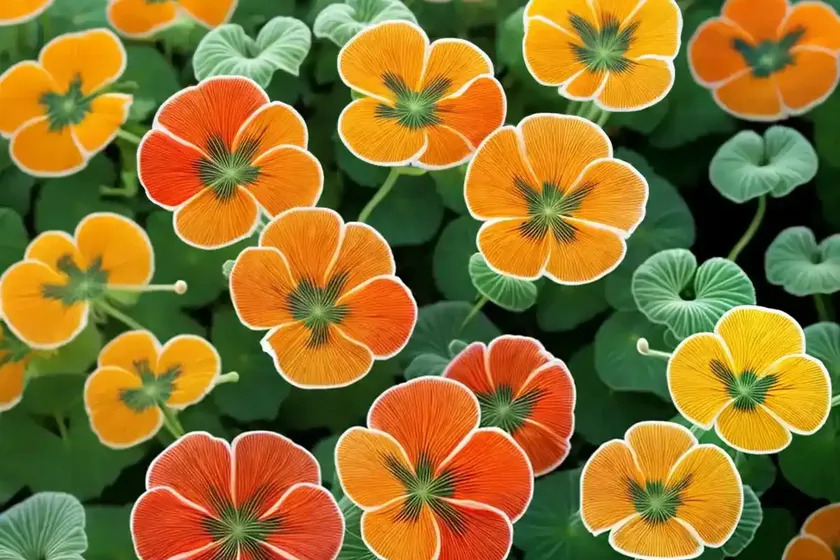
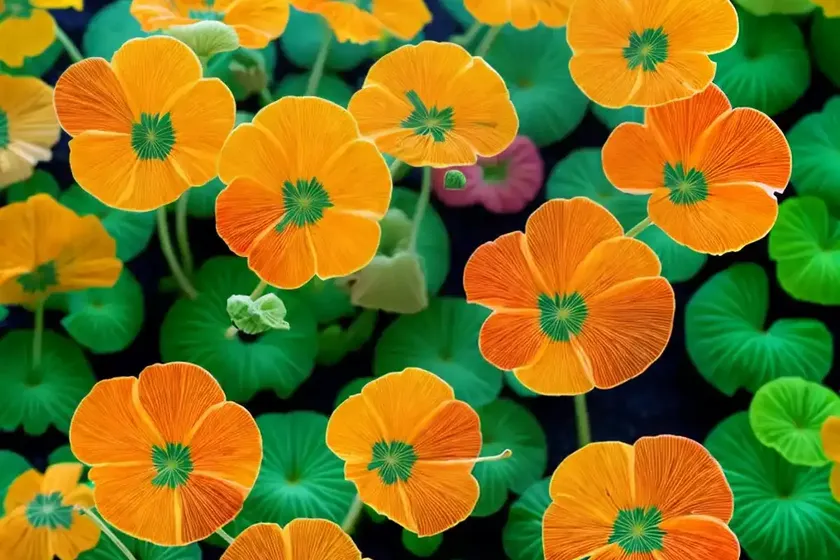
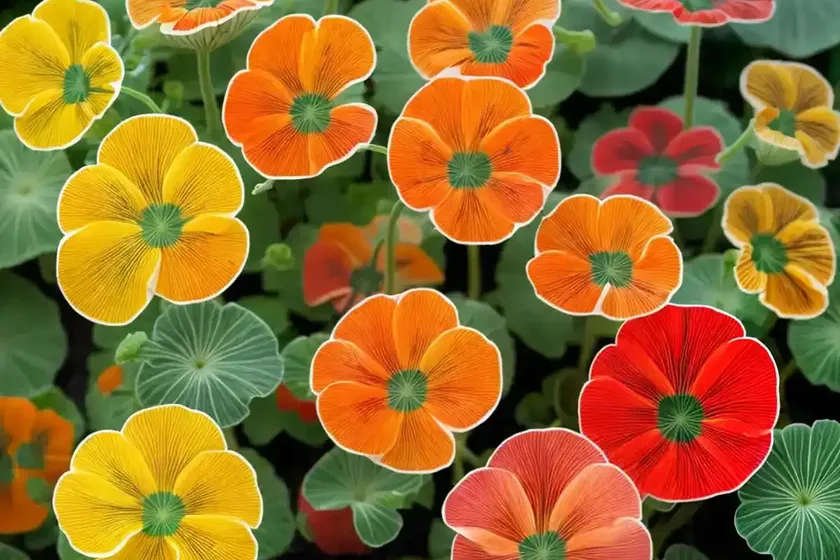
– Vibrant blooms in shades of peach and cream, adding a splash of color to gardens and landscapes
– Round, shield-shaped leaves that provide a lush backdrop to the striking flowers
– Ability to spread and trail, making it an excellent choice for hanging baskets, containers, and ground cover
– Edible flowers and leaves, offering culinary applications and medicinal properties
– Easy to grow, making it an ideal choice for both beginner and seasoned gardeners
Growing Tropaeolum majus ‘Peach Melba’
Culture
Tropaeolum majus ‘Peach Melba’ thrives in a culture that emphasizes well-draining soil, ample sunlight, and regular watering. By understanding the specific requirements of this plant, gardeners can ensure its successful growth and abundant blooms.
Water
Tropaeolum majus ‘Peach Melba’ appreciates consistent moisture, especially during the initial stages of growth. However, it is important to avoid over-watering, as excessive moisture can lead to root rot and other complications. Watering the plant when the top inch of soil feels dry to the touch is generally sufficient.
Sunlight
Adequate sunlight is essential for the healthy development of Tropaeolum majus ‘Peach Melba’. This plant thrives in full sun to partial shade, with at least 6 hours of direct sunlight per day being optimal for robust growth and prolific flowering.
Fertilizer
While Tropaeolum majus ‘Peach Melba’ is not particularly demanding when it comes to fertilizer, a balanced, all-purpose fertilizer can be applied sparingly to enhance its growth and blooming. It is advisable to fertilize the plant once a month during the growing season, ensuring that the soil is adequately nourished.
Soil
Tropaeolum majus ‘Peach Melba’ thrives in well-draining soil that is rich in organic matter. A slightly acidic to neutral pH is preferred, and the addition of compost or organic mulch can contribute to the overall health of the plant.
Pruning
Pruning Tropaeolum majus ‘Peach Melba’ is generally minimal, consisting of the removal of spent flowers to encourage continuous blooming. Additionally, the removal of any damaged or diseased foliage can help maintain the plant’s vigor and visual appeal.
Propagation
Tropaeolum majus ‘Peach Melba’ can be propagated through seeds, cuttings, or division. The plant readily self-seeds, and collected seeds can be sown directly into the garden or containers. For propagation through cuttings, selecting healthy, non-flowering shoots and placing them in a well-draining potting mix can yield successful results. Division is another viable method, particularly for established plants that can be carefully divided into smaller sections for new growth.
Container Popularity
Due to its trailing and compact growth habit, Tropaeolum majus ‘Peach Melba’ is well-suited for container gardening. The plant adds a vibrant touch to hanging baskets, window boxes, and patio containers, making it a popular choice for gardeners with limited space or those seeking to adorn their outdoor areas with colorful displays.
Container Common Diseases
Tropaeolum majus ‘Peach Melba’ is generally resistant to most diseases. However, in certain conditions, it may be susceptible to fungal infections such as powdery mildew and downy mildew. These issues can often be mitigated by ensuring proper air circulation, avoiding overhead watering, and promptly addressing any signs of disease.
Disease Diagnosis
The diagnosis of diseases in Tropaeolum majus ‘Peach Melba’ can be based on visual cues such as powdery white or gray patches on the leaves or a downy, mold-like growth. Additionally, the presence of distorted or discolored foliage can indicate potential disease issues. Consulting with a local horticulturist or plant health expert can provide valuable insights into accurate disease diagnosis and targeted treatment.
Common Pests
Tropaeolum majus ‘Peach Melba’ is relatively resistant to pest infestations, but occasional encounters with aphids, caterpillars, and whiteflies may occur. These pests can typically be managed through natural methods such as hand-picking, insecticidal soaps, or neem oil sprays, ensuring minimal impact on the overall health of the plant.
Botanist’s Tips
- To protect Tropaeolum majus ‘Peach Melba’ from pests, interplanting with companion plants such as marigolds, basil, or petunias can serve as a natural deterrent.
- Regular deadheading of spent flowers can promote continuous blooming and maintain the aesthetic appeal of the plant.
- Avoid excessive nitrogen-rich fertilizers, as they can lead to rampant foliage growth at the expense of abundant flowering.
Fun Facts
- Tropaeolum majus ‘Peach Melba’ is a versatile plant, with its flowers and leaves being edible. The peppery, slightly tangy flavor adds a unique touch to salads, soups, and various culinary creations.
- The vibrant flowers of Tropaeolum majus ‘Peach Melba’ are not only aesthetically pleasing but also attract pollinators such as bees and butterflies, contributing to the biodiversity of the garden.
Nasturtium ‘Peach Melba’ Uses
Best Uses for Nasturtium ‘Peach Melba’
Tropaeolum majus ‘Peach Melba’ can be utilized in various ways, including:
– Ornamental purposes, as the plant’s colorful blooms and trailing nature make it an attractive addition to gardens, borders, and containers
– Culinary applications, with the edible flowers and leaves adding a distinctive flavor and visual appeal to salads, dishes, and beverages
– Companion planting, as the plant exhibits natural pest-repellent properties and can be strategically placed alongside vegetables and herbs to deter harmful insects
How to Propagate Tropaeolum majus ‘Peach Melba’
Propagation of Tropaeolum majus ‘Peach Melba’ can be accomplished through the following methods:
– Seed sowing, which entails collecting mature seeds and directly planting them in prepared soil, ensuring adequate moisture for successful germination
– Cutting propagation, involving the selection of healthy, non-flowering shoots and their placement in a suitable rooting medium to encourage the development of new roots
– Division of established plants, which allows for the creation of new Tropaeolum majus ‘Peach Melba’ specimens from existing, well-established ones
Nasturtium ‘Peach Melba’ Planting Guide
When planting Tropaeolum majus ‘Peach Melba’, consider the following guidelines:
– Choose a well-draining and fertile location that receives ample sunlight, providing an optimal environment for the plant’s growth and blooming
– Space the plants appropriately, allowing for their trailing nature to spread and create a visually appealing display in the garden or containers
– Ensure consistent watering during the establishment phase, gradually transitioning to a regular watering schedule as the plant develops and acclimates to its surroundings
Tropaeolum majus ‘Peach Melba’ Cultivation
Cultivating Tropaeolum majus ‘Peach Melba’ involves emphasizing the plant’s requirements for sunlight, moisture, and soil quality, fostering its robust growth and the proliferation of colorful blooms. Regular observation and care can contribute to the successful cultivation of this vibrant species.
Nasturtium ‘Peach Melba’ Maintenance
Maintaining Tropaeolum majus ‘Peach Melba’ entails the following practices:
– Regular deadheading of spent flowers to encourage continuous blooming and prevent self-seeding
– Monitoring for signs of pests and diseases, taking prompt action to mitigate potential issues and preserve the plant’s health
– Providing necessary support or training for trailing varieties to ensure an orderly and visually appealing growth habit
Tropaeolum majus ‘Peach Melba’ Disease Resistance
Tropaeolum majus ‘Peach Melba’ exhibits good resistance to many common diseases. Vigilant observation and proactive measures can further enhance the plant’s ability to resist potential infections, preserving its vitality and visual allure.
Growing Nasturtium ‘Peach Melba’ in Containers
Cultivating Tropaeolum majus ‘Peach Melba’ in containers offers several advantages, including:
– Versatile placement options, such as hanging baskets, window boxes, and patio containers, allowing for creative and space-saving displays
– Control over soil quality and moisture levels, ensuring optimal growing conditions for the plant’s development and bloom production
– Compliance with space limitations or specific gardening preferences, making it an ideal choice for urban and small-space gardening enthusiasts
Tropaeolum majus ‘Peach Melba’ Soil Requirements
Tropaeolum majus ‘Peach Melba’ thrives in well-draining, fertile soil with a slightly acidic to neutral pH. When planting in containers, using a high-quality potting mix enriched with organic matter can provide the ideal growing medium for the plant’s root development and overall health.
Nasturtium ‘Peach Melba’ Companion Plants
When selecting companion plants for Tropaeolum majus ‘Peach Melba’, consider species that offer beneficial attributes such as natural pest repellency, complementary growth habits, or visual contrast. Some suitable companion plants include marigolds, basil, petunias, and chives, which can contribute to the overall well-being and aesthetic appeal of the garden.
Tropaeolum majus ‘Peach Melba’ Sunlight Needs
Adequate sunlight is crucial for the successful cultivation of Tropaeolum majus ‘Peach Melba’. Providing the plant with at least 6 hours of direct sunlight per day is recommended, ensuring robust growth, prolific flowering, and vibrant foliage throughout the growing season.
Pruning Tips for Nasturtium ‘Peach Melba’
Pruning Tropaeolum majus ‘Peach Melba’ primarily involves the removal of spent flowers and dead or damaged foliage. Additionally, for trailing varieties, trimming unruly or excessively long shoots can help maintain a tidy and visually appealing growth habit, whether planted in the ground or in containers.
Tropaeolum majus ‘Peach Melba’ Watering Guidelines
Balanced and consistent watering is essential for Tropaeolum majus ‘Peach Melba’. When planting in containers, monitoring soil moisture levels and adjusting watering frequency based on environmental conditions can promote the plant’s overall health and successful blooming.
Nasturtium ‘Peach Melba’ Fertilization Methods
Applying a balanced, all-purpose fertilizer sparingly can support the healthy growth and blooming of Tropaeolum majus ‘Peach Melba’. During the growing season, monthly fertilization with a diluted, water-soluble fertilizer can provide the necessary nutrients for the plant’s development and flowering.
Tropaeolum majus ‘Peach Melba’ Pest Control
While Tropaeolum majus ‘Peach Melba’ is relatively resistant to pest infestations, occasional encounters with aphids, caterpillars, and whiteflies may occur. Natural pest control methods such as hand-picking, insecticidal soaps, or neem oil sprays can effectively manage these pest populations and safeguard the plant’s vitality.
Nasturtium ‘Peach Melba’ Flowering Season
Tropaeolum majus ‘Peach Melba’ typically blooms profusely throughout the growing season, with the peak flowering period occurring during the warmer months. Regular deadheading of spent flowers can promote continuous blooming, ensuring a vibrant and colorful display in the garden or containers.
Tropaeolum majus ‘Peach Melba’ Growth Habits
Tropaeolum majus ‘Peach Melba’ exhibits trailing and spreading growth habits, making it an excellent choice for ground cover, hanging baskets, and container displays. The plant’s vigorous growth and abundant foliage contribute to its visual appeal and versatility in garden settings.
Nasturtium ‘Peach Melba’ Culinary Uses
Tropaeolum majus ‘Peach Melba’ offers culinary enthusiasts the opportunity to incorporate its edible flowers and leaves into various dishes and beverages. The peppery, slightly tangy flavor adds a unique touch to salads, soups, and garnishes, enhancing both the visual appeal and taste of culinary creations.
Tropaeolum majus ‘Peach Melba’ Medicinal Properties
In addition to its ornamental and culinary uses, Tropaeolum majus ‘Peach Melba’ has been attributed with medicinal properties. The plant’s leaves and flowers contain beneficial compounds and have been used in traditional herbal remedies to address certain health concerns and ailments.
Nasturtium ‘Peach Melba’ Landscape Design Ideas
When incorporating Tropaeolum majus ‘Peach Melba’ into landscape design, consider the following ideas:
– Utilizing its trailing nature as ground cover or for cascading displays along walls and fences
– Pairing it with complementary plants to create visually appealing and biodiverse garden landscapes, especially in areas with adequate sunlight and well-draining soil
– Incorporating it into containers and hanging baskets to add vibrant and colorful accents to outdoor spaces
Tropaeolum majus ‘Peach Melba’ Wildlife Attraction
Tropaeolum majus ‘Peach Melba’ attracts various forms of wildlife, including bees, butterflies, and hummingbirds. The plant’s nectar-rich flowers serve as a valuable food source, contributing to the ecological balance and biodiversity of the garden environment.
Nasturtium ‘Peach Melba’ Container Gardening Tips
When cultivating Tropaeolum majus ‘Peach Melba’ in containers, consider the following tips for successful gardening outcomes:
– Selecting appropriately sized containers with adequate drainage holes to accommodate the plant’s root system and maintain soil moisture levels
– Using high-quality potting mix enriched with organic matter to provide a fertile and supportive growing medium for the plant’s development
– Positioning the containers in locations that receive sufficient sunlight, allowing for robust growth and prolific blooming throughout the growing season
Tropaeolum majus ‘Peach Melba’ Trailing Varieties
Tropaeolum majus ‘Peach Melba’ encompasses several trailing varieties, each showcasing its unique colors and growth habits. These varieties are well-suited for hanging baskets, container displays, and ground cover, allowing gardeners to explore diverse options for ornamental and aesthetic gardening expressions.
Nasturtium ‘Peach Melba’ Edible Flowers
The edible flowers of Tropaeolum majus ‘Peach Melba’ offer a flavorful and visually striking addition to culinary creations. Their vibrant hues and distinct taste can elevate salads, desserts, and beverages, adding a touch of elegance and charm to various dishes.
Tropaeolum majus ‘Peach Melba’ Shade Tolerance
While Tropaeolum majus ‘Peach Melba’ thrives in full sun to partial shade, it exhibits relatively good tolerance to shaded conditions. In areas where direct sunlight is limited, the plant can still flourish and produce an abundance of blooms, provided that it receives some exposure to light throughout the day.
Nasturtium ‘Peach Melba’ Garden Maintenance
Maintaining Tropaeolum majus ‘Peach Melba’ in the garden involves the following maintenance practices:
– Regular inspection for signs of pests, diseases, or nutrient deficiencies, allowing for timely intervention and effective management
– Pruning or deadheading as needed to encourage continuous blooming and maintain the plant’s vigorous growth habit
– Providing additional support or guidance for trailing varieties to ensure an orderly and visually appealing display
Tropaeolum majus ‘Peach Melba’ Seasonal Care
Throughout the changing seasons, Tropaeolum majus ‘Peach Melba’ may require specific care considerations to support its growth and health, including adjustments to watering frequency, fertilization schedules, and pest management strategies. Adapting to the seasonal needs of the plant can contribute to its overall vitality and blooming performance.
Nasturtium ‘Peach Melba’ Weed Management
While Tropaeolum majus ‘Peach Melba’ is generally robust and competitive, regular weeding can help maintain a tidy and aesthetically pleasing garden environment. Preventing the encroachment of weeds and ensuring the plant’s access to nutrients and space can enhance its overall well-being and visual appeal.
Tropaeolum majus ‘Peach Melba’ Cutting Propagation
For those interested in propagating Tropaeolum majus ‘Peach Melba’ through cuttings, the following steps can be followed:
1. Selecting healthy, non-flowering shoots with several nodes and ample foliage
2. Taking cuttings of appropriate length and removing lower leaves to expose the nodes
3. Placing the cuttings in a well-draining, moist potting medium and providing adequate humidity and warmth to encourage root development
Aromatic Properties of Nasturtium ‘Peach Melba’
Tropaeolum majus ‘Peach Melba’ exhibits a mild, pleasant fragrance that adds an aromatic dimension to garden spaces. The delicate scent of the plant’s foliage and flowers contributes to its overall sensory appeal and can enhance the ambiance of outdoor areas.
Tropaeolum majus ‘Peach Melba’ Companion Herbs
Pairing Tropaeolum majus ‘Peach Melba’ with companion herbs can create a harmonious and mutually beneficial gardening environment. Herbs such as basil, thyme, and oregano can complement the growth habits and attributes of Nasturtium, contributing to an aesthetically pleasing and well-rounded garden space.
Nasturtium ‘Peach Melba’ Natural Repellent
Tropaeolum majus ‘Peach Melba’ exhibits natural pest-repellent properties, making it a valuable addition to gardens and vegetable plots. Placing the plant near susceptible crops can deter harmful insects, contributing to the overall health and vitality of the garden ecosystem.
Tropaeolum majus ‘Peach Melba’ Frost Protection
While Tropaeolum majus ‘Peach Melba’ is sensitive to frost, providing temporary protection during cold spells can help safeguard the plant’s health and prevent damage to its sensitive foliage and blooms. Covering the plant with frost cloth or relocating containers to sheltered areas can mitigate the impact of frost on Nasturtium.


