Tropaeolum Minus ‘Baby Rose’ (Nasturtium)
Nasturtiums, scientifically known as Tropaeolum minus ‘Baby Rose’, are popular flowering plants that are not only visually stunning but also offer various.
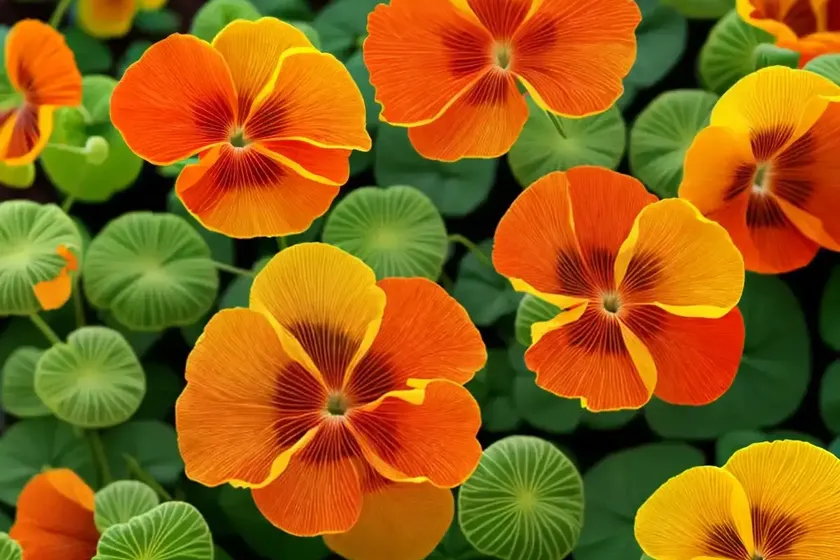
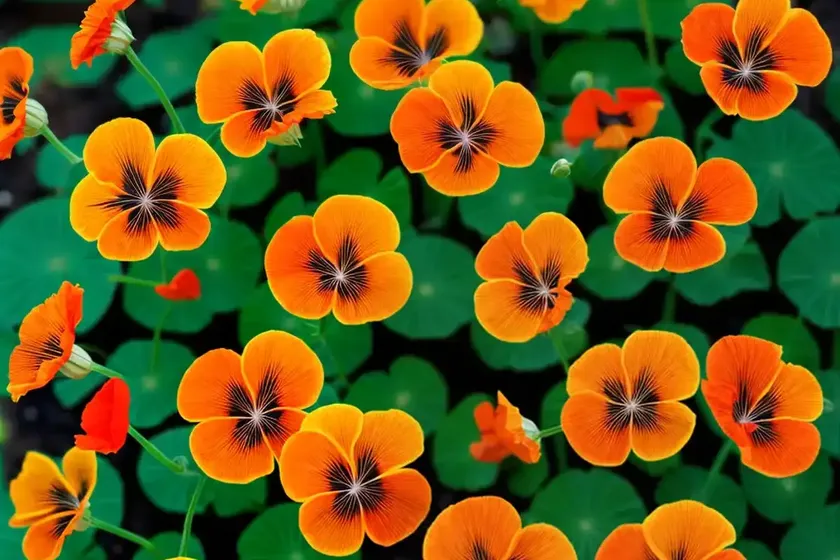
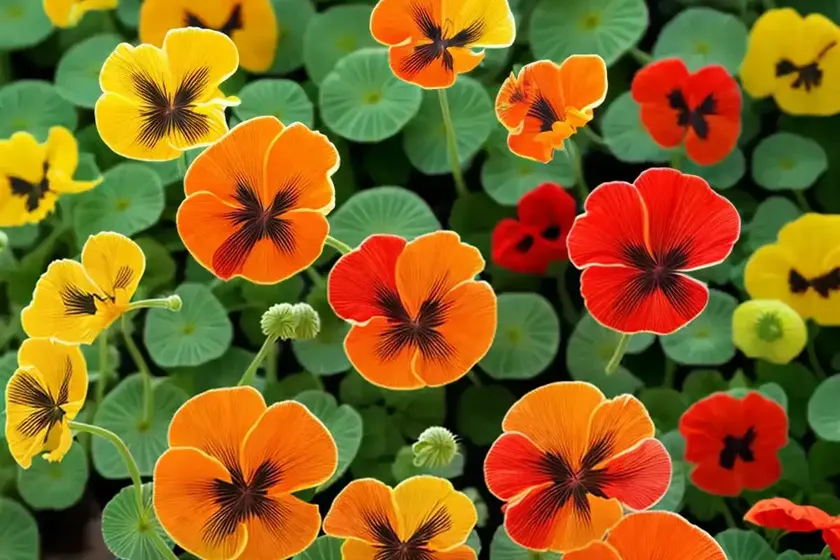
Nasturtiums, scientifically known as Tropaeolum minus ‘Baby Rose’, are popular flowering plants that are not only visually stunning but also offer various practical uses in the garden. Whether you are a seasoned gardener or just starting with your green thumb, understanding the nuances of effectively nurturing and harnessing the potential of these vibrant plants can significantly enhance the appeal and productivity of your garden. In this comprehensive plant care guide, we will delve into the various aspects of nurturing and utilizing Tropaeolum minus ‘Baby Rose’, covering its culture, uses, water and sunlight requirements, fertilizer needs, soil preferences, pruning techniques, propagation methods, popularity in containers, common diseases and pests, along with valuable tips from botanists and intriguing fun facts.
What is Tropaeolum minus ‘Baby Rose’ (Nasturtium)?
Tropaeolum, commonly known as Nasturtium, is a genus of approximately 80 species of annual and perennial herbaceous flowering plants in the family Tropaeolaceae. The plants are indigenous to South and Central America, with some species originating from Mexico and others from Chile. Tropaeolum minus ‘Baby Rose’ is a cultivar of the Nasturtium species, characterized by its delicate rose-colored flowers and rounded, compact form.
Key Takeaways – Tropaeolum minus ‘Baby Rose’ (Nasturtium)
Before delving into the specifics of caring for Tropaeolum minus ‘Baby Rose’, let’s highlight the key takeaways about the plant.
- Scientific Name: Tropaeolum minus ‘Baby Rose’
- Common Name: Nasturtium ‘Baby Rose’
- Family: Tropaeolaceae
- Plant Type: Annual herbaceous flowering plant
- Flower Color: Rose
- Watering Needs: Moderate
- Sunlight Requirements: Full sun to partial shade
- Fertilization: Minimal, well-draining soil
- Pruning: Light trimming to promote bushy growth
- Container Gardening: Well-suited for containers and hanging baskets
- Uses: Culinary, ornamental, medicinal
- Companion Plants: Beneficial for attracting pollinators and repelling pests
- Fun Fact: Nasturtium flowers and leaves are edible, bringing a unique peppery flavor to culinary creations.
Now that we have an overview of Tropaeolum minus ‘Baby Rose’, let’s explore the detailed aspects of nurturing and harnessing the potential of this charming plant.
Culture
Understanding the cultural requirements of Tropaeolum minus ‘Baby Rose’ is crucial for ensuring its optimal growth and blooming. Here’s a comprehensive look at the cultural considerations for this plant.
Water
Nasturtiums, including Tropaeolum minus ‘Baby Rose’, generally prefer moderate watering. While they are relatively drought-tolerant once established, consistent moisture is essential, especially during the germination and establishment phases. However, it’s crucial to avoid overwatering, as excessive moisture can lead to root rot and other problems. It’s recommended to water the plants deeply and less frequently to encourage the development of robust root systems.
Sunlight
In terms of sunlight requirements, Tropaeolum minus ‘Baby Rose’ thrives in full sun to partial shade. Providing at least 6-8 hours of sunlight per day is optimal for robust growth and abundant flowering. However, they can tolerate some shade, particularly in regions with intense summer heat. When grown in containers, it’s essential to monitor the sun exposure and provide adequate shade if the plants show signs of stress from excessive sunlight.
Fertilizer
Nasturtiums, including the ‘Baby Rose’ variety, are not heavy feeders and generally thrive in moderately fertile soil. Excessive fertilization can lead to lush foliage at the expense of flowering. A balanced, all-purpose fertilizer applied at half-strength during the growing season can provide the necessary nutrients for healthy growth and flowering. However, it’s important to avoid high-nitrogen fertilizers, as they can promote excessive leafy growth at the expense of blooms.
Soil
Tropaeolum minus ‘Baby Rose’ prefers well-draining soil with moderate fertility. Rich, loamy soil that retains some moisture while allowing excess water to drain is ideal for these plants. When cultivated in containers, using a well-draining potting mix amended with compost can provide an optimal growing medium for Nasturtiums. Additionally, maintaining slightly acidic to neutral soil pH (6.0-7.0) is suitable for promoting healthy growth and flowering.
Pruning
Pruning plays a crucial role in shaping the growth habit of Tropaeolum minus ‘Baby Rose’ and promoting abundant flowering. Light pruning, which involves the removal of spent blooms and leggy growth, encourages the development of bushy, compact plants with a profusion of flowers. Regular deadheading of faded flowers not only maintains the plant’s aesthetic appeal but also stimulates the continuous production of new blooms. Additionally, removing any damaged or diseased foliage can help maintain the overall health and vigor of the plant.
Propagation
Nasturtiums, including Tropaeolum minus ‘Baby Rose’, can be easily propagated through several methods, including seed sowing, division, and stem cuttings. Here’s a brief overview of the propagation methods for this plant.
-
Seed Sowing: Nasturtium seeds are relatively easy to germinate and can be directly sown into the garden bed or containers after the last frost date. The seeds typically germinate within 7-10 days under optimal conditions, and young plants establish quickly, producing their vibrant blooms within a few weeks.
-
Division: Although division is less commonly practiced for propagating Nasturtiums, it can be employed to create new plants from established clumps. During the early spring or fall, gently dividing the clumps into sections with healthy roots and replanting them in prepared soil can facilitate the propagation of Tropaeolum minus ‘Baby Rose’.
-
Stem Cuttings: Stem cuttings can also be utilized for propagating Nasturtiums. Select healthy, non-flowering stems and take 4-6 inch cuttings. Remove the lower leaves and place the cuttings in a well-draining propagation medium. Enclose the cuttings in a plastic bag or propagator to maintain high humidity and warmth, facilitating the development of the root system.
Container Popularity
Tropaeolum minus ‘Baby Rose’ is highly popular for container gardening, adding a vibrant splash of color to balconies, patios, and other confined spaces. The compact, trailing nature of this plant makes it well-suited for hanging baskets, window boxes, and various types of containers. Its cascading growth habit and prolific flowering make it a delightful choice for creating stunning container displays, whether grown individually or in combination with other trailing and upright plants.
When selecting containers for growing Tropaeolum minus ‘Baby Rose’, it’s essential to choose options with adequate drainage holes to prevent waterlogging. Well-draining potting soil, typically composed of peat moss, perlite, and compost, is suitable for containers. Regular watering is crucial for container-grown Nasturtiums, as they are more prone to drying out compared to plants grown in the ground. Additionally, incorporating a balanced, slow-release fertilizer into the potting mix at the beginning of the growing season can provide the necessary nutrients for sustained growth and flowering.
Common Diseases
Like all plants, Tropaeolum minus ‘Baby Rose’ is susceptible to certain diseases that can impact its overall health and vigor. Understanding these common diseases and their management is essential for ensuring the well-being of the plant.
Disease Diagnosis
-
Powdery Mildew: One of the most prevalent fungal diseases affecting Nasturtiums is powdery mildew, which manifests as a white, powdery growth on the leaves, stems, and flowers. It thrives in humid conditions and can weaken the plant over time. To minimize the risk of powdery mildew, it’s essential to provide ample air circulation and avoid overhead watering, which can create a conducive environment for the fungal spores to germinate and spread. Additionally, applying a preventive fungicidal spray formulated for powdery mildew at the first signs of infection can help mitigate the spread and impact of the disease.
-
Leaf Spot: Several types of fungi can cause leaf spot on Nasturtiums, resulting in circular, brown lesions on the leaves. To manage leaf spot, it’s important to promptly remove and dispose of affected plant parts to prevent the spread of the disease. Providing adequate air circulation, avoiding overhead watering, and applying a copper-based fungicide can help reduce the incidence and impact of leaf spot.
-
Root Rot: Excessive moisture, poorly drained soil, and overwatering can lead to root rot in Nasturtiums. Symptoms include yellowing, wilting, and stunted growth. To prevent root rot, it’s crucial to ensure well-draining soil, avoid overwatering, and promptly address any drainage issues in containers. Additionally, selecting disease-resistant varieties and maintaining proper cultural practices can help mitigate the risk of root rot.
Common Pests
In addition to diseases, Nasturtiums, including Tropaeolum minus ‘Baby Rose’, are prone to certain pests that can compromise their health and flowering potential. Identifying and addressing these common pests is essential for preserving the vitality of the plants.
-
Aphids: Aphids are a prevalent pest that can infest Nasturtiums, causing distorted growth, yellowing leaves, and the excretion of honeydew. To manage aphids, physical removal, insecticidal soap, neem oil, or horticultural oil can be employed to minimize their population and impact on the plants.
-
Cabbage Worms: Cabbage worms, the larval stage of the cabbage white butterfly, can feed on Nasturtium leaves, resulting in unsightly damage. Handpicking the larvae, applying Bacillus thuringiensis (Bt), or introducing natural predators such as parasitic wasps can help control cabbage worm infestations.
-
Slugs and Snails: These mollusks can feed on Nasturtium leaves and flowers, leaving behind characteristic slime trails and irregularly shaped holes. To manage slugs and snails, employing physical barriers, such as copper tape or diatomaceous earth, can help deter their movement and protect the plants.
Botanist’s Tips
Incorporating the insights and recommendations from experienced botanists can offer valuable guidance for effectively caring for Tropaeolum minus ‘Baby Rose’ and maximizing its potential in the garden. Here are some botanist-approved tips for nurturing Nasturtiums.
-
Companion Planting: Nasturtiums are excellent companion plants, promoting the well-being of neighboring vegetables and herbs while repelling certain pests. Interplanting them with tomatoes, cucumbers, radishes, and cabbage can help deter aphids, whiteflies, and other insects, enhancing the overall health of the garden.
-
Edible Flowers and Leaves: The vibrant flowers and peppery leaves of Nasturtiums are not only visually appealing but also edible, adding a unique flavor to salads, garnishes, and culinary creations. Harvesting the flowers and leaves for culinary use not only offers a delightful gastronomic experience but also promotes the healthy growth of the plants.
-
Pollinator Attraction: The abundant nectar and vibrant blooms of Tropaeolum minus ‘Baby Rose’ make it an attractive source of nourishment for pollinators, including bees, butterflies, and hummingbirds. By incorporating Nasturtiums into the garden, it’s possible to support and enhance the local pollinator population while fostering a thriving ecosystem.
Fun Facts
Exploring the fascinating aspects of Nasturtiums can provide an enriching perspective on these captivating plants. Here are some fun facts about Tropaeolum minus ‘Baby Rose’ that may surprise and delight plant enthusiasts.
- The name “Nasturtium” is derived from the Latin word “nasus tortus,” meaning “twisted nose,” referencing the reaction to the plant’s pungent scent and flavor.
- In addition to their ornamental and culinary uses, Nasturtiums have been traditionally employed for their medicinal properties, including their potential as an antimicrobial and expectorant agent.
- The vibrant flowers of Nasturtiums can range in color from warm yellows and fiery oranges to rich reds and soft pinks, offering a diverse spectrum of visual appeal in the garden.
In summary, Tropaeolum minus ‘Baby Rose’ (Nasturtium) encompasses a wealth of cultural, culinary, and ornamental potential, making it a valuable addition to any garden. By incorporating the insights and recommendations presented in this comprehensive guide, it’s possible to nurture these charming plants with confidence and creativity, unlocking their full splendor in the landscape.
For further exploration of Tropaeolum minus ‘Baby Rose’ and related topics, here are some curated external resources:
- Tropaeolum minus ‘Baby Rose’ Plant Care Guide
- Nasturtium ‘Baby Rose’ Growing Tips
- How to Grow Tropaeolum minus ‘Baby Rose’
- Nasturtium ‘Baby Rose’ Culinary Uses
- Tropaeolum minus ‘Baby Rose’ Container Gardening Ideas
Feel free to delve into these resources to expand your knowledge and appreciation of Tropaeolum minus ‘Baby Rose’, further enriching your gardening journey. Happy gardening!
Keywords: Tropaeolum minus ‘Baby Rose’ care, Nasturtium ‘Baby Rose’ growing tips, How to grow Tropaeolum minus ‘Baby Rose’, Nasturtium ‘Baby Rose’ plant care guide, Tropaeolum minus ‘Baby Rose’ watering requirements, Nasturtium ‘Baby Rose’ sunlight needs, Tropaeolum minus ‘Baby Rose’ propagation methods, Nasturtium ‘Baby Rose’ fertilization tips, Tropaeolum minus ‘Baby Rose’ pest control, Nasturtium ‘Baby Rose’ diseases and treatment, Tropaeolum minus ‘Baby Rose’ companion plants, Nasturtium ‘Baby Rose’ culinary uses, Tropaeolum minus ‘Baby Rose’ containers and pots, Nasturtium ‘Baby Rose’ hanging basket ideas, Tropaeolum minus ‘Baby Rose’ medicinal properties, Nasturtium ‘Baby Rose’ edible flowers, Tropaeolum minus ‘Baby Rose’ seeds and germination, Nasturtium ‘Baby Rose’ trailing varieties, Tropaeolum minus ‘Baby Rose’ garden design ideas, Nasturtium ‘Baby Rose’ vertical gardening, Tropaeolum minus ‘Baby Rose’ balcony gardening, Nasturtium ‘Baby Rose’ pollinator-friendly plants, Tropaeolum minus ‘Baby Rose’ aromatic foliage, Nasturtium ‘Baby Rose’ groundcover options, Tropaeolum minus ‘Baby Rose’ flower arrangement ideas, Nasturtium ‘Baby Rose’ seasonal care, Tropaeolum minus ‘Baby Rose’ pruning techniques, Nasturtium ‘Baby Rose’ trellis and support structures, Tropaeolum minus ‘Baby Rose’ winter protection, Nasturtium ‘Baby Rose’ drought-tolerant varieties, Tropaeolum minus ‘Baby Rose’ container gardening, Nasturtium ‘Baby Rose’ indoor planting guide, Tropaeolum minus ‘Baby Rose’ landscaping ideas, Nasturtium ‘Baby Rose’ border plant suggestions, Tropaeolum minus ‘Baby Rose’ natural pest repellent, Nasturtium ‘Baby Rose’ cut flower arrangements, Tropaeolum minus ‘Baby Rose’ composting benefits, Nasturtium ‘Baby Rose’ hanging planters, Tropaeolum minus ‘Baby Rose’ water-wise gardening, Nasturtium ‘Baby Rose’ color palette in the garden, Tropaeolum minus ‘Baby Rose’ fragrance in the landscape, Nasturtium ‘Baby Rose’ moonlight garden additions, Tropaeolum minus ‘Baby Rose’ healing properties, Nasturtium ‘Baby Rose’ low-maintenance gardening, Tropaeolum minus ‘Baby Rose’ seasonal color display, Nasturtium ‘Baby Rose’ companion flowers for butterflies, Tropaeolum minus ‘Baby Rose’ shade gardening options, Nasturtium ‘Baby Rose’ versatile culinary herb, Tropaeolum minus ‘Baby Rose’ beneficial insects attraction, Nasturtium ‘Baby Rose’ vibrant garden color scheme.


