Tropaeolum majus ‘Black Velvet’ (Nasturtium): A Comprehensive Guide
Introduction
The Tropaeolum majus ‘Black Velvet’, commonly known as Nasturtium, is a popular flowering plant that is cherished by gardeners for its vibrant, showy blooms and versatile uses. This cultivar, characterized by its deep, velvety burgundy flowers and dark foliage, is a stunning addition to any garden or container. As a plant scientist, I have had the privilege of researching and working with this remarkable plant, and I am excited to share my insights on its cultivation, characteristics, and care in this comprehensive guide.
Key Takeaways – Tropaeolum majus ‘Black Velvet’ (Nasturtium)
Before delving into the intricacies of cultivating and caring for Tropaeolum majus ‘Black Velvet’, it is essential to gain a comprehensive understanding of the key takeaways associated with this striking plant. Below are the salient points that will be covered in this guide, encompassing its culture, uses, care requirements, and more:
- Plant Name: Tropaeolum majus ‘Black Velvet’ (Nasturtium)
- Culture
- Uses
- Water
- Sunlight
- Fertilizer
- Soil
- Pruning
- Propagation
- Container
- Popularity
- Common Diseases
- Disease Diagnosis
- Common Pests
- Botanist’s Tips
- Fun Facts
- Links to External Resources
Now, let’s delve into each of these aspects in detail to gain a holistic understanding of the Tropaeolum majus ‘Black Velvet’ and its care requirements.
What is Tropaeolum majus ‘Black Velvet’ (Nasturtium)?
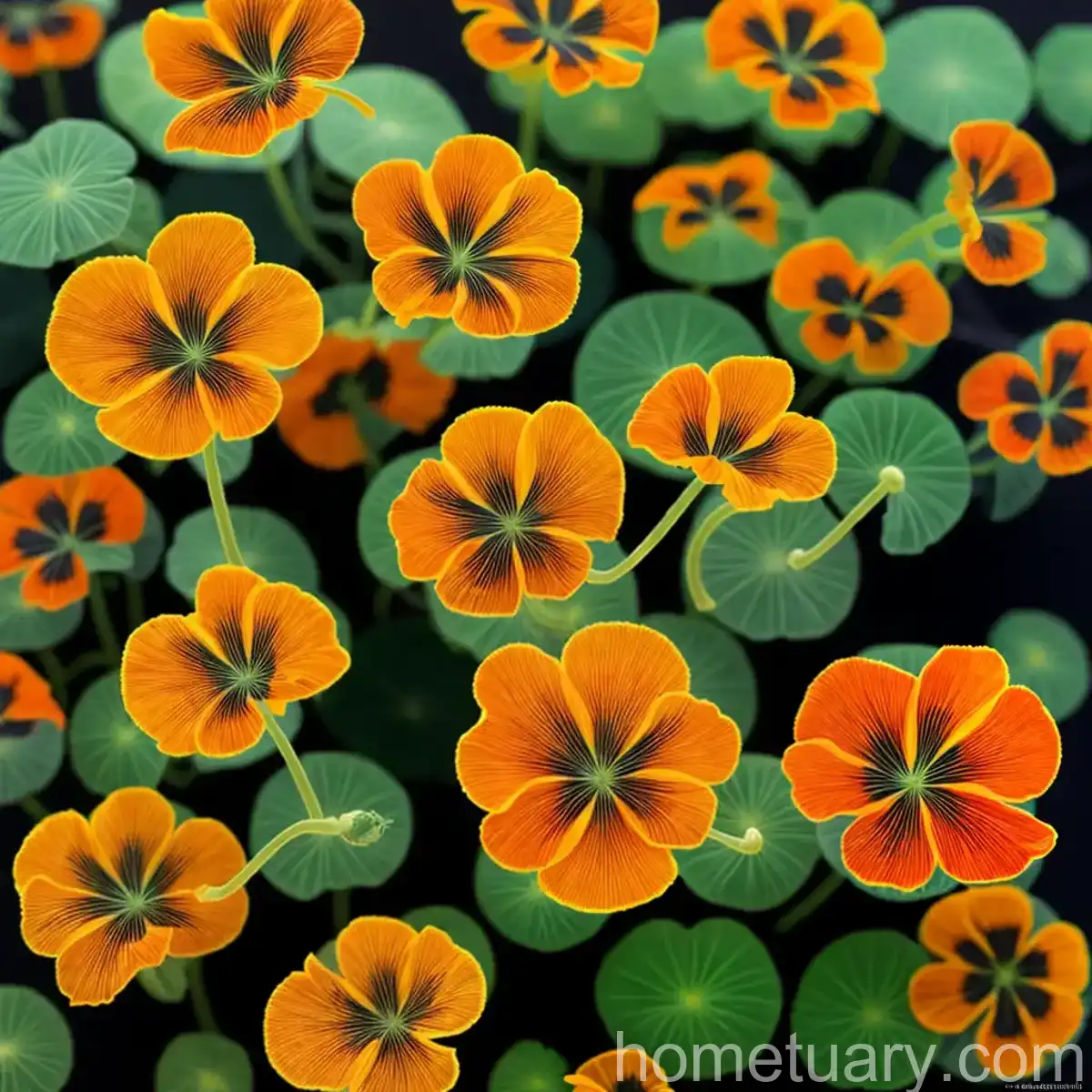
Tropaeolum majus ‘Black Velvet’ is a distinct cultivar of Nasturtium, bearing captivating, velvety burgundy flowers and dark foliage. Known for its ornamental value and culinary uses, this plant belongs to the Tropaeolaceae family and is native to South America. It is widely cultivated for its decorative appeal in gardens, containers, and hanging baskets, as well as for its edible flowers and leaves.
The Black Velvet Nasturtium variety is cherished for its unique coloration and vibrant blooms, making it a sought-after choice for adding visual interest to outdoor spaces. Whether used as a ground cover, an accent plant, or a trailing variety in containers, Tropaeolum majus ‘Black Velvet’ shines through its striking appearance and versatile applications.
As we explore the various facets of this exceptional plant, it’s important to acknowledge its cultural significance, uses, and the intricacies of caring for it to ensure its optimal growth and vitality.
Culture of Tropaeolum majus ‘Black Velvet’ (Nasturtium)
Cultivating Tropaeolum majus ‘Black Velvet’ requires an understanding of its cultural requirements, encompassing factors such as water, sunlight, soil, and fertilizer. By meeting these essential needs, gardeners can ensure that the plant thrives and displays its characteristic beauty to the fullest.
Water
Water is a crucial element in the care of Tropaeolum majus ‘Black Velvet’. Adequate moisture levels are essential for the plant’s growth and blooming. However, it’s important to strike a balance and avoid overwatering, which can lead to root rot and other moisture-related issues.
-
Water Needs: Nasturtium ‘Black Velvet’ exhibits moderate water needs. It thrives in moist, well-drained soil, but it’s important to allow the top layer of soil to dry out slightly between waterings to prevent waterlogging.
-
Watering Frequency: During the growing season, regular watering is recommended, ensuring that the soil is evenly moist but not waterlogged. In hot and dry conditions, the plant may require more frequent watering to maintain optimal moisture levels.
Sunlight
Sunlight plays a pivotal role in the growth and development of Tropaeolum majus ‘Black Velvet’. As a sun-loving plant, providing ample access to sunlight is imperative for its overall health and blooming potential.
-
Sun Exposure: Nasturtium ‘Black Velvet’ thrives in full sun to partial shade. It flourishes in locations with direct sunlight for at least six hours a day, promoting robust growth and prolific flowering.
-
Sunlight Requirements: When selecting a planting site or container placement, prioritize areas that receive adequate sunlight to ensure the plant’s vigor and blooming performance.
Fertilizer
Fertilization is an integral aspect of nurturing Tropaeolum majus ‘Black Velvet’ and promoting its overall vitality. Selecting appropriate fertilizers and applying them at the right time and frequency can significantly enhance the plant’s growth and flowering.
-
Fertilizer Type: Opt for a balanced, all-purpose fertilizer or a fertilizer with a higher phosphorus content to promote blooming. Look for formulations specifically designed for flowering plants to meet Nasturtium Black Velvet’s nutritional needs.
-
Fertilization Schedule: Apply fertilizer in early spring before the onset of flowering, and then again in mid-summer to support continuous blooming. Follow the manufacturer’s instructions regarding application rates and frequency.
Soil
The soil composition and quality play a pivotal role in the successful cultivation of Tropaeolum majus ‘Black Velvet’. Providing an optimal growing medium ensures that the plant receives essential nutrients and maintains proper moisture levels.
-
Soil Type: Nasturtium ‘Black Velvet’ thrives in well-draining, loamy soil with a slightly acidic to neutral pH. It adapts well to various soil types, including sandy, loamy, or clayey soils, as long as they offer good drainage.
-
Soil Preparation: Prior to planting, amend the soil with organic matter such as compost or well-rotted manure to improve its structure and fertility. This pre-planting preparation sets the stage for the plant’s healthy establishment and growth.
These cultural considerations form the foundation for nurturing Tropaeolum majus ‘Black Velvet’ and creating an environment that is conducive to its flourishing. By attending to its water, sunlight, fertilizer, and soil needs, gardeners can set the stage for a thriving and visually captivating display of blooms.
Uses of Tropaeolum majus ‘Black Velvet’ (Nasturtium)
Tropaeolum majus ‘Black Velvet’ is valued for its diverse uses, encompassing both ornamental and culinary applications. Understanding the range of purposes that this plant serves allows gardeners to appreciate its versatility and make the most of its unique characteristics.
Ornamental Uses
As an ornamental plant, Nasturtium ‘Black Velvet’ enriches outdoor spaces with its striking visual appeal and vibrant blooms. It is utilized in various capacities to enhance the aesthetic appeal of gardens, landscapes, and container displays.
-
Garden Bed Planting: The lush, dark foliage and rich, burgundy blooms of Black Velvet Nasturtium make it a captivating addition to garden beds and borders. Its trailing habit and intense coloration create a visually stunning ground cover or accent plant.
-
Container Gardening: Whether grown in hanging baskets, pots, or window boxes, Tropaeolum majus ‘Black Velvet’ lends a touch of elegance and drama to container displays. Its cascading growth habit and bold flowers make it an excellent candidate for elevated planters and mixed-container arrangements.
-
Flower Arrangements: The vibrant, velvety blooms of Nasturtium ‘Black Velvet’ serve as striking accents in floral arrangements. The rich color and unique texture of the flowers make them a favorite choice for adding a splash of drama to bouquets and centerpieces.
Culinary Uses
In addition to its ornamental value, Tropaeolum majus ‘Black Velvet’ offers culinary opportunities, with its edible flowers and leaves serving as flavorful and visually appealing additions to various dishes.
-
Edible Flowers: The vibrant, burgundy flowers of Nasturtium ‘Black Velvet’ are coveted for their peppery, slightly tangy flavor. They are often used as decorative garnishes for salads, appetizers, and main dishes, adding a pop of color and a hint of zesty flavor to culinary creations.
-
Flavorful Leaves: The rounded, shield-shaped leaves of the plant possess a similar peppery taste to the flowers and are used to impart a unique flavor to culinary preparations. They are often incorporated into salads or used as a garnish to elevate the visual appeal and taste of dishes.
The dual nature of Tropaeolum majus ‘Black Velvet’ as an ornamental gem and a source of edible delights underscores its multifaceted value and appeal. Whether adorning gardens and containers with its lush foliage and blooms or gracing culinary creations with its flavorful contributions, this versatile plant earns its place as a cherished garden favorite.
Pruning and Propagation of Tropaeolum majus ‘Black Velvet’ (Nasturtium)
The proper pruning and propagation of Tropaeolum majus ‘Black Velvet’ are key aspects of its care, ensuring its growth, maintenance, and the creation of new plants for future enjoyment. By understanding the techniques and considerations associated with pruning and propagation, gardeners can foster healthy, resilient Nasturtium ‘Black Velvet’ specimens and expand their plant collection.
Pruning
Pruning plays a vital role in shaping the growth and appearance of Tropaeolum majus ‘Black Velvet’, promoting blooming, and managing its size and form. Regular pruning encourages compact, bushy growth and enhances flowering, resulting in a more robust and visually appealing plant.
-
Deadheading: Remove spent flowers regularly to prolong the blooming period and stimulate the production of new blooms. Deadheading also prevents the plant from expending energy on seed production, redirecting its resources towards continued flowering.
-
Thinning and Shaping: As the plant grows, selectively prune stems to thin out excessive growth and shape the plant’s form. This helps maintain an attractive, balanced appearance and prevents overcrowding, allowing for better airflow and light penetration.
Propagation
Propagation methods enable gardeners to propagate new Tropaeolum majus ‘Black Velvet’ plants from existing specimens, expanding their collection and sharing the beauty of this cultivar with others. Several propagation techniques, including seed sowing and stem cuttings, can be employed to propagate Nasturtium ‘Black Velvet’ effectively.
-
Seed Propagation: Nasturtium ‘Black Velvet’ can be easily propagated from seeds, which are harvested from mature plants. Sow the seeds directly into the desired planting area or starting containers, providing them with the appropriate growing conditions to encourage germination and establishment.
-
Stem Cuttings: Propagate new plants by taking stem cuttings from healthy, established Nasturtium ‘Black Velvet’ specimens. Select non-flowering stems, trim them to the desired length, and place them in a suitable rooting medium to develop new roots and form independent plants.
By mastering the art of pruning and propagation, gardeners can actively shape the growth and propagation of Tropaeolum majus ‘Black Velvet’, ensuring its continued vitality and the creation of new plants for future enjoyment. These practices empower enthusiasts to actively engage with the lifecycle of the plant and propagate its beauty for years to come.
Container Cultivation of Tropaeolum majus ‘Black Velvet’ (Nasturtium)
Tropaeolum majus ‘Black Velvet’ lends itself exceptionally well to container cultivation, offering a compact and decorative presence that enhances both indoor and outdoor spaces. When grown in containers, this versatile plant can be showcased on patios, balconies, and windowsills, adding a touch of allure and color to urban and small-space environments.
Container Selection
Choosing the right container is pivotal for the successful cultivation of Tropaeolum majus ‘Black Velvet’. The selected container should provide adequate space for the plant’s roots, facilitate proper drainage, and complement the overall aesthetic vision.
-
Container Size: Opt for a container that accommodates the mature size of the plant, allowing its roots to spread and establish without becoming overcrowded. A 12- to 16-inch wide and deep container is generally suitable for growing Nasturtium ‘Black Velvet’, providing ample room for root development.
-
Drainage Holes: Ensure that the container has sufficient drainage holes to allow excess water to escape, preventing waterlogging and root rot. Proper drainage is essential for the plant’s overall health and vitality.
Potting Mix
The potting mix used for container-grown Tropaeolum majus ‘Black Velvet’ should provide the necessary support, aeration, and moisture retention to foster healthy growth and blooming. A well-balanced and nutrient-rich potting mix forms the foundation for the plant’s success in a container environment.
-
Potting Mix Composition: Utilize a high-quality, well-draining potting mix formulated for flowering plants. Look for mixes that contain a blend of organic matter, perlite or vermiculite, and other amendments to ensure optimal aeration and moisture control.
-
Soil Amendment: Prior to planting, enrich the potting mix with organic matter, such as compost, to enhance its fertility and structure. This addition provides essential nutrients and supports the plant’s growth within the confines of the container.
Container Care
The care regimen for container-grown Tropaeolum majus ‘Black Velvet’ requires attentiveness to watering, fertilization, and maintenance to sustain the plant’s health and ensure its vibrant display of blooms.
-
Watering: Monitor the moisture levels in the potting mix and water the plant as needed to maintain even moisture without waterlogging. Container-grown Nasturtium ‘Black Velvet’ may require more frequent watering than garden-planted specimens, especially during hot and dry periods.
-
Fertilization: Apply a balanced, water-soluble fertilizer at regular intervals to provide the plant with essential nutrients for robust growth and continuous flowering. Follow the recommended dilution and application rates to prevent over-fertilization.
-
Maintenance: Regularly inspect the plant for signs of pests, diseases, or pot-bound roots. Groom the plant, remove spent flowers, and address any issues promptly to maintain its appearance and overall well-being.
Display Options
The versatility of Tropaeolum majus ‘Black Velvet’ as a container plant allows for diverse display options, including hanging baskets, mixed planters, and standalone pots. Leveraging its cascading growth habit and striking coloration, gardeners can create captivating container compositions that showcase the plant’s beauty in various settings.
-
Hanging Baskets: Utilize Nasturtium ‘Black Velvet’ in hanging baskets to create colorful and eye-catching displays that enliven porches, pergolas, and outdoor living spaces. Its trailing growth habit lends itself perfectly to hanging arrangements that accentuate its elegant form.
-
Mixed Planters: Incorporate Tropaeolum majus ‘Black Velvet’ into mixed container plantings to add a bold pop of color and texture. Pair it with complementary flowering plants or foliage varieties to create visually dynamic arrangements that elevate the overall appeal of the display.
-
Standalone Pots: Showcase the individual beauty of Nasturtium ‘Black Velvet’ in standalone pots, allowing its vibrant blooms and dark foliage to take center stage. Position the pots strategically to highlight the plant’s allure and create focal points within the outdoor environment.
By embracing container cultivation, gardeners can leverage the unique qualities of Tropaeolum majus ‘Black Velvet’ to enhance their outdoor spaces, infusing them with color, charm, and the distinctive allure of this exceptional plant.
Popularity of Tropaeolum majus ‘Black Velvet’ (Nasturtium)
The allure of Tropaeolum majus ‘Black Velvet’ extends beyond its captivating aesthetics, encompassing its widespread popularity among gardeners, culinary enthusiasts, and nature lovers. The distinctive qualities that define this cultivar have contributed to its enduring appeal and recognition in the realm of ornamental and utilitarian plants.
Gardening Community
Within the gardening community, Tropaeolum majus ‘Black Velvet’ has garnered attention and acclaim for its robust growth, abundant flowering, and particular coloration. Gardeners are drawn to its decorative potential and its ability to enrich outdoor spaces with its vibrant presence.
-
Showcasing Unique Varieties: The distinct velvety texture and deep burgundy hue of Nasturtium ‘Black Velvet’ set it apart as a unique and sought-after variety, capturing the interest of gardeners who seek visually striking and distinctive plants for their landscapes and gardens.
-
Versatile Applications: The plant’s versatility, suitable for garden beds, containers, and hanging displays, has contributed to its popularity as a multifunctional and adaptable choice for enhancing diverse outdoor settings.
Culinary Enthusiasts
Culinary enthusiasts appreciate the multifaceted nature of Tropaeolum majus ‘Black Velvet’, embracing its ornamental appeal alongside its culinary contributions. The availability of its edible flowers and leaves has piqued the interest of individuals who seek to integrate flavorful and visually appealing components into their culinary endeavors.
-
Flavorful Additions: The peppery, slightly tangy flavor of the plant’s blooms and leaves has captured the attention of cooks and food enthusiasts, inspiring their use as both a garnish and a flavorful ingredient in various dishes.
-
Colorful Garnishes: The rich, burgundy blooms of Nasturtium ‘Black Velvet’ offer an enchanting touch of color and elegance, elevating culinary creations with their eye-catching presence and distinct visual allure.
Nature Enthusiasts
Beyond the realms of gardening and culinary pursuits, Tropaeolum majus ‘Black Velvet’ holds an appeal for nature enthusiasts and individuals with an appreciation for biodiversity and ecological interactions. Its role as a pollinator attractant and as a host to beneficial insects underscores its significance within the broader natural landscape.
-
Pollinator Attraction: The radiant blooms of Nasturtium ‘Black Velvet’ serve as beacons for pollinators, attracting bees, butterflies, and other beneficial insects to the garden. This ecological contribution enhances the plant’s appeal in the context of supporting local biodiversity.
-
Wildlife Habitat: The plant’s ability to offer shelter and sustenance to small wildlife species further enhances its appeal among nature enthusiasts who seek to create nurturing environments for wildlife within their outdoor spaces.
Overall Appeal
The overall appeal of Tropaeolum majus ‘Black Velvet’ can be attributed to its distinctive coloration, adaptability to diverse settings, and the multitude of roles it plays within the context of gardening, culinary arts, and ecological conservation. Its popularity is a testament to the enduring charm and utility of this exceptional plant.
The widespread acclaim and enthusiasm surrounding Nasturtium ‘Black Velvet’ reflect its enduring relevance and value within the realm of horticulture, culinary arts, and the broader appreciation of nature’s beauty and contributions.
Common Diseases of Tropaeolum majus ‘Black Velvet’ (Nasturtium)
Despite the robust nature of Tropaeolum majus ‘Black Velvet’, it is susceptible to certain diseases that can impact its health and vitality if not addressed promptly. Understanding the common diseases that affect this cultivar, along with their symptoms and management, is critical for safeguarding the plant and nurturing its well-being.
Disease Diagnosis
Diagnosing diseases affecting Tropaeolum majus ‘Black Velvet’ involves observing and identifying specific symptoms that indicate the presence of a pathogen or ailment. By recognizing these signs, gardeners can take proactive measures to mitigate the impact of diseases and prevent their spread.
- Powdery Mildew: Characterized by a powdery, white coating on the plant’s foliage and flowers, powdery mildew can impact Nasturtium ‘