Rosa Spinosissima (Scotch Rose)
Rosa spinosissima, commonly known as Scotch Rose, is a charming and resilient species of rose that has captivated gardeners and plant enthusiasts for.
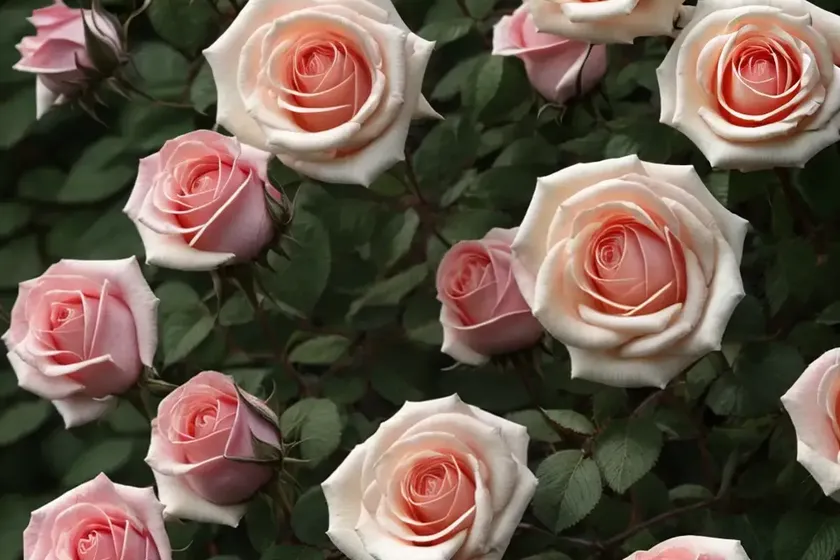
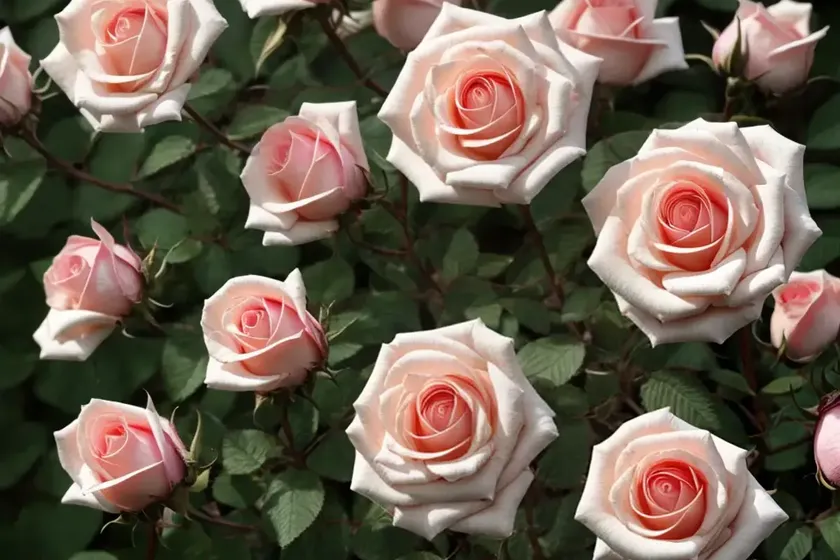
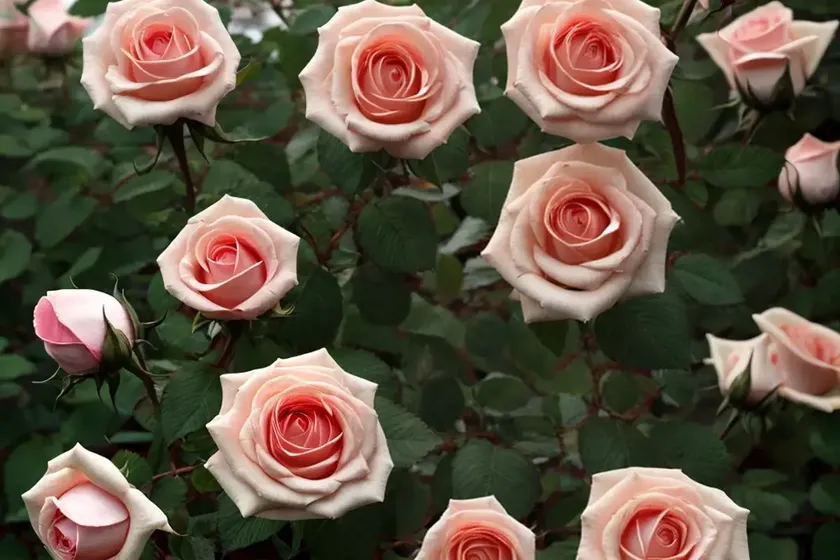
Rosa spinosissima, commonly known as Scotch Rose, is a charming and resilient species of rose that has captivated gardeners and plant enthusiasts for centuries. This beautiful plant is not only adored for its delicate blossoms but also for its historical significance, cultural uses, and medicinal properties. In this comprehensive guide, we will delve into the fascinating world of Rosa spinosissima, exploring its characteristics, cultivation techniques, uses, and much more.
What is Rosa spinosissima?
Rosa spinosissima is a species of wild rose native to Europe and western Asia. This compact, deciduous shrub belongs to the Rosaceae family and is known for its tolerance to harsh conditions, making it a popular choice for landscape and garden design. Its botanical name, “spinosissima,” reflects its abundance of prickles, while the common name “Scotch Rose” is derived from its association with Scotland, where it has long been cherished for its beauty and resilience.
Rosa spinosissima Description
- Genus: Rosa
- Species: Spinosissima
- Common Names: Scotch Rose, Burnet Rose, Scots Rose, Hedgehog Rose
- Origin: Europe, Western Asia
- Plant Type: Deciduous Shrub
- Size: 2-5 feet in height and spread
- Flower Color: White, Pale Pink, Yellow
- Blooming Season: Late Spring to Early Summer
- Foliage: Green, Compound Leaves with Toothed Edges
- Growth Habit: Compact, Spreading
Key Takeaways – Rosa spinosissima (Scotch Rose)
Before delving into the specifics of cultivating and caring for Rosa spinosissima, here are some key takeaways about this captivating plant:
- Rosa spinosissima is a resilient and charming species of wild rose, known for its abundance of prickles and tolerance to harsh conditions.
- Its delicate white, pale pink, or yellow blossoms and fragrant flowers make it a popular choice for gardeners and landscape designers.
- Scotch Rose has historical significance, with strong ties to Scotland, where it has been cherished for its beauty and resilience for centuries.
- Beyond its ornamental value, Rosa spinosissima has cultural uses and medicinal properties, adding to its allure and significance.
With these key points in mind, let’s explore the various aspects of caring for and utilizing Rosa spinosissima in gardens, landscapes, and beyond.
Culture
Cultivating Rosa spinosissima involves understanding its specific cultural requirements, including its preferences for water, sunlight, soil, and fertilizer. Here’s a comprehensive overview of the cultural needs of Scotch Rose:
Uses
The uses of Rosa spinosissima extend beyond its ornamental value, with cultural, historical, and medicinal significance. Understanding its diverse uses can deepen the appreciation for this captivating plant.
Water
Proper watering is crucial for the health and vitality of Rosa spinosissima. Balancing its moisture requirements is essential for ensuring optimal growth and flowering.
Sunlight
Scotch Rose thrives in well-lit conditions but can also tolerate some shade. Understanding its sunlight preferences can help optimize its growth and blooming potential.
Fertilizer
Applying the right type and amount of fertilizer is key to nourishing Rosa spinosissima and promoting healthy foliage and blossoms. A balanced approach to fertilization is essential for its overall well-being.
Soil
The soil preferences of Rosa spinosissima play a significant role in its growth and vitality. Understanding its soil requirements is crucial for successful cultivation.
Pruning
Pruning is an important aspect of caring for Rosa spinosissima, shaping its growth, promoting flowering, and maintaining its overall health and appearance.
Propagation
Learning about the various propagation methods for Scotch Rose can empower gardeners to expand their collection and share the beauty of this species with others.
Container Popularity
Rosa spinosissima is well-suited for container gardening, offering versatility and charm in various outdoor and indoor settings.
Common Diseases
Understanding the common diseases that may affect Rosa spinosissima is essential for implementing preventive measures and maintaining its health and vigor.
Disease Diagnosis
Identifying potential diseases and ailments that may impact Scotch Rose is crucial for prompt treatment and mitigation.
Common Pests
Pests can pose a threat to the well-being of Rosa spinosissima, making pest control measures a vital aspect of its care and maintenance.
Botanist’s Tips
Insights from botanical experts can offer valuable guidance on cultivating and appreciating the beauty of Rosa spinosissima.
Fun Facts
Discovering intriguing and delightful facts about Rosa spinosissima can deepen one’s fascination with this captivating species of wild rose.
Links to External Resources
Exploring external resources can provide additional insights into the world of Rosa spinosissima, offering a wealth of knowledge and inspiration for enthusiasts and gardeners.
In the next sections, we will delve deeper into each of these aspects, providing detailed guidance and insights into the cultivation, care, and appreciation of Rosa spinosissima. Whether you are a seasoned gardener, a landscaping professional, or simply someone who appreciates the beauty of nature, there is much to discover and enjoy about Scotch Rose. Let’s embark on this botanical journey together, uncovering the enchanting world of Rosa spinosissima.


