Trollius Europaeus (Globe Flower): The Jewel of the European Meadows
Introduction to Trollius europaeus
Trollius europaeus, commonly known as Globe Flower, is a stunning herbaceous perennial plant that belongs to the buttercup family Ranunculaceae. This native European beauty is renowned for its bright and showy flowers, which can be found adorning damp meadows, marshes, and along riverbanks. Its unique spherical bloom gives it the name “Globe Flower,” and it has been a favorite among gardeners and nature enthusiasts for centuries.
Trollius europaeus Plant
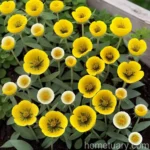
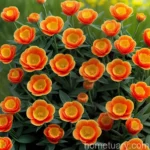
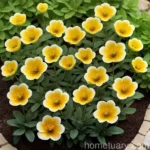
Trollius europaeus, also referred to as the Globeflower, features deeply lobed, palmate leaves and bright, globe-shaped flowers. The plant typically reaches a height of 30 to 80 centimeters (12 to 31 inches) and bears bright golden yellow blooms, making it a stunning addition to any garden or natural landscape.
Globe Flower Species: Ranunculaceae.
Trollius europaeus Facts
- Scientific Name: Trollius europaeus
- Common Names: Globe Flower, Globeflower, European Globeflower, and the European Trollius
- Native Habitat: Europe and parts of Asia
- Flowering Period: Late spring to early summer
- Ecological Importance: Pollinator-attracting, wildlife-friendly, and contributes to the biodiversity of wetland ecosystems
Trollius europaeus Cultivation
Globe Flower gardening is a delightful endeavor for both amateur and seasoned gardeners, given the plant’s versatile nature and stunning aesthetic appeal. Understanding the cultivation requirements and characteristics of Trollius europaeus is essential to ensure its successful growth and thriving in home gardens.
Key Takeaways – Trollius europaeus (Globe Flower)
Habitat and Native Range
Trollius europaeus is a native European species and is commonly found in damp meadows, along riverbanks, in marshy areas, and damp woodlands. It can also be spotted in parts of Asia, including Siberia and the Caucasus.
Characteristics
- Foliage: Deeply lobed, palmate leaves.
- Flowers: Globe-shaped, bright golden yellow.
- Height: Typically reaches 30 to 80 centimeters (12 to 31 inches).
Cultivation Guide
Water
Trollius europaeus thrives in consistently moist soil. It is essential to ensure that the plant receives an adequate water supply, especially during dry periods and hot weather. However, it is crucial to avoid waterlogging, as overly wet conditions can lead to root rot and other issues.
Water Requirements: Keep the soil consistently moist, but not waterlogged.
Sunlight
While Trollius europaeus prefers partial shade, it can tolerate full sunlight in cooler climates. It is essential to provide protection from intense afternoon sun, especially in warmer regions, as excessive heat and sunlight can lead to leaf scorching.
Sunlight Preferences: Partial shade to full sun in cooler climates.
Soil
The Globe Flower thrives in rich, moist, and well-draining soil. When cultivating Trollius europaeus, it is essential to provide fertile soil with ample organic matter, as this contributes to robust growth and prolific blooms.
Soil Conditions: Rich, moist, well-draining soil; pH slightly acidic to neutral (6.0-7.0).
Fertilizer
While Trollius europaeus does not have high fertilizer requirements, incorporating a balanced, slow-release fertilizer in early spring can support healthy growth and flowering. It is important to avoid excessive nitrogen, as this can lead to lush foliage at the expense of flowers.
Fertilization: Apply a balanced, slow-release fertilizer in early spring.
Pruning
Pruning Globe Flowers is essential for maintaining plant vigor and promoting a tidy appearance. Deadheading spent flowers can encourage prolonged blooming, while trimming back faded foliage can contribute to a neat and attractive display.
Pruning Methods: Deadhead spent flowers; trim back faded foliage.
Propagation
Trollius europaeus can be propagated by division in early spring or by sowing seeds in a prepared seedbed. Division is typically the preferred method for maintaining consistent plant characteristics, while seed propagation can introduce genetic diversity.
Propagation Techniques: Division in early spring; seed sowing in a prepared seedbed.
Container Popularity
While Trollius europaeus is primarily cultivated in garden beds, it can also thrive in large containers and ornamental planters, providing an opportunity for gardeners with limited space to enjoy its beauty.
Common Diseases
Globe Flowers are relatively resistant to diseases, but they can occasionally be affected by fungal issues such as powdery mildew.
Common Diseases: Powdery mildew (fungal infection).
Disease Diagnosis
Early detection and prompt intervention are crucial in managing plant diseases. Monitoring for symptoms such as powdery white patches on leaves and stems can aid in timely diagnosis and treatment.
Symptoms: Powdery white patches on leaves and stems.
Common Pests
Trollius europaeus is generally resistant to pest infestations. However, aphids and slugs can pose occasional issues, particularly in moist conditions.
Common Pests: Aphids, slugs.
Pest Control
Natural pest control methods, such as handpicking slugs and encouraging predator insects like ladybugs, can effectively manage pest populations without the need for chemical interventions.
Management: Handpicking slugs; encouraging predator insects.
Botanist’s Tips
- Companion Planting: Pair with moisture-loving companions such as Astilbe, Ligularia, and Rodgersia.
- Winter Care: Mulch around plants in late fall to provide insulation and protect the roots during winter.
Fun Facts
- Trollius europaeus has historical significance and has been depicted in folklore and mythology across various cultures.
- The plant is highly attractive to pollinators, including bees and butterflies, due to its bright and showy flowers.
Uses
Ornamental Value
Trollius europaeus is highly prized for its ornamental value, adding vibrant color and a touch of elegance to garden borders, woodland areas, and water features.
Medicinal Properties
While there is limited modern documentation of medicinal uses, Trollius europaeus has historically been associated with various herbal remedies and medicinal preparations.
Wildlife Attraction
The Globe Flower is a valuable wildlife-friendly plant, attracting pollinators and contributing to the ecological diversity of its native habitats.
Complementary Content
- Trollius europaeus Planting Guide
- Globe Flower Symbolism
- Trollius europaeus Ethnobotanical Uses
- Globe Flower in Folklore and Mythology
Conclusion
Trollius europaeus, with its enchanting globe-shaped blooms and enriching ecological contributions, continues to capture the hearts of both botanical enthusiasts and nature lovers. From its resilience in damp meadows to its captivating presence in garden settings, the Globe Flower remains a cherished and iconic species, weaving its way through history, culture, and the natural landscapes of Europe.
For additional resources and detailed insights on Trollius europaeus, explore the following links:
- Royal Horticultural Society: Trollius europaeus
- Missouri Botanical Garden: Trollius europaeus
- The Plant List: Trollius europaeus
- Flora of North America: Trollius europaeus
Remember to embrace the beauty and allure of Trollius europaeus, and allow its timeless elegance to grace your gardens and landscapes.
For further inquiries and expert guidance, feel free to reach out to our horticulture specialists at [Contact Information].
Keywords: Trollius europaeus plant, Globe Flower species, Trollius europaeus facts, Trollius europaeus cultivation, Globe Flower gardening, Trollius europaeus habitat, Globe Flower care tips, Trollius europaeus characteristics, Trollius europaeus uses, Globe Flower varieties, Trollius europaeus medicinal properties, Globe Flower symbolism, Trollius europaeus botanical information, Globe Flower growing conditions, Trollius europaeus native range, Trollius europaeus ecological importance, Globe Flower landscape design, Trollius europaeus wildlife attraction, Trollius europaeus in gardens, Globe Flower planting guide, Trollius europaeus conservation, Globe Flower ornamental value, Trollius europaeus flowering period, Trollius europaeus seeds, Globe Flower pollinators, Trollius europaeus seasonality, Trollius europaeus pest control, Globe Flower companion plants, Trollius europaeus natural habitats, Trollius europaeus endangered status, Globe Flower foliage description, Trollius europaeus landscape maintenance, Trollius europaeus water requirements, Globe Flower sunlight preferences, Trollius europaeus soil conditions, Trollius europaeus growth rate, Globe Flower propagation techniques, Trollius europaeus companion planting, Trollius europaeus unique features, Globe Flower fragrance, Trollius europaeus winter care, Trollius europaeus pruning methods, Globe Flower pest and disease management, Trollius europaeus flower arrangement ideas, Trollius europaeus historical significance, Globe Flower in folklore and mythology, Trollius europaeus ethnobotanical uses, Trollius europaeus garden design ideas, Globe Flower drought tolerance, Trollius europaeus pollination mechanisms