Plant Profile: Rubus fruticosus ‘Arapaho’ (Blackberry)
Introduction
In the world of horticulture, Rubus fruticosus ‘Arapaho’ is a noteworthy cultivar of blackberry that has gained popularity among gardeners and commercial growers alike. This distinct variety is known for its exceptional fruiting capabilities, making it a prized addition to gardens and agricultural landscapes. In this comprehensive guide, we will explore the key aspects of cultivating and caring for Rubus fruticosus ‘Arapaho’, providing valuable insights into its culture, uses, maintenance, and more.
Key Takeaways – Rubus fruticosus ‘Arapaho’ (Blackberry)
- Scientific Name: Rubus fruticosus ‘Arapaho’
- Common Name: Arapaho Blackberry
- Plant Family: Rosaceae
Culture
Hardiness Zone: 6-9
Mature Height: 3-5 feet
Mature Width: 3-4 feet
Bearing Age: 2-3 years
Harvest Time: Summer
Uses
- Culinary Purposes: The delicious, flavorful fruits of Rubus fruticosus ‘Arapaho’ are suitable for fresh consumption, jams, jellies, desserts, and other culinary creations.
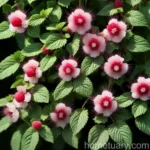
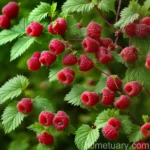
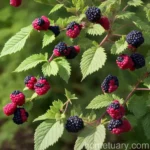
- Ornamental Value: The shrub’s attractive foliage and the abundance of berries make it an appealing ornamental plant in home landscapes.
Water
- Regular watering, especially during the flowering and fruiting period, is essential for the optimal growth and development of the Arapaho blackberry plant.
- Adequate soil moisture helps in preventing fruit-related disorders and enhances the yield.
Sunlight
- Full sun exposure is ideal for the Rubus fruticosus ‘Arapaho’ to ensure robust growth and abundant fruit production.
- A minimum of 6-8 hours of direct sunlight per day is recommended for optimal performance.
Fertilizer
- Apply a balanced fertilizer in early spring, before new growth emerges, to support the plant’s nutritional requirements.
- Consider using a fertilizer with a higher potassium content to promote fruiting and overall plant health.
Soil
- Well-draining, fertile soil with a slightly acidic to neutral pH range is preferred for cultivating Rubus fruticosus ‘Arapaho’.
- Incorporating organic matter such as compost can improve soil structure and fertility, benefiting the growth of the blackberry shrub.
Pruning
- Regular pruning is essential to manage the growth of Rubus fruticosus ‘Arapaho’, remove old canes, and encourage the development of new fruiting wood.
- Prune the canes in late winter or early spring, before the onset of new growth, to maintain the plant’s vigor and productivity.
Propagation
- Propagation of Arapaho blackberry can be done through tip layering, division of suckers, or stem cuttings.
- Ensuring proper environmental conditions and timely care is crucial for successful establishment of propagated plants.
Container Popularity
- While Rubus fruticosus ‘Arapaho’ is typically grown in the ground, it can also thrive in large containers or pots, given that the containers provide ample space for root development.
- Container cultivation allows for greater control over soil conditions and facilitates the management of the plant’s growth.
Common Diseases
Rubus fruticosus ‘Arapaho’ is susceptible to a few diseases, including but not limited to:
- Anthracnose: Manifests as small, sunken lesions on the berries and can cause premature fruit drop.
- Gray Mold (Botrytis): Leads to the development of fuzzy gray mold on the fruit, particularly under high humidity conditions.
- Powdery Mildew: Characterized by the presence of white, powdery growth on the leaves, shoots, and fruits.
Disease Diagnosis
Proper diagnosis of diseases affecting the Arapaho blackberry plant involves careful observation of symptoms, potential pathogen identification, and laboratory analysis if necessary. In many cases, proactive cultural practices and appropriate fungicidal treatments can help manage and prevent disease outbreaks.
Common Pests
Several pests can pose challenges to the health and productivity of Rubus fruticosus ‘Arapaho’:
- Japanese Beetles: Known to feed on the foliage and skeletonize leaves, causing aesthetic damage and potential stress to the plant.
- Spider Mites: Infestations can lead to discoloration of leaves and the development of fine webbing, impacting the overall vigor of the plant.
- Raspberry Crown Borer: Larval feeding within the canes can weaken the plant and hinder its fruiting capacity.
Botanist’s Tips
- Implement a trellising system to support the vigorous growth habit of Rubus fruticosus ‘Arapaho’ and ensure proper air circulation.
- Monitor the plant regularly for signs of pests and diseases, intervening promptly to mitigate potential damage.
- Consider interplanting beneficial companion plants, such as aromatic herbs and certain flower species, to enhance the ecological balance and attract beneficial insects to the garden.
Fun Facts
- The Arapaho blackberry is named after the Native American tribe, paying homage to the rich cultural heritage associated with the plant’s origins.
- Blackberries, including the Arapaho variety, are perennial plants, belonging to the Rubus genus and Rosaceae family, and are closely related to raspberries.
Links to External Resources
For further information on Rubus fruticosus ‘Arapaho’ and blackberry cultivation, refer to the following resources:
- Blackberry Production Guide
- Pruning and Training Blackberries
- Managing Pests in Home Fruit Plantings
- Disease Management in the Home Fruit Planting
In conclusion, Rubus fruticosus ‘Arapaho’ stands as a remarkable blackberry cultivar, celebrated for its delectable fruits and ornamental appeal. By understanding its unique cultural requirements, uses, and potential challenges, enthusiasts and growers can foster the successful cultivation of this captivating plant, reaping the rewards of its bountiful harvest and aesthetic contributions to the garden landscape.