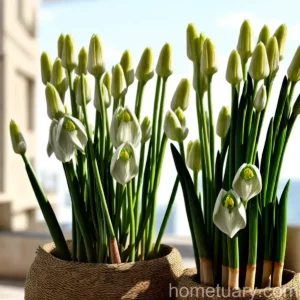
Triteleia hyacinthina (White Brodiaea): A Comprehensive Care Guide
Triteleia hyacinthina, also known as White Brodiaea, is a stunning perennial bulbous plant that belongs to the Asparagaceae family. This elegant flowering plant is native to California and Oregon and is highly admired for its charming white flowers, making it a desirable addition to gardens and landscapes. In this comprehensive care guide, we will explore everything you need to know about cultivating and caring for Triteleia hyacinthina, including its cultural requirements, uses, water needs, sunlight preferences, fertilizer requirements, soil preferences, pruning tips, propagation methods, common diseases and pests, and much more.
What is Triteleia hyacinthina (White Brodiaea)?
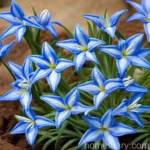
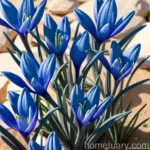
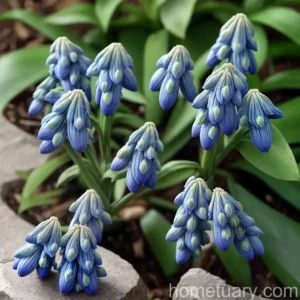
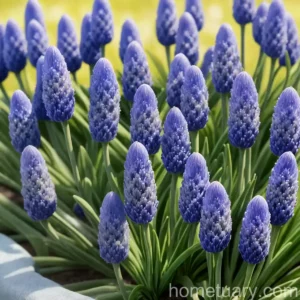
Triteleia hyacinthina, commonly known as White Brodiaea, is a species of flowering plant in the Asparagaceae family. It is an herbaceous perennial that is characterized by its slender stems and clusters of exquisite white, star-shaped flowers. This plant features narrow, grass-like leaves and produces delicate blossoms atop graceful stalks, creating an enchanting display in the garden.
Key Takeaways – Triteleia hyacinthina (White Brodiaea)
Before delving into the details of caring for Triteleia hyacinthina, let’s briefly highlight some key takeaways about this captivating plant:
- Scientific Name: Triteleia hyacinthina
- Common Name: White Brodiaea
- Family: Asparagaceae
- Native Habitat: California and Oregon
- Blossom Color: White
- Plant Type: Herbaceous perennial
- Blooming Season: Late spring to early summer
- Water Needs: Average
- Sunlight Requirements: Full sun to partial shade
- Soil Type: Well-draining soil
- Uses: Ornamental, landscaping, cut flowers
- Special Features: Attracts pollinators, low maintenance
Now that we have a basic understanding of Triteleia hyacinthina, let’s explore in detail the various aspects of caring for this charming plant.
Culture
Cultivating Triteleia hyacinthina can be a rewarding experience, especially when the cultural requirements of the plant are met. This includes understanding its water, sunlight, fertilizer, and soil needs, as well as proper pruning and propagation techniques.
Uses
Triteleia hyacinthina is primarily valued for its ornamental qualities and is often used in landscaping to add grace and elegance to garden beds, borders, and naturalized plantings. Additionally, its delicate white flowers make it a popular choice for cut flower arrangements, bringing a touch of natural beauty to indoor spaces.
Water
When it comes to watering Triteleia hyacinthina, it is essential to provide consistent moisture, especially during the active growing season. However, it is equally important to ensure that the soil is well-draining to prevent waterlogged conditions, which can lead to root rot. Regular watering, allowing the soil to dry out slightly between waterings, is the key to maintaining optimal moisture levels for healthy growth.
Sunlight
In terms of sunlight requirements, Triteleia hyacinthina thrives in full sun to partial shade. Providing at least 6-8 hours of sunlight per day is ideal for promoting robust growth and abundant flowering. While it can tolerate partial shade, ensuring adequate sunlight exposure will encourage the best flowering performance.
Fertilizer
Fertilizing Triteleia hyacinthina can enhance its overall vigor and blooming capacity. A balanced, slow-release fertilizer applied in early spring as new growth emerges can provide the plant with essential nutrients for healthy development. It is important to follow the recommended dosage and application instructions on the fertilizer label to avoid over-fertilization, which can be detrimental to the plant.
Soil
The soil requirements for Triteleia hyacinthina revolve around well-draining, moderately fertile soil. A loamy or sandy soil enriched with organic matter can create an optimal growing medium for this plant. Ensuring good drainage is crucial, as it prevents waterlogged conditions and the associated problems that can arise from excessive moisture around the roots.
Pruning
Pruning Triteleia hyacinthina is relatively simple and primarily involves removing spent flowers to promote continued blooming and prevent the plant from expending energy on seed production. Additionally, removing any yellowing or withered foliage can maintain the plant’s aesthetic appeal and reduce the risk of disease or pest issues.
Propagation
Triteleia hyacinthina can be propagated through various methods, including division of offsets, bulb division, or seed propagation. Dividing mature clumps of bulbs can be an effective way to increase the plant population or propagate new plants for garden expansion or sharing with fellow gardening enthusiasts. When propagating from seeds, it is important to ensure appropriate sowing and germination conditions to achieve successful propagation.
Container Popularity
Due to its graceful appearance and relatively compact growth habit, Triteleia hyacinthina is well-suited for container gardening. It can be an enchanting addition to outdoor patio spaces, balcony gardens, or as a focal point in container arrangements, adding a touch of natural beauty to urban and restricted garden areas.
Common Diseases
While Triteleia hyacinthina is known for its resilience and relatively low susceptibility to diseases, it is important to be aware of potential issues that may affect the plant’s health.
Disease Diagnosis
Common diseases that may affect Triteleia hyacinthina include fungal infections such as botrytis and rust, which can manifest as discolored or spotted foliage, wilting, or abnormal growth. Proper diagnosis and timely intervention are essential in managing and preventing the spread of diseases to ensure the plant’s longevity and vitality.
Common Pests
Triteleia hyacinthina is generally resistant to most pests, but certain insects such as aphids, thrips, and spider mites may occasionally pose a threat to the plant. Regular monitoring and early detection of pest infestations can prevent significant damage and minimize the need for harsh chemical interventions.
Botanist’s Tips
1. Companion Planting: Pairing Triteleia hyacinthina with companion plants such as lavender, salvia, or ornamental grasses can enhance the visual impact of garden beds and create a harmonious planting scheme.
2. Mulching: Applying a layer of organic mulch around the base of Triteleia hyacinthina can help conserve soil moisture, suppress weed growth, and improve the overall soil structure.
3. Wildlife Attraction: The charming blossoms of Triteleia hyacinthina can attract pollinators such as bees and butterflies, making it a valuable addition to wildlife-friendly gardens.
4. Seasonal Care: Providing adequate winter protection, such as mulching or covering with a layer of protective material, can help safeguard Triteleia hyacinthina from extreme cold and frost damage during the dormant season.
Fun Facts
- Although Triteleia hyacinthina is primarily recognized for its white flowers, there are also varieties that exhibit shades of blue and purple, adding to the plant’s diversity and appeal in garden settings.
- The genus name “Triteleia” is derived from the Greek words “tri,” meaning three, and “teleios,” meaning complete, referring to the plant’s trimerous floral parts and overall symmetry.
Links to External Resources
To further enrich your knowledge and understanding of Triteleia hyacinthina, consider exploring the following external resources:
- Royal Horticultural Society – Triteleia hyacinthina
- Missouri Botanical Garden – White Brodiaea
- University of California – White Brodiaea
- North Coast CNPS – Triteleia hyacinthina
In conclusion, Triteleia hyacinthina, or White Brodiaea, is a captivating plant with much to offer in terms of ornamental beauty, landscape value, and resilience. By understanding and implementing the recommended cultural practices, you can cultivate and enjoy the enchanting presence of Triteleia hyacinthina in your garden, creating a haven of natural elegance and charm.
Remember to continue exploring and learning about this remarkable plant, and embrace the joy of nurturing and witnessing its graceful blooms throughout the seasons.
Keywords: Triteleia hyacinthina care, White Brodiaea plant, How to grow Triteleia hyacinthina, White Brodiaea bulbs, Triteleia hyacinthina planting guide, White Brodiaea propagation, Triteleia hyacinthina varieties, White Brodiaea flowering tips, Triteleia hyacinthina bulbs for sale, White Brodiaea garden, Triteleia hyacinthina cultivation, White Brodiaea landscape design, Triteleia hyacinthina medicinal uses, White Brodiaea pests and diseases, Triteleia hyacinthina native habitat, White Brodiaea container gardening, Triteleia hyacinthina planting season, White Brodiaea companion plants, Triteleia hyacinthina winter care, White Brodiaea soil requirements, Triteleia hyacinthina water needs, White Brodiaea pruning tips, Triteleia hyacinthina sun exposure, White Brodiaea garden decor, Triteleia hyacinthina perennial flowers, White Brodiaea pollinators, Triteleia hyacinthina flowering period, White Brodiaea wildlife attraction, Triteleia hyacinthina garden design, White Brodiaea bulb storage, Triteleia hyacinthina seasonality, White Brodiaea drought tolerance, Triteleia hyacinthina landscaping ideas, White Brodiaea fertilization techniques, Triteleia hyacinthina planting depth, White Brodiaea garden maintenance, Triteleia hyacinthina cut flowers, White Brodiaea stress tolerance, Triteleia hyacinthina soil types, White Brodiaea ornamental value, Triteleia hyacinthina wildlife garden, White Brodiaea garden border, Triteleia hyacinthina floral arrangements, White Brodiaea seasonal blooming, Triteleia hyacinthina naturalized plantings, White Brodiaea water conservation, Triteleia hyacinthina garden colors, White Brodiaea landscape focal point, Triteleia hyacinthina garden edging, White Brodiaea soil amendments