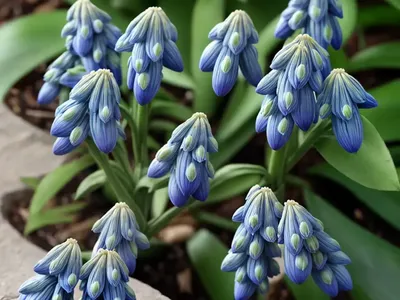
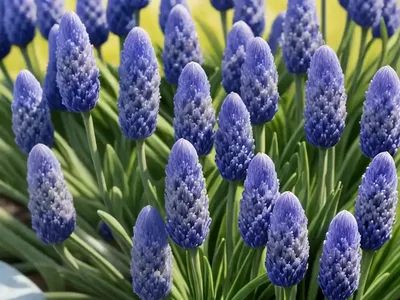
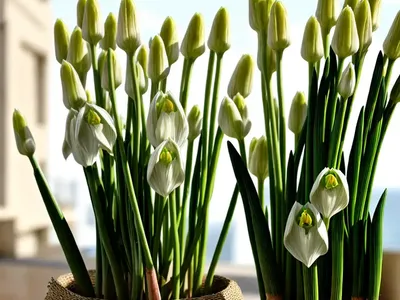
Triteleia Laxa (Ithuriel’s Spear)
Welcome to the world of Triteleia laxa, commonly known as Ithuriel’s Spear. This exquisite perennial plant belongs to the family Asparagaceae and is native.
Introduction
Welcome to the world of Triteleia laxa, commonly known as Ithuriel’s Spear. This exquisite perennial plant belongs to the family Asparagaceae and is native to western North America, particularly California and Oregon. The species is admired for its vibrant flowers and ease of cultivation, making it a favorite among gardeners and plant enthusiasts.
Throughout this comprehensive guide, we will delve into the various aspects of Triteleia laxa, including its cultural requirements, uses in gardening and landscaping, propagation methods, common diseases and pests, and much more. By the end of this article, you will have gained a deep understanding of how to care for and appreciate the beauty of Ithuriel’s Spear in various settings.
What is Triteleia laxa (Ithuriel’s Spear)?
Before we dive into the specifics of caring for Triteleia laxa, let’s familiarize ourselves with the plant’s characteristics and attributes.
Plant Description
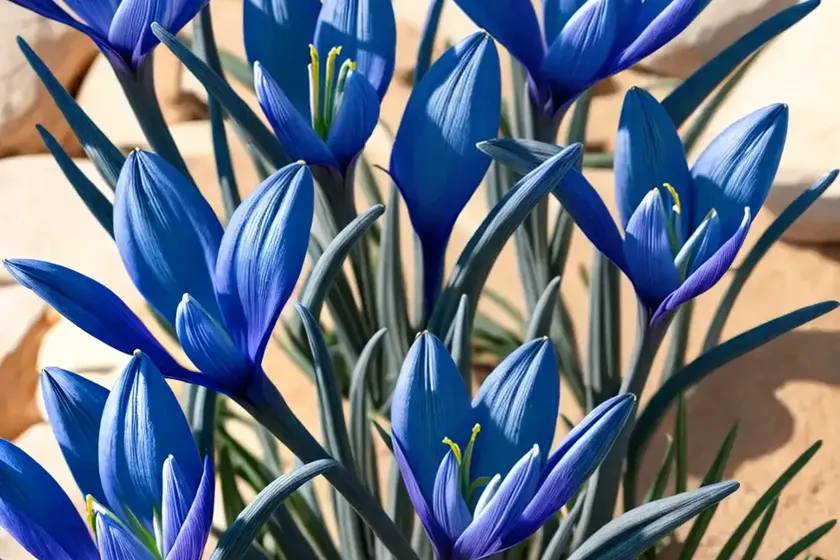
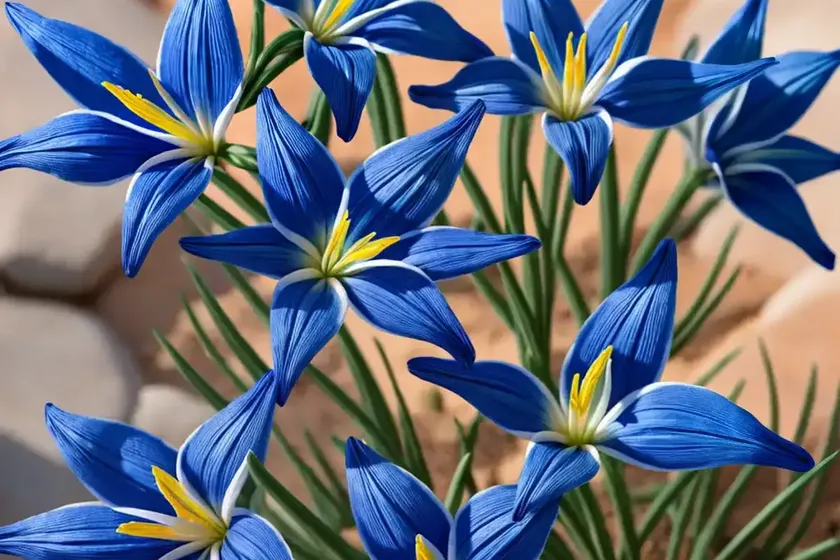
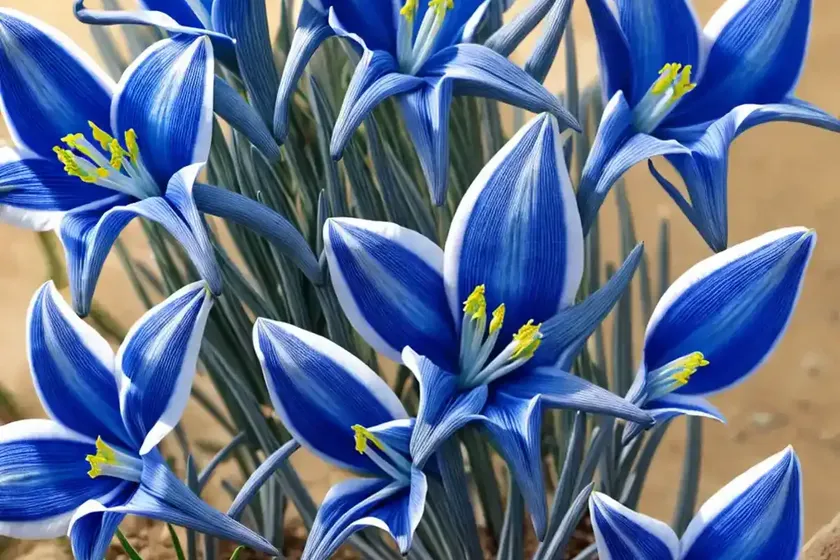
Triteleia laxa, or Ithuriel’s Spear, is a hardy perennial plant that emerges from a bulb. It features slender, upright stems that bear clusters of star-shaped, six-petaled flowers. The blossoms come in a range of mesmerizing colors including shades of blue, purple, and white, adding a delightful burst of color to gardens and landscapes. The plant’s foliage is comprised of linear, grass-like leaves that complement the vibrant floral display.
Key Takeaways – Triteleia laxa (Ithuriel’s Spear)
Let’s begin by exploring the key takeaways regarding the cultivation and care of Triteleia laxa or Ithuriel’s Spear:
- Common Name: Ithuriel’s Spear
- Scientific Name: Triteleia laxa
- Cultural Requirements: Water, sunlight, fertilizer, soil
- Pruning: Minimal maintenance required
- Propagation Methods: Seeds, division of bulbs
- Common Uses: Garden borders, rock gardens, cut flower arrangements
- Popularity: Popular among gardeners and landscapers
- Common Diseases: Fusarium rot, Botrytis blight
- Common Pests: Thrips, snails, slugs
With these key takeaways in mind, let’s embark on a detailed exploration of the various aspects of Triteleia laxa, from cultivation to its role in garden design.
Culture
Water
Proper watering is essential for the health and vitality of Ithuriel’s Spear. During the growing season, it is important to ensure that the plant receives consistent moisture. However, it is equally crucial to avoid overwatering, which can lead to waterlogged soil and potential issues such as root rot.
- Watering Frequency: Water the plant regularly, ensuring that the soil remains evenly moist but not waterlogged.
- Drought Tolerance: Despite its need for consistent moisture, Triteleia laxa exhibits good drought tolerance once established.
Sunlight
Like many flowering plants, Triteleia laxa thrives in well-lit conditions. Adequate sunlight is crucial for promoting robust growth and prolific flowering.
- Sun Exposure: Plant Ithuriel’s Spear in a location that receives full or partial sunlight, ideally providing at least 6 hours of direct sunlight per day.
- Shade Tolerance: While the plant benefits from sunlight, it can also tolerate partial shade, particularly in regions with intense afternoon sun.
Fertilizer
Appropriate fertilization can contribute to the overall health and vigor of Triteleia laxa, supporting its floral display and overall growth.
- Fertilizer Type: Apply a balanced, all-purpose fertilizer before the growing season begins to provide essential nutrients.
- Application Frequency: Fertilize the plant once a year, preferably in early spring, following the guidelines provided on the fertilizer label.
Soil
The quality and composition of the soil play a significant role in the cultivation of Triteleia laxa. Well-draining soil that is rich in organic matter is ideal for promoting healthy growth.
- Soil Type: Plant Ithuriel’s Spear in well-draining, loamy soil with a slightly acidic to neutral pH.
- Soil Amendments: Incorporate organic matter, such as compost, into the soil to enhance its fertility and structure.
Pruning
Triteleia laxa generally requires minimal pruning, as the plant maintains an attractive form without extensive maintenance. However, removing spent flowers and any damaged or withered foliage can help maintain the plant’s appearance and encourage continuous blooming.
- Deadheading: Deadhead faded flowers to promote prolonged blooming and prevent the development of seeds.
- Leaf Removal: Trim or remove any yellowing or declining leaves to maintain the plant’s visual appeal.
Propagation
The propagation of Triteleia laxa can be achieved through various methods, including seed propagation and division of bulbs. These techniques allow gardeners to propagate new plants and expand their Ithuriel’s Spear display.
- Propagation by Seeds: Collect seeds from mature seed pods and sow them in well-prepared soil, following the specific guidelines for seed germination and growth.
- Bulb Division: In late summer or early autumn, carefully dig up the bulbs and divide the offsets, ensuring that each division has sufficient roots for successful establishment.
Container Popularity
When it comes to container gardening, Triteleia laxa holds significant appeal. Its compact nature and dazzling floral display make it an ideal choice for container cultivation, adding vibrant color to patios, balconies, and other outdoor spaces.
- Container Selection: Choose a spacious, well-draining container for planting Ithuriel’s Spear, allowing room for the bulbs to develop and the plant to thrive.
- Soil Considerations: Use a high-quality potting mix that provides adequate drainage and nutrient retention.
Common Diseases
Despite its resilience, Triteleia laxa is susceptible to certain diseases that can affect its growth and vitality. It is important for gardeners to be alert to potential issues and take preventive measures to safeguard the plant’s health.
Disease Diagnosis
Understanding the symptoms and signs of common diseases can aid in the early diagnosis and treatment of any issues that may arise in Triteleia laxa.
- Fusarium Rot: Look for signs of wilting, yellowing foliage, and rotting at the base of the plant, which may indicate the presence of Fusarium rot.
- Botrytis Blight: Keep an eye out for gray mold on the flowers, stems, or leaves, as this could be a sign of Botrytis blight.
Disease Management
To manage and prevent potential diseases, it is essential to adopt proactive measures to protect Triteleia laxa from common issues.
- Cultural Practices: Ensure proper air circulation and avoid overcrowding of plants to reduce the risk of fungal diseases.
- Sanitation: Remove and dispose of any infected plant material to prevent the spread of diseases.
Common Pests
In addition to diseases, Triteleia laxa can be targeted by certain pests that may compromise its growth and flowering. Identifying these pests and implementing pest management strategies is essential for maintaining the plant’s health.
Common Pests
Several pests pose potential threats to Ithuriel’s Spear, and prompt intervention is necessary to mitigate their impact.
- Thrips: These tiny, slender insects may feed on the plant’s flowers, causing damage and distortion.
- Snails and Slugs: These mollusks are known to feed on tender plant tissues, potentially leading to significant damage.
Pest Control
Applying effective pest control measures can help protect Triteleia laxa from infestations and minimize the damage caused by common pests.
- Natural Predators: Encourage the presence of natural predators, such as beneficial insects, to control pest populations.
- Barriers and Traps: Implement physical barriers and use traps to deter and capture pests, reducing their impact on the plant.
Botanist’s Tips
To further enrich your understanding of Triteleia laxa and enhance your cultivation practices, consider these valuable tips from botanists and experienced gardeners.
- Companion Planting: Pair Ithuriel’s Spear with other flowering plants, such as coreopsis and penstemon, to create captivating garden displays and support pollinators.
- Naturalization: Allow Triteleia laxa to naturalize and spread in suitable areas, creating charming drifts of color and enhancing the landscape.
Fun Facts
Uncover some intriguing and delightful facts about Triteleia laxa that showcase the unique charm and appeal of Ithuriel’s Spear.
- Native Habitat: Triteleia laxa is a native plant of the western regions of North America, thriving in its natural habitat and captivating native pollinators.
- Wildlife Friendly: The vibrant blooms of Ithuriel’s Spear attract and support various pollinators, contributing to the ecological balance.
With these insights into the culture, propagation, and care of Triteleia laxa, we have laid a strong foundation for your journey in cultivating and appreciating the beauty of Ithuriel’s Spear. As we continue to explore the diverse aspects of this remarkable plant, we will discover its uses in garden design, its role as a food source for wildlife, and additional pertinent information.
For more detailed information, tips, and resources, please continue to the next section.
Links to External Resources
To further expand your knowledge and understanding of Triteleia laxa and enhance your cultivation and appreciation of Ithuriel’s Spear, explore the following external resources:
- The Pacific Bulb Society – Triteleia laxa
- Royal Horticultural Society – Growing Bulbs
- University of California – Triteleia laxa Information
Continue your journey in exploring the wonders of Triteleia laxa and uncovering the myriad possibilities for its use and cultivation.
In the subsequent sections, we will delve into the uses of Ithuriel’s Spear in landscaping and garden design, its ecological significance as a resource for wildlife, and additional valuable insights to enrich your experience with this remarkable plant.
As we continue our exploration of Triteleia laxa, also known as Ithuriel’s Spear, we will delve into its uses in garden and landscape design, considering its aesthetic appeal, ecological benefits, and versatility in diverse settings. From garden borders to rock gardens and cut flower arrangements, Ithuriel’s Spear presents an array of possibilities for enhancing outdoor spaces and supporting local ecosystems.
Triteleia laxa Varieties
While the classic Triteleia laxa features stunning blue and purple flowers, there are several notable varieties that offer distinct colors and bloom characteristics, enriching the range of options for gardeners and designers.
- Variety 1: Triteleia laxa var. albescens – This variety showcases delicate white flowers, adding a sense of purity and elegance to garden displays.
- Variety 2: Triteleia laxa ‘Rudy’ – ‘Rudy’ features vibrant pinkish-magenta flowers, offering a captivating alternative to the classic blue and purple shades.
By incorporating these varieties, gardeners can introduce a diverse color palette and add captivating visual interest to their landscapes and gardens.
Ithuriel’s Spear Flower Colors
The enchanting flowers of Triteleia laxa come in a range of captivating colors, each contributing to distinct visual effects and design possibilities.
- Blue: The classic blue flowers of Ithuriel’s Spear exude a sense of tranquility and are widely admired for their timeless appeal.
- Purple: Rich purple blooms bring depth and vibrancy to garden compositions, creating striking focal points in outdoor settings.
- White: The purity and luminosity of white flowers bring a sense of grace and elegance, adding a touch of sophistication to garden displays.
Triteleia laxa Blooming Season
Understanding the blooming season of Ithuriel’s Spear is fundamental for planning and designing garden landscapes that feature uninterrupted floral displays throughout the year.
- Spring to Early Summer: Triteleia laxa typically blooms from late spring to early summer, filling the garden with an array of striking colors and captivating scents.
- Extended Blooming Period: With proper care and favorable conditions, Ithuriel’s Spear can delight with extended blooming, adding enduring beauty to garden settings.
Ithuriel’s Spear Plant Care Tips
To ensure optimal growth and flowering of Triteleia laxa, certain care practices and maintenance tips can enhance the plant’s performance and overall appeal within garden and landscape designs.
- Mulching: Apply a layer of organic mulch around the base of the plant to conserve soil moisture, suppress weed growth, and enhance the appearance of garden beds.
- Companion Plants: Pair Triteleia laxa with complementary flowering plants, foliage accents, and ornamental grasses to create harmonious and visually compelling garden compositions.
Triteleia laxa Planting Guide
When incorporating Triteleia laxa into garden and landscape designs, strategic planning and proper planting techniques are essential for achieving the best results and maximizing the plant’s visual impact.
- Spacing: Plant Ithuriel’s Spear bulbs at appropriate spacing to allow for adequate air circulation and accommodate the plant’s mature size.
- Group Plantings: Create visually dynamic displays by planting clusters or drifts of Triteleia laxa, showcasing the plant’s captivating colors and form.
Ithuriel’s Spear in the Landscape
Triteleia laxa offers diverse opportunities for integration into landscape designs, contributing to the visual appeal and ecological value of outdoor environments.
- Garden Borders: Use Ithuriel’s Spear to create vibrant and texturally rich borders, framing garden spaces and infusing them with color and vitality.
- Rock Gardens: Incorporate Triteleia laxa into rock gardens to introduce dynamic floral accents and contrast against the rugged textures of the landscape.
Triteleia laxa Perennial Plant
As a perennial plant, Triteleia laxa provides enduring beauty and presence in garden and landscape designs, returning year after year to enchant with its captivating display of flowers.
- Long-Term Planting: Strategically position Ithuriel’s Spear within garden compositions to ensure its perennial nature contributes to the enduring charm of the landscape.
- Seeding Succession: Allow Triteleia laxa to self-seed in suitable areas, creating naturalized drifts of color and rejuvenating the plant population over time.
Ithuriel’s Spear Flower Arrangements
The vibrant and gracefully upright flowers of Triteleia laxa lend themselves beautifully to cut flower arrangements, adding a touch of natural charm and elegance to interior spaces.
- Cutting Guidelines: Harvest Ithuriel’s Spear flowers for arrangements when the blossoms are in full bloom, ensuring a long-lasting and stunning display.
- Mix and Match: Combine Triteleia laxa blooms with complementary flowers, foliage, and grasses to create captivating floral displays that reflect the beauty of the outdoors.
Triteleia laxa Naturalizes Easily
With its naturalizing tendencies, Triteleia laxa readily expands and establishes itself in suitable garden environments, providing effortless beauty and charm.
- Naturalization Benefits: Embrace the naturalizing habits of Ithuriel’s Spear to create low-maintenance, yet visually impactful garden settings.
- Wildlife Habitat: The self-sustaining nature of Triteleia laxa contributes to the enhancement of local wildlife habitats, supporting pollinators and beneficial insects.
Ithuriel’s Spear Watering Requirements
Understanding the specific watering needs of Triteleia laxa is essential for providing the appropriate level of moisture and maintaining the plant’s vigor.
- Consistent Moisture: Ensure that Ithuriel’s Spear receives regular, consistent moisture, particularly during periods of active growth and flowering.
- Drought-Tolerance: Once established, Triteleia laxa exhibits good tolerance to brief periods of drought, but consistent moisture is still preferred for optimal performance.
Continue your exploration of Triteleia laxa and its uses in garden and landscape design, discovering the diverse possibilities and inspiring applications of Ithuriel’s Spear in outdoor settings.
In the subsequent sections, we will delve into the role of Ithuriel’s Spear as a food source for wildlife, its contributions to ecological balance, and additional insights to further enrich your experience with this exceptional plant.
As we further uncover the multifaceted attributes of Triteleia laxa, known commonly as Ithuriel’s Spear, we will explore its significance as a valuable resource for wildlife and its contributions to ecological balance. From attracting pollinators to providing sustenance for local fauna, Ithuriel’s Spear plays a meaningful role in supporting biodiversity and fostering thriving ecosystems.
Ithuriel’s Spear for Pollinators
The charming blooms of Triteleia laxa are a beacon for pollinators, drawing them in with their vibrant colors and abundant nectar, and contributing to the pollination of neighboring plants.
- Pollinator Diversity: Ithuriel’s Spear attracts a diverse array of pollinators, including bees, butterflies, and other beneficial insects, enhancing biodiversity in garden and natural settings.
- Nectar Availability: The ample nectar production of Triteleia laxa sustains pollinators and supports their essential role in the pollination of flowering plants.
Triteleia laxa Companion Plants
By strategically selecting companion plants to grow alongside Triteleia laxa, gardeners can create harmonious and ecologically rich garden compositions that cater to the needs of local wildlife and foster balanced ecosystems.
- Nectar-Rich Plants: Pair Ithuriel’s Spear with nectar-rich flowering plants, such as salvias and verbenas, to provide additional food sources for pollinators.
- Host Plant Connections: Include host plants for butterfly and moth larvae in close proximity to Triteleia laxa, promoting the full life cycle of these beneficial insects.
Ithuriel’s Spear in Containers
The versatility of Triteleia laxa extends to container gardening, where its vibrant blooms and low-maintenance nature make it a valuable addition to outdoor spaces and urban environments.
- Balcony Gardens: Incorporate Ithuriel’s Spear into balcony gardens to infuse small outdoor spaces with the charm of blooming flowers and support urban pollinator populations.
- Patio Displays: Use containers of Triteleia laxa to create captivating and manageable displays on patios and terraces, adding color and vitality to urban outdoor areas.
Triteleia laxa Soil Preferences
Understanding the soil preferences of Ithuriel’s Spear is essential for creating