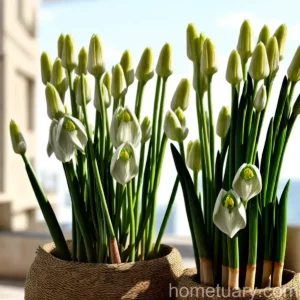
Triteleia laxa ‘Queen Fabiola’ (Ithuriel’s Spear)
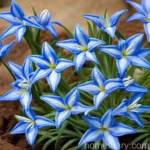
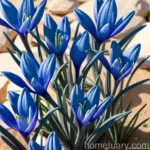
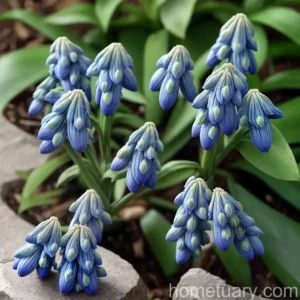
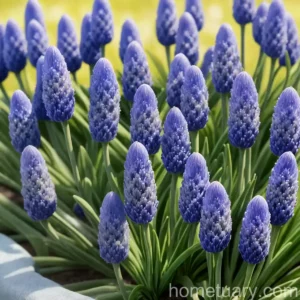
Triteleia laxa, also known as ‘Queen Fabiola’ or Ithuriel’s Spear, is a stunning and versatile flowering plant that belongs to the family Asparagaceae. It is native to California, Oregon, and Baja California, where it thrives in grassy areas, open woods, and hillsides with well-drained soils. This beautiful plant boasts striking violet-blue flowers and slender, grass-like leaves, making it a popular choice for gardeners and landscapers.
In this comprehensive guide, we will explore the characteristics, cultivation, care tips, and uses of Triteleia laxa ‘Queen Fabiola.’ Whether you are a seasoned gardener or a novice plant enthusiast, this article will provide you with valuable insights into the world of this enchanting species.
Key Takeaways – Triteleia laxa ‘Queen Fabiola’ (Ithuriel’s Spear)
Before delving into the detailed aspects of growing and caring for Triteleia laxa ‘Queen Fabiola,’ let’s summarize the key takeaways:
-
Characteristics: Triteleia laxa ‘Queen Fabiola’ is characterized by its stunning violet-blue flowers and slender, grass-like foliage.
-
Cultivation: This plant thrives in well-drained soil and is well-suited for grassy areas, open woods, and hillsides.
-
Care Tips: Triteleia laxa ‘Queen Fabiola’ requires moderate watering, ample sunlight, and occasional fertilization for optimal growth.
-
Uses: It is a versatile plant that can be used in garden borders, container arrangements, cut flower displays, and wildlife-friendly landscapes.
Now, let’s delve into the detailed insights into the cultivation, care, uses, and interesting facts about Triteleia laxa ‘Queen Fabiola.’
What is Triteleia laxa ‘Queen Fabiola’?
Triteleia laxa, commonly known as Ithuriel’s Spear or Triplet Lily, is a species of flowering plant in the family Asparagaceae. It is native to California, Oregon, and Baja California, where it can be found in a variety of habitats, including grasslands, open woodlands, and hillsides. The plant produces charming violet-blue flowers that are arranged in clusters atop tall, slender stems. The flowers, which typically bloom in late spring to early summer, attract pollinators such as bees and butterflies, adding a delightful touch to any garden or landscape.
Characteristics of Triteleia laxa ‘Queen Fabiola’
The ‘Queen Fabiola’ variety of Triteleia laxa is particularly prized for its captivating violet-blue flowers and graceful foliage. It typically reaches a height of 12-24 inches (30-60 cm) and forms attractive clumps with multiple flowering stems. The flowers themselves consist of six pointed tepals that create a star-shaped appearance, adding an eye-catching display of color to the garden. The grass-like leaves emerge from the base of the plant, adding to its overall elegance and appeal.
Culture
Water
Triteleia laxa ‘Queen Fabiola’ thrives in moderately moist conditions but is remarkably drought-tolerant once established. When watering, it is crucial to avoid waterlogging the soil, as the plant prefers well-drained conditions. During the active growing season, regular watering is beneficial, while the frequency can be reduced during the dormant period in late summer and fall.
Watering Tips:
- Water the plant when the soil feels dry to the touch, especially during dry spells.
- Use a balanced approach to watering, ensuring that the soil does not become waterlogged.
- Reduce watering in late summer and fall to mimic the plant’s natural dormancy period.
Sunlight
Triteleia laxa ‘Queen Fabiola’ thrives in full sun to partial shade. In regions with hot summers, providing some protection from intense midday sun can be beneficial, especially during prolonged periods of high temperatures. Adequate sunlight is essential for the plant to produce an abundance of vibrant flowers and maintain healthy foliage.
Sunlight Recommendations:
- Choose a planting location that receives at least 6-8 hours of sunlight per day.
- In hot climates, provide partial shade during the hottest part of the day to prevent leaf scorch.
- Monitor the plant’s response to sunlight and adjust the exposure as needed to optimize its growth and flowering.
Fertilizer
While Triteleia laxa ‘Queen Fabiola’ is relatively low-maintenance, occasional fertilization can support its growth and flowering performance. A balanced, all-purpose fertilizer can be applied in early spring as new growth emerges. It is essential to follow the manufacturer’s recommendations regarding application rates and frequency, as excessive fertilization can lead to overly lush foliage with reduced flowering.
Fertilization Guidelines:
- Apply a balanced, all-purpose fertilizer in early spring to provide a nutrient boost for the growing season.
- Use a fertilizer with a balanced NPK ratio, such as a 10-10-10 or 20-20-20 formulation, following the recommended application rates.
- Avoid excessive fertilization, as it can lead to excessive foliage growth at the expense of flowers.
Soil
Triteleia laxa ‘Queen Fabiola’ thrives in well-drained, moderately fertile soil. It is adaptable to various soil types, including loamy, sandy, or rocky soils, as long as they offer good drainage. Amending heavy or compacted soils with organic matter, such as compost or peat moss, can enhance the soil structure and fertility, providing an optimal growing medium for the plant.
Soil Recommendations:
- Ensure the soil provides good drainage to prevent waterlogging, especially during the plant’s dormancy period.
- Amend heavy or clay soils with organic matter to improve drainage and fertility.
- Maintain slightly acidic to neutral soil pH, ideally within the range of 6.0-7.0, for optimal nutrient availability.
Pruning
Minimal pruning is required for Triteleia laxa ‘Queen Fabiola.’ After the plant has finished flowering, spent flower stems can be removed to promote a tidy appearance and prevent self-seeding. As the foliage naturally fades and withers in late summer, it can be trimmed back to ground level. This process helps the plant conserve energy and prepares it for the upcoming dormant period.
Pruning Tips:
- Remove spent flower stems after the blooming period to tidy up the plant’s appearance.
- Trim back fading foliage to ground level in late summer to prepare the plant for dormancy.
- Avoid over-pruning, as the foliage provides energy for the plant’s growth and replenishment of stored nutrients.
Propagation
Triteleia laxa ‘Queen Fabiola’ can be propagated through various methods, including division, offsets, and seed sowing. These propagation techniques allow gardeners to expand their plant collection or share the beauty of Triteleia laxa with others.
Propagation Methods:
-
Division: In early spring, established clumps of Triteleia laxa can be carefully divided into smaller sections, each containing several bulbs and associated roots. These divisions can be replanted in suitable locations or shared with fellow gardening enthusiasts.
-
Offsets: The bulbs of Triteleia laxa produce offsets or small bulbils that develop alongside the main bulb. These offsets can be gently detached from the parent bulb and planted in new locations to establish independent plants.
-
Seed Sowing: Collecting and sowing seeds from mature Triteleia laxa ‘Queen Fabiola’ plants can be an exciting way to grow new individuals. Sow the seeds in well-drained, fertile soil in spring or fall and provide adequate moisture for germination.
Propagation Tips:
- Choose healthy, vigorous plants for division or offsets to ensure successful establishment.
- Provide suitable growing conditions and care for newly propagated plants to support their growth and development.
- Collect seeds from mature plants and sow them in a prepared seedbed for natural germination and establishment.
Container Popularity
Triteleia laxa ‘Queen Fabiola’ is well-suited for cultivation in containers, making it an excellent choice for patio gardens, balconies, and small outdoor spaces. When grown in containers, this plant offers versatility and an opportunity to appreciate its exquisite flowers and graceful foliage up close. When selecting a container, prioritize a well-drained and appropriately sized vessel that accommodates the plant’s growth and development.
Container Cultivation Tips:
- Choose a container with adequate drainage holes to prevent waterlogging and support healthy root growth.
- Select a well-draining potting mix designed for container gardening to ensure optimal soil conditions.
- Regularly monitor the soil moisture levels and provide appropriate watering based on the plant’s needs.
Common Diseases
Disease Diagnosis
Triteleia laxa ‘Queen Fabiola’ is relatively resistant to most common plant diseases when provided with suitable growing conditions and care. However, it may be susceptible to certain fungal diseases and rot issues if it experiences prolonged periods of excessive moisture or poor air circulation. Monitoring the plant for symptoms of disease and promptly addressing any signs of trouble can help maintain its health and vigor.
Common Disease Symptoms:
- Crown Rot: Excessive soil moisture can lead to crown rot, causing the plant’s base to become soft, discolored, and prone to collapse.
- Fungal Leaf Spots: Dark spots or lesions on the foliage can indicate the presence of fungal pathogens, particularly in humid or excessively wet conditions.
- Bulb Rot: Prolonged moisture around the bulbs can lead to rotting, which is often accompanied by foul odors and softening of the affected bulbs.
Disease Management:
- Provide well-drained soil conditions and avoid overwatering to prevent conditions conducive to disease development.
- Monitor the plant regularly for signs of disease, including changes in color, texture, or structure.
- Address any disease symptoms promptly by removing affected plant parts and adjusting growing conditions to minimize disease spread.
Common Pests
Triteleia laxa ‘Queen Fabiola’ is generally resistant to most common garden pests, thanks to its natural vigor and resilience. However, it may occasionally encounter pest challenges, particularly in conditions that compromise its health and vitality.
Potential Pests:
- Thrips: These small, slender insects can cause damage to the flowers and foliage by feeding and may leave behind silvery or translucent spots.
- Aphids: These soft-bodied insects can infest new growth, causing distortion and discoloration while excreting honeydew that attracts ants and promotes sooty mold growth.
- Snails and Slugs: These mollusks may feed on the tender foliage and flowers, leaving ragged edges and holes in the plant’s leaves.
Pest Management:
- Encourage natural predators and beneficial insects, such as ladybugs and lacewings, to control pest populations.
- Monitor the plant regularly for signs of pest activity, including damage, feeding trails, and the presence of the pests themselves.
- Use non-toxic pest control methods, such as insecticidal soaps or horticultural oils, to manage pest infestations while minimizing harm to beneficial organisms.
Botanist’s Tips
As a plant biologist, here are some additional insights to help you successfully grow and enjoy Triteleia laxa ‘Queen Fabiola’ in your garden or landscape:
-
Enhance Pollinator Gardens: The vibrant flowers of Triteleia laxa ‘Queen Fabiola’ are highly attractive to pollinators, making it a valuable addition to pollinator-friendly gardens. Surrounding it with other nectar-rich and pollen-producing plants can enhance its appeal to bees, butterflies, and other pollinating insects.
-
Naturalize in Wild Areas: If you have a naturalized or wild area in your garden, consider introducing Triteleia laxa ‘Queen Fabiola’ to add a touch of natural beauty. It can thrive in open woodlands and meadows, contributing to the diversity and ecological value of the landscape.
-
Harvesting Flowers: The striking blooms of Triteleia laxa ‘Queen Fabiola’ can be harvested for cut flower arrangements, adding a touch of elegance to indoor spaces or special occasions. When cutting the flowers, leave a sufficient portion of the stem to support the plant’s continued vitality.
-
Companion Planting: Pair Triteleia laxa ‘Queen Fabiola’ with complementary plants to create visually appealing and ecologically beneficial combinations. Consider planting it alongside other early summer bloomers or plants with contrasting foliage textures to create dynamic landscape compositions.
-
Stress-Free Planting: Triteleia laxa ‘Queen Fabiola’ is relatively low-maintenance and adaptable, making it an excellent choice for gardeners seeking stress-free plants with reliable performance. Once established, it requires minimal intervention to thrive and provide delightful displays of blooms.
Fun Facts
As you explore the world of Triteleia laxa ‘Queen Fabiola,’ consider these fascinating and delightful facts about this enchanting plant:
- Native American Uses: Some Native American tribes historically used parts of Triteleia laxa for medicinal and culinary purposes, highlighting the cultural and historical significance of this plant.
- Ornamental Value: The captivating violet-blue flowers of Triteleia laxa ‘Queen Fabiola’ have earned it a place in many gardens and landscapes, where it captivates onlookers with its stunning blooms.
Links to External Resources
Explore more about Triteleia laxa ‘Queen Fabiola’ and enhance your knowledge of this captivating plant:
- Royal Horticultural Society – Triteleia laxa
- USDA Plants Database – Triteleia laxa
- Missouri Botanical Garden – Triteleia laxa ‘Queen Fabiola’
- American Horticultural Society – Ithuriel’s Spear: Triteleia laxa
Conclusion
In conclusion, Triteleia laxa ‘Queen Fabiola’ (Ithuriel’s Spear) is a captivating and versatile flowering plant that offers a wealth of ornamental, ecological, and cultural value. Its charming violet-blue flowers, adaptable nature, and low-maintenance requirements make it an excellent choice for gardeners and landscapers seeking an enchanting addition to their outdoor spaces.
By understanding its cultivation requirements, care tips, and uses, you can confidently incorporate Triteleia laxa ‘Queen Fabiola’ into your garden, containers, or landscape designs, enriching your outdoor environment with its striking beauty and graceful presence.
We hope that this comprehensive guide has provided you with valuable insights into the world of Triteleia laxa ‘Queen Fabiola,’ inspiring you to cultivate, appreciate, and share the allure of this remarkable plant. Happy gardening!