Triteleia ‘Rudy’ (Ithuriel’s Spear): A Comprehensive Guide
Plants have been an integral part of human culture and civilization since ancient times. These living organisms play a crucial role in maintaining the ecological balance and providing numerous benefits to humanity. In this comprehensive guide, we will explore the captivating Triteleia ‘Rudy’ (commonly known as Ithuriel’s Spear) – a stunning perennial plant that has gained popularity for its remarkable characteristics and versatility in landscaping and gardening. From its cultural significance to its care requirements, we will delve into various aspects related to this fascinating plant.
What is Triteleia ‘Rudy’ (Ithuriel’s Spear)?
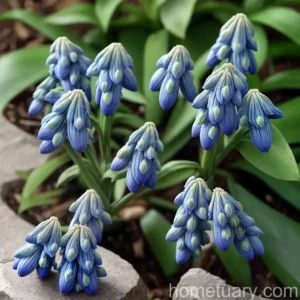
Triteleia ‘Rudy,’ also known as Ithuriel’s Spear, is a striking perennial plant belonging to the genus Triteleia. It is native to the western regions of North America, where it thrives in diverse habitats, including grasslands, oak woodlands, and mountainous areas. The plant is characterized by its slender stems topped with clusters of star-shaped, violet-blue flowers, which bloom in the summer, adding vibrant color to gardens and landscapes. The botanical name “Ithuriel’s Spear” is derived from the biblical story of the angel Ithuriel, who used a magical spear to uncover hidden truths – a fitting name for a plant with such enchanting qualities.
Key Takeaways – Triteleia ‘Rudy’ (Ithuriel’s Spear)
Before delving deeper into the specifics of caring for Triteleia ‘Rudy’, let’s take a glance at the key takeaways associated with this captivating plant.
- Common Name: Ithuriel’s Spear
- Botanical Name: Triteleia ‘Rudy’
- Plant Type: Perennial
- Flower Color: Violet-Blue
- Bloom Time: Summer
- Growth Habit: Clumping
- Ideal Uses: Gardens, Landscapes, Cut Flowers
- Special Features: Attracts Pollinators, Deer-Resistant
- Cultural Significance: Native American and Indigenous People’s Traditional Uses
Now that we have a brief overview of Triteleia ‘Rudy’, let’s explore the various aspects of caring for this captivating plant.
Culture
Understanding the cultural requirements of Triteleia ‘Rudy’ is essential for successfully nurturing this plant in gardens and landscapes. From water and sunlight to soil and fertilizer preferences, each aspect of its culture plays a pivotal role in promoting healthy growth and prolific flowering.
Water
Triteleia ‘Rudy’ thrives in well-drained soils, and therefore, it is crucial to provide adequate moisture without allowing the roots to become waterlogged. During the active growing season, regular watering is necessary, especially during dry spells. However, it’s important to avoid overwatering, as excessive moisture can lead to root rot and other water-related issues. In regions with adequate rainfall, supplemental irrigation may not be necessary, but in drier climates, consistent moisture is key to promoting vigorous growth and abundant blooms.
Sunlight
When it comes to sunlight requirements, Triteleia ‘Rudy’ flourishes in areas with full sun to partial shade. Ideally, it should receive at least six hours of direct sunlight to ensure optimal flowering and overall health. However, in extremely hot climates, providing some afternoon shade can help prevent sunscald and stress on the plant. Understanding the sunlight needs of Ithuriel’s Spear is essential for selecting the right planting location and creating an environment where it can thrive.
Fertilizer
To support robust growth and prolific flowering, applying a balanced fertilizer in early spring can provide the necessary nutrients for Triteleia ‘Rudy.’ A slow-release fertilizer with a balanced N-P-K (nitrogen, phosphorus, and potassium) ratio is suitable for promoting healthy foliage and vibrant blooms. It’s important to follow the recommended application rates and avoid over-fertilization, as excessive nutrient levels can lead to imbalanced growth and potential damage to the plant.
Soil
Triteleia ‘Rudy’ prefers well-drained, loamy soils with a slightly acidic to neutral pH range. Amending heavy clay soils with organic matter, such as compost or peat moss, can improve drainage and create a more favorable growing environment for the plant. Additionally, incorporating a layer of mulch around the base of the plant can help retain soil moisture, regulate temperature, and reduce weed competition. Understanding the soil preferences of Ithuriel’s Spear is essential for establishing an ideal growing medium that supports its long-term health and vitality.
Pruning
Triteleia ‘Rudy’ is relatively low-maintenance when it comes to pruning. However, removing faded flowers (deadheading) can help stimulate additional blooms and prevent the plant from expending energy on seed production. Additionally, trimming back the foliage once it begins to yellow and wither in late summer or early fall can tidy up the garden bed and prepare the plant for its dormant period. Pruning should be done with clean, sharp tools to minimize the risk of disease transmission and ensure a neat, precise cut.
Propagation
Triteleia ‘Rudy’ can be propagated through various methods, including division, seeds, and bulblets. Division involves separating the existing clumps of the plant into smaller sections, each with its own set of roots and foliage. This method is typically performed in the fall or early spring when the plant is not actively growing. Seeds can also be collected from mature flower heads and sown in prepared soil to establish new plants. Additionally, bulblets, which are small, secondary bulbs that develop around the base of the plant, can be carefully removed and replanted to propagate new individuals. Each propagation method offers a unique approach to expanding the presence of Triteleia ‘Rudy’ in gardens and landscapes.
Container Popularity
Triteleia ‘Rudy’ is well-suited for container gardening, offering the versatility to thrive in pots, planters, and other suitable containers. Its compact growth habit and stunning blooms make it an excellent choice for adding visual interest to outdoor spaces, balconies, and patios. When selecting a container for Triteleia ‘Rudy’, be sure to choose one with adequate drainage holes to prevent waterlogging and ensure proper soil aeration. Container-grown Triteleia ‘Rudy’ may require more frequent watering than those planted in the ground, as the soil tends to dry out more quickly in pots. Additionally, providing a balanced liquid fertilizer during the active growing season can help maintain healthy growth and flowering.
Common Diseases
Triteleia ‘Rudy’ is relatively resistant to most common plant diseases, given its preference for well-drained soil and proper cultural care. However, in unfavorable growing conditions or during periods of prolonged moisture, the plant may be susceptible to certain issues, including:
- Botrytis Blight: This fungal disease can cause gray mold on the foliage and flowers, particularly in humid conditions. Proper air circulation and avoiding overhead watering can help prevent botrytis blight.
- Root Rot: Excessive moisture and poorly drained soil can contribute to root rot, leading to wilting, yellowing foliage, and stunted growth. Ensuring proper soil drainage and avoiding overwatering is essential for preventing this issue.
- Aphids and Thrips: These common insect pests can occasionally affect Triteleia ‘Rudy’ by feeding on the plant sap, leading to distorted growth and potential damage. Regular monitoring and the use of insecticidal soaps or horticultural oils can help manage aphid and thrip infestations.
Disease Diagnosis
When diagnosing potential diseases affecting Triteleia ‘Rudy’, it’s important to carefully observe the plant for any signs of abnormal growth, discoloration, or damage. By conducting a thorough visual inspection and, if necessary, consulting with local extension services or experienced horticulturists, it is possible to accurately identify any potential issues and implement appropriate measures for disease management. Early detection and prompt action can significantly contribute to the overall health and resilience of the plant.
Common Pests
While Triteleia ‘Rudy’ is relatively resistant to many pests, it can occasionally face challenges from common garden insects. Some of the pests that may affect Triteleia ‘Rudy’ include aphids, thrips, and nematodes. Regular monitoring of the plant, especially during the growing season, can help identify pest infestations early, enabling timely intervention to prevent widespread damage. Implementing integrated pest management (IPM) strategies, such as introducing beneficial insects and using targeted treatments, can effectively manage pest populations while minimizing the impact on beneficial organisms and the surrounding environment.
Botanist’s Tips
To ensure the successful growth and vigor of Triteleia ‘Rudy’, consider the following botanist’s tips:
- Planting Depth: When planting Triteleia ‘Rudy’ bulbs, ensure they are positioned at a depth of 3-4 inches to provide adequate anchorage and protection from temperature fluctuations.
- Mulching: Applying a layer of organic mulch around the base of the plant can help conserve soil moisture, regulate temperature, and suppress weed growth.
- Companion Planting: Pair Triteleia ‘Rudy’ with companion plants that complement its growth habits and flower colors, creating visually appealing combinations in garden beds and borders.
- Regular Monitoring: Periodically inspect Triteleia ‘Rudy’ for signs of disease, pests, or nutrient deficiencies, and take proactive measures to address any issues promptly.
Fun Facts
Uncover some intriguing and delightful facts about Triteleia ‘Rudy’ (Ithuriel’s Spear):
- Native American Traditions: Triteleia ‘Rudy’ holds cultural significance in Native American traditions, where it is valued for its medicinal and culinary uses and respected as a symbol of resilience and natural beauty.
- Butterfly Attraction: The vibrant violet-blue flowers of Triteleia ‘Rudy’ attract various pollinators, including butterflies, making it a valuable addition to pollinator gardens and landscapes.
- Deer Resistance: This plant’s natural resistance to deer browsing makes it an excellent choice for gardens in areas frequented by deer, where protection of ornamental plants is essential.
Links to External Resources
For further information on Triteleia ‘Rudy’ and related topics, consider exploring the following external resources:
With its captivating blooms and remarkable adaptability, Triteleia ‘Rudy’ (Ithuriel’s Spear) continues to captivate the hearts of plant enthusiasts and gardeners alike. By understanding its cultural requirements, disease management strategies, and the diverse ways it can be enjoyed in gardens and landscapes, we can appreciate its beauty and value as a resilient and ornamental plant.
Whether utilized as a focal point in a cottage garden or as a charming addition to a pollinator-friendly landscape, Triteleia ‘Rudy’ stands as a testament to the enchanting diversity of the plant kingdom. As we continue to explore the wonders of horticulture and botanical beauty, may the allure of Triteleia ‘Rudy’ inspire us to create vibrant, sustainable landscapes that celebrate the natural world around us.
The captivating allure of Triteleia ‘Rudy’ (Ithuriel’s Spear) serves as a reminder of the enduring beauty and resilience found within the realm of plant diversity. From its cultural significance to its ecological value, this remarkable perennial plant continues to captivate hearts and minds, inspiring a deeper appreciation for the natural world and the boundless possibilities it presents in garden and landscape design.
As we conclude our exploration of Triteleia ‘Rudy’ (Ithuriel’s Spear), I trust that this comprehensive guide has shed light on the captivating qualities, care requirements, and cultural significance of this remarkable plant. Whether it graces the borders of a garden or thrives in a container on a patio, the enduring allure of Triteleia ‘Rudy’ continues to enchant plant enthusiasts and gardeners across diverse landscapes.
As we continue to celebrate the rich tapestry of botanical diversity and the myriad ways in which plants enrich our lives, may the enchanting presence of Triteleia ‘Rudy’ inspire us to cultivate vibrant, sustainable landscapes that reflect the beauty and resilience inherent in the natural world.
With its captivating blooms and remarkable adaptability, Triteleia ‘Rudy’ (Ithuriel’s Spear) stands as a testament to the enduring allure of plant diversity and the abundant possibilities it presents in garden and landscape design. As we honor its cultural significance and embrace its ecological value, may Triteleia ‘Rudy’ continue to captivate hearts and minds, imparting a profound appreciation for the wondrous tapestry of the plant kingdom.