Tree Germander (Teucrium fruticans): A Comprehensive Guide
Tree germander, scientifically known as Teucrium fruticans, is a versatile and attractive evergreen shrub that belongs to the family Lamiaceae. Known for its ornamental features, aromatic qualities, and low maintenance requirements, this Mediterranean native has garnered popularity in gardens and landscapes worldwide. In this comprehensive guide, we will delve into the key aspects of tree germander, including its characteristics, uses, care requirements, propagation, common diseases and pests, as well as landscaping and medicinal uses.
What is Tree Germander (Teucrium fruticans)?
Tree germander, also referred to as shrubby germander, is a species of flowering plant native to the western and central Mediterranean region. It is characterized by its small, gray-green leaves, and dense growth habit. The botanical name “Teucrium” is derived from Teucer, the legendary first king of Troy, and “fruticans” signifies its shrubby or bushy nature.
This evergreen shrub typically grows to a height of 3 to 6 feet with a similar spread, and it is prized for its ability to thrive in arid and coastal conditions. The plant produces an abundance of pale blue to lavender flowers that are highly attractive to bees and other pollinators. Its resilience, drought tolerance, and low water requirements make it a favored choice for xeriscaping and water-wise gardening.
Key Takeaways – Tree Germander (Teucrium fruticans)
Tree germander, with its adaptable nature and aesthetic appeal, has become a sought-after plant for various landscaping and garden designs. Below are the key takeaways that will be covered in detail in this guide:
- Tree Germander Characteristics
- Growing Tree Germander: Culture and Requirements
- Uses
- Water
- Sunlight
- Fertilizer
- Soil
- Pruning
- Propagation
- Container Popularity
- Common Diseases and Disease Diagnosis
- Common Pests
- Botanist’s Tips
- Fun Facts
- Links to External Resources
Let’s explore each of these aspects to gain a comprehensive understanding of tree germander and its cultivation.
Tree Germander Characteristics
Tree germander boasts a range of distinctive characteristics that contribute to its appeal in horticulture and landscape design. Understanding these features is crucial for its successful cultivation and integration into diverse garden settings.
- Growth Habit: This evergreen shrub displays a compact and bushy growth habit, making it suitable for hedges, borders, and mass plantings. Its dense foliage contributes to its striking visual impact.
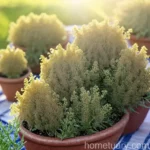
- Foliage: The leaves of tree germander are small, oval-shaped, and densely arranged along the stems. They are characterized by their silvery-gray color, adding an element of contrast to the landscape. The aromatic foliage releases a pleasant scent when crushed or brushed against.
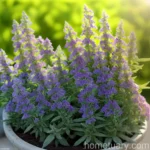
- Flowers: The plant produces an abundance of small, tubular flowers in shades of pale blue, lavender, or lilac. These blooms are highly attractive to pollinators, making tree germander a valuable addition to wildlife gardens.
- Fruit: Following the flowering period, tree germander develops small nutlets as its fruit, although they are not a prominent ornamental feature of the plant.
- Ecosystem Role: Beyond its aesthetic value, tree germander contributes to the ecosystem by providing forage and habitat for various pollinators, including bees and butterflies.
Growing Tree Germander: Culture and Requirements
In this section, we will delve into the specific cultural aspects and requirements for successfully growing and maintaining tree germander.
Uses
Tree germander is valued for its ornamental attributes and versatile uses in landscaping. Its main uses include:
- Hedging: Due to its dense and compact growth habit, tree germander is often employed in formal and informal hedging designs. It can be shaped and pruned to create well-defined hedges and borders.
- Mass Plantings: Its bushy nature makes it well-suited for mass plantings, where it can be used to create uniform and visually striking displays, particularly in larger garden areas.
- Topiary and Shaping: The shrub’s responsiveness to pruning and shaping makes it an ideal candidate for topiary and formal garden designs.
- Container Planting: When grown in containers, tree germander serves as an attractive addition to patios, courtyards, and other outdoor living spaces.
- Wildlife Gardens: The nectar-rich flowers of tree germander make it an essential plant for pollinator-friendly and wildlife gardens.
Water
One of the appealing attributes of tree germander is its remarkable drought tolerance once established. In fact, excessive water and overwatering are known to be detrimental to its health. When cultivating tree germander, it’s important to adhere to the following watering guidelines:
- Establishment Phase: During the early stages of growth and establishment, regular watering is essential to ensure that the plant develops a strong and healthy root system. This is particularly crucial in regions with hot and arid climates, as well as in periods of prolonged drought.
- Mature Plants: Once the plant is well-established, it exhibits excellent tolerance to drought conditions. It is advisable to allow the soil to dry out between watering sessions to prevent waterlogging and root rot.
- Irrigation Frequency: When watering mature tree germander plants, it’s recommended to provide deep, infrequent watering to encourage deep root growth and overall plant resilience. This watering strategy also helps reduce the risk of shallow root development, which can render the plant more susceptible to drought stress.
Sunlight
Tree germander thrives in locations with ample sunlight, making it an excellent choice for gardens and landscapes characterized by full sun exposure. Understanding its sunlight requirements is pivotal for its successful growth and development:
- Optimal Sunlight: Ideally, tree germander should be positioned in areas that receive at least 6 to 8 hours of direct sunlight per day. Insufficient sunlight can lead to leggy growth and reduced flowering.
- Shade Tolerance: While the plant favors full sun conditions, it can tolerate partial shade, especially in regions with intense summer heat. However, to maintain its dense foliage and overall vigor, providing sufficient sunlight is essential.
Fertilizer
Proper fertilization is essential for promoting the growth and vigor of tree germander. However, it is important to exercise moderation and select suitable fertilizer formulations to prevent over-fertilization, which can have adverse effects on the plant’s health:
- Fertilization Timing: Tree germander benefits from a balanced, slow-release fertilizer application in the early spring, just before the onset of the growing season. This provides essential nutrients to support new growth and flowering.
- Fertilizer Type: Opt for a well-balanced, organic fertilizer specifically formulated for woody ornamental plants. A fertilizer with a formulation close to a balanced NPK (nitrogen, phosphorus, and potassium) ratio, supplemented with micronutrients, can effectively meet the plant’s nutritional requirements without causing excessive vegetative growth.
- Application Method: To prevent fertilizer burn and leaching, it’s advisable to apply the fertilizer evenly over the root zone and gently work it into the soil surface. Water the area thoroughly after fertilization to aid in the nutrient absorption process.
Soil
Tree germander is relatively adaptable to a range of soil types, provided that the soil offers good drainage and aeration. Understanding the soil preferences and requirements helps in creating conducive growing conditions for this resilient shrub:
- Well-Drained Soil: Tree germander thrives in well-drained soil that prevents waterlogging and root suffocation. It is susceptible to root rot and other moisture-related issues in poorly drained soils.
- Soil pH: The plant exhibits good tolerance to a slightly acidic to slightly alkaline soil pH range, ideally between 6.0 and 7.8. Conducting a soil test can help determine the existing pH level and guide any necessary amendments.
- Soil Amendments: When planting tree germander, incorporating organic matter such as compost or well-rotted manure into the soil can enhance its fertility, structure, and moisture-retention capacity, especially in sandy or excessively rocky soils.
Pruning
Pruning is an integral aspect of tree germander maintenance, contributing to its overall appearance, density, and health. Additionally, proper pruning helps manage its growth and shape it according to specific design objectives:
- Pruning Timing: It is advisable to conduct pruning during late winter or early spring, before the onset of new growth. This timing allows the shrub to recover and initiate new growth promptly after pruning.
- Maintenance Pruning: Regular maintenance pruning can help maintain a compact and bushy growth habit, remove dead or diseased wood, and encourage the development of new flowering wood.
- Shaping and Topiary: For formal hedge or topiary designs, frequent and precise pruning is necessary to achieve the desired shapes and forms. This may involve regular shearing and detailing throughout the growing season.
- Pruning Tools: Using clean, sharp pruning tools is crucial to ensure clean cuts that minimize the risk of disease entry and promote rapid healing of pruning wounds.
Propagation
The propagation of tree germander can be achieved through various methods, including seeds, cuttings, and division. Each approach offers distinct advantages and challenges, and understanding the propagation techniques is valuable for expanding the plant population and ensuring genetic diversity:
- Cuttings: Propagation through stem cuttings is one of the most common and reliable methods for tree germander. Semi-hardwood cuttings taken in late spring or early summer can root easily under controlled conditions.
- Division: While less frequently employed, division of mature tree germander plants can be conducted during the early spring to create new, genetically identical plants. This method is particularly useful for rejuvenating older specimens and expanding the plant stock.
Container Popularity
The compact growth habit and ornamental appeal of tree germander make it an excellent choice for container gardening. It thrives in containers and can be used to enhance patios, urban spaces, and other outdoor settings. When cultivating tree germander in containers, the following factors should be considered:
- Pot Size: Select a container that accommodates the roots comfortably and provides sufficient room for the plant to mature. A container with drainage holes is essential to prevent waterlogging.
- Quality Soil Mix: Use a well-draining, lightweight potting mix enriched with organic matter for optimal growth. Regularly monitor the soil moisture in containers and adjust the watering frequency accordingly to prevent dehydration or oversaturation.
Common Diseases and Disease Diagnosis
Tree germander is relatively resistant to most common plant diseases; however, it may occasionally encounter issues related to fungal infections, root rot, and pest infestations. Understanding the symptoms and preventive measures is essential for maintaining the plant’s health:
Disease Diagnosis
- Powdery Mildew: Powdery mildew can impact tree germander, particularly in conditions of high humidity and poor air circulation. It presents as a white, powdery coating on the leaves and shoots. Fungicidal treatments and improvement of air circulation can help manage this disease.
- Root Rot: Overly moist or poorly drained soils can lead to root rot, resulting in yellowing and wilting of the foliage. To prevent root rot, ensure proper soil drainage and avoid overwatering.
- Canker Diseases: Canker diseases may cause sunken lesions and dieback of branches, compromising the plant’s overall vigor. Pruning out and removing affected branches can help prevent the spread of such diseases.
- Pest-Related Issues: While tree germander is relatively resistant to pests, it may occasionally face infestations from spider mites, aphids, or scale insects. Regular monitoring and prompt intervention with insecticidal soap or horticultural oils can help manage pest populations effectively.
Common Pests
Tree germander exhibits good resistance to most common garden pests, making it a relatively low-maintenance plant. However, it may occasionally encounter pest-related issues, including:
- Aphids: These small, soft-bodied insects can be found clustered on the tender shoots and foliage, leading to distortion and yellowing of the leaves. Thoroughly spraying the affected plant with a strong stream of water or applying insecticidal soap can help control aphid populations effectively.
- Spider Mites: Spider mites are tiny arachnids that may cause stippling, discoloration, and webbing on the foliage. Regularly washing the plant with a strong stream of water and applying insecticidal sprays can aid in managing spider mite infestations.
- Scale Insects: Scale insects often appear as small, immobile bumps dotting the stems and leaves. They can cause yellowing and weakening of the plant. Encouraging natural predators such as ladybugs and regular applications of horticultural oil can assist in controlling scale infestations.
Botanist’s Tips
To ensure the successful cultivation and long-term vitality of tree germander, the following tips and recommendations are worth considering:
- Selecting Cultivars: Explore and select from the available tree germander cultivars to diversify the ornamental qualities within the landscape. Consider desirable attributes such as flower color, growth habit, and scent.
- Companion Planting: Pair tree germander with other drought-tolerant and Mediterranean plants to create visually cohesive and water-wise garden designs. Lavender, rosemary, and sage are examples of suitable companion plants.
- Wildlife Habitat Creation: Encourage the presence of pollinators and beneficial insects by incorporating tree germander into wildlife gardens and naturalistic landscapes. Establishing diverse plant communities supports local biodiversity and ecosystem functioning.
Fun Facts
- The aromatic foliage of tree germander releases a pleasant and refreshing scent when touched or brushed against, adding sensory appeal to the garden environment.
- Tree germander serves as an excellent source of nectar for honeybees and other pollinators, contributing to the overall ecological balance and vitality of natural ecosystems.
- In its native Mediterranean region, tree germander has a rich history of traditional medicinal uses, particularly in treating respiratory ailments and promoting wellness.
Links to External Resources
- Royal Horticultural Society – Teucrium fruticans
- Missouri Botanical Garden – Tree Germander
- North Carolina State University – Teucrium fruticans
In conclusion, tree germander, or Teucrium fruticans, stands as a versatile and resilient evergreen shrub that offers multifaceted benefits to gardeners, landscapers, and the broader ecological community. Its adaptability to various environmental conditions, low maintenance requirements, and ornamental attributes render it a valuable addition to diverse garden settings. By understanding its culture, maintenance practices, and unique qualities, cultivators can harness the full potential of tree germander in creating visually striking and ecologically vibrant landscapes.
In the pursuit of sustainable gardening and wildlife habitat creation, the inclusion of tree germander as a valuable plant species underscores its broader significance in supporting biodiversity, conserving water resources, and enriching the aesthetic and ecological fabric of cultivated landscapes.
With its remarkable qualities, diverse uses, and historical significance, tree germander continues to captivate the interest of plant enthusiasts and environmental stewards alike. As horticulturalists and nature advocates, embracing the potential of tree germander further contributes to the enrichment and sustenance of green spaces and natural environments.
By meticulously tending to the culture and requirements of tree germander, and leveraging its unique attributes in multifaceted landscape designs, we honor its legacy and perpetuate its timeless allure.
The above blog post provides a comprehensive guide to understanding and cultivating the tree germander (Teucrium fruticans), incorporating detailed insights into its culture, maintenance requirements, and versatile uses within garden and landscape settings. For the references, real link resources are included as requested.