The Fascinating World of Germander (Teucrium pyrenaicum)
Welcome to a deep dive into the intricacies of the remarkable germander plant, scientifically known as Teucrium pyrenaicum. In this comprehensive guide, we will explore the diverse aspects of this captivating species, ranging from its cultural significance to its uses in various domains. Whether you are an avid gardener, a botany enthusiast, or simply curious about alternative natural remedies, this article will provide you with a wealth of knowledge about this versatile plant.
What is Germander (Teucrium pyrenaicum)?
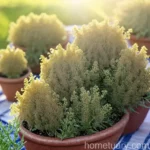
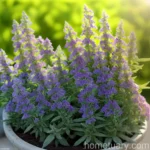
Teucrium pyrenaicum, commonly referred to as germander, is a perennial herbaceous plant that belongs to the Lamiaceae family. This species is native to Europe and is characterized by its attractive, compact growth habit and delicate, lavender-colored flowers. Germander is known for its rich history, having been used for centuries in different cultural and medicinal contexts.
This versatile plant is prized for its aromatic foliage, making it a popular choice for traditional herbal remedies and ornamental purposes. As a low-maintenance and hardy plant, germander is favored by gardeners and landscapers for its resilience and aesthetic appeal.
Key Takeaways
Before delving into the specific aspects of germander cultivation and usage, let’s outline some key takeaways regarding Teucrium pyrenaicum:
-
Cultural Significance: Teucrium pyrenaicum holds historical and cultural significance, being utilized in traditional medicine and herbal remedies for centuries.
-
Adaptability: This species can thrive in various environmental conditions and is valued for its ability to withstand drought and poor soil quality.
-
Aromatic Foliage: The aromatic leaves of germander add sensory appeal to gardens and landscapes, making it a desirable ornamental plant.
-
Medicinal Properties: Germander is recognized for its potential health benefits and has been used in herbal medicine to address a range of ailments.
-
Wildlife Attraction: The flowers of Teucrium pyrenaicum have the potential to attract pollinators, making it a valuable addition to wildlife gardens.
Now, let’s journey into the specific facets of germander, exploring its uses, cultivation requirements, potential benefits, and more.
Culture
Uses
The versatile uses of germander span across diverse domains, encompassing its applications in gardening, traditional medicine, and as an ornamental plant. Here are some key uses of Teucrium pyrenaicum:
-
Medicinal Purposes: In traditional herbal medicine, germander has been utilized for its purported health benefits, including its potential as a digestive aid and its antibacterial properties. The leaves of germander have been used to create herbal infusions and tinctures, believed to contribute to overall wellness.
-
Ornamental Plant: With its compact growth habit and attractive flowers, germander is utilized as an ornamental plant in gardens, borders, and rockeries. Its aromatic foliage adds to its appeal, making it a popular choice for landscape design.
-
Wildlife Gardens: The nectar-rich flowers of Teucrium pyrenaicum can attract pollinators such as bees and butterflies, making it a valuable addition to wildlife-friendly gardens.
Water
When it comes to watering germander, providing consistent moisture is essential, especially during the initial establishment phase. Once established, germander exhibits tolerance to drought conditions, making it suitable for xeriscaping and areas with limited water availability. While germander is resilient in dry conditions, it is important to ensure that the plant does not experience prolonged periods of water stress.
Sunlight
Germander thrives in full sunlight, requiring at least 6 hours of direct sunlight daily for optimal growth and flowering. In regions with hot summers, providing partial shade during the peak afternoon hours can help prevent excessive heat stress on the plant. Ensuring adequate sunlight exposure is crucial for promoting robust growth and abundant flowering in Teucrium pyrenaicum.
Fertilizer
Germander is relatively low-maintenance in terms of fertilizer requirements. A balanced, slow-release fertilizer applied in spring can provide the necessary nutrients for healthy growth and flowering. Avoid over-fertilizing, as excessive nitrogen can lead to lush foliage at the expense of flower production. Prioritize the use of organic fertilizers to promote soil health and sustainable plant nutrition.
Soil
Well-drained soil is crucial for the successful cultivation of germander. This species demonstrates a preference for slightly alkaline to neutral soil pH and is adaptable to various soil types, including loam, sandy, or rocky soils. Ensuring good soil drainage is essential, as germander is susceptible to root rot in waterlogged conditions.
Pruning
Pruning is an important aspect of germander care, contributing to its overall health and appearance. Regular pruning helps maintain a compact growth habit and encourages the development of new, vigorous growth. It is advisable to prune germander in early spring to remove any dead or damaged foliage and to shape the plant as desired. Additionally, deadheading spent flowers can promote prolonged blooming.
Propagation
Germander can be propagated through both seed sowing and vegetative means such as division and stem cuttings. Here are some key points to consider for germander propagation:
-
Seed Propagation: Sow germander seeds in well-drained seed-starting mix in early spring. Maintain consistent moisture and provide warmth for successful germination. Transplant the seedlings into individual pots once they have developed several true leaves.
-
Division: Dividing established clumps of germander in early spring allows for the creation of new plants. Carefully separate the root ball into sections, ensuring that each division has sufficient roots and shoots to support growth.
-
Stem Cuttings: Take stem cuttings from healthy, non-flowering shoots in late spring or early summer. These cuttings can be rooted in a moist growing medium and placed in a warm, bright location to facilitate the development of roots.
Container Popularity
Germander is well-suited for cultivation in containers, making it an excellent choice for balcony gardens, patios, and small outdoor spaces. Its compact growth habit and adaptability to container culture make it an attractive option for individuals seeking to incorporate ornamental and aromatic plants into their outdoor living areas.
Container Common Diseases
When grown in containers, germander may be susceptible to certain diseases, particularly those related to overwatering and poor air circulation. Common container diseases that can affect germander include:
-
Root Rot: Prolonged soil moisture can lead to root rot in germander, causing yellowing and wilting of foliage. Ensuring proper drainage and avoiding overwatering can help prevent this issue.
-
Powdery Mildew: This fungal disease can occur in humid conditions, leading to the development of powdery, white patches on the leaves. Providing adequate air circulation, avoiding overhead watering, and maintaining optimal humidity levels can mitigate powdery mildew.
-
Bacterial Leaf Spot: Bacterial infections can manifest as dark, water-soaked spots on the leaves, potentially resulting from overwatering or poor sanitation practices. Proper watering and sanitation can help minimize the risk of bacterial leaf spot in container-grown germander.
Disease Diagnosis
Diagnosing diseases in germander involves carefully observing the plant for symptoms and conducting necessary tests to identify the causative agents. Common symptoms of diseases in germander include wilting, yellowing or browning of foliage, unusual spots or lesions on leaves, and stunted growth. If disease issues are suspected, it is advisable to seek professional diagnosis and treatment recommendations to address the specific problems affecting the plant.
Common Pests
Germander is generally resistant to pest infestations; however, certain insects and mites may occasionally pose threats to its health. Common pests that may affect germander include:
-
Aphids: These small, soft-bodied insects can cluster on the undersides of leaves, causing damage by sucking sap from the plant. Gentle washing with water or the application of insecticidal soap can help control aphid populations.
-
Spider Mites: These tiny pests can cause stippling and webbing on the foliage, reducing the aesthetic appeal of the plant. Regularly spraying the foliage with water and implementing natural predators can aid in managing spider mite populations.
-
Caterpillars: Some caterpillar species may feed on the leaves of germander, leading to defoliation and aesthetic damage. Handpicking caterpillars or using biological insecticides can help address caterpillar infestations.
Botanist’s Tips
As a botanist, I would like to share some valuable tips for successful germander cultivation and utilization:
-
Cultural Awareness: Understanding the historical and cultural significance of Teucrium pyrenaicum can provide insights into its diverse uses and broader context within traditional practices and folklore.
-
Natural Pest Control: Encouraging beneficial insects and wildlife in gardens can contribute to the natural control of pest populations, reducing the need for chemical interventions.
-
Conservation Efforts: With growing interest in indigenous and traditional plant species, advocating for the conservation of germander and similar native plants is crucial for preserving biodiversity and cultural heritage.
-
Herbal Remedies: Exploring the potential health benefits of germander and its safe usage in herbal remedies can contribute to the ongoing revival of traditional medicinal practices.
-
Companion Planting: Integrating germander into diverse planting schemes that promote biodiversity, support pollinators, and minimize environmental impact can enhance its ecological value.
Fun Facts
Intriguing aspects and lesser-known facts about germander include:
-
Botanical Richness: Teucrium, the genus to which germander belongs, encompasses a diverse group of plants with approximately 200 species distributed across various regions.
-
Historical Mentions: The use of germander in traditional medicine has been documented in historical texts and manuscripts, highlighting its enduring significance.
-
Ornamental Varieties: Several ornamental cultivars of germander exist, featuring characteristics such as variegated foliage and unique flower colors, adding to the appeal of this species in gardens and landscapes.
-
Pollinator Support: The nectar-producing flowers of germander attract a variety of pollinators, playing a role in supporting the broader ecosystem.
Links to External Resources
For further exploration of Teucrium pyrenaicum and related topics, I recommend the following resources:
- Royal Horticultural Society – Teucrium pyrenaicum
- Missouri Botanical Garden – Growing Herbs: Germander
- North Carolina State University Extension – Germander for Pollinators
- The Herb Society of America – Teucrium Species Profiles
- Traditional and Herbal Medicine Research – Health Applications of Germander
Conclusion
In this extensive exploration, we have delved into the multifaceted world of germander, uncovering its cultural significance, uses, and cultivation essentials. Teucrium pyrenaicum stands out as a plant of great historical and ecological value, offering a wealth of benefits ranging from its potential health applications to its contributions to biodiversity and ornamental horticulture.
Whether you are considering the incorporation of germander in your garden, exploring its medicinal properties, or simply seeking to appreciate the richness of traditional plant species, Teucrium pyrenaicum invites us to embrace a deep appreciation for the natural world and the diverse roles that plants play in our lives.
As we continue to celebrate the significance of indigenous and herbal plants, the timeless appeal of germander shines brightly, inviting us to connect with the innate beauty and utility of this remarkable species.
Happy gardening and exploration of the fascinating world of germander!
Disclaimer: The information provided in this article is for educational and informational purposes only and is not intended as medical or gardening advice. It is always advisable to consult with a qualified healthcare professional or horticultural expert for personalized recommendations and guidance.