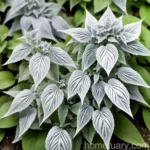
Thicket Coleus (Plectranthus Madagascariensis): A Comprehensive Guide
Thicket Coleus, scientifically known as Plectranthus Madagascariensis, is an intriguing plant with a wide array of cultivars and uses. In this comprehensive guide, we will delve into the details of Thicket Coleus – its culture, uses, care requirements, propagation methods, common diseases, pests, and much more. Whether you are a seasoned gardener or someone who simply appreciates the beauty of plants, this guide will provide you with valuable insights into the world of Thicket Coleus.
What is a Plant: Thicket Coleus (Plectranthus Madagascariensis)?
Thicket Coleus, also known as Plectranthus Madagascariensis, is an herbaceous plant that belongs to the Lamiaceae family. This species is native to Madagascar and is renowned for its attractive foliage and versatile uses. The plant is characterized by its ornamental leaves, which come in various colors and patterns, making it a popular choice for both indoor and outdoor settings. Additionally, Thicket Coleus is known for its low maintenance requirements, making it an excellent choice for novice gardeners.
Key Takeaways – Thicket Coleus (Plectranthus Madagascariensis)
Before we delve into the detailed aspects of Thicket Coleus, let’s highlight some key takeaways that will be covered in this guide:
- Culture: Understanding the cultural requirements for successful growth.
- Uses: Exploring the versatile uses of Thicket Coleus.
- Water: Discussing the watering needs and best practices.
- Sunlight: Identifying the light preferences of the plant.
- Fertilizer: Learning about the fertilization requirements and tips.
- Soil: Exploring the soil requirements for optimal growth.
- Pruning: Understanding the techniques for proper pruning.
- Propagation: Exploring various methods of propagating Thicket Coleus.
- Container: Discussing the suitability of growing Thicket Coleus in containers.
- Popularity: Understanding the popularity and appeal of Thicket Coleus.
- Common Diseases: Identifying prevalent diseases and prevention strategies.
- Common Pests: Understanding common pests and methods of control.
- Botanist’s Tips: Valuable insights and tips from skilled botanists.
- Fun Facts: Uncovering interesting and lesser-known facts about Thicket Coleus.
- Links to External Resources: Providing additional references and resources for further exploration.
Now, let’s explore each of these aspects in detail to gain a comprehensive understanding of Thicket Coleus.
Culture
The culture of Thicket Coleus encompasses a wide range of factors that influence its growth and overall well-being. This section will provide detailed insights into the cultural requirements for cultivating healthy and vibrant Thicket Coleus plants.
Water
Plectranthus Madagascariensis watering needs
Thicket Coleus thrives in well-draining soil and requires regular watering to maintain adequate moisture levels. However, it is essential to prevent waterlogged conditions, as excessive moisture can lead to root rot and other issues. Water the plant when the top inch of the soil feels dry, and ensure proper drainage to avoid water accumulation in the root zone.
Sunlight
Plectranthus Madagascariensis light preferences
Thicket Coleus exhibits a preference for bright, indirect light. While it can tolerate some morning sun, direct afternoon sunlight should be avoided, especially in hot climates. Adequate light exposure promotes vibrant foliage colors and robust growth, making it essential for indoor plants placed near windows or in well-lit rooms.
Fertilizer
Plectranthus Madagascariensis fertilization tips
Fertilizing Thicket Coleus aids in maintaining its vigor and enhancing foliage coloration. A balanced, water-soluble fertilizer diluted to half strength can be applied every 2-4 weeks during the growing season. However, it is crucial to avoid excessive fertilization, as this can lead to salt buildup in the soil and cause adverse effects on the plant’s health.
Soil
Thicket Coleus soil requirements
Thicket Coleus thrives in well-draining, nutrient-rich soil. A blend of potting mix, peat moss, and perlite or sand can create an ideal growing medium for this plant. Additionally, maintaining slightly acidic to neutral soil pH (6.0-7.0) is recommended for optimal growth and nutrient uptake.
Pruning
Thicket Coleus pruning techniques
Pruning helps maintain the desired shape and size of Thicket Coleus plants while encouraging bushier growth. Regularly removing leggy or discolored stems, as well as spent flowers, can promote a tidy and attractive appearance. Additionally, pinching back the growing tips encourages lateral branching and fuller foliage.
Uses
Thicket Coleus, with its vibrant foliage and easy-going nature, serves various purposes in both indoor and outdoor settings. Understanding its versatile uses can inspire diverse applications and creative gardening endeavors.
Ornamental Plant
Thicket Coleus is primarily cultivated for its ornamental foliage, making it a popular choice for adding visual interest to gardens, landscapes, and indoor spaces. The range of leaf colors, patterns, and textures provides ample opportunities for creating striking plant combinations and eye-catching displays.
Medicinal and Herbal Applications
Beyond its decorative value, Thicket Coleus has been traditionally linked to medicinal uses in certain cultures. Some traditional herbal remedies have utilized parts of the plant for their purported health properties, although it is essential to verify such uses through reliable sources and expert guidance.
Culinary Contributions
While not as widely recognized for culinary purposes as some other herbs and plants, Thicket Coleus has been explored for its potential in culinary applications. It is important to note that not all varieties of Thicket Coleus are suitable for consumption, and careful identification is crucial before considering any culinary use.
Propagation
The propagation of Thicket Coleus involves several methods that allow gardeners to multiply their plant collections and share their favorite cultivars with others. Understanding these propagation techniques can enable enthusiasts to expand their garden while preserving the desired characteristics of the parent plants.
Stem Cuttings
Stem cuttings represent one of the most popular and reliable methods of propagating Thicket Coleus. Select healthy, non-flowering stems and trim them just below a node. These cuttings can be rooted in a moist, well-draining potting mix, with the development of roots typically occurring within a few weeks under favorable conditions.
Water Propagation
In addition to soil-based propagation, Thicket Coleus can also be propagated in water. Placing stem cuttings in a container of water allows for the observation of root development, making it an engaging method for both beginners and experienced gardeners.
Seed Germination
While less commonly utilized due to the prevalence of vegetative propagation, Thicket Coleus can be grown from seeds. Sowing seeds in a prepared seed-starting mix and maintaining adequate moisture and warmth can lead to the emergence of seedlings, which can later be transplanted to individual pots or garden beds.
Container
The versatility of Thicket Coleus makes it well-suited for container gardening, offering ample opportunities for creative arrangements and space-efficient cultivation. Whether indoors or outdoors, containers provide an adaptable environment for growing and showcasing Thicket Coleus plants.
Indoor Containers
Selecting the appropriate container for indoor cultivation is crucial for the well-being of Thicket Coleus. Choose a container with drainage holes to prevent water accumulation and utilize a well-draining potting mix to ensure adequate aeration. Additionally, consider the plant’s light preferences and position the container in a location that provides suitable light conditions.
Outdoor Containers
When growing Thicket Coleus in outdoor containers, factors such as climate, sunlight exposure, and container size must be considered. Ensuring proper drainage, especially during periods of heavy rainfall, is essential for preventing waterlogged conditions. Additionally, selecting containers of appropriate size and material can contribute to the plant’s overall health and vitality.
Popularity
The popularity of Thicket Coleus has grown significantly in horticultural and landscaping circles, attributing to its unique foliage and versatile uses. Gardeners and plant enthusiasts have embraced this species for its adaptability and aesthetic appeal, leading to widespread cultivation and appreciation.
Garden Ornament
Thicket Coleus is often utilized as a garden ornament, offering a diverse range of colors and patterns that can complement various garden themes and designs. Its ability to thrive in outdoor settings under the right conditions has contributed to its growing popularity among landscape designers and home gardeners.
Indoor Décor
The vibrant foliage and low maintenance requirements of Thicket Coleus make it an attractive choice for indoor décor. Its capacity to thrive in indirect light and adapt to indoor environments has positioned it as a sought-after plant for interior design and indoor gardening ventures.
Common Diseases
Thicket Coleus, like many plants, is susceptible to certain diseases that can impact its growth and appearance. Identifying common diseases and implementing preventive measures is crucial for maintaining plant health and vigor.
Fungal Diseases
Fungal diseases such as powdery mildew and leaf spot can affect Thicket Coleus, particularly in humid or poorly ventilated conditions. Proper air circulation and avoiding overhead watering can help reduce the risk of these fungal issues.
Bacterial Diseases
Bacterial pathogens can cause symptoms such as leaf discoloration, lesions, and wilting in Thicket Coleus plants. Maintaining hygienic practices, avoiding waterlogged conditions, and promptly removing infected plant material can contribute to disease prevention.
Viral Diseases
Viral diseases can manifest as stunted growth, distorted foliage, and overall decline in plant health. Preventing the introduction of infected plant material and addressing potential vector organisms can aid in averting viral issues in Thicket Coleus.
Disease Diagnosis
Diagnosing and treating diseases in Thicket Coleus involves thorough observation and proactive measures to mitigate the spread and impact of various pathogens. Understanding the signs and symptoms of common diseases is essential for timely intervention.
Diagnostic Signs
Common signs of disease in Thicket Coleus include unusual discoloration, spotting, wilting, and distortion of foliage. Additionally, abnormal growth patterns and reduced vigor can indicate underlying disease issues that require attention.
Preventive Measures
Implementing preventive measures such as maintaining optimal growing conditions, practicing good sanitation, and monitoring plant health can reduce the likelihood of disease development and spread. Additionally, selecting disease-resistant cultivars can provide added protection against certain pathogens.
Common Pests
Thicket Coleus is susceptible to pest infestations that can compromise its health and aesthetic appeal. Identifying common pests and implementing control measures is essential for safeguarding the well-being of these plants.
Aphids
Aphids are common pests that infest Thicket Coleus, feeding on plant sap and causing stunted growth and leaf distortion. Physical removal, insecticidal soaps, and natural predators can help manage aphid populations in the garden.
Spider Mites
Spider mites, indicated by fine webbing and stippled foliage, can adversely affect the health of Thicket Coleus. Regular monitoring, adequate humidity levels, and targeted treatments can aid in controlling and preventing spider mite infestations.
Mealybugs
Mealybugs can infest Thicket Coleus, clustering on the undersides of leaves and causing damage through their piercing-sucking mouthparts. Introducing natural predators, such as ladybugs, and utilizing horticultural oils can assist in managing mealybug populations.
Botanist’s Tips
Engaging with insights and tips from experienced botanists can enhance your understanding of Thicket Coleus and elevate your gardening practices. Here are some valuable tips from seasoned experts:
- Plant Selection: When choosing Thicket Coleus cultivars, look for vibrant foliage colors and compact growth habits for optimal ornamental value.
- Growing Medium: Ensure a well-draining growing medium for Thicket Coleus by incorporating perlite, vermiculite, or coarse sand into the soil mix.
- Watering Practices: Allow the soil to dry out slightly between waterings to prevent waterlogged conditions, which can compromise root health.
- Light Considerations: Place Thicket Coleus in locations that offer bright, indirect light to promote robust growth and vivid foliage colors.
- Pruning Techniques: Regularly pinch back the growing tips and remove spent flowers to maintain a neat and bushy appearance in Thicket Coleus.
Fun Facts
Uncovering intriguing and less-known facts about Thicket Coleus can add a layer of delight and curiosity to your gardening pursuits. Here are some fascinating fun facts about Thicket Coleus:
- Leaf Patterns: Thicket Coleus exhibits an assortment of leaf patterns, including variegated, mottled, and ruffled forms, adding visual intrigue to the plant’s appearance.
- Fragrance: While not primarily grown for its fragrance, certain cultivars of Thicket Coleus may emit a mild, pleasant scent from their foliage under specific conditions.
Links to External Resources
For further exploration and in-depth information on Thicket Coleus, consider the following external resources:
- Royal Horticultural Society (RHS) – Plectranthus Madagascariensis
- National Gardening Association – Thicket Coleus Cultivation Guide
- University Extension Services – Thicket Coleus Care and Management
Through these resources, you can access additional insights, cultivation techniques, and expert recommendations to deepen your knowledge of Thicket Coleus.
In conclusion, Thicket Coleus (Plectranthus Madagascariensis) encompasses a realm of captivating features and practical applications that make it a cherished addition to gardens and indoor spaces. By understanding its cultural requirements, propagation methods, uses, and potential challenges, you can cultivate and appreciate Thicket Coleus with confidence and enthusiasm.
Whether you are drawn to its vibrant foliage, exploration of herbal uses, or simply intrigued by its ornamental value, Thicket Coleus offers a diverse tapestry of possibilities for gardening enthusiasts and plant aficionados alike. Embrace the allure of Thicket Coleus and nurture its growth, and it will reward you with enduring beauty and gratifying experiences in your gardening endeavors.