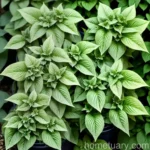
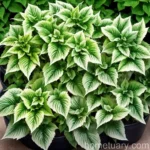
Plectranthus Hybrid (Plectranthus ‘Mona Lavender’)
Plants are an integral part of our lives, providing oxygen, food, and beauty. One particular plant that has been gaining popularity in the gardening world is the Plectranthus Hybrid, also known as Plectranthus ‘Mona Lavender’. This beautiful and unique plant is a favorite among plant enthusiasts due to its vibrant blooms and easy maintenance. In this comprehensive guide, we will delve into the intricacies of caring for Plectranthus ‘Mona Lavender’, including its cultural requirements, uses, propagation, common diseases, and much more.
What is Plectranthus Hybrid (Plectranthus ‘Mona Lavender’)?
Plectranthus ‘Mona Lavender’ is a striking plant that belongs to the Lamiaceae family. It is a hybrid of the Plectranthus genus and is known for its aromatic foliage and stunning lavender-colored flowers. This plant is native to South Africa and has gained popularity around the world for its ornamental appeal and ease of care.
Key Takeaways – Plectranthus Hybrid (Plectranthus ‘Mona Lavender’)
Before we dive into the specific care requirements of Plectranthus ‘Mona Lavender’, let’s explore some key takeaways about this fascinating plant.
- Plant Name: Plectranthus Hybrid (Plectranthus ‘Mona Lavender’)
- Common Names: Mona Lavender, Plectranthus Mona Lavender
- Scientific Classification:
- Kingdom: Plantae
- Order: Lamiales
- Family: Lamiaceae
- Genus: Plectranthus
- Species: Hybrid (Plectranthus ‘Mona Lavender’)
Now, let’s explore the cultural requirements and uses of Plectranthus ‘Mona Lavender’ to ensure that you can provide the best possible care for this unique plant.
Culture
Understanding the cultural requirements of Plectranthus ‘Mona Lavender’ is essential for its successful cultivation. From water and sunlight needs to soil and pruning requirements, taking into account these cultural aspects will help your plant thrive.
Uses
Plectranthus ‘Mona Lavender’ offers a range of uses, making it a versatile and valuable addition to any garden or indoor space. Some common uses include:
- Ornamental Plant: The striking lavender-colored flowers and vibrant foliage make Plectranthus ‘Mona Lavender’ a popular choice for ornamental gardens and landscapes.
- Indoor Plant: With its compact growth habit and attractive appearance, Plectranthus ‘Mona Lavender’ is well-suited for indoor cultivation, adding a pop of color to interior spaces.
- Pollinator Attraction: The flowers of Plectranthus ‘Mona Lavender’ are known to attract pollinators such as bees and butterflies, contributing to the biodiversity of the garden.
- Medicinal Purposes: Some varieties of Plectranthus have been traditionally used for their medicinal properties, although it’s essential to consult a healthcare professional before using any plant for medicinal purposes.
Water
Proper watering is crucial for the health and vigor of Plectranthus ‘Mona Lavender’. Understanding the water requirements of this plant will help prevent issues such as overwatering or underwatering.
| Water Requirements | Details |
|---|---|
| Frequency | Plectranthus ‘Mona Lavender’ prefers moderately moist soil. Water the plant when the top inch of the soil feels dry to the touch. Avoid waterlogged conditions. |
| Watering Technique | Water the plant at the base to keep the foliage dry, which helps prevent the onset of fungal diseases. |
| Seasonal Variations | Adjust the frequency of watering based on environmental conditions. During hot and dry periods, the plant may require more frequent watering, while in cooler months, reduce the watering frequency. |
Sunlight
As with many plants, sunlight plays a pivotal role in the growth and blooming of Plectranthus ‘Mona Lavender’. Understanding its sunlight requirements will aid in providing optimal growing conditions.
| Sunlight Needs | Details |
|---|---|
| Light Exposure | Plectranthus ‘Mona Lavender’ thrives in bright, indirect light. It can tolerate some morning sun or filtered sunlight but may require protection from intense afternoon sun, especially in hotter climates. |
| Indoor Placement | When grown indoors, place the plant near a bright window where it can receive adequate light without being exposed to direct, harsh sunlight. |
| Outdoor Cultivation | In outdoor settings, consider providing dappled shade or placing the plant in an area with filtered light to protect it from the intense midday sun. |
Fertilizer
Proper fertilization is essential for encouraging healthy growth and vibrant blooms in Plectranthus ‘Mona Lavender’. Understanding the plant’s fertilizer needs will contribute to its overall well-being.
| Fertilizer Needs | Details |
|---|---|
| Frequency | Fertilize Plectranthus ‘Mona Lavender’ every 4-6 weeks during the growing season (spring and summer) with a balanced, water-soluble fertilizer formulated for flowering plants. |
| Application Technique | Apply the fertilizer according to the instructions on the product label, and ensure thorough watering after application to distribute the nutrients evenly in the soil. |
| Reduced Fertilization | During the plant’s dormant period in fall and winter, reduce or discontinue fertilization as the plant’s growth slows down during this time. |
Soil
The type of soil in which Plectranthus ‘Mona Lavender’ is planted significantly impacts its growth and overall health. Understanding the plant’s soil requirements is crucial for providing an optimal growing medium.
| Soil Requirements | Details |
|---|---|
| Well-Draining Soil | Plectranthus ‘Mona Lavender’ thrives in well-draining, fertile soil. A mix of peat moss, perlite, and potting soil provides an excellent growing medium for container cultivation. |
| pH Level | The ideal soil pH for Plectranthus ‘Mona Lavender’ ranges from 6.0 to 7.0. You can test the soil pH using a commercial soil testing kit and make necessary amendments to achieve the desired range. |
| Root Health | Well-draining soil prevents waterlogging and promotes healthy root development, reducing the risk of root rot and other soil-related issues. |
Pruning
Pruning is an essential aspect of maintaining the attractive appearance and vitality of Plectranthus ‘Mona Lavender’. Understanding the pruning requirements and techniques can help promote bushy growth and prolific flowering.
| Pruning Tips | Details |
|---|---|
| Regular Pruning | Regularly pinch back the growing tips of Plectranthus ‘Mona Lavender’ to encourage branching and prevent the plant from becoming leggy. This promotes a compact and bushy growth habit. |
| Flower Removal | Deadhead faded flowers to encourage continuous blooming and prevent the plant from putting energy into seed production. Removing spent blooms also enhances the plant’s appearance. |
| Rejuvenation Pruning | Perform rejuvenation pruning in early spring to trim back any leggy or overgrown stems, promoting fresh growth and overall plant health. |
Propagation
Propagation is a rewarding way to expand your Plectranthus ‘Mona Lavender’ collection or share this beautiful plant with friends and fellow gardening enthusiasts. Understanding the propagation techniques will enable you to propagate the plant successfully.
Container Popularity
Due to its compact growth habit and ornamental appeal, Plectranthus ‘Mona Lavender’ is a popular choice for container cultivation. Its versatility makes it well-suited for various container gardening applications, including:
- Indoor Plantings: Plectranthus ‘Mona Lavender’ thrives as an indoor potted plant, adding color and vibrancy to interior spaces.
- Balcony and Patio Gardens: The plant’s compact size and vibrant blooms make it an ideal choice for balcony and patio gardens, bringing a touch of nature to small outdoor spaces.
- Hanging Baskets: Due to its trailing growth habit, Plectranthus ‘Mona Lavender’ can be showcased in hanging baskets, where its cascading foliage and blooms create a visually appealing display.
Common Diseases
While Plectranthus ‘Mona Lavender’ is generally robust, it is susceptible to certain diseases that can impact its health and appearance. Being able to identify and address common diseases is crucial for maintaining the plant’s vitality.
Disease Diagnosis
Some common diseases that can affect Plectranthus ‘Mona Lavender’ include:
- Powdery Mildew: This fungal disease manifests as a powdery white substance on the leaves, usually caused by high humidity and poor air circulation. It can weaken the plant if left untreated.
- Root Rot: Overwatering or poorly draining soil can lead to root rot, causing the plant’s roots to rot and affecting its overall health.
- Leaf Spot: Leaf spot diseases can cause dark or discolored spots on the leaves, potentially leading to leaf drop and reduced vigor in the plant.
Understanding the symptoms and preventive measures for these diseases is crucial for effective management and maintaining the plant’s health.
Common Pests
Pests can pose a threat to the well-being of Plectranthus ‘Mona Lavender’. Identifying and addressing common pests promptly is key to preventing damage to the plant.
Pest Control
Some common pests that may affect Plectranthus ‘Mona Lavender’ include:
- Aphids: These small, soft-bodied insects can cluster on the new growth of the plant, sucking sap from the leaves and causing distortion or yellowing.
- Spider Mites: These tiny pests can infest the foliage of Plectranthus ‘Mona Lavender’, causing stippling and webbing on the leaves and reducing the plant’s vigor.
- Mealybugs: Mealybugs can gather on the stems and foliage of the plant, feeding on the plant sap and excreting honeydew, leading to sooty mold growth.
Implementing integrated pest management strategies, such as regular inspection, physical removal of pests, and the use of organic pest control methods, can help keep the plant healthy and pest-free.
Botanist’s Tips
As a plant scientist with expertise in horticulture and botany, here are some tips to help you care for and appreciate Plectranthus ‘Mona Lavender’ to the fullest:
- Monitor Moisture Levels: Pay close attention to the moisture levels in the soil, as both overwatering and underwatering can adversely affect the plant. Adjust the watering frequency based on environmental conditions and the plant’s specific needs.
- Promote Air Circulation: Adequate air circulation is crucial for preventing fungal diseases and maintaining the plant’s overall health. Ensure that the plant has sufficient space around it and consider using a gentle fan for air movement, especially in indoor settings.
- Regular Inspection: Routinely inspect the plant for signs of pests, diseases, or nutrient deficiencies. Early detection and intervention can prevent minor issues from escalating into more significant problems.
Fun Facts
Plant Exploration
Exploring the world of plants is a journey filled with fascinating discoveries and intriguing facts. Here are some fun facts about Plectranthus ‘Mona Lavender’ that shed light on its remarkable characteristics:
- Aromatic Foliage: Plectranthus ‘Mona Lavender’ is known for its aromatic leaves, which exude a pleasant fragrance when gently touched or brushed against. This adds to its sensory appeal and makes it a delightful addition to gardens and indoor spaces.
- Attractive to Pollinators: The nectar-rich flowers of Plectranthus ‘Mona Lavender’ attract various pollinators, including bees and butterflies, contributing to the ecological balance and biodiversity of the garden.
These fun facts offer a glimpse into the captivating world of Plectranthus ‘Mona Lavender’ and highlight its unique attributes and contributions to the natural world.
Links to External Resources
To further enhance your understanding of Plectranthus ‘Mona Lavender’ and explore additional resources, consider referring to the following links:
- Royal Horticultural Society – Plectranthus ‘Mona Lavender’
- University of Florida IFAS Extension – Plectranthus ‘Mona Lavender’
- Missouri Botanical Garden – Plectranthus ‘Mona Lavender’
- American Society for the Prevention of Cruelty to Animals – Toxic and Non-Toxic Plants: Swedish Ivy (Plectranthus ‘Mona Lavender’)
These resources provide valuable insights, care guidelines, and further details on the unique aspects of Plectranthus ‘Mona Lavender’, enriching your knowledge and appreciation of this captivating plant.
In conclusion, the Plectranthus Hybrid, or ‘Mona Lavender’, is a remarkable plant that captivates with its vibrant blooms, aromatic foliage, and ease of care. By understanding its cultural requirements, uses, propagation, common diseases, and other essential aspects, you can cultivate and enjoy this beautiful plant to the fullest, whether in your garden, indoor living space, or outdoor oasis.
Remember, the journey of caring for plants is rewarding and enriching, offering opportunities to connect with nature and appreciate the wonders of the botanical world. Happy gardening!
Keywords: Plectranthus ‘Mona Lavender’ care, Plectranthus ‘Mona Lavender’ plant, Growing Plectranthus ‘Mona Lavender’, Plectranthus ‘Mona Lavender’ propagation, Plectranthus ‘Mona Lavender’ varieties, How to care for Plectranthus ‘Mona Lavender’, Plectranthus ‘Mona Lavender’ indoor plant, Plectranthus ‘Mona Lavender’ water requirements, Plectranthus ‘Mona Lavender’ sunlight needs, Plectranthus ‘Mona Lavender’ soil requirements, Plectranthus ‘Mona Lavender’ pruning tips, Plectranthus ‘Mona Lavender’ fertilizer needs, Plectranthus ‘Mona Lavender’ pest control, Plectranthus ‘Mona Lavender’ common problems, Plectranthus ‘Mona Lavender’ medicinal properties, Plectranthus ‘Mona Lavender’ companion plants, Plectranthus ‘Mona Lavender’ natural habitat, Plectranthus ‘Mona Lavender’ growth habits, Plectranthus ‘Mona Lavender’ leaf characteristics, Plectranthus ‘Mona Lavender’ flower appearance, Plectranthus ‘Mona Lavender’ blooming season, Plectranthus ‘Mona Lavender’ gardening tips, Plectranthus ‘Mona Lavender’ container gardening, Plectranthus ‘Mona Lavender’ landscape uses, Plectranthus ‘Mona Lavender’ drought tolerance, Plectranthus ‘Mona Lavender’ cold hardiness, Plectranthus ‘Mona Lavender’ heat tolerance, Plectranthus ‘Mona Lavender’ fragrance, Plectranthus ‘Mona Lavender’ color variations, Plectranthus ‘Mona Lavender’ foliage texture, Plectranthus ‘Mona Lavender’ ornamental value, Plectranthus ‘Mona Lavender’ pollinator attraction, Plectranthus ‘Mona Lavender’ wildlife benefits, Plectranthus ‘Mona Lavender’ container plantings, Plectranthus ‘Mona Lavender’ hanging baskets, Plectranthus ‘Mona Lavender’ vertical gardening, Plectranthus ‘Mona Lavender’ ground cover, Plectranthus ‘Mona Lavender’ border plants, Plectranthus ‘Mona Lavender’ rock gardens, Plectranthus ‘Mona Lavender’ edging plants, Plectranthus ‘Mona Lavender’ winter care, Plectranthus ‘Mona Lavender’ summer care, Plectranthus ‘Mona Lavender’ spring maintenance, Plectranthus ‘Mona Lavender’ fall pruning, Plectranthus ‘Mona Lavender’ disease resistance, Plectranthus ‘Mona Lavender’ drought-tolerant plants, Plectranthus ‘Mona Lavender’ indoor planting tips, Plectranthus ‘Mona Lavender’ outdoor planting guide, Plectranthus ‘Mona Lavender’ landscaping ideas, Plectranthus ‘Mona Lavender’ health benefits