New Zealand Flax (Phormium Tenax)
New Zealand Flax, scientifically known as Phormium tenax, is a striking plant that originates from New Zealand. Its vibrant and distinct foliage, combined.
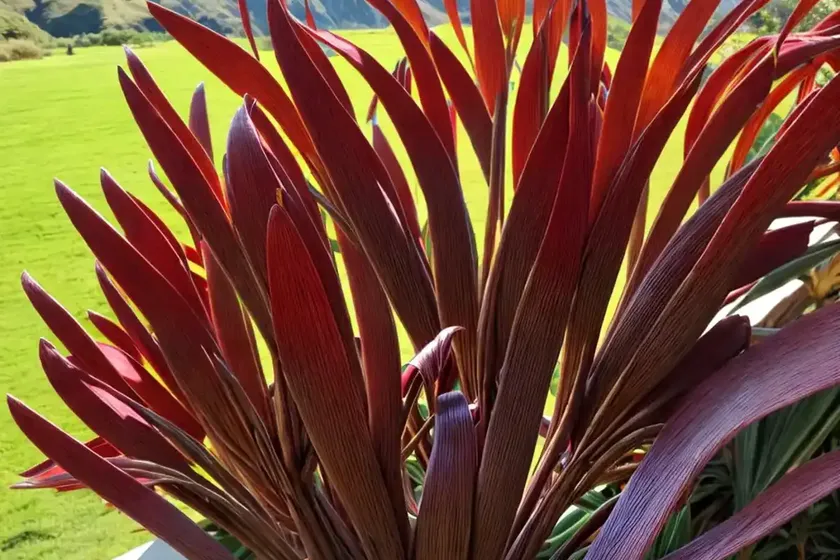
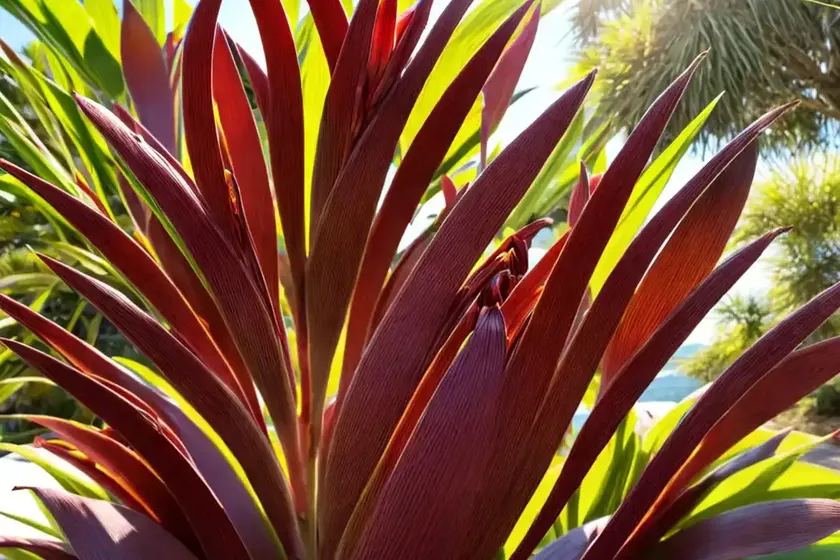
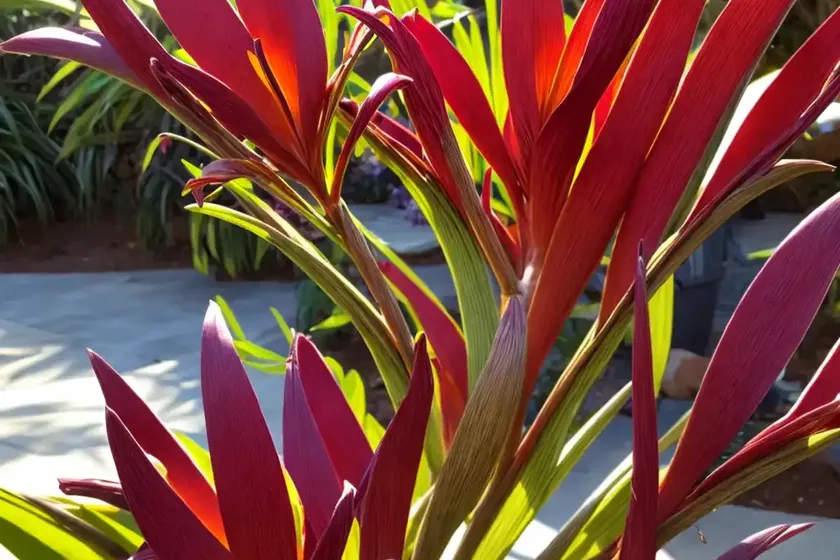
New Zealand Flax, scientifically known as Phormium tenax, is a striking plant that originates from New Zealand. Its vibrant and distinct foliage, combined with its adaptability to various climates and landscapes, has made it a popular choice for gardens and landscaping around the world. In this comprehensive guide, we will explore the characteristics, cultivation, uses, and maintenance of New Zealand Flax, providing valuable insights for both gardening enthusiasts and landscaping professionals.
What is New Zealand Flax (Phormium Tenax)?
New Zealand Flax, despite its name, is not related to the true flax plant (Linum usitatissimum), which is cultivated for its fibers. Instead, it is a member of the Phormium genus and belongs to the family Asphodelaceae. This perennial evergreen plant is characterized by its long, sword-shaped leaves, which can range in color from green to bronze, red, pink, and yellow. It produces vibrant flowers on tall stalks, making it an eye-catching addition to any outdoor space.
Key Takeaways
Let’s delve into the key takeaways before we explore the detailed aspects of New Zealand Flax.
- Botanical Name: Phormium Tenax
- Common Name: New Zealand Flax
- Origin: New Zealand
- Type: Perennial Evergreen
- Uses: Ornamental, Landscaping, Traditional Purposes
- Distinctive Feature: Long Sword-Shaped Leaves in Various Colors
Now, let’s embark on a journey to understand the culture, uses, and maintenance of the fascinating New Zealand Flax plant.
Culture
Water
New Zealand Flax thrives in moist, well-draining soil. While it can tolerate periods of drought once established, it is essential to provide regular watering, especially during dry spells, to promote healthy growth and vibrant foliage. However, it is crucial to avoid waterlogging, as excessive moisture can lead to root rot.
Sunlight
This versatile plant can adapt to various light conditions, from full sun to partial shade. While it prefers full sun for optimal growth and flowering, it can also thrive in partially shaded areas, making it suitable for a wide range of landscapes and garden designs.
Soil
New Zealand Flax prefers fertile, well-draining soil. A rich mix of loam and organic matter provides an ideal growing environment for this plant. Additionally, maintaining a slightly acidic to neutral soil pH promotes nutrient uptake and overall vigor.
Fertilizer
Applying a balanced, slow-release fertilizer in the spring can support healthy growth and vibrant foliage. Select a fertilizer specifically formulated for ornamental plants, and follow the manufacturer’s recommendations for application rates. Avoid over-fertilization, as excessive nutrient levels can negatively impact the plant’s health.
Uses
Landscaping
New Zealand Flax is a prized addition to landscaping projects, thanks to its stunning foliage and adaptability to various environments. It can be used to create striking focal points, borders, and mass plantings, adding visual interest and a pop of color to outdoor spaces. Its architectural form and vibrant hues make it a versatile choice for modern, coastal, and traditional garden designs.
Traditional Purposes
In its native New Zealand, the Maori people traditionally used the durable fibers from New Zealand Flax leaves for weaving. The fibers were employed in crafting baskets, mats, and clothing, showcasing the plant’s cultural significance and multifaceted utility.
Pruning
Pruning is an essential aspect of New Zealand Flax maintenance, helping to promote healthy growth and maintain an attractive appearance. Remove any damaged or discolored leaves throughout the year to keep the plant looking neat and vibrant. Additionally, periodic removal of old flower stalks can encourage the development of new blooms.
Propagation
New Zealand Flax can be propagated through division or by collecting and sowing seeds. Division is a common method that involves separating the offsets or divisions from the parent plant and replanting them in suitable growing conditions. Seed propagation requires patience, as the seeds may take several weeks to germinate. However, it provides an opportunity to grow new plants with unique characteristics and variations.
Container Popularity
The versatility of New Zealand Flax extends to container gardening, making it a popular choice for adding ornamental interest to outdoor spaces, patios, and balconies. Its upright growth habit and striking foliage create a captivating display in containers, enhancing the aesthetic appeal of urban gardens and outdoor living areas.
Common Diseases
New Zealand Flax is generally resilient to pests and diseases when grown in suitable conditions. However, it is susceptible to root rot and fungal infections in poorly drained or waterlogged soil. Additionally, overwatering can lead to crown rot, impacting the overall health of the plant.
Disease Diagnosis
Diagnosing diseases in New Zealand Flax involves paying close attention to the plant’s overall appearance and growth patterns. Symptoms such as yellowing or browning of leaves, wilting, and stunted growth can indicate potential issues. It is essential to promptly address any signs of disease through appropriate cultural practices and, if necessary, targeted treatments.
Common Pests
While New Zealand Flax is relatively resistant to pests, it can occasionally be affected by aphids, scale insects, and spider mites. Regularly inspecting the plant for any signs of infestation and promptly addressing pest issues can help maintain its health and vigor.
Botanist’s Tips
- Mulching: Applying a layer of organic mulch around the base of the plant helps retain moisture, regulate soil temperature, and suppress weed growth.
- Regular Inspections: Periodically inspecting the plant for signs of pests, diseases, and nutrient deficiencies allows for early intervention and proactive maintenance.
- Protecting from Frost: In colder climates, providing winter protection, such as covering the plant with a breathable fabric, can help shield it from frost damage.
Fun Facts
- New Zealand Flax (Phormium Tenax) was a significant plant for the indigenous Maori people, who utilized its fibers for various practical and artistic purposes.
- The vibrant leaves of New Zealand Flax come in an array of colors, ranging from green and bronze to red, pink, and yellow, contributing to its ornamental appeal.
- The plant’s flowers, borne on tall stalks, attract pollinators and add an extra dimension of visual interest to garden landscapes.
Links to External Resources
For further information on New Zealand Flax (Phormium Tenax) and its cultivation, the following external resources provide valuable insights and guidance:
- New Zealand Flax: Plant of the Week, University of Arkansas Division of Agriculture
- Phormium Tenax: New Zealand Flax, University of Florida IFAS Extension
- Growing New Zealand Flax, Royal Horticultural Society
In conclusion, New Zealand Flax (Phormium Tenax) stands out as a captivating and versatile addition to garden landscapes, from vibrant foliage and architectural appeal to adaptability to various growing conditions. Whether used for ornamental displays, landscaping designs, or traditional purposes, this plant offers a myriad of benefits and opportunities for cultivation, making it a cherished choice for gardeners and horticultural enthusiasts worldwide.
New Zealand Flax’s remarkable foliage and multifaceted uses make it a valuable addition to both natural landscapes and designed gardens. Its adaptability, durability, and vibrant display of colors contribute to its appeal, offering numerous opportunities for incorporating it into various outdoor environments. Whether you’re seeking a striking ornamental plant, an addition to a traditional weaving garden, or an element of coastal landscaping, New Zealand Flax (Phormium Tenax) is sure to make a memorable and impactful statement in any setting.
This comprehensive guide outlines the cultural requirements, uses, maintenance, and fun facts about New Zealand Flax (Phormium Tenax). Whether you’re a gardening enthusiast, a landscaping professional, or simply an admirer of ornamental plants, the diverse applications and versatility of this captivating species hold rich potential for enhancing outdoor spaces.


