Thalictrum ‘Splendide’ (Meadow Rue): A Comprehensive Cultivation Guide
Thalictrum ‘Splendide’, commonly known as Meadow Rue, is a stunning perennial plant that is prized for its delicate, airy blooms and graceful foliage. This versatile plant can be a valuable addition to any garden, adding a touch of elegance and charm. In this comprehensive guide, we will explore the cultivation, care, and uses of Thalictrum ‘Splendide’, providing valuable insights for both novice and experienced gardeners.
What is Thalictrum ‘Splendide’?
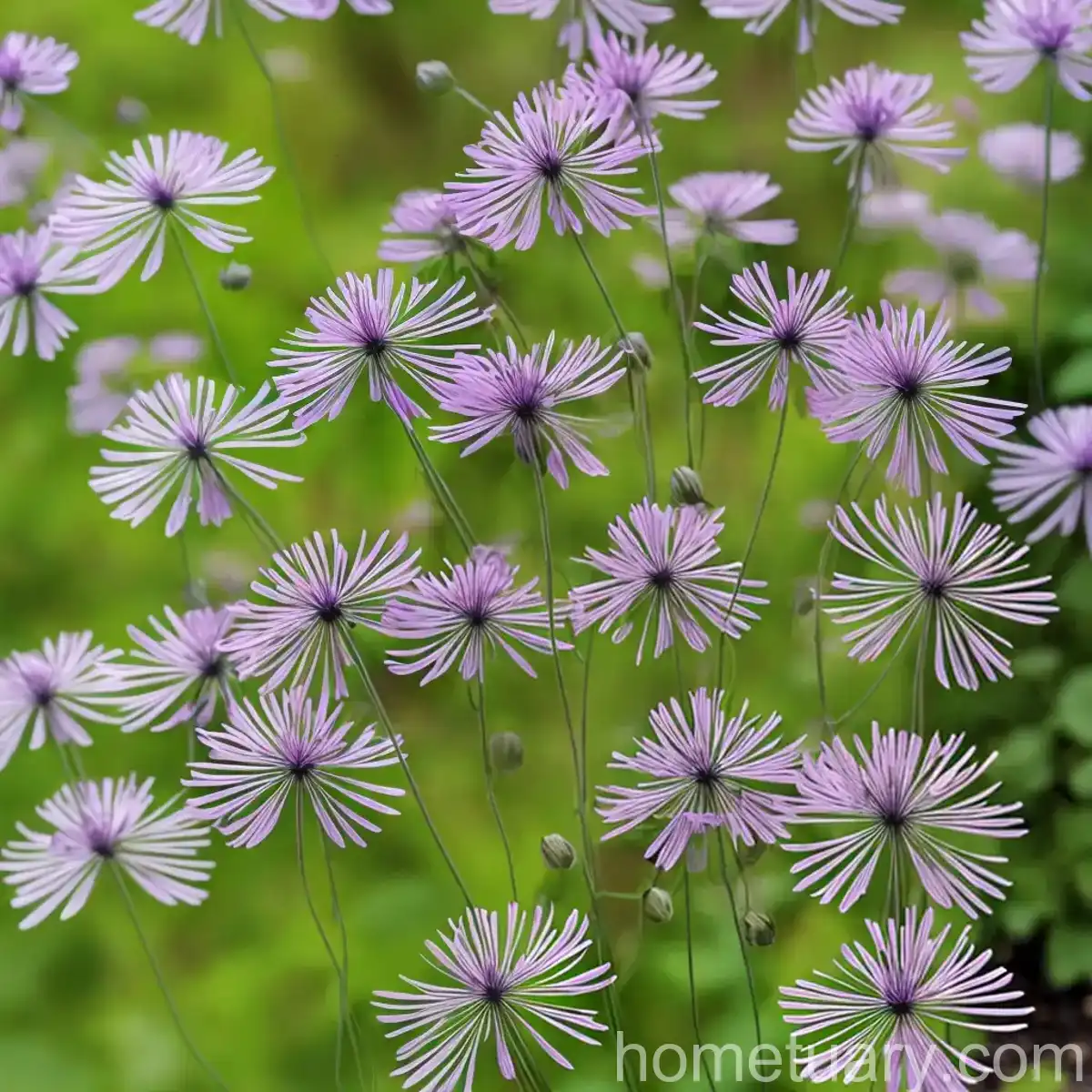
Thalictrum ‘Splendide’ is a herbaceous perennial plant that belongs to the Ranunculaceae family. It is native to Asia, Europe, and North America and is known for its characteristic feathery foliage and clusters of small, delicate flowers. The plant typically grows to a height of 3-4 feet, creating a striking presence in the garden.
The common name, Meadow Rue, is derived from the plant’s resemblance to the Rue plant (Ruta), despite not being related botanically. Thalictrum ‘Splendide’ is valued for its ability to add vertical interest to garden beds and borders, and its ethereal flowers are attractive to pollinators, such as butterflies and bees.
Key Takeaways – Thalictrum ‘Splendide’
Before delving into the specifics of Thalictrum ‘Splendide’ cultivation and care, let’s highlight the key takeaways about this remarkable plant.
- Scientific Name: Thalictrum ‘Splendide’
- Common Name: Meadow Rue
- Family: Ranunculaceae
- Plant Type: Herbaceous perennial
- Mature Height: 3-4 feet
- Native Range: Asia, Europe, North America
- Characteristics: Feathery foliage, delicate flowers
Thalictrum ‘Splendide’ is a captivating addition to a variety of garden settings, offering both aesthetic appeal and ecological benefits.
Culture
When considering the culture of Thalictrum ‘Splendide’, it is essential to understand its environmental preferences and growth requirements. Proper cultural practices are crucial for ensuring the plant’s health and vigor.
Water
Thalictrum ‘Splendide’ thrives in consistently moist soil, and while it tolerates brief periods of drought, it prefers a consistently moist environment. Adequate watering is essential, particularly during dry spells and in regions with hot summers.
- Watering Needs: Regular, consistent moisture
- Ideal Watering Method: Deep watering to ensure moisture reaches the plant’s root zone
Ensuring that the plant receives sufficient water is critical for its overall health and vitality. Providing consistent moisture will contribute to lush foliage and abundant flowering.
Sunlight
In terms of sunlight requirements, Thalictrum ‘Splendide’ thrives in partially shaded to fully shaded locations. While it can tolerate some morning sun, it generally prefers dappled or filtered light, particularly in regions with intense sunlight.
- Light Requirements: Partial to full shade
- Optimal Conditions: Dappled or filtered light
- Sun Tolerance: Can tolerate some morning sun
Shaded areas beneath deciduous trees, woodland gardens, or shaded borders are excellent locations for cultivating Thalictrum ‘Splendide’. Providing the right amount of shade will encourage healthy growth and prolific flowering.
Soil
Thalictrum ‘Splendide’ performs best in rich, well-draining soil with ample organic matter. The plant demonstrates a preference for slightly acidic to neutral soil, though it can adapt to a range of soil types.
- Soil Type: Rich, well-draining
- pH Range: Slightly acidic to neutral
- Amendment: Organic matter to improve soil structure and fertility
Amending the soil with compost or well-rotted manure can enhance its fertility and structure, providing an optimum growing medium for Thalictrum ‘Splendide’.
Fertilizer
While Thalictrum ‘Splendide’ is not considered a heavy feeder, supplemental fertilization can promote vigorous growth and abundant flowering. A balanced, slow-release fertilizer applied in early spring can provide the necessary nutrients for strong, healthy plants.
- Fertilization Timing: Early spring, before the onset of new growth
- Fertilizer Type: Balanced, slow-release fertilizer
- Application Method: Even distribution around the plant’s dripline
A moderate application of fertilizer can support the plant’s growth without promoting excessive vegetative growth at the expense of flowering.
Pruning
Pruning plays a pivotal role in maintaining the aesthetics and vigor of Thalictrum ‘Splendide’. Proper pruning can also help prevent the plant from becoming overly leggy and promote the development of new growth and flowers.
- Pruning Time: Late winter to early spring
- Pruning Objective: Remove dead or damaged growth, shape the plant, and encourage new growth
- Technique: Using sharp, clean pruners to make precise cuts
- Pruning Height: Cut back to 6-8 inches above ground level
Pruning in late winter or early spring allows for the removal of any dead or damaged stems, ensuring a clean start for new growth. Additionally, it promotes a more compact and bushy habit and encourages the development of fresh, healthy stems.
Propagation
For gardeners interested in propagating Thalictrum ‘Splendide’, several methods can be employed to establish new plants, allowing for expansion or sharing with fellow gardening enthusiasts.
Division
Dividing established clumps of Thalictrum ‘Splendide’ is an effective means of propagation. Dividing the plant every 3-4 years not only creates additional plants but also rejuvenates the original plant, promoting vigorous growth and improved flowering.
- Optimal Time: Early spring or late summer to early fall
- Procedure: Dig up the plant and divide the root ball into sections, each containing several shoots and a portion of the root system
- Planting: Replant the divisions at the desired location, ensuring proper soil preparation and moisture levels
Division is a straightforward and reliable method for propagating Thalictrum ‘Splendide’, providing an opportunity to establish new plantings and revitalize existing specimens.
Seed Propagation
Thalictrum ‘Splendide’ can also be propagated from seeds, though this method requires patience as it may take some time for the plants to reach maturity and begin flowering. Sowing the seeds in a suitable growing medium and providing the necessary care can lead to the development of healthy, robust plants.
- Sowing Time: Spring or early summer
- Seed Preparation: Scarification or stratification may be required, depending on the species
- Germination Conditions: Warm, consistently moist environment
Seed propagation offers a cost-effective and rewarding approach to expanding your collection of Thalictrum ‘Splendide’, allowing you to cultivate diverse varieties and observe the natural process of seedling development.
Container Popularity
Although Thalictrum ‘Splendide’ is commonly grown in garden beds and borders, it can also thrive in containers under the right conditions. Container cultivation offers flexibility in terms of placement and is particularly beneficial for gardeners with limited space or those seeking to create focal points and accents in patio or balcony settings.
Container Selection
When selecting a container for Thalictrum ‘Splendide’, it is crucial to choose a vessel that provides ample room for root growth and stability to support the plant’s upright habit. Additionally, the container should have adequate drainage to prevent waterlogging and maintain optimal soil moisture levels.
- Container Type: Large, sturdy pot with drainage holes
- Material: Terracotta, plastic, or wood
- Size: Sufficient diameter and depth to accommodate the plant’s root system
A well-chosen container can provide a hospitable environment for Thalictrum ‘Splendide’, enabling it to thrive and beautify outdoor living spaces.
Soil and Care
When planting Thalictrum ‘Splendide’ in containers, it is crucial to use a high-quality, well-draining potting mix to ensure optimal growing conditions. Regular monitoring of soil moisture and appropriate watering practices are essential for container-grown plants.
- Potting Mix: Well-draining, nutrient-rich mix
- Watering: Regular, consistent moisture
- Fertilization: Periodic application of a balanced, water-soluble fertilizer during the growing season
- Placement: Partially shaded to shaded location, protecting the plant from intense midday sun
Container cultivation presents an opportunity to showcase Thalictrum ‘Splendide’ in various settings, such as patios, balconies, and outdoor dining areas, where it can contribute to the creation of inviting and visually appealing displays.
Common Diseases
Thalictrum ‘Splendide’ is generally resilient to diseases, particularly when provided with suitable growing conditions and proper care. However, like any plant, it may be susceptible to certain ailments, and being able to identify and manage common diseases is essential for preserving the plant’s health and vitality.
Powdery Mildew
Powdery mildew, a common fungal disease, can affect Thalictrum ‘Splendide’, particularly in conditions of high humidity and poor air circulation. Symptoms include the development of a powdery white substance on the plant’s leaves and stems, often leading to diminished vigor and aesthetic appeal.
- Preventive Measures: Promote good air circulation, avoid overhead watering, and provide adequate spacing between plants
- Treatment: Fungicidal sprays or neem oil may be employed for control
- Cultural Practices: Remove and destroy infected plant material, particularly during periods of dormancy
Vigilance and timely intervention are crucial for managing powdery mildew and preventing its proliferation, preserving the health and beauty of Thalictrum ‘Splendide’.
Rust
Rust is another fungal disease that can affect Thalictrum ‘Splendide’, causing the development of orange or brown lesions on the plant’s leaves and stems. Left unchecked, rust can weaken the plant and detract from its ornamental value.
- Prevention: Avoid overhead watering, provide adequate spacing, and maintain good garden hygiene
- Control: Fungicidal treatments or neem oil applications can help manage rust infections
- Sanitation: Remove and dispose of infected plant parts to prevent the spread of the disease
By practicing proactive measures and promptly addressing any signs of rust, gardeners can safeguard Thalictrum ‘Splendide’ from the detrimental effects of this fungal pathogen.
Disease diagnosis
Diagnosing plant diseases can be challenging, particularly for individuals who are relatively new to gardening. When confronted with signs of disease on Thalictrum ‘Splendide’, it is essential to closely examine the symptoms and seek assistance if necessary.
Visual Inspection
Careful observation of the plant’s leaves, stems, and overall appearance can provide valuable insights into the nature of the disease. Examining the color, texture, and patterns of any abnormalities can help in narrowing down the possible causes of the issue.
- Symptoms: Discoloration, wilting, spotting, powdery residue, or unusual growth
- Location: Note the specific parts of the plant that are affected
Visual inspection serves as the first step in the process of disease diagnosis, offering an initial understanding of the plant’s condition and guiding further action.
Professional Consultation
When uncertainty arises or when symptoms are ambiguous, consulting with experienced gardeners, horticulturists, or local extension services can be immensely beneficial. Seeking professional guidance can aid in accurate disease identification and the formulation of an effective management plan.
- Local Extension Services: Contact local agricultural or horticultural extension offices for assistance
- Gardening Communities: Engage with fellow gardeners and plant enthusiasts to seek advice and insights
- Online Resources: Utilize reputable online resources and forums dedicated to plant health and gardening
Harnessing the expertise of professionals and experienced individuals can provide valuable support and assist in resolving plant health issues with confidence.
Common Pests
Thalictrum ‘Splendide’ is relatively resistant to pest infestations, but it may be susceptible to certain pests that can compromise the plant’s vitality and appearance. Being aware of potential pests and employing suitable preventive measures is essential for preserving the plant’s well-being.
Aphids
Aphids are sap-sucking insects that may target Thalictrum ‘Splendide’, particularly during periods of new growth. These tiny, soft-bodied pests can congregate on the plant’s tender shoots and feed on its sap, potentially causing distortion and discoloration of the foliage.
- Preventive Measures: Encourage natural predators, such as ladybugs and lacewings, and provide suitable growing conditions to promote the plant’s vigor
- Control: Hose off aphids with a strong stream of water or apply insecticidal soap as needed
- Monitoring: Regularly inspect the plant for signs of aphid activity, particularly during the growing season
Vigilance and proactive intervention can help manage aphid populations and protect Thalictrum ‘Splendide’ from their detrimental effects.
Slugs and Snails
Slugs and snails can pose a threat to Thalictrum ‘Splendide’, particularly in moist and humid environments. These mollusks feed on the plant’s foliage, leaving behind ragged edges and unsightly holes, potentially compromising its visual appeal.
- Preventive Measures: Use barriers, such as copper tape, to deter slugs and snails from reaching the plant
- Control: Handpick slugs and snails and employ organic slug baits as necessary
- Habitat Modification: Reduce excess moisture in the immediate vicinity of the plant to discourage slug and snail activity
Implementing strategies to deter slugs and snails can help safeguard the aesthetic and structural integrity of Thalictrum ‘Splendide’, preserving its ornamental value.
Botanist’s Tips
Seasoned botanists and passionate gardeners often have valuable insights and tips to share when it comes to cultivating and caring for specific plant species. In the case of Thalictrum ‘Splendide’, following botanist’s recommendations can contribute to successful cultivation and the creation of visually striking garden displays.
Encourage Naturalized Plantings
Thalictrum ‘Splendide’ can lend a natural and informal ambiance to garden settings, particularly when allowed to naturalize and spread gently. Planting it in groups or drifts within shaded borders or woodland gardens can create a relaxed and ethereal atmosphere.
- Planting Approach: Create naturalized plantings with informal groupings of Thalictrum ‘Splendide’
- Companion Plants: Pair with ferns, hostas, astilbes, and other woodland perennials for a harmonious effect
- Aesthetic Appeal: Emphasize the plant’s airy, delicate presence for a soft and relaxed garden aesthetic
Encouraging naturalized plantings can enhance the charm and allure of Thalictrum ‘Splendide’, embracing its graceful nature within the broader garden landscape.
Support Beneficial Pollinators
Thalictrum ‘Splendide’ is an important source of nectar and pollen for various pollinators, including butterflies, bees, and other beneficial insects. By cultivating this plant, gardeners can contribute to the well-being of local pollinator populations, supporting ecological balance.
- Pollinator Gardens: Include Thalictrum ‘Splendide’ in pollinator-friendly garden designs to attract and sustain butterflies and bees
- Wildlife Habitat: Provide a valuable food source and habitat for pollinators, contributing to garden biodiversity
- Ecological Impact: Support local ecosystems by promoting the presence of vital pollinator species
By advocating for the presence of pollinators in the garden and recognizing the role of plants like Thalictrum ‘Splendide’, gardeners can contribute to the preservation of essential ecological relationships.
Embrace Seasonal Interest
Thalictrum ‘Splendide’ offers distinctive seasonal interest, evolving in appearance and character throughout the year. Embracing the plant’s seasonal nuances and integrating it into garden designs with foresight can yield captivating and engaging displays.
- Seasonal Evolution: Observe changes in foliage, flowering, and overall appearance as the plant progresses through the seasons
- Complementary Plantings: Pair with other perennials to ensure year-round garden interest and visual appeal
- Dynamic Garden Design: Enhance the garden’s visual impact by integrating Thalictrum ‘Splendide’ into seasonal planting schemes
By acknowledging and capitalizing on the plant’s seasonal interest, gardeners can create diverse and engaging garden landscapes that captivate throughout the year.
Fun Facts
Thalictrum ‘Splendide’ possesses a rich tapestry of attributes and characteristics, contributing to its appeal and desirability in garden settings. Exploring the fun and intriguing aspects of the plant can deepen one’s appreciation for its unique qualities.
- Ethnobotanical Uses: Thalictrum species have historical use in traditional medicine for treating various ailments, although the specific uses may vary among cultures.
- Myth and Lore: Thalictrum ‘Splendide’ has been associated with mythological symbolism and may have inspired folklore and stories throughout history.
- Attractive to Wildlife: Beyond butterflies and bees, Thalictrum ‘Splendide’ may attract other wildlife, such as birds and small mammals, due to its nectar-rich flowers and seeds.
- Hybrid Varieties: The diversity of Thalictrum species has led to the development of numerous hybrid varieties, each exhibiting unique characteristics and attributes.
Uncovering the lesser-known aspects of Thalictrum ‘Splendide’ can deepen one’s connection to the plant and enrich their gardening experience, fostering a greater understanding and appreciation for its place in the natural world.
Links to External Resources
For further exploration and in-depth information about Thalictrum ‘Splendide’ and related topics, the following external resources can provide valuable insights and practical guidance.
- Royal Horticultural Society – Thalictrum ‘Splendide’
- University of Wisconsin-Madison Extension – Growing Perennials
- Missouri Botanical Garden – Plant Finder
- American Horticultural Society – Gardening Guides
- Plant Management Network – Plant Health Management
The wealth of information available from reputable horticultural and botanical organizations can serve as a valuable resource for gardeners seeking comprehensive and reliable guidance on cultivating Thalictrum ‘Splendide’ and enhancing their gardening skills.
In conclusion, Thalictrum ‘Splendide’, with its elegant foliage and delicate blooms, offers a wealth of opportunities for gardeners to create enchanting and serene garden landscapes. By understanding its cultivation requirements and considering its versatile uses, gardeners can harness the plant’s unique attributes to enrich their outdoor spaces and foster a deeper connection to the natural world.
As a timeless and captivating perennial, Thalictrum ‘Splendide’ embodies both beauty and resilience, serving as a testament to the enduring appeal of garden plants and the profound joy they bring to those who cultivate them.