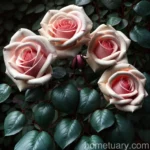
The Incredible Rosa Peace (Hybrid Tea Rose)
When it comes to timeless beauty and enchanting fragrance, the Rosa Peace (Hybrid Tea Rose) stands as an exemplary symbol. Its stunning blooms and remarkable cultural significance make it a captivating choice for both professional horticulturists and home gardeners. In this comprehensive guide, we will explore the fascinating world of Rosa Peace (Hybrid Tea Rose), including its culture, uses, care requirements, diseases, pests, and much more.
What is a Hybrid Tea Rose?
The Hybrid Tea Rose, also known as Rosa Peace, is a classic and popular choice within the rose family. These roses are the result of crossing hybrid perpetuals with tea roses, which results in an elegant and traditional appearance. The Rosa Peace specifically is celebrated for its exquisite fragrance, beautiful blooms, and versatility in gardens and landscapes.
Key Takeaways – Rosa Peace (Hybrid Tea Rose)
Before delving into the specific aspects of the Rosa Peace (Hybrid Tea Rose), let’s take a moment to summarize the key takeaways:
- Plant Name: Rosa Peace (Hybrid Tea Rose)
- Other Names: Peace Rose, Rosa Peace variety
- Characteristics: Fragrant, colorful blooms, disease-resistant
- Cultural Significance: Symbolism, medicinal properties
- Cultivation: Pruning, watering, fertilizing, soil preferences
- Propagation: Cuttings, grafting
- Common Uses: Landscaping, cut flowers
- Challenges: Common diseases, pest management
Now, let’s explore each of these aspects in detail to gain a comprehensive understanding of this exquisite rose variety.
Culture
Water
Proper watering is crucial for the health and vitality of Rosa Peace (Hybrid Tea Rose) plants. It is essential to maintain consistently moist soil, especially during the growing season. To prevent issues such as root rot, it’s important to ensure that the rose plants are not sitting in waterlogged soil. A regular watering schedule, especially during dry spells, is essential to support healthy growth and abundant flowering.
Sunlight
The Rosa Peace (Hybrid Tea Rose) thrives in abundant sunlight. It is recommended to provide at least 6-8 hours of direct sunlight per day for optimal growth and flowering. Adequate sunlight exposure not only promotes robust plant development but also enhances the color and fragrance of the blooms.
Fertilizer
Fertilizing the soil is an essential aspect of caring for the Rosa Peace (Hybrid Tea Rose). A balanced fertilizer designed for roses, applied according to the manufacturer’s instructions, can provide the necessary nutrients for healthy growth and prolific flowering. It is advisable to feed the roses in early spring as new growth emerges and again in late spring to support the blooming cycle.
Soil
The choice of soil plays a significant role in the overall health and performance of Rosa Peace (Hybrid Tea Rose) plants. Well-draining soil with a slightly acidic to neutral pH range is ideal for cultivating these roses. Amending the soil with organic matter can improve its structure and fertility, creating a conducive environment for the roots to thrive.
Pruning
Pruning is a vital aspect of maintaining the health, shape, and flowering prowess of Rosa Peace (Hybrid Tea Rose) plants. Regular pruning, preferably in late winter or early spring, helps remove dead or diseased wood, encourages new growth, and shapes the plant for an appealing appearance. It is essential to use clean, sharp pruners to make precise cuts and minimize the risk of disease transmission.
Propagation
The propagation of Rosa Peace (Hybrid Tea Rose) can be achieved through various methods, including stem cuttings and grafting. Both novice and experienced gardeners can successfully propagate new rose plants from healthy cuttings, which allows for the expansion of their rose garden or the sharing of these beloved plants with others.
Container Popularity: Peace Rose in Containers
Due to its compact and manageable size, the Rosa Peace (Hybrid Tea Rose) is well-suited for container cultivation. This feature makes it a popular choice among urban gardeners and those with limited outdoor space. When grown in containers, the roses can adorn patios, balconies, and other outdoor areas, adding a touch of elegance with their colorful blooms and enchanting fragrance.
Common Diseases and Disease Diagnosis
From black spot to powdery mildew, roses are susceptible to several diseases that can affect their health and vitality. Proper diagnosis of these diseases is essential for implementing effective treatment and preventive measures. Regular inspection of the foliage, stems, and blooms can help in identifying early signs of disease, allowing for timely intervention to protect the plants.
Common Pests
Roses, including the Rosa Peace (Hybrid Tea Rose), can fall prey to a range of pests such as aphids, thrips, and spider mites. Vigilance is key to managing these pests, and natural or targeted interventions are often preferred to minimize the impact on beneficial insects and the overall garden ecosystem.
Botanist’s Tips
As a plant scientist specializing in roses, I would like to share some essential tips for growing and caring for Rosa Peace (Hybrid Tea Rose):
- Ensure adequate air circulation around the plants to minimize the risk of fungal diseases.
- Mulch the soil around the roses to retain moisture, regulate temperature, and suppress weeds.
- Monitor the roses regularly for any signs of stress, disease, or pest infestation, and take prompt action as needed.
- Consider companion planting with species that complement the roses and contribute to a balanced and diverse garden ecosystem.
Fun Facts
To add a touch of intrigue and fascination to our exploration of Rosa Peace (Hybrid Tea Rose), here are some fun and noteworthy facts about these timeless beauties:
- The Peace Rose is renowned for its captivating fragrance, often described as a blend of fruit and tea.
- This exquisite rose variety was first introduced in the 1940s and has since enraptured gardening enthusiasts and rose aficionados worldwide.
- The name “Peace Rose” is attributed to its significance in the context of World War II, symbolizing hope and tranquility during tumultuous times.
Links to External Resources
For those delving deeper into the world of roses and seeking additional insights and information, here are some valuable external resources:
- American Rose Society: The official website of the American Rose Society offers a wealth of resources, including articles, guides, and forums for rose enthusiasts.
- Royal Horticultural Society – Roses: The Royal Horticultural Society provides comprehensive guidance on growing and caring for roses, including the Hybrid Tea Rose variety.
By delving into the captivating realm of Rosa Peace (Hybrid Tea Rose), we gain a deeper appreciation for its beauty, cultural significance, and the intricate art of cultivating and caring for these majestic plants. Whether adorning gardens, containers, or floral arrangements, the Rosa Peace continues to enchant and inspire with its timeless allure.