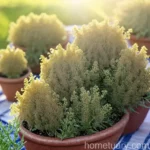
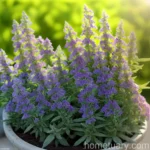
Teucrium fruticans (Tree Germander): A Versatile Mediterranean Evergreen Shrub
In the world of gardening and landscaping, there are countless plant species that provide both aesthetic value and practical uses. One such plant that has been gaining popularity in Mediterranean-themed gardens is Teucrium fruticans, commonly known as Tree Germander. This evergreen shrub is not only visually appealing but also offers a range of cultural, ornamental, and medicinal benefits.
As a plant scientist with a passion for exploring the diverse world of flora, I am excited to delve into the intricate details of Teucrium fruticans. From its growth habits to its pruning techniques and from its landscape uses to its natural habitat, this article aims to serve as a comprehensive guide for both novice and experienced gardeners.
Plant Name: Teucrium fruticans (Tree Germander)
Before we delve into the nitty-gritty aspects of Tree Germander, let’s first understand the basics. Teucrium fruticans, belonging to the Lamiaceae family, is a species of flowering plant native to the western and central Mediterranean region, including Portugal, Spain, France, Italy, and several North African countries. This evergreen shrub boasts an array of characteristics that make it a valuable addition to any garden or landscape design.
Teucrium fruticans: Key Takeaways
Before we get into the specifics, here are some key takeaways to set the stage for our in-depth exploration of Tree Germander:
-
Mediterranean shrubs: Teucrium fruticans is a type of evergreen shrub commonly found in Mediterranean climates.
-
Evergreen plant: As an evergreen species, Teucrium fruticans retains its foliage throughout the year, adding color and vibrancy to landscapes even during the winter months.
-
Tree Germander characteristics: The unique characteristics of Teucrium fruticans include its aromatic leaves, showy flowers, and versatile landscape uses.
-
Teucrium fruticans plants: Cultivating Teucrium fruticans requires an understanding of its water, sunlight, soil, and fertilizer requirements.
-
Tree Germander growth habits: Understanding the growth habits of Tree Germander is essential for successful cultivation and maintenance.
Now, let’s dive deeper into the various aspects of Teucrium fruticans, from its cultural requirements to its ornamental features and beyond.
Culture
Understanding the cultural requirements of Teucrium fruticans is crucial for creating an environment that promotes healthy growth and abundant flowering. Let’s explore the cultural aspects of Tree Germander in detail.
Water
Teucrium fruticans is known for its drought tolerance, making it an ideal choice for Mediterranean and xeriscape gardens. While established plants are highly resilient to dry conditions, young specimens may require regular watering, especially during the first growing season. Once established, Tree Germander generally thrives in well-draining soil and can withstand periods of limited water availability.
Sunlight
In its natural habitat, Teucrium fruticans thrives in full sun to partial shade. When grown in regions with hot summers, providing partial afternoon shade can help prevent leaf scorching during the hottest part of the day. However, in general, Tree Germander performs best when exposed to ample sunlight, which promotes dense foliage and profuse flowering.
Fertilizer
Teucrium fruticans typically does not require heavy fertilization. In fact, applying excessive fertilizer can lead to overly lush growth and reduced flowering. A balanced, slow-release fertilizer applied in the spring can provide sufficient nutrients for healthy growth and flowering. It is important to carefully follow the recommended application rates to avoid overfeeding the plants.
Soil
This species is adaptable to a wide range of soil types, including sandy, loamy, and clay soils, as long as they are well-draining. In its native Mediterranean habitat, Tree Germander often grows in rocky, calcareous soils with good drainage. When cultivated in gardens, it is important to ensure that the soil does not become waterlogged, as overly wet conditions can lead to root rot and other issues.
Pruning
Proper pruning techniques are essential for maintaining the desired shape and size of Teucrium fruticans. This species responds well to regular pruning and shaping, which can promote dense growth and increase the production of flowering shoots. Pruning is best carried out in late winter or early spring before the onset of new growth. It is advisable to remove dead or damaged branches, as well as any excessively vigorous growth to maintain a balanced and tidy appearance.
Uses
The versatile nature of Teucrium fruticans makes it a valuable addition to a wide range of garden settings. Whether used as a standalone specimen, a hedge, or part of a mixed border, Tree Germander offers numerous landscape uses. Additionally, the aromatic foliage and showy flowers of this species contribute to its appeal in garden designs.
Landscape Uses
Teucrium fruticans can be used for various landscape purposes, including:
-
Hedging: When planted in a row and maintained through regular pruning, Tree Germander can form a dense and visually appealing hedge. This usage is particularly popular in Mediterranean and drought-tolerant garden designs.
-
Borders and Edging: The compact growth habit of Tree Germander makes it well-suited for use as a border or edging plant along walkways, flower beds, or garden borders.
-
Topiary: Due to its responsive nature to pruning, Teucrium fruticans can be shaped into formal or informal topiaries, adding an element of sculptural beauty to garden spaces.
-
Mixed Plantings: As part of mixed shrub borders or as a companion to other drought-tolerant plants, Tree Germander contributes both texture and color to garden compositions.
-
Container Gardening: In regions with harsh winters, Teucrium fruticans can be cultivated in containers and brought indoors during the coldest months, providing a touch of Mediterranean charm to patios and balconies.
Medicinal Uses
Beyond its ornamental value, Tree Germander has a history of traditional medicinal uses. In some cultures, extracts from the leaves of Teucrium fruticans have been used in alternative medicine for various purposes. It is important to note that the use of any plant for medicinal purposes should be approached with caution and preferably under the guidance of a qualified healthcare professional.
Propagation
Propagating Teucrium fruticans can be achieved through several methods, including seed propagation, softwood cuttings, and semi-hardwood cuttings. Let’s explore these propagation methods in greater detail.
Seed Propagation
Growing Teucrium fruticans from seeds can be a rewarding but time-consuming process. Here are the basic steps for seed propagation:
-
Seed Collection: Harvest the seeds from mature flower spikes once they have dried on the plant.
-
Seed Preparation: Clean the seeds and store them in a cool, dry place until ready for sowing.
-
Sowing: Sow the seeds in a well-draining potting mix and cover them lightly with soil. Keep the soil consistently moist until germination occurs.
-
Seedling Care: Once germination occurs, care for the seedlings in a protected environment until they are large enough to be transplanted into individual pots or directly into the garden.
Softwood and Semi-Hardwood Cuttings
Propagation through cuttings is a more reliable and faster method for obtaining new Teucrium fruticans plants. Here’s how it can be done:
-
Cutting Preparation: Take softwood or semi-hardwood cuttings during the active growing season. Softwood cuttings are typically harvested in late spring to early summer, while semi-hardwood cuttings are obtained in late summer to early autumn.
-
Rooting Medium: Dip the lower end of the cuttings in a rooting hormone and plant them in a well-draining rooting medium, such as a mixture of perlite and peat.
-
Rooting Environment: Place the cuttings in a warm, humid environment with indirect light. Regular misting can help maintain high humidity levels around the cuttings.
-
Transplanting: Once the cuttings have developed a healthy root system, they can be transplanted into individual pots or directly into the garden.
Container Gardening
For gardeners with limited space or those seeking to create portable displays of greenery, Teucrium fruticans can be an excellent choice for container gardening. Here are some key considerations for cultivating Tree Germander in containers:
-
Container Size: Select a container that provides ample room for the root system to develop. It should have drainage holes to prevent waterlogging.
-
Potting Mix: Use a well-draining potting mix that is suitable for Mediterranean plants. Consider adding gritty sand or perlite to improve drainage.
-
Watering: Container-grown Tree Germander may require more frequent watering compared to plants in the ground. Monitor the moisture levels closely and water when the top inch of the soil becomes dry.
-
Sunlight: Place the containers in a location that receives ample sunlight, as Teucrium fruticans thrives in full sun to partial shade.
-
Overwintering: In regions with harsh winters, container-grown Tree Germander can be protected from freezing temperatures by moving the containers to a sheltered location or providing insulation around the pots.
Popularity
The popularity of Teucrium fruticans has been steadily increasing due to its attractive features and versatility in garden designs. This evergreen shrub has caught the attention of gardeners, landscape designers, and horticulturists alike, leading to its widespread presence in Mediterranean-themed gardens and beyond.
Common Diseases
While Teucrium fruticans is generally resilient to many pests and diseases, it can occasionally fall victim to certain issues. Common diseases that may affect Tree Germander include:
-
Powdery Mildew: A fungal infection that presents as a powdery, white substance on the leaves. Proper air circulation and the use of fungicidal sprays can help manage the issue.
-
Root Rot: Overly wet soil conditions can lead to root rot, causing the plant to exhibit wilting, discoloration, and overall decline. Avoid overwatering and ensure proper drainage to prevent this disease.
Disease Diagnosis
When observing symptoms of disease in Teucrium fruticans, it is important to accurately diagnose the issue to implement suitable management strategies. Visual inspection and, if necessary, consultation with a plant pathologist can help determine the cause of the problem and guide the appropriate course of action.
Common Pests
Despite its resilience, Teucrium fruticans may be susceptible to attack by certain pests. Common pests that may affect Tree Germander include:
-
Aphids: These small, soft-bodied insects can congregate on the tender growth of Tree Germander, sucking plant juices and causing distortion of leaves.
-
Spider Mites: These minuscule pests can cause stippling and webbing on the foliage, affecting the overall health and appearance of the plant.
-
Scale Insects: Scale insects can attach themselves to the stems and leaves of Tree Germander, feeding on the plant’s sap and potentially leading to weakening and decline.
Botanist’s Tips
For those seeking to cultivate and care for Teucrium fruticans, here are some expert tips for success:
-
Prune Regularly: Regular pruning not only maintains the desired shape of Tree Germander but also encourages dense growth and prolific flowering.
-
Promote Good Drainage: Ensure that the soil provides good drainage to prevent waterlogging, as excessive moisture can lead to root problems and other issues.
-
Monitor Leaf Health: Keep an eye on the foliage for signs of pests or diseases. Early detection and intervention can prevent issues from spreading and causing significant damage.
-
Provide Winter Protection: In regions with cold winters, consider providing protection for Tree Germander to ensure its survival during the colder months.
Fun Facts
To round out our exploration of Teucrium fruticans, here are some fun and interesting facts about Tree Germander:
-
Symbolism: In certain cultures, Tree Germander is associated with symbolism related to courage, strength, and resilience, reflecting its ability to thrive in harsh and challenging conditions.
-
Aromatic Leaves: The aromatic foliage of Tree Germander is known for releasing a pleasant scent when crushed or brushed against, adding sensory appeal to garden spaces.
-
Deer-Resistant: In many regions, Teucrium fruticans is considered deer-resistant, making it an attractive option for landscapes prone to deer browsing.
-
Pollinator Attraction: The showy flowers of Tree Germander are known to attract pollinators such as bees and butterflies, contributing to the overall biodiversity of garden ecosystems.
-
Drought Tolerance: Its ability to thrive with minimal water makes Teucrium fruticans an excellent choice for water-wise and xeriscape gardens, conserving water resources.
Links to External Resources
For those seeking further information on Teucrium fruticans and related topics, the following external resources may be helpful:
- The Royal Horticultural Society: Teucrium fruticans
- University of California, Davis: Integrated Pest Management for Teucrium fruticans
- Missouri Botanical Garden: Teucrium fruticans
Conclusion
In conclusion, Teucrium fruticans, commonly known as Tree Germander, is a versatile and visually striking evergreen shrub that holds great appeal for gardeners and landscapers. From its adaptability to drought-tolerant landscapes to its use in traditional medicine, Tree Germander offers a wealth of cultural, ornamental, and practical benefits. By understanding its cultural requirements, landscape uses, propagation methods, and potential challenges, gardeners can effectively incorporate Teucrium fruticans into their outdoor spaces, adding a touch of Mediterranean elegance and resilience to their gardens.
As we continue to explore the diverse world of plants, it is my hope that this guide serves as a valuable resource for both enthusiasts and professionals seeking to enhance their knowledge and appreciation of Teucrium fruticans: Tree Germander.