Teucrium chamaedrys (Wall Germander): A Comprehensive Guide for Plant Enthusiasts
Introduction
Plants play an essential role in our everyday lives, not only in providing us with food and oxygen but also in contributing to the beauty of our surroundings. Teucrium chamaedrys, commonly known as Wall Germander, is a versatile plant with various uses and benefits. In this comprehensive guide, we will delve into the characteristics, cultivation, and uses of Teucrium chamaedrys, equipping you with the knowledge to cultivate and appreciate this remarkable plant.
What is Teucrium chamaedrys?
Teucrium chamaedrys, belonging to the genus Teucrium, is a perennial shrub native to the Mediterranean region. It is a member of the Lamiaceae family, which includes many aromatic and ornamental plants.
Key Takeaways – Teucrium chamaedrys (Wall Germander)
Before we explore the details of the culture, uses, and care of Teucrium chamaedrys, let us highlight some key takeaways:
- Teucrium chamaedrys is valued for its ornamental and medicinal properties: This plant is not only attractive but also has historical uses in traditional medicine.
- It thrives in well-draining soil and prefers full sunlight: Understanding its cultural requirements is essential for successful cultivation.
- Wall Germander is a versatile plant: It is used in traditional medicine, as an ornamental plant, and as a pollinator attractant.
- Pruning is crucial for maintaining its shape and promoting healthy growth: Proper pruning techniques will ensure the plant’s vigor and aesthetic appeal.
Now, let’s explore the various aspects of Teucrium chamaedrys in more detail.
Culture
Water
Teucrium chamaedrys is a drought-tolerant plant once established, making it suitable for xeriscaping and water-wise gardening. However, during its establishment phase, consistent moisture is essential to promote root development and overall plant health. Once the plant is established, it can thrive with minimal supplemental watering, relying mainly on natural rainfall.
Sunlight
This plant thrives in full sunlight, making it an ideal choice for sunny garden beds and landscapes. Adequate sunlight promotes sturdy growth and enhances its ornamental qualities, including its foliage and flowers.
Soil
Wall Germander prefers well-draining soil, and it is susceptible to root rot in waterlogged conditions. A sandy or loamy soil with good drainage is ideal for cultivating Teucrium chamaedrys. Amending the soil with organic matter can improve its texture and drainage, creating a more favorable environment for the plant’s roots.
Uses
Ornamental Use
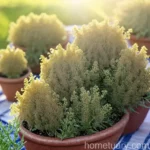
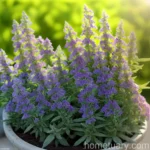
Teucrium chamaedrys is valued for its ornamental features, including its compact habit, aromatic foliage, and attractive flowers. It is commonly used in perennial borders, rock gardens, and herb gardens, adding visual interest with its vibrant green foliage and delicate blooms.
Medicinal Properties
Traditional medicine incorporates Teucrium chamaedrys for its purported medicinal properties. The plant has been historically used for various ailments, and extracts from the plant have been studied for potential pharmacological benefits.
Pollinator Attractant
The flowers of Teucrium chamaedrys are known to attract pollinators, including bees and butterflies. Incorporating this plant into a garden or landscape can contribute to the conservation of pollinating insects, supporting overall ecosystem health.
Fertilizer
Wall Germander is not a heavy feeder and generally thrives in nutrient-poor soils. Excessive fertilization can lead to excessive foliage growth at the expense of flowering and can compromise the plant’s overall vigor. A balanced, slow-release fertilizer applied in early spring can provide the plant with the necessary nutrients for healthy growth and flowering.
Pruning
Proper pruning is essential for maintaining the shape and health of Teucrium chamaedrys. Regular trimming after the flowering period can help prevent the plant from becoming leggy and encourage a more compact growth habit. Additionally, removing spent flowers can promote continuous blooming and prevent self-seeding in the garden.
Propagation
Teucrium chamaedrys can be propagated through both seeds and cuttings. When propagating from seeds, sowing them in well-draining soil in the early spring can yield new plants. Stem cuttings taken in the summer and rooted in a suitable growing medium can also result in successful propagation.
Container Gardening
While Teucrium chamaedrys is often grown in garden beds and landscapes, it can also thrive in containers. When cultivating this plant in containers, it is crucial to ensure adequate drainage and provide the plant with the necessary sunlight and water. Choosing a well-draining potting mix and a container with drainage holes can create a suitable environment for the plant’s roots.
Common Diseases
Like many plants, Teucrium chamaedrys is susceptible to certain diseases. It is important to be aware of common diseases that may affect this plant to implement preventive measures and maintain its health.
Disease Diagnosis
Several diseases, such as powdery mildew and leaf spot, can affect Teucrium chamaedrys. Powdery mildew appears as a white powdery substance on the foliage, while leaf spot manifests as dark spots on the leaves. Proper sanitation and providing adequate air circulation around the plant can help prevent these diseases.
Common Pests
While Teucrium chamaedrys is relatively resistant to pests, it may still encounter some insect issues. Being vigilant about common pests and their impact on the plant can aid in early detection and effective pest management.
Botanist’s Tips
To ensure the health and vitality of Teucrium chamaedrys, consider the following botanist’s tips:
- Monitor for any signs of disease or pest infestation: Regular inspections can help detect issues early and prevent them from escalating.
- Provide proper cultural care: Adhering to the plant’s cultural requirements for water, sunlight, and soil can contribute to its overall resilience.
- Incorporate companion plants: Selecting companion plants that complement Teucrium chamaedrys can enhance its growing environment and provide additional benefits, such as pest deterrence and pollinator attraction.
Fun Facts
- The genus name “Teucrium” is derived from “Teucer,” an ancient Roman hero.
- Wall Germander has historical significance and has been mentioned in literature dating back to the classical era.
- The aromatic foliage of Teucrium chamaedrys is attributed to its essential oils, adding to its ornamental appeal.
Links to External Resources
The following links provide additional information on Teucrium chamaedrys:
- The Royal Horticultural Society: Teucrium – Wall Germander
- Missouri Botanical Garden: Teucrium chamaedrys
- UK National Plant Collection: Teucrium chamaedrys
- The Herb Society of America: Growing Teucrium chamaedrys
Conclusion
Teucrium chamaedrys, or Wall Germander, is a remarkable plant with a rich history and diverse uses. From its ornamental value to its medicinal properties, this plant offers a range of benefits for gardeners, herbalists, and conservationists. By understanding its cultural requirements and appreciating its unique attributes, plant enthusiasts can cultivate, enjoy, and contribute to the legacy of Teucrium chamaedrys.
In this comprehensive guide, we have explored various aspects of Teucrium chamaedrys, providing insights into its culture, uses, and care. Whether you are considering adding this plant to your garden or simply seeking to expand your botanical knowledge, the information presented here serves as a valuable resource for both novice and experienced plant enthusiasts.
As we continue to appreciate and study the plant world, Teucrium chamaedrys stands as a testament to the beauty and potential of the botanical realm, inviting us to explore, learn, and connect with nature in meaningful ways.