Teak (Tectona grandis): A Plant Scientist’s Guide
Teak (Tectona grandis) is a tropical hardwood tree species that is native to the south and southeast of Asia. It is renowned for its exceptional durability, strength, and natural resistance to decay, making it one of the most sought-after timber species globally. In this comprehensive guide, we will explore the culture, uses, care requirements, and conservation efforts associated with teak trees. From its natural habitat to its importance in woodworking and environmental conservation, the significance of Tectona grandis spans a wide range of spheres.
What is Teak (Tectona grandis)?
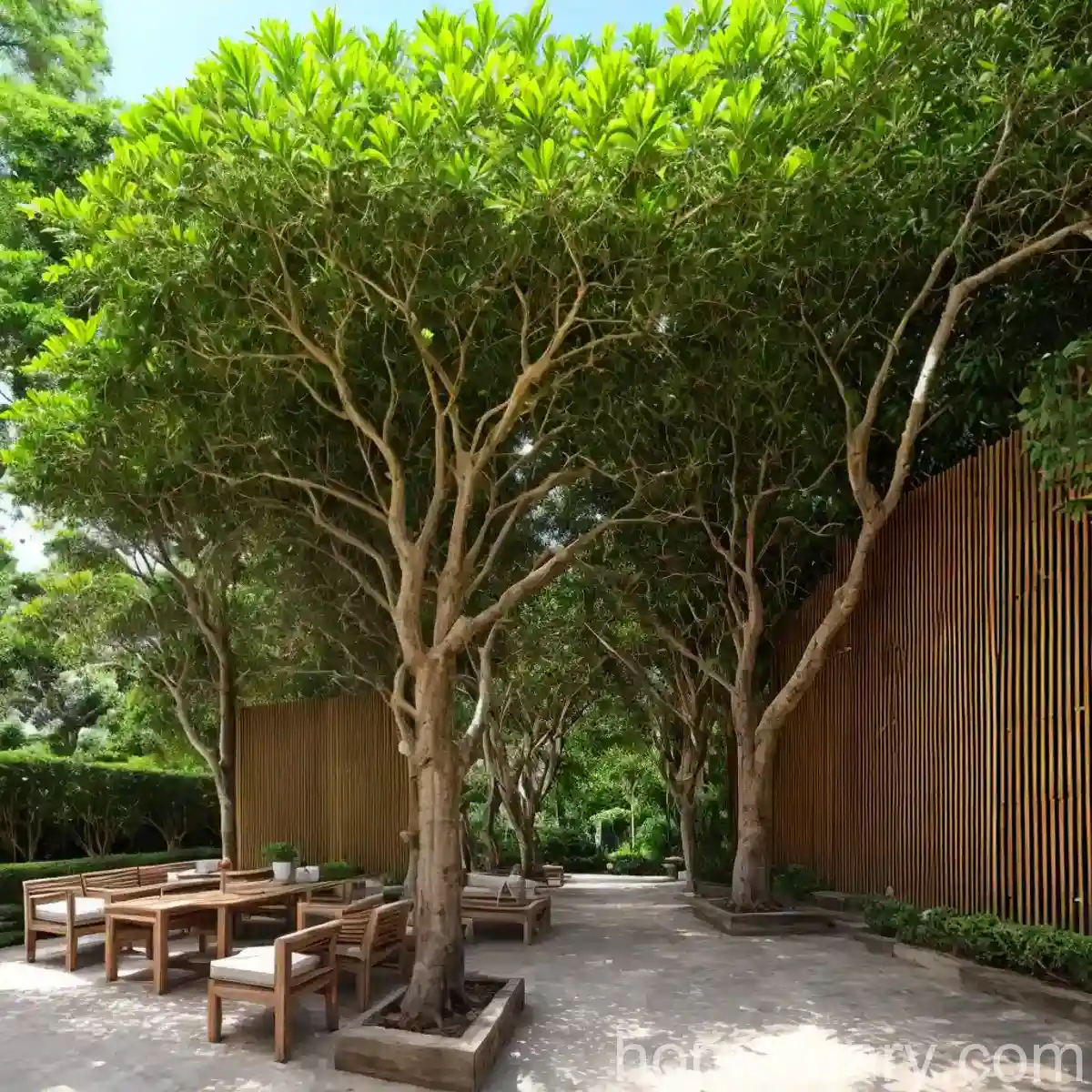
Teak, scientifically known as Tectona grandis, is a large deciduous tree belonging to the Verbenaceae family. It can grow up to 30-40 meters tall and has large, leathery leaves that are often used for medicinal purposes in traditional medicine systems. The heartwood of teak is renowned for its exceptional strength and durability, making it a highly prized material for furniture, boat building, and various construction purposes.
Teak trees are primarily found in the tropical regions of Southeast Asia, with countries such as India, Indonesia, Myanmar, Thailand, and Malaysia being major producers of teak timber. The tree is also cultivated in other parts of the world for its commercial value and the aesthetic appeal of its wood.
Key Takeaways – Teak (Tectona grandis)
Before delving deeper into the various aspects of teak (Tectona grandis), let’s briefly highlight some key takeaways associated with this iconic plant:
-
Teakwood Benefits: The heartwood of teak possesses exceptional durability, natural resistance to decay, and attractive grain patterns, making it highly desirable for premium furniture, outdoor decking, and boat building.
-
Tectona Grandis Uses: Teak wood is extensively used in furniture manufacturing, shipbuilding, flooring, and ornamental woodwork due to its remarkable strength and aesthetic appeal.
-
Teak Timber Characteristics: Teak timber is characterized by its golden-brown color, high natural oil content, and distinctive grain patterns, making it a popular choice for high-end woodworking projects.
-
Teak Tree Species: Tectona grandis is the primary species of teak and is renowned for its timber quality and commercial value in the global market.
-
Teak Wood Properties: The wood of Tectona grandis exhibits excellent durability, weather-resistance, and dimensional stability, making it suitable for various outdoor and marine applications.
-
Teak Plantation Guide: Teak tree cultivation requires specific environmental conditions and care practices, making it essential to follow a teak plantation guide for successful growth and timber production.
-
Teak Tree Cultivation: Successful cultivation of teak trees involves addressing specific soil, water, and sunlight requirements to ensure optimal growth and timber quality.
-
Teak Lumber Quality: The quality of teak lumber is influenced by factors such as heartwood content, grain patterns, and natural oil concentration, which contribute to its strength and durability.
-
Teak Furniture Durability: Teak furniture is highly durable and resistant to environmental stresses, making it a preferred choice for outdoor and indoor settings.
-
Teak Garden Furniture: Teak wood is extensively used for crafting garden furniture due to its ability to withstand outdoor exposure and maintain its natural beauty over time.
With these key takeaways in mind, let’s explore the detailed culture, uses, care requirements, and conservation aspects of teak (Tectona grandis).
Culture
Water
Teak trees thrive in well-draining soil and are relatively drought-tolerant once established. However, during the initial stages of planting, adequate watering is essential to promote root development and overall growth. For young teak seedlings, regular watering is necessary to ensure moisture retention in the soil. Once the trees are established, they require less frequent watering, and natural rainfall can often sustain mature teak plantations.
Sunlight
Teak trees prefer full to partial sunlight for optimal growth. Adequate exposure to sunlight ensures vigorous growth and the development of quality heartwood, which is essential for the valuable timber that teak is renowned for. However, young teak seedlings should be protected from intense sunlight initially, as they can be sensitive to excessive heat.
Fertilizer
In general, teak trees are not heavy feeders and can grow well in relatively nutrient-poor soils. However, in cases where soil fertility is limited, especially in commercial plantations, balanced fertilization may be necessary to support healthy growth and timber production. Organic fertilizers or slow-release fertilizers can be beneficial for teak trees without risking excessive nutrient runoff.
Soil
The ideal soil for teak cultivation is well-draining loamy soil with a slightly acidic to neutral pH. Good soil structure promotes healthy root development, which is crucial for the stability and overall health of teak trees. In commercial plantations, soil testing and appropriate soil amendments may be undertaken to create the optimal conditions for teak growth.
Pruning
Pruning teak trees is essential to promote timber quality and maintain a desirable canopy structure. Pruning can help in the removal of dead or diseased branches, enhance light penetration and airflow within the tree canopy, and shape the tree for better timber yield. It is essential to use proper pruning techniques to minimize damage to the tree and encourage healthy regrowth.
Uses
Timber Production
The primary use of teak trees is for timber production, with the heartwood being the most valuable part of the tree. Teak timber is highly regarded for its exceptional durability, natural resistance to decay, and beautiful grain patterns. It is extensively used in the manufacturing of high-quality furniture, outdoor decking, boat building, flooring, and decorative woodwork. The durability and weather-resistance of teak make it a popular choice for outdoor furniture and structures, such as garden furniture and patio decking.
Medicinal Properties
Apart from its commercial significance, certain parts of the teak tree, including its leaves, seeds, and bark, have been traditionally used in various herbal remedies. In traditional medicine systems, teak has been attributed with medicinal properties, including anti-inflammatory and anti-microbial effects. The leaves of the teak tree are known for their pharmacological potential and have been studied for their antioxidant and antimicrobial properties.
Environmental Conservation
Teak tree plantations play a crucial role in environmental conservation and restoration efforts. The trees help in stabilizing soil, mitigating erosion, and promoting biodiversity in the regions where they are cultivated. Additionally, sustainable teak plantations contribute to carbon sequestration and the reduction of greenhouse gas emissions, making them valuable assets in combating climate change.
Propagation
Seed Propagation
The most common method of propagating teak trees is through seeds. Teak seeds are collected from mature trees and sown in seedbeds or directly in the field. The seeds require suitable moisture and warmth for germination, and the resulting seedlings need to be carefully nurtured before transplanting them to their permanent location.
Clonal Propagation
In recent years, efforts have been made to develop clonal propagation techniques for teak to ensure genetic improvement and uniformity in plantations. Propagation through cuttings and tissue culture techniques offers the advantage of rapid multiplication of superior teak genotypes, thereby enhancing the quality and productivity of teak plantations.
Container Popularity
Teak trees are also cultivated in containers for ornamental and decorative purposes. The attractive foliage and elegant growth habit of teak make it a popular choice for container gardening, where it can be grown as a specimen tree in patios, courtyards, and indoor spaces. When grown in containers, teak trees require regular watering, adequate sunlight, and occasional fertilization to support their growth and maintain their ornamental appeal.
Container Common Diseases
When grown in containers, teak trees are susceptible to certain diseases that can affect their growth and overall health. Common container diseases of teak may include fungal infections, root rot, and leaf spot diseases. Proper container drainage, suitable potting mix, and adequate plant care practices are essential for preventing disease outbreaks in container-grown teak trees.
Disease Diagnosis
Early diagnosis of diseases is crucial for effectively managing and treating infections in teak trees. Visual symptoms such as leaf discoloration, wilting, and abnormal growth patterns can indicate potential disease issues. Conducting regular inspections and seeking guidance from plant health professionals can aid in accurate disease diagnosis and the appropriate application of remedies.
Common Pests
Teak trees are relatively resistant to pests, especially when grown in natural forest settings. However, in commercial plantations and urban landscapes, certain pests such as defoliating insects, borers, and mites may pose a threat to teak trees. Pest monitoring and the implementation of integrated pest management strategies are essential for mitigating pest damage and maintaining tree health.
Botanist’s Tips
Environmental Significance
Teak trees play a crucial role in supporting biodiversity and ecological balance in their native habitats. The large canopy of teak trees provides habitat for diverse wildlife species and contributes to the overall richness of forest ecosystems. Additionally, the roots of teak trees help in preventing soil erosion and maintaining soil stability, making them vital components of healthy forest ecosystems.
Sustainable Harvesting
Sustainable harvesting practices are essential for ensuring the long-term viability of teak tree populations. By adhering to sustainable harvesting guidelines, including selective logging and reforestation efforts, the impact of timber extraction on teak forests can be minimized, allowing for the regeneration of new trees and the preservation of the species for future generations.
Fun Facts
- The word “teak” is derived from the Malayalam word “tekka,” which is used to refer to the species in its native region.
- Teak wood contains natural oils and silica, giving it exceptional weather and insect resistance.
- Teak is the official state tree of the Indian state of Kerala and the national tree of Laos.
- The high demand for teak timber has led to extensive plantation cultivation in many tropical regions, contributing to its global significance in the timber industry.
Links to External Resources
To further explore the diverse aspects of teak (Tectona grandis), consider referring to the following external resources: