Creeping Zinnia (Sanvitalia procumbens): A Beautiful and Versatile Groundcover
As a plant scientist, I am thrilled to delve into the world of the creeping zinnia (Sanvitalia procumbens), a delightful groundcover plant that offers an array of benefits for both the gardener and the environment. In this comprehensive guide, we will explore the key aspects of the creeping zinnia, including its cultural requirements, uses, maintenance, and its role in enhancing diverse landscapes.
What is Creeping Zinnia (Sanvitalia procumbens)?
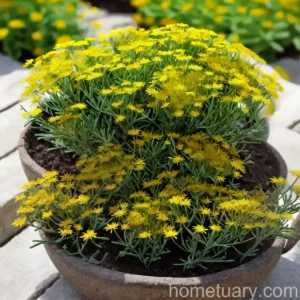
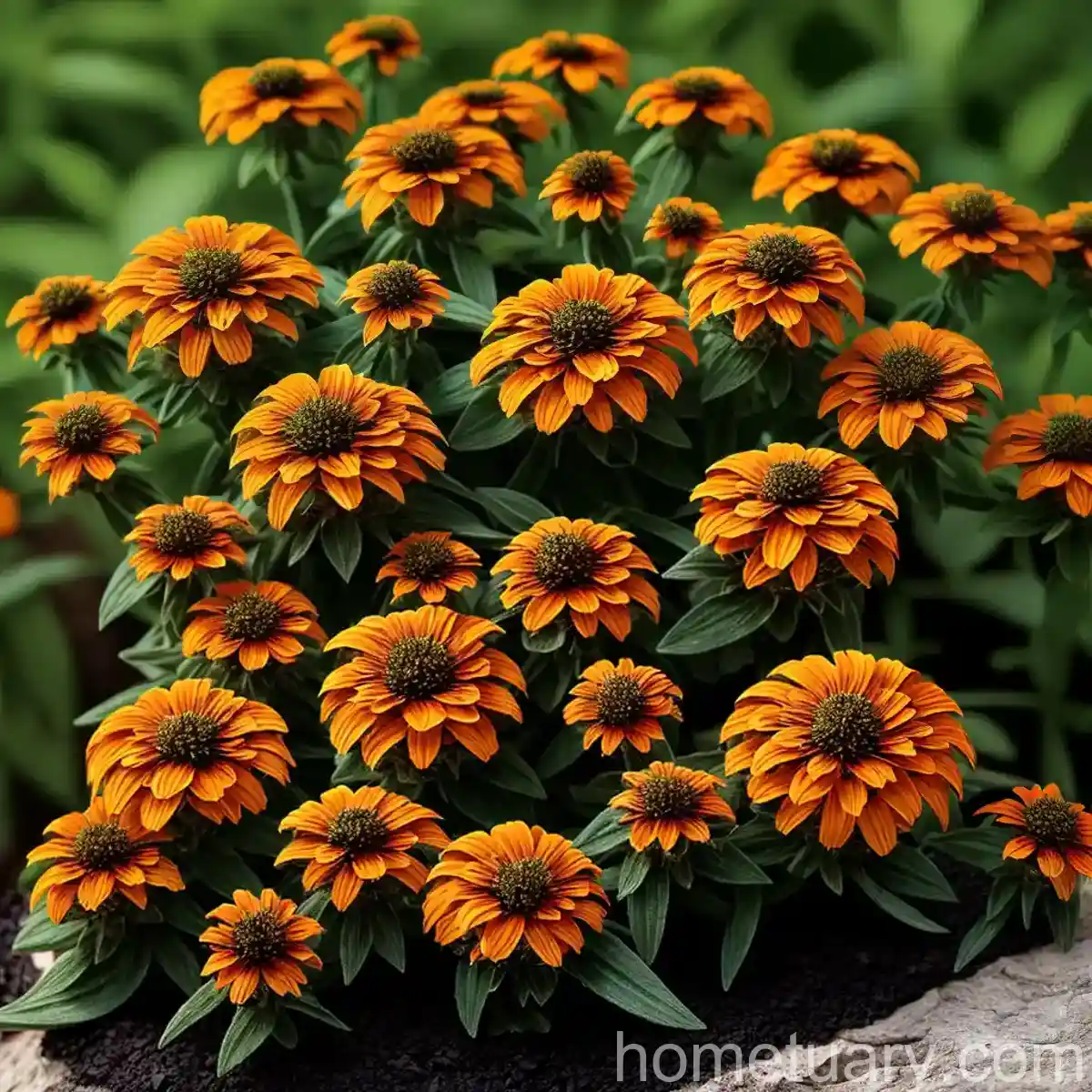
The creeping zinnia, scientifically known as Sanvitalia procumbens, is a low-growing groundcover plant that belongs to the Asteraceae family. This charming plant is native to Mexico and some regions of the United States. It is a popular choice among gardeners and landscapers due to its small, daisy-like flowers and its ability to form a dense mat of foliage, which serves as an excellent weed suppressor.
Key Takeaways – Creeping Zinnia (Sanvitalia procumbens)
Before we dive into the details of cultivating and caring for the creeping zinnia, it’s crucial to understand the key takeaways about this enchanting plant. Here’s a brief overview of what we will cover:
- Cultivation of Creeping Zinnia
- Uses of Creeping Zinnia
- Water Requirements
- Sunlight Preferences
- Fertilization Needs
- Soil Considerations
- Pruning Practices
- Propagation Methods
- Container Gardening
- Popularity of Creeping Zinnia
- Common Diseases
- Disease Diagnosis
- Common Pests
- Botanist’s Tips
- Fun Facts
Now, let’s explore each of these elements in more depth.
Culture
Cultivating the creeping zinnia involves an understanding of its specific requirements for optimal growth and performance. From water and sunlight to soil and fertilizer, every aspect of the plant’s culture plays a vital role in its overall well-being.
Uses
The creeping zinnia (Sanvitalia procumbens) serves various purposes in both home gardens and commercial landscapes. Its versatility and aesthetic appeal make it a valuable addition in the following contexts:
- Groundcover in flower beds and borders
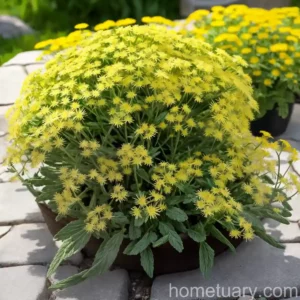
- Trailing plant for hanging baskets and containers
- Filler plant in rock gardens and pathways
- Erosion control on slopes
- Attraction for pollinators in butterfly and wildlife gardens
Water
Providing appropriate levels of water is essential for the health and vitality of the creeping zinnia. While it is known for its tolerance to drought conditions, consistent moisture is beneficial, especially during the establishment phase and periods of intense heat.
The key points to consider regarding the plant’s water requirements include:
- Regular watering during dry spells
- Well-draining soil to prevent waterlogging
- Maintaining moderate soil moisture for optimal growth
- Watering at the base to avoid wetting the foliage, which can invite diseases
Sunlight
Creeping zinnias thrive in full sunlight, making them an excellent choice for areas that receive ample sunshine throughout the day. When selecting a location for these plants, it’s important to ensure they receive the necessary light exposure for robust growth and prolific flowering.
The sunlight preferences of Sanvitalia procumbens can be summarized as follows:
- Full sun to partial shade, with a preference for at least 6-8 hours of direct sunlight
- Adequate air circulation to promote healthy foliage and minimize the risk of fungal diseases
- Avoiding shaded areas, which may result in leggy growth and reduced flowering
Fertilizer
While the creeping zinnia is not overly demanding in terms of fertilizer, providing a balanced feeding regimen can bolster its performance and floral display. Understanding the appropriate timing and composition of fertilizers is crucial for supporting the plant’s nutritional needs.
Key considerations for fertilizing creeping zinnias include:
- Using a slow-release or organic fertilizer to avoid rapid, excessive growth
- Applying a balanced fertilizer with equal N-P-K ratios or a formulation tailored to flowering plants
- Feeding the plants in early spring and again in midsummer to sustain continuous bloom
Soil
The soil composition and quality significantly influence the overall health and vigor of creeping zinnias. As with many plants, providing an ideal growing medium tailored to their preferences can make a substantial difference in their establishment and long-term development.
Important aspects related to the soil requirements for Sanvitalia procumbens include:
- Well-draining, loamy soil with a slightly acidic to neutral pH
- Amending heavy clay or compacted soils with organic matter to enhance drainage
- Avoiding waterlogged or excessively dry soil conditions, which can compromise root health
- Mulching the soil surface to conserve moisture and suppress weed growth
Pruning
Proper pruning plays a role in shaping the appearance of the creeping zinnia and ensuring its continued vitality. Understanding the techniques and timing for pruning this groundcover plant is essential for promoting a neat, compact growth habit and maximizing its flowering potential.
Pruning guidelines for creeping zinnias entail the following practices:
- Deadheading spent flowers to encourage continuous blooming
- Trimming back leggy or overgrown stems to maintain a tidy appearance
- Removing damaged or diseased foliage to uphold plant health
- Pruning to control the spread of the plant in garden beds or containers
Propagation
Propagating the creeping zinnia enables gardeners to expand their plant collection and enhance the aesthetics of their outdoor spaces. Understanding the various methods of propagation and the optimal timing for each approach can facilitate successful reproduction of Sanvitalia procumbens.
Key methods of propagating creeping zinnias include:
- Division of established clumps in early spring
- Stem cuttings taken from actively growing shoots in spring or summer
- Sowing seeds indoors in early spring for transplanting after the last frost date
Container Gardening
The versatility of creeping zinnias extends to container gardening, where their low-growing, trailing nature makes them an excellent choice for various arrangements. Understanding the specific considerations for growing Sanvitalia procumbens in containers is essential for achieving successful results in this context.
When cultivating creeping zinnias in containers, it’s important to consider the following factors:
- Choosing well-draining, quality potting mix tailored to flowering plants
- Selecting containers with drainage holes to prevent waterlogging
- Providing adequate space for the plants to spread and trail
- Regular watering and fertilization to support healthy growth and blooming
Popularity
The creeping zinnia (Sanvitalia procumbens) has garnered popularity among gardeners, landscapers, and horticulture enthusiasts due to its numerous desirable attributes. Its charming appearance, ease of cultivation, and diverse applications contribute to its widespread appeal in various gardening and landscaping contexts.
Some of the factors that contribute to the popularity of creeping zinnias include:
- Low-maintenance nature, making them ideal for busy gardeners
- Ability to form a dense, weed-suppressing groundcover
- Attractive, zinnia-like flowers in vibrant shades of yellow and orange
- Versatility for use in beds, borders, containers, and hanging baskets
Common Diseases
Despite their resilience, creeping zinnias may be susceptible to certain diseases that can impact their overall health and appearance. Recognizing common diseases and implementing proactive measures for disease prevention and management are crucial for safeguarding the well-being of Sanvitalia procumbens.
Common diseases that may affect creeping zinnias include:
- Powdery mildew: A fungal disease characterized by white, powdery spots on the foliage
- Botrytis blight: A fungal infection that causes gray mold and decay on flowers and foliage
- Root rot: Caused by overly wet soil conditions, leading to rotting of the roots and decline of the plant
Disease Diagnosis
Identifying and diagnosing diseases in creeping zinnias is pivotal for implementing targeted control measures and preventing the spread of infections. Vigilant monitoring of the plants and prompt action upon detecting signs of disease can mitigate the impact on the overall garden or landscape.
Key steps in diagnosing diseases in creeping zinnias involve:
- Observing changes in foliage color, texture, or structure that indicate disease
- Noting the presence of spots, mold, or unusual growth patterns on the plants
- Seeking professional assistance or using reliable resources for accurate disease identification
- Acting swiftly to address the identified disease through appropriate treatments or cultural adjustments
Common Pests
While generally resilient, creeping zinnias may encounter pest problems that require intervention to maintain their health and vigor. Awareness of common pests and their associated symptoms is essential for timely pest management and the preservation of the plant’s aesthetic and functional value.
Some common pests that may affect creeping zinnias include:
- Aphids: Small, sap-sucking insects that can cause distorted growth and honeydew secretion
- Spider mites: Tiny arachnids that feed on plant juices, leading to stippled, discolored foliage
- Whiteflies: Small, moth-like insects that congregate on the undersides of leaves and weaken the plants through feeding
Botanist’s Tips
As a plant scientist with a passion for ornamental plants, I am eager to share valuable tips for cultivating and enjoying the beauty of creeping zinnias. These tips encompass practical insights and best practices that can enhance the experience of growing and appreciating Sanvitalia procumbens.
Some key tips for success with creeping zinnias include:
- Providing well-draining soil and adequate sunlight for robust growth and flowering
- Monitoring moisture levels to ensure consistent, moderate hydration
- Incorporating organic matter into the soil to improve its structure and fertility
- Regularly inspecting plants for signs of pests and diseases to implement timely interventions
- Deadheading spent flowers to promote continuous blooming and maintain a tidy appearance
Fun Facts
To further enrich our understanding and appreciation of the creeping zinnia, let’s explore some fascinating and delightful facts about this charming groundcover plant:
- Creeping zinnias are often hailed as “miniature zinnias” due to the resemblance of their flowers to those of traditional zinnias, albeit on a smaller scale.
- Sanvitalia procumbens is known for its exceptional drought tolerance, making it a resilient choice for landscapes in arid or dry regions.
- The trailing habit of creeping zinnias lends itself to creative landscape designs, including cascading displays in rock gardens and retaining walls.
- Creeping zinnias are highly attractive to pollinators, including butterflies and bees, contributing to the ecological balance in garden environments.
Links to External Resources
For readers interested in exploring further information and resources related to creeping zinnias and groundcover gardening, I recommend the following valuable external links:
- Sanvitalia procumbens: A Low-Maintenance Summer Beauty
- Groundcover Plants for Landscaping Success
- Attracting Pollinators to the Garden with Creeping Zinnias
- Disease Management in Ornamental Plants
- Container Gardening Techniques for Beautiful Displays
In conclusion, the creeping zinnia (Sanvitalia procumbens) encompasses a host of compelling qualities and benefits that make it a treasured addition to diverse landscapes and garden settings. Its alluring flowers, resilience, and versatility as a groundcover render it an invaluable asset for both recreational and professional horticulture endeavors. Whether adorning garden beds, containers, or rock gardens, the creeping zinnia exemplifies the beauty and utility of low-growing, flowering plants in outdoor spaces. As a plant scientist, I am continually inspired by the captivating allure and ecological value of plants such as the creeping zinnia, and I am delighted to share the insights and recommendations highlighted in this comprehensive guide.
The information provided in this blog post is for educational and informational purposes only and does not intend to substitute professional advice. For specific plant cultivation and management recommendations, consulting with a certified horticulturist or plant care specialist is advisable.