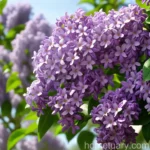
Syringa x hyacinthiflora ‘Anabel’ (Early Flowering Lilac): A Comprehensive Guide
Lilacs are a beloved and iconic plant species that are cherished for their stunning blooms and enchanting fragrance. Among the myriad lilac varieties, the Syringa x hyacinthiflora ‘Anabel’, commonly known as the Early Flowering Lilac, is an exquisite choice for garden enthusiasts. In this comprehensive guide, we will delve into the intricate details of this beautiful plant, exploring its culture, uses, maintenance, and much more.
What is Plant: Syringa x hyacinthiflora ‘Anabel’ (Early Flowering Lilac)?
Syringa x hyacinthiflora ‘Anabel’ is a deciduous shrub that belongs to the family Oleaceae, which is renowned for encompassing plants with extraordinary ornamental value. This lilac variety is particularly admired for its early blooming habit and vigorous growth, making it a coveted addition to gardens and landscapes.
The ‘Anabel’ lilac is characterized by its abundant clusters of fragrant, pale pink flowers that adorn the branches in early spring, providing a delightful spectacle and emitting a captivating aroma. The plant’s relatively compact size, reaching a height and width of around 8-10 feet, makes it suitable for various garden settings, including borders, hedges, and mixed perennial beds.
Key Takeaways – Syringa x hyacinthiflora ‘Anabel’ (Early Flowering Lilac)
Before we delve into the specifics of the culture, uses, and maintenance of the Syringa x hyacinthiflora ‘Anabel’, let’s highlight some key takeaways about this captivating lilac variety:
- Early Blooming: Known for its early flowering habit, ‘Anabel’ lilac signals the arrival of spring with its profusion of delicate pink blossoms.
- Fragrant Florals: The blooms of Syringa x hyacinthiflora ‘Anabel’ exude a sweet and alluring fragrance, enhancing the sensory experience of any garden or outdoor space.
- Compact Growth: With a modest mature size, this lilac variety can be incorporated into diverse garden designs, adding charm and elegance without overwhelming the landscape.
- Versatile Uses: From serving as a standalone focal point to being included in mixed borders or used for hedging, the ‘Anabel’ lilac offers versatile applications within garden landscapes.
Now, let’s explore the various aspects of cultivating, caring for, and enjoying the enchanting ‘Anabel’ lilac in greater detail.
Culture
Understanding the cultural requirements of Syringa x hyacinthiflora ‘Anabel’ is paramount for ensuring its optimal growth and performance. From suitable growing conditions to essential care practices, mastering the cultural aspects of this lilac variety is instrumental for cultivating healthy and vibrant plants.
Water
Watering is a critical aspect of nurturing healthy Syringa x hyacinthiflora ‘Anabel’ plants. While these lilacs are moderately drought-tolerant once established, consistent moisture is essential, especially during their initial establishment period and in periods of prolonged drought. Here are some considerations for watering the ‘Anabel’ lilac:
- Establishment Phase: Newly planted ‘Anabel’ lilacs require regular watering to facilitate root establishment and ensure their ability to withstand drier conditions in the future. Adequate irrigation during the first growing season is crucial for promoting robust growth.
- Mature Plants: Once established, these lilacs generally require supplemental watering during extended dry spells, particularly in regions characterized by hot summers or infrequent rainfall.
To promote healthy root development and reduce moisture stress, applying a layer of mulch around the base of the plants can be beneficial. Mulching helps conserve soil moisture, moderates soil temperature, and minimizes weed competition, contributing to the overall vitality of the ‘Anabel’ lilac shrubs.
Sunlight
Proper sunlight exposure is instrumental for the overall health and flowering performance of Syringa x hyacinthiflora ‘Anabel’ plants. While these lilacs exhibit a preference for abundant sunlight, they can also tolerate partial shade under certain conditions. Understanding the sunlight requirements of the ‘Anabel’ lilac is crucial for optimizing its growth and bloom production.
- Full Sun: Ideally, ‘Anabel’ lilacs thrive in locations that receive full sun, defined as a minimum of six hours of direct sunlight per day. Adequate sunlight exposure promotes robust growth, enhances flowering abundance, and contributes to the development of sturdy, well-branched shrubs.
- Partial Shade: While ‘Anabel’ lilacs prefer full sun, they can tolerate partial shade, especially in regions with intense afternoon sun or during exceptionally hot summers. When grown in partial shade, it is essential to ensure that the plants still receive several hours of direct sunlight to support healthy growth and prolific blooming.
Understanding the local climate and light conditions is imperative when selecting suitable planting sites for Syringa x hyacinthiflora ‘Anabel’ in order to provide the optimal sunlight exposure for these delightful lilacs.
Fertilizer
Proper fertilization is key to ensuring the vigorous growth and blooming prowess of Syringa x hyacinthiflora ‘Anabel’. While these lilacs are generally adaptable and resilient, providing them with essential nutrients through suitable fertilization practices is instrumental for sustaining their overall health and vitality.
- Fertilizer Application: ‘Anabel’ lilacs benefit from a balanced and slow-release fertilizer application in spring, shortly before the onset of new growth. Using a fertilizer specifically formulated for flowering shrubs or utilizing a general-purpose fertilizer with balanced nutrient content can provide the necessary nourishment for robust growth and abundant blooming.
- Application Timing: Apply the fertilizer evenly around the base of the plant, avoiding direct contact with the stems, and water thoroughly after application to facilitate nutrient uptake. Refrain from over-fertilizing, as excessive nutrient levels can lead to adverse effects on the lilacs’ overall health and may impede flowering performance.
Regular fertilization can bolster the vigour and floral abundance of Syringa x hyacinthiflora ‘Anabel’, contributing to the development of lush foliage and captivating spring blooms.
Soil
The soil composition and quality play a fundamental role in determining the growth, health, and overall performance of Syringa x hyacinthiflora ‘Anabel’ shrubs. Understanding the soil preferences and requirements of these lilacs is crucial for establishing optimal growing conditions and promoting their long-term vitality.
- Well-Drained Soil: ‘Anabel’ lilacs thrive in well-drained soil that facilitates good aeration, proper root development, and effective moisture management. Avoid planting them in excessively compacted or waterlogged soils, as these conditions can limit root oxygenation and lead to moisture-related issues.
- Soil pH: While Syringa x hyacinthiflora ‘Anabel’ is adaptable to a range of soil pH levels, slightly acidic to neutral soils with a pH range of 6.0-7.5 are generally preferred. Conducting a soil test can provide valuable insights into the pH and nutrient levels of the planting site, guiding appropriate soil amendments if necessary.
Amending the soil with organic matter, such as well-decomposed compost or aged manure, can enhance its structure, fertility, and water retention capacity, creating an optimal growing environment for these splendid lilacs.
Pruning
Pruning plays a pivotal role in shaping the growth, enhancing the appearance, and promoting the longevity of Syringa x hyacinthiflora ‘Anabel’ shrubs. Employing appropriate pruning techniques and adhering to a regular maintenance schedule are essential for optimizing the form, bloom production, and overall health of these captivating lilacs.
Pruning Timing:
Pruning Syringa x hyacinthiflora ‘Anabel’ lilacs is best performed immediately after the blooming period concludes, typically in late spring to early summer. Conducting pruning tasks during this timeframe allows ample time for the development of new growth and flower buds in preparation for the following year’s bloom display.
Pruning Techniques:
When pruning ‘Anabel’ lilacs, it is important to remove spent flowers, dead or damaged wood, and any crossing or congested branches to promote air circulation and light infiltration within the shrub’s canopy. Employing sharp and sterilized pruning tools, such as bypass hand pruners or loppers, ensures clean cuts and minimizes the risk of introducing diseases to the plants.
Rejuvenation Pruning:
Periodic rejuvenation pruning can be beneficial for revitalizing aging or overgrown Syringa x hyacinthiflora ‘Anabel’ specimens. This technique involves the selective removal of older, unproductive stems to encourage the development of vigorous new growth and to rejuvenate the overall structure of the shrub.
Adhering to a consistent pruning regimen and employing the appropriate techniques is fundamental for maintaining the aesthetic appeal, promoting flowering abundance, and prolonging the health and vigour of ‘Anabel’ lilacs.
Propagation
Propagation techniques enable garden enthusiasts to multiply and cultivate new Syringa x hyacinthiflora ‘Anabel’ plants, ensuring a sustained supply of these captivating lilacs for various garden projects and landscapes. Understanding the propagation methods suitable for this lilac variety allows for the successful generation of new plants through both conventional and modern techniques.
Propagation Methods:
- Softwood Cuttings: Utilizing softwood cuttings, typically harvested in early to mid-summer, presents an effective method for propagating ‘Anabel’ lilacs. Selecting healthy, non-flowering shoots and treating the cuttings with a rooting hormone can enhance their ability to form roots and establish as independent plants.
- Division: Dividing established Syringa x hyacinthiflora ‘Anabel’ plants allows for the multiplication of new specimens by separating the existing root system into individual segments. Division is best performed in early spring or late autumn, ensuring that each divided section possesses sufficient roots and dormant buds to support its establishment and subsequent growth.
Engaging in propagation activities empowers gardeners to expand their collection of ‘Anabel’ lilacs, propagate specific cultivars, and contribute to the conservation and cultivation of these beloved ornamental shrubs.
Container Popularity
The compact size and captivating floral display of Syringa x hyacinthiflora ‘Anabel’ make it well-suited for container cultivation, offering a versatile and portable way to enjoy the beauty and fragrance of this delightful lilac variety.
Container Selection:
When selecting a container for ‘Anabel’ lilacs, opt for a spacious and sturdy pot with sufficient drainage holes to facilitate effective soil drainage and aeration. Choose a container that accommodates the lilac’s root system without constricting its growth, allowing room for root expansion and the establishment of a healthy root structure.
Container Care:
Managing the cultivation of Syringa x hyacinthiflora ‘Anabel’ in containers necessitates attentive care to ensure the plants’ well-being and overall performance. Here are some essential considerations for container cultivation:
-
Watering: Container-grown ‘Anabel’ lilacs may require more frequent watering than those planted in the ground, as they are susceptible to faster soil drying. Monitor the soil moisture levels regularly and water the plants as needed to maintain consistent moisture without waterlogging the roots.
-
Fertilization: Apply a balanced, slow-release fertilizer to container-grown ‘Anabel’ lilacs in spring to provide the necessary nutrients for robust growth and prolific blooming. Follow the manufacturer’s guidelines regarding application rates and frequency to prevent over-fertilization.
Cultivating Syringa x hyacinthiflora ‘Anabel’ in containers offers flexibility, allowing gardeners with limited space or specific design preferences to incorporate these splendid lilacs into their outdoor spaces and enjoy their captivating blossoms and sweet fragrance.
Common Diseases
While Syringa x hyacinthiflora ‘Anabel’ is generally resilient and adaptable, it can be susceptible to certain diseases that may threaten its health and vigor. Recognizing the symptoms of common lilac diseases and implementing preventive measures is crucial for safeguarding the well-being and vitality of ‘Anabel’ shrubs.
Disease Diagnosis:
Some common diseases that may affect Syringa x hyacinthiflora ‘Anabel’ include:
-
Powdery Mildew (Microsphaera alni): This fungal disease manifests as a powdery white coating on the leaves, affecting the lilac’s overall health and aesthetic appeal. Overcrowded plantings, poor air circulation, and high humidity levels contribute to the development of powdery mildew.
-
Bacterial Blight (Pseudomonas syringae): Characterized by water-soaked lesions on the leaves and stems, bacterial blight can lead to defoliation and weaken the affected shrubs. Wet and humid conditions, injuries from pruning, and infected plant debris contribute to the spread of this bacterial disease.
-
Septoria Leaf Spot (Septoria syringae): This fungal disease presents as circular, dark lesions with distinctive margins on the lilac’s leaves, potentially leading to defoliation and diminished plant vigor. Favorable conditions for septoria leaf spot include prolonged foliage wetness and high humidity.
Disease Management:
Implementing proactive measures to prevent common lilac diseases can significantly mitigate the risk of infection and support the overall health of Syringa x hyacinthiflora ‘Anabel’. Strategies for managing common diseases include:
- Site Selection: Choose planting locations with adequate sunlight exposure and good air circulation to reduce the risk of fungal and bacterial diseases.
- Pruning Practices: Employ appropriate sanitation practices, including the sterilization of pruning tools, to prevent the introduction and spread of diseases during pruning activities. Remove and dispose of infected plant debris to minimize disease persistence and spread.
Staying vigilant for signs of common lilac diseases, promptly addressing any issues, and embracing proactive disease management practices are instrumental for preserving the health and vitality of these enchanting shrubs.
Common Pests
Syringa x hyacinthiflora ‘Anabel’ may encounter certain pests that can compromise its growth, aesthetics, and overall well-being. Identifying common lilac pests and deploying targeted pest management strategies are essential for mitigating the impact of pest infestations and safeguarding the health of ‘Anabel’ shrubs.
Pest Identification:
Some common pests that may affect Syringa x hyacinthiflora ‘Anabel’ include:
-
Lilac/Ash Borer (Podosesia syringae): The larvae of this wood-boring beetle can cause damage to the lilac’s stems and branches, leading to weakened growth and structural decline. Look for entry holes and sawdust-like frass as indicators of borers’ presence.
-
Lilac Leaf Miner (Gracillaria syringella): The larvae of this moth species create serpentine mines within the lilac’s leaves, potentially leading to defoliation and diminished plant vigour. Leaf miner infestations can cause unsightly damage to the foliage, affecting the lilac’s visual appeal.
-
Scale Insects (Order Hemiptera): Scale insects can attach themselves to the stems and leaves of Syringa x hyacinthiflora ‘Anabel’, siphoning sap and weakening the affected plants. Look for characteristic scale covers and monitor for signs of honeydew or sooty mold, often associated with scale infestations.
Pest Management:
Implementing an integrated approach to pest management can effectively address pest infestations while minimizing the use of conventional pesticides and promoting the ecological balance within garden ecosystems. Strategies for managing common pests include:
-
Monitoring: Regularly inspect ‘Anabel’ lilacs for signs of pest activity, including any unusual damage, presence of pests, or indicators of pest infestations such as frass, honeydew, or characteristic feeding patterns.
-
Natural Predators: Encourage the presence of natural predators, such as ladybugs, lacewings, and parasitic wasps, that feed on common lilac pests, contributing to natural pest control and reducing pest populations.
Implementing vigilant pest monitoring and embracing environmentally conscious pest management practices are pivotal for preserving the health and vitality of Syringa x hyacinthiflora ‘Anabel’ and supporting the overall ecological balance within garden environments.
Botanist’s Tips
Incorporating plants like Syringa x hyacinthiflora ‘Anabel’ into garden landscapes can be an immensely rewarding endeavour, amplifying the visual appeal, aromatic allure, and ecological value of outdoor spaces. To ensure the successful cultivation and enjoyment of these lovely lilacs, consider the following botanist’s tips:
-
Selecting Suitable Varieties: Explore different lilac varieties, including early blooming selections and fragrant cultivars, to diversify the lilac collection and extend the bloom season, enhancing the overall ornamental value of the garden.
-
Optimizing Air Circulation: Foster good air circulation around ‘Anabel’ lilacs by appropriately spacing the plants and pruning for openness, reducing the risk of disease development and promoting the lilacs’ overall health and vigour.
-
Supporting Pollinators: Harness the allure of Syringa x hyacinthiflora ‘Anabel’ to attract and support pollinators, including bees, butterflies, and other beneficial insects, contributing to the ecological health and diversity of garden ecosystems.
By embracing these botanist’s tips, garden enthusiasts can elevate their lilac gardening experience, cultivate vibrant and thriving landscapes, and appreciate the remarkable beauty and ecological contributions of Syringa x hyacinthiflora ‘Anabel’.
Fun Facts
Unveiling the captivating allure and remarkable traits of Syringa x hyacinthiflora ‘Anabel’ through intriguing and illuminating fun facts fosters a deeper appreciation for these enchanting lilacs and their unique contributions to garden landscapes:
-
Historical Significance: Lilacs, including the revered Syringa x hyacinthiflora ‘Anabel’, have a rich historical legacy, serving as symbols of love, renewal, and enchantment in various cultures and traditions.
-
Fragrance Variation: While ‘Anabel’ lilacs are celebrated for their sweet and intoxicating fragrance, the intensity and character of their scent can vary, adding an element of unpredictability and charm to the lilac gardening experience.
-
Wildlife Attraction: The abundant blooms of Syringa x hyacinthiflora ‘Anabel’ serve as a magnet for diverse wildlife, including bees, butterflies, and hummingbirds, contributing to the ecological vitality and biodiversity of garden ecosystems.
Exploring these engaging and captivating fun facts about ‘Anabel’ lilacs injects an element of wonder and awe into the lilac gardening journey, unveiling the fascinating intricacies and remarkable attributes of these beloved ornamental shrubs.
Links to External Resources
For additional insights, practical guidance, and enriching perspectives on Syringa x hyacinthiflora ‘Anabel’ (Early Flowering Lilac), consider exploring the following reputable external resources:
-
Royal Horticultural Society (RHS): The RHS offers a wealth of information on lilac varieties, including cultivation tips, pest and disease management, and guidance on plant selection and care.
-
University Extension Services: University extensions provide valuable resources on lilac cultivation, including research-based articles, gardening guides, and educational materials for garden enthusiasts and horticultural practitioners.
-
**[American Horticultural Society (AHS)](https://