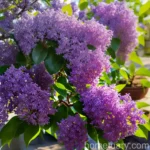
Syringa vulgaris ‘Madame Lemoine’ (Lilac): A Complete Guide
Syringa vulgaris, commonly known as lilac, is a species of flowering plant in the olive family Oleaceae, native to the Balkan Peninsula, where it grows on rocky hills. The lilac is a popular ornamental plant in gardens and parks due to its attractive, fragrant flowers and its ability to adapt to various climatic conditions. Among the many cultivars of Syringa vulgaris, ‘Madame Lemoine’ stands out for its pristine white blooms and delightful fragrance. In this comprehensive guide, we will explore all aspects of Syringa vulgaris ‘Madame Lemoine’ – from its cultural requirements and uses to its common diseases and pest control, ending with fun facts and useful tips for botanists and gardening enthusiasts.
Key Takeaways – Syringa vulgaris ‘Madame Lemoine’ (Lilac)
Before delving into the details, here are the key takeaways about Syringa vulgaris ‘Madame Lemoine’:
- Scientific Name: Syringa vulgaris ‘Madame Lemoine’
- Common Name: Lilac
- Characteristics: Pristine white flowers, delightful fragrance
- Uses: Ornamental, floral arrangement, fragrance extraction
- Growth requirements: Adequate water, sunlight, well-drained soil, periodic pruning, appropriate fertilization
Now, let’s dive deeper into each aspect of this beautiful cultivar.
Plant Description
Syringa vulgaris ‘Madame Lemoine’ is a deciduous shrub that belongs to the Oleaceae family. It is a strong and vigorous grower, often reaching a mature height and spread of around 8-15 feet. The plant boasts an abundance of large, fragrant, double white flowers in late spring, which are a sight to behold and emit a captivating fragrance, making it a favorite among gardeners and floral enthusiasts.
The foliage of Syringa vulgaris ‘Madame Lemoine’ consists of heart-shaped, deep green leaves, providing an attractive backdrop to the stunning white blooms. Its growth habit is upright and bushy, creating an impressive display of flowers when in full bloom. As with most lilac varieties, ‘Madame Lemoine’ is a hardy plant that thrives in various climatic conditions, making it suitable for gardens across different regions.
Culture
The culture of Syringa vulgaris ‘Madame Lemoine’ encompasses its water, sunlight, fertilizer, soil, pruning, propagation, and container requirements. Let’s explore each of these aspects in detail.
Uses
Syringa vulgaris ‘Madame Lemoine’ has several uses, making it a versatile and valuable addition to gardens and landscapes.
Ornamental Use
As with many other lilac cultivars, ‘Madame Lemoine’ is primarily grown for its ornamental value. Its stunning white blooms and delightful fragrance make it a popular choice for adding beauty and charm to gardens, parks, and other outdoor spaces.
Floral Arrangements
The fragrant flowers of ‘Madame Lemoine’ are often used in floral arrangements, adding a touch of elegance and a sweet aroma to bouquets and indoor displays.
Fragrance Extraction
Lilac flowers, including those of ‘Madame Lemoine’, are used in fragrance extraction. Their sweet, floral scent is a coveted addition to perfumes and essential oils.
Water
Proper watering is essential for the healthy growth and bloom production of Syringa vulgaris ‘Madame Lemoine’.
-
Established Plants: Once established, lilacs are relatively drought-tolerant. However, regular watering, especially during dry spells, is beneficial for their overall health and flowering.
-
Newly Planted: Newly planted lilacs require consistent moisture to aid in root establishment. Water deeply and regularly, especially during the first growing season.
Sunlight
Syringa vulgaris ‘Madame Lemoine’ thrives in full sunlight, which is essential for its abundant flowering.
-
Optimal Sun Exposure: Plant ‘Madame Lemoine’ in a location that receives at least 6-8 hours of direct sunlight per day. Insufficient sunlight may lead to reduced flowering and overall vigor.
-
Shade Tolerance: While lilacs prefer full sun, they can tolerate partial shade. However, reduced sunlight may lead to fewer blooms and less robust growth.
Fertilizer
Fertilizing lilacs, including ‘Madame Lemoine’, can help promote healthy growth and abundant flowering.
-
Timing: Apply a balanced, slow-release fertilizer in early spring before new growth appears. Avoid excessive nitrogen, as it can lead to lush foliage at the expense of flowers.
-
Composition: Look for a fertilizer with a balanced N-P-K ratio, such as 10-10-10 or 5-10-10, to provide essential nutrients without promoting excessive vegetative growth.
-
Application: Spread the fertilizer evenly around the base of the plant, following the manufacturer’s recommended application rates.
Soil
Well-drained, moderately fertile soil is crucial for the successful cultivation of Syringa vulgaris ‘Madame Lemoine’.
-
pH Level: Lilacs prefer slightly acidic to neutral soil with a pH range of 6.5-7.5. Conduct a soil test to determine the pH of the planting site and amend the soil if necessary.
-
Drainage: Ensure that the planting area has good drainage to prevent waterlogged soil, which can lead to root rot and other issues.
-
Soil Amendments: Incorporating organic matter, such as compost or well-rotted manure, into the soil can improve its texture and fertility, creating an ideal growing environment for ‘Madame Lemoine’ and other lilacs.
Pruning
Pruning is essential for maintaining the shape, promoting flowering, and rejuvenating older lilac shrubs, including Syringa vulgaris ‘Madame Lemoine’.
-
Timing: Prune ‘Madame Lemoine’ immediately after flowering, typically in late spring or early summer. Avoid pruning in fall or winter, as this can remove the flower buds for the following season.
-
Deadheading: Remove spent flowers to encourage further blooming and prevent the formation of seeds, which can divert the plant’s energy from flower production.
-
Thinning: Periodically thin out older branches to increase air circulation and sunlight penetration, which can promote overall plant health and vigor.
Propagation
Propagating Syringa vulgaris ‘Madame Lemoine’ can be done through various methods, including softwood cuttings, hardwood cuttings, and layering.
-
Softwood Cuttings: Take softwood cuttings in late spring to early summer, using young, green stems. Root the cuttings in a well-draining rooting medium under controlled conditions.
-
Hardwood Cuttings: Hardwood cuttings can be taken in late winter to early spring using mature, dormant stems. These cuttings should be rooted under controlled conditions to establish new plants.
-
Layering: Air or ground layering can also be used to propagate ‘Madame Lemoine’. This method involves encouraging stems to produce roots while still attached to the parent plant before severing and transplanting them.
Container Popularity
While Syringa vulgaris ‘Madame Lemoine’ is primarily grown in garden beds and landscapes, it can also be successfully cultivated in containers.
-
Container Size: Select a large container with adequate drainage holes to accommodate the mature size of ‘Madame Lemoine’. A 15-gallon or larger container is often recommended.
-
Soil Mix: Use a well-draining potting mix suited for woody shrubs and trees. Incorporate some organic matter to improve moisture retention and nutrient availability.
-
Placement: Position the container in a location that receives ample sunlight, as ‘Madame Lemoine’ thrives in full sun. Regular watering and fertilization are essential for container-grown lilacs.
Common Diseases
Like all plants, Syringa vulgaris ‘Madame Lemoine’ is susceptible to certain diseases that can affect its health and vigor. Here are some common diseases that lilacs, including ‘Madame Lemoine’, may encounter:
-
Powdery Mildew: This fungal disease appears as a powdery white coating on the leaves and stems. It thrives in warm, dry conditions and can affect the overall appearance of the plant if left untreated.
-
Bacterial Blight: Characterized by wilting and browning of the leaves and stems, bacterial blight can lead to severe damage if not managed effectively.
-
Verticillium Wilt: This soil-borne fungal disease can cause wilting, yellowing, and overall decline in the health of lilacs, ultimately leading to plant death in severe cases.
-
Phytophthora Root Rot: Poorly drained soil can lead to the development of Phytophthora root rot, causing root damage and subsequent decline in the overall health of the plant.
-
Botrytis Blight: Also known as gray mold, this fungal disease can affect the flowers and foliage of ‘Madame Lemoine’, leading to browning and decay.
Disease Diagnosis
Proper diagnosis of plant diseases is crucial for implementing effective control measures. When observing symptoms of disease on Syringa vulgaris ‘Madame Lemoine’, it’s important to accurately identify the issue before taking action. Here are some diagnostic steps for identifying and managing common lilac diseases:
-
Symptom Observation: Carefully observe the plant for any changes in foliage, including discoloration, wilting, or unusual growth patterns.
-
Fungal Signs: Look for characteristic signs of fungal diseases, such as powdery mildew or gray mold, on the leaves, stems, or flowers.
-
Soil Examination: Assess the soil drainage and moisture levels to determine the risk of soil-borne diseases such as Verticillium wilt or Phytophthora root rot.
-
Professional Consultation: If uncertain about the diagnosis or appropriate treatment, consider seeking the advice of a horticulture professional or plant pathologist.
Common Pests
In addition to diseases, lilacs, including Syringa vulgaris ‘Madame Lemoine’, can be affected by certain pests that may compromise their health and aesthetics. Some common pests that may target lilacs include:
-
Lilac/Ash Borer: The larvae of the lilac/ash borer can bore into the stems of lilacs, causing damage and weakening the plant’s structure.
-
Spider Mites: These tiny arachnids can infest lilac foliage, causing stippling and discoloration on the leaves.
-
Lilac Leaf Miner: The larvae of the lilac leaf miner can create unsightly tunnels within the leaves, leading to aesthetic damage.
-
Aphids: These small, sap-sucking insects can congregate on lilac shoots and leaves, potentially causing distortion and stunted growth.
-
Scale Insects: Scale insects can attach themselves to lilac stems and leaves, feeding on plant sap and, in severe infestations, leading to weakened growth.
Botanist’s Tips
With its captivating beauty and delightful fragrance, Syringa vulgaris ‘Madame Lemoine’ is a beloved addition to gardens and landscapes. Here are some tips for botanists and gardening enthusiasts looking to cultivate and care for ‘Madame Lemoine’:
-
Prune Wisely: Proper pruning is essential for maintaining the health and vigor of ‘Madame Lemoine’. Regularly remove spent flowers and consider periodic rejuvenation pruning to encourage new growth.
-
Monitor for Pests and Diseases: Regularly inspect the plant for signs of pest infestations and disease development. Early detection and intervention can help prevent widespread issues.
-
Provide Adequate Sunlight: Ensure that ‘Madame Lemoine’ is planted in a location that receives ample sunlight, as this is crucial for abundant flowering and overall plant health.
-
Avoid Excessive Fertilization: While lilacs benefit from periodic fertilization, excessive nitrogen can lead to excessive leaf growth at the expense of flowers. Use a balanced fertilizer in moderation.
Fun Facts
To further appreciate the beauty and charm of Syringa vulgaris ‘Madame Lemoine’, here are some fun and interesting facts about this captivating cultivar:
-
Heritage: ‘Madame Lemoine’ was named after François Lemoine, a prolific French nurseryman known for his contributions to horticulture.
-
Fragrance: The flowers of ‘Madame Lemoine’ emit a sweet, delicate fragrance that often fills the surrounding area with its enchanting scent.
-
Symbolism: In the language of flowers, white lilacs, including those of ‘Madame Lemoine’, symbolize purity, innocence, and renewal.
-
Longevity: With proper care and maintenance, Syringa vulgaris ‘Madame Lemoine’ can live for several decades, delighting generations with its timeless beauty.
Links to External Resources
For additional information and resources on Syringa vulgaris ‘Madame Lemoine’ and lilacs in general, consider exploring the following external links:
-
The American Lilac Society: A valuable resource for lilac enthusiasts, offering information on lilac care, cultivation, and history.
-
University Cooperative Extension Services: Many university extension services provide comprehensive guides on gardening, plant care, and pest management, including specific information on lilacs.
-
Royal Horticultural Society: The RHS offers expert advice on gardening, plant selection, and horticultural best practices, including resources on lilac cultivation.
-
Local Botanical Gardens and Arboreta: Explore local botanical gardens and arboreta to see lilacs, including ‘Madame Lemoine’, in their natural splendor and gain insights into their care and maintenance.
-
Online Gardening Communities: Join online forums and communities dedicated to gardening and horticulture to connect with fellow enthusiasts and exchange knowledge on growing and caring for lilacs.
With the wealth of information available from these resources, enthusiasts and professionals alike can deepen their understanding of Syringa vulgaris ‘Madame Lemoine’ and cultivate these stunning shrubs to their fullest potential.
In conclusion, Syringa vulgaris ‘Madame Lemoine’ stands as a timeless symbol of beauty, fragrance, and elegance in the world of ornamental plants. Whether adorning gardens, enhancing floral arrangements, or simply bringing joy through its captivating blooms, ‘Madame Lemoine’ holds a special place in the hearts of botanists, gardeners, and flower enthusiasts worldwide. With proper care and appreciation for its unique qualities, this exquisite cultivar continues to enchant and delight all who encounter its pristine white blossoms and sweet fragrance.
Remember, botanical pursuits offer a combination of scientific knowledge and artistic appreciation, allowing us to connect with nature in a profound and rewarding way. Through our efforts to understand and nurture plants like Syringa vulgaris ‘Madame Lemoine’, we not only enrich our surroundings but also foster a deeper understanding of the natural world and its boundless wonders.