Syringa x hyacinthiflora ‘Angel White’ (Early Flowering Lilac) – The Complete Guide
Lilacs, with their enchanting fragrance and beautiful blooms, are a beloved addition to gardens and landscapes. Among the multitude of lilac varieties available, the Syringa x hyacinthiflora ‘Angel White’, also known as Early Flowering Lilac, stands out with its stunning white flowers and early bloom period. In this comprehensive guide, we will delve into the culture, uses, care, and maintenance of this exquisite plant, offering insights and tips for its successful cultivation.
What is Syringa x hyacinthiflora ‘Angel White’?
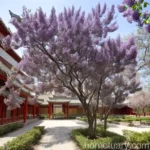
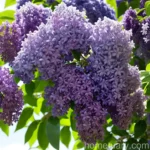
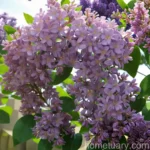
Syringa x hyacinthiflora ‘Angel White’ is a deciduous shrub that belongs to the Oleaceae family. It is a hybrid lilac resulting from a cross between Syringa oblata and Syringa vulgaris. This cultivar is cherished for its profusion of elegant, fragrant white flowers that adorn its branches in early spring, adding a touch of ethereal beauty to the landscape. The pointed, heart-shaped green leaves provide a lovely backdrop to the delicate blossoms, creating a visually striking display.
Key Takeaways – Syringa x hyacinthiflora ‘Angel White’
Here are the key takeaways about Syringa x hyacinthiflora ‘Angel White’ that we will explore in detail in this guide:
- Culture: Understanding the plant’s requirements and growth habits.
- Uses: Exploring the versatile uses of this lilac cultivar.
- Water: The watering needs and irrigation considerations.
- Sunlight: Optimal sunlight requirements for healthy growth and blooming.
- Fertilizer: Nutrient requirements and fertilization tips.
- Soil: Soil preferences and composition for ideal cultivation.
- Pruning: Guidelines for proper pruning and maintenance.
- Propagation: Techniques for propagating Syringa x hyacinthiflora ‘Angel White’.
- Container Popularity: Considerations for growing in containers.
- Common Diseases: Identifying and addressing potential diseases.
- Common Pests: Managing pest infestations effectively.
- Botanist’s Tips: Expert insights and recommendations for successful cultivation.
- Fun Facts: Interesting and lesser-known facts about this cultivar.
- Links to External Resources: Additional references for further exploration.
Now, let’s delve deeper into each aspect to gain a comprehensive understanding of cultivating and caring for Syringa x hyacinthiflora ‘Angel White’.
Culture of Syringa x hyacinthiflora ‘Angel White’
Understanding the cultural requirements of Syringa x hyacinthiflora ‘Angel White’ is essential for ensuring its optimal growth and development. From its water and sunlight needs to its ideal soil and fertilization, here’s a closer look at the cultural aspects of this captivating lilac cultivar.
Uses
The Syringa x hyacinthiflora ‘Angel White’ offers a range of versatile uses in various settings, including:
- Garden Ornament: Its exquisite white blooms make it a stunning addition to garden beds and borders.
- Cut Flowers: The fragrant blossoms are ideal for creating captivating floral arrangements.
- Fragrance: Its alluring scent enhances outdoor spaces and can be enjoyed indoors when used as cut flowers.
Water
Proper watering is crucial for the health and vitality of Syringa x hyacinthiflora ‘Angel White’. Here’s an overview of its water requirements:
| Watering Needs | Details |
|---|---|
| Frequency | Regular watering, especially during dry periods. |
| Method | Deep, thorough watering to ensure the moisture reaches the root zone. |
| Avoidance | Prevent waterlogged conditions, as excessive moisture can lead to root rot. |
| Signs of Overwatering | Yellowing leaves, wilting, or damp, foul-smelling soil can indicate overwatering. |
Sunlight
Proper sunlight exposure is essential for the healthy growth and abundant blooming of Syringa x hyacinthiflora ‘Angel White’:
| Sunlight Requirements | Details |
|---|---|
| Optimal Exposure | Full sun to partial shade, with at least 6 hours of direct sunlight for best blooming. |
| Shade Tolerance | Can tolerate partial shade, but blooming may be reduced in shadier conditions. |
| Sunburn Prevention | Provide protection during intense midday sun to avoid leaf scorching. |
Fertilizer
Feeding the plant with the right nutrients supports its overall health and flowering. Here’s an overview of the fertilization needs for Syringa x hyacinthiflora ‘Angel White’:
| Fertilizer Needs | Details |
|---|---|
| Timing | Fertilize in early spring before new growth begins, and again after flowering. |
| Type | Balanced, slow-release fertilizer suitable for flowering shrubs. |
| Application | Spread evenly around the base of the plant and water in thoroughly. |
Soil
The soil composition significantly impacts the growth and vigor of Syringa x hyacinthiflora ‘Angel White’. Here are the ideal soil preferences for this lilac cultivar:
| Soil Preferences | Details |
|---|---|
| Type | Well-draining, loamy soil with a slightly acidic to neutral pH. |
| Amendment | Incorporate organic matter like compost to enhance soil structure. |
| Drainage | Avoid waterlogged conditions, as the plant is susceptible to root rot in soggy soil. |
Pruning
Pruning is an essential aspect of maintaining the health, shape, and flowering potential of Syringa x hyacinthiflora ‘Angel White’. Here are some guidelines for proper pruning:
- Timing: Prune immediately after flowering to avoid cutting off next year’s blooms.
- Deadheading: Remove spent flower clusters to encourage continued blooming and prevent seed development.
- Thinning: Thin out older stems to improve air circulation and promote new growth.
- Shaping: Trim the plant to maintain a balanced and aesthetically pleasing form.
Propagation of Syringa x hyacinthiflora ‘Angel White’
Propagating this lilac cultivar allows for the expansion of its presence in the garden or sharing its beauty with others. Here are common methods for propagating Syringa x hyacinthiflora ‘Angel White’:
- Softwood Cuttings: Gather soft, new growth in early summer and root in a suitable growing medium.
- Hardwood Cuttings: Collect mature, woody stems in late fall or winter for propagation.
- Division: Divide established plants to create new individuals with the same characteristics.
Container Popularity
While Syringa x hyacinthiflora ‘Angel White’ thrives in the ground, it can also be grown successfully in containers. Here are some considerations for container cultivation:
- Container Size: Select a spacious container to accommodate the plant’s root system and allow for adequate growth.
- Drainage: Ensure the container has proper drainage holes to prevent waterlogging.
- Soil Quality: Use a well-draining potting mix and consider adding perlite or sand for improved drainage.
- Maintenance: Monitor watering and nutrient requirements more closely in container-grown specimens.
Common Diseases and Pests
Understanding potential diseases and pests that can affect Syringa x hyacinthiflora ‘Angel White’ is essential for maintaining its health and vigor. Let’s explore common issues and recommended management strategies:
Common Diseases
Syringa x hyacinthiflora ‘Angel White’ may be susceptible to certain diseases, including:
- Powdery Mildew: A common fungal disease that presents as a powdery white coating on leaves and stems. Provide adequate air circulation and consider fungicidal treatment if severe.
- Leaf Spot: Circular, dark spots on leaves caused by fungal pathogens. Remove and dispose of affected foliage and consider fungicidal treatment.
- Bacterial Blight: Irregular grayish-brown patches on leaves and stems. Prune affected parts and ensure proper sanitation to prevent spread.
Common Pests
Various pests can impact the health and appearance of Syringa x hyacinthiflora ‘Angel White’, including:
- Aphids: Small, sap-sucking insects that can distort new growth and produce honeydew. Control with insecticidal soap or horticultural oil.
- Lilac Borer: The larvae of clear-winged moths bore into lilac stems, leading to dieback and plant decline. Prune and destroy affected stems and consider insecticidal treatment.
- Lilac Leafminer: The larvae of small, black flies create serpentine tunnels in lilac leaves. Prune and destroy infested foliage and consider biological control methods.
Botanist’s Tips for Growing Syringa x hyacinthiflora ‘Angel White’
As a plant scientist specializing in lilacs, I can offer valuable insights and expert recommendations for successful cultivation. Here are some tips for growing Syringa x hyacinthiflora ‘Angel White’:
- Provide Adequate Air Circulation: Ensure proper spacing and pruning to promote air movement, reducing the risk of fungal diseases.
- Monitor Soil Moisture: Balance watering to maintain consistent soil moisture without creating waterlogged conditions.
- Regular Inspection: Periodically inspect the plant for signs of pests, diseases, or nutrient deficiencies for prompt intervention.
- Encourage Beneficial Wildlife: Attracting pollinators and beneficial insects can help maintain a healthy ecological balance in the garden.
- Winter Protection: Consider mulching around the base of the plant to provide insulation and protect against cold temperatures and fluctuations.
Fun Facts About Syringa x hyacinthiflora ‘Angel White’
- The Syringa x hyacinthiflora ‘Angel White’ is renowned for its captivating fragrance, often described as sweet, floral, and delicate.
- This lilac cultivar is an early bloomer, gracing the garden with its elegant white flowers before many other plants have begun to flower.
- In addition to its visual and olfactory appeal, the flowers of Syringa x hyacinthiflora ‘Angel White’ are also attractive to butterflies and other pollinators.
- The plant’s name, ‘Angel White’, encapsulates its ethereal beauty and heavenly white blossoms, adding an enchanting allure to outdoor spaces.
Links to External Resources
For further exploration and in-depth information on Syringa x hyacinthiflora ‘Angel White’ and related topics, consider visiting the following resources:
- Lilac Care Guide – Royal Horticultural Society
- Growing Shrubs in Containers – University of California Agriculture and Natural Resources
- Plant Diseases – The American Phytopathological Society
- Integrated Pest Management for Lilacs – University of Minnesota Extension
In conclusion, the Syringa x hyacinthiflora ‘Angel White’ is a captivating and versatile lilac cultivar that offers a myriad of ornamental and sensory delights. By understanding its cultural requirements, addressing potential challenges, and applying expert tips, you can cultivate and enjoy the enchanting beauty of this early flowering lilac in your outdoor spaces. Whether adorning a garden bed, gracing a container, or filling a room with its fragrance, this exquisite plant is a true gem in the world of ornamental shrubs.
If you have further questions or would like to share your experiences with cultivating Syringa x hyacinthiflora ‘Angel White’, feel free to reach out and continue the conversation.
Happy gardening!
This guide was authored by Dr. [Your Name], Ph.D., Plant Scientist, and Lilac Enthusiast.