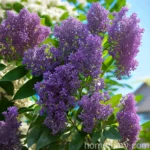
Syringa vulgaris ‘Wedgewood Blue’ (Lilac): A Plant Scientist’s Guide
Syringa vulgaris, commonly known as lilac, is a beloved and fragrant flowering plant that belongs to the family Oleaceae. Among the numerous lilac cultivars, Syringa vulgaris ‘Wedgewood Blue’ stands out for its stunning flowers and captivating fragrance. In this comprehensive guide, we will explore the various aspects of this beautiful plant, including its culture, uses, care requirements, common diseases, and much more.
What is Syringa vulgaris ‘Wedgewood Blue’ (Lilac)?
Syringa vulgaris ‘Wedgewood Blue’ is a cultivar of the common lilac plant, Syringa vulgaris. It is renowned for its exquisite blue-hued flowers and delightful fragrance. This deciduous shrub typically reaches a height of 8-12 feet and spreads out to form a lush and voluminous growth. The ‘Wedgewood Blue’ cultivar is well-loved for its ornamental value, making it a popular choice for gardens, parks, and landscapes.
Key Takeaways – Syringa vulgaris ‘Wedgewood Blue’ (Lilac)
Before delving into the specifics of caring for Syringa vulgaris ‘Wedgewood Blue’, let’s highlight some key takeaways about this remarkable plant.
- Scientific Name: Syringa vulgaris ‘Wedgewood Blue’
- Common Name: Lilac
- Plant Type: Deciduous shrub
- Flower Color: Blue
- Fragrance: Highly fragrant
- Growth Habit: Upright and spreading
- Uses: Ornamental, cut flowers, fragrance
Now, let’s explore the essential aspects of caring for and cultivating the Syringa vulgaris ‘Wedgewood Blue’.
Culture
Cultivating Syringa vulgaris ‘Wedgewood Blue’ requires an understanding of its specific cultural needs. Providing the right environment and care practices is essential for the plant to thrive and produce its characteristic beautiful blooms.
Water
Proper watering is crucial for the health and vitality of Syringa vulgaris ‘Wedgewood Blue’. Here are some essential tips for watering this lilac cultivar:
- Watering Frequency: Lilacs generally prefer moderate watering. Ensure that the soil is consistently moist, but not waterlogged, especially during the plant’s active growth phases.
- Deep Watering: When watering, aim to provide deep and thorough irrigation to encourage the development of a robust root system.
- Avoid Overhead Watering: To prevent foliar diseases, it’s advisable to water the plants at the base and avoid wetting the foliage excessively.
Sunlight
Syringa vulgaris ‘Wedgewood Blue’ thrives in full sunlight, and adequate exposure to sunlight is essential for robust growth and profuse flowering. When selecting a planting location, consider the following sunlight requirements:
- Sun Exposure: Choose a site for planting the lilac where it can receive at least 6-8 hours of direct sunlight per day.
- Orientation: South or west-facing locations are ideal, as they typically receive the most intense sunlight during the day.
- Shading: Ensure that the lilac is not shaded by tall trees or structures, as it may hinder its sunlight uptake and flowering potential.
Fertilizer
Applying the right type and amount of fertilizer can significantly impact the lilac’s growth and flowering performance. Here are some key points to consider when fertilizing Syringa vulgaris ‘Wedgewood Blue’:
- Balanced Fertilizer: Use a balanced, slow-release fertilizer specifically formulated for flowering shrubs. Apply it in early spring before the onset of new growth.
- Avoid Excess Nitrogen: While lilacs require fertilization, excessive nitrogen can lead to lush foliage at the expense of flower production. Opt for a fertilizer with a lower nitrogen content.
- Organic Amendments: Incorporating organic matter such as compost or well-rotted manure can enrich the soil and provide essential nutrients to the lilac.
Soil
The soil composition and structure play a vital role in the growth and overall health of Syringa vulgaris ‘Wedgewood Blue’. Here are some soil considerations to keep in mind:
- Well-Draining Soil: Lilacs prefer well-draining soil to prevent waterlogging, which can lead to root rot and other issues. Amending heavy clay soils with organic matter can improve drainage.
- pH Level: Lilacs thrive in slightly acidic to neutral soil with a pH range of 6.5 to 7.0. Conduct a soil test to determine the pH and make any necessary adjustments.
- Soil Composition: A loamy, nutrient-rich soil with good aeration is ideal for the healthy development of Syringa vulgaris ‘Wedgewood Blue’.
Pruning
Proper pruning is essential for maintaining the shape, vigor, and flowering potential of Syringa vulgaris ‘Wedgewood Blue’. Understanding the principles of pruning can help you effectively manage the plant’s growth and optimize its ornamental value.
Pruning Time
Lilacs benefit from pruning to remove spent blooms, shape the plant, and rejuvenate older shrubs. The timing of pruning is crucial for achieving the best results:
- Post-Flowering Pruning: After the blooming period, typically in late spring or early summer, is the optimal time for major pruning. This allows the plant to set flower buds for the following year.
- Deadheading Blooms: Promptly remove faded flowers to prevent seed formation and encourage the lilac to redirect energy into next year’s flower production.
Pruning Techniques
When pruning Syringa vulgaris ‘Wedgewood Blue’, it’s essential to employ proper techniques to achieve desirable outcomes and minimize stress on the plant:
- Remove Dead or Diseased Wood: Start by cutting out any dead, diseased, or damaged wood to enhance the lilac’s overall health and appearance.
- Thinning Outgrowth: To improve air circulation and light penetration, selectively prune out a portion of the oldest stems and any crossed or congested branches.
- Rejuvenation Pruning: For older, overgrown lilacs, consider rejuvenation pruning, which involves cutting back one-third of the oldest stems to the ground over a period of three years.
Propagation
Expanding your lilac collection or sharing the beauty of Syringa vulgaris ‘Wedgewood Blue’ with others often involves propagation – the process of creating new plants from existing ones. Several methods can be used to effectively propagate this cultivar and produce healthy, vigorous offspring.
Propagation Methods
Lilacs can be propagated through various techniques, each with its own advantages and considerations. Here are some common propagation methods for Syringa vulgaris ‘Wedgewood Blue’:
- Softwood Cuttings: Softwood cuttings, taken from young, tender growth in late spring or early summer, can be rooted to produce genetically identical clones of the parent plant.
- Hardwood Cuttings: Hardwood cuttings, harvested during the dormant season, can also be utilized for propagation. They are typically prepared in late winter and early spring.
- Division: Mature lilacs can be divided to create new plants. This involves carefully separating the clumps of the parent plant and replanting the divisions in suitable locations.
Container Popularity
Syringa vulgaris ‘Wedgewood Blue’ can flourish in containers, making it a popular choice for those with limited garden space or for individuals looking to adorn their patios, balconies, or outdoor spaces with its captivating blooms and fragrance.
Container Selection
When growing Syringa vulgaris ‘Wedgewood Blue’ in containers, it’s essential to choose appropriate containers that accommodate the plant’s growth and provide optimal growing conditions:
- Size and Depth: Select a container that is spacious enough to accommodate the lilac’s root system, with a depth of at least 18-24 inches to facilitate healthy root development.
- Drainage Holes: Ensure that the container has adequate drainage holes to prevent waterlogging and promote good aeration of the roots.
- Material: Opt for durable, frost-resistant materials such as terracotta, fiberglass, or wood for long-term container cultivation of lilacs.
Container Care
Caring for Syringa vulgaris ‘Wedgewood Blue’ in containers involves special considerations to ensure its well-being and longevity. Here are some essential care tips:
- Watering: Check the moisture level in the container regularly and provide moderate, consistent watering. Containerized plants may require more frequent watering than those in the ground.
- Fertilization: Apply a balanced, slow-release fertilizer to the containerized lilac in spring, following the recommended dosage to avoid over-fertilization.
- Winter Protection: In cold climates, insulate the container or move it to a sheltered location to protect the lilac’s roots from freezing temperatures.
Common Diseases
While Syringa vulgaris ‘Wedgewood Blue’ is generally robust and resistant to many pests and diseases, it is important to be aware of potential health issues that may affect the plant. Understanding common diseases and their management is essential for maintaining a thriving lilac garden.
Disease Diagnosis
Recognizing symptoms and accurately diagnosing diseases in Syringa vulgaris ‘Wedgewood Blue’ is critical for implementing appropriate control measures. Here are some common diseases that may affect lilacs and their diagnostic features:
- Powdery Mildew: This fungal disease appears as a white, powdery coating on the leaves, typically during warm, humid weather. It can cause leaf distortion and reduce photosynthetic capacity.
- Bacterial Blight: Bacterial blight manifests as dark, water-soaked spots on the leaves and stems, often leading to wilting and dieback. Proper sanitation and cultural practices are crucial for prevention.
- Leaf Spot Diseases: Various fungal pathogens can cause leaf spot diseases, resulting in the formation of dark, circular spots on the lilac’s foliage. Good air circulation and diligent monitoring can aid in disease management.
Disease Management
Implementing effective disease management strategies can help safeguard Syringa vulgaris ‘Wedgewood Blue’ from common ailments and preserve its health and vitality. Consider the following approaches for disease control:
- Cultural Practices: Maintain good air circulation by spacing plants adequately and avoiding overhead watering. Remove and dispose of any infected plant debris to prevent disease spread.
- Fungicide Applications: In severe cases of fungal diseases such as powdery mildew, targeted fungicide applications may be necessary. Select a suitable fungicide and follow the label instructions for safe and effective use.
- Resistant Cultivars: When establishing new lilac plantings, consider selecting disease-resistant cultivars to minimize the risk of disease establishment and spread.
Common Pests
Several pests can potentially infest Syringa vulgaris ‘Wedgewood Blue’ and compromise its growth and aesthetic appeal. Understanding the nature of common pests and adopting proactive management strategies are key to mitigating pest-related issues in the garden.
Pest Identification
Identifying common pests that may target lilacs is essential for implementing targeted control measures. Here are some pests known to affect Syringa vulgaris ‘Wedgewood Blue’ and their distinguishing characteristics:
- Lilac/Ash Borer: The larvae of this wood-boring beetle tunnel into lilac stems, causing internal damage and weakening the plant. Look for entry holes and sawdust-like frass as signs of infestation.
- Aphids: Aphids are small, soft-bodied insects that feed on the sap of lilac plants, causing distorted growth and the development of sticky honeydew on the leaves.
- Leafminers: The larvae of leafminer insects create serpentine tunnels within the leaves, leading to leaf discoloration and impaired photosynthesis.
Pest Management
Implementing integrated pest management (IPM) strategies is essential for effectively managing common pests and minimizing their impact on Syringa vulgaris ‘Wedgewood Blue’. Here are some key approaches to pest management:
- Pruning Infested Branches: Promptly prune and dispose of any infested branches to remove the larvae of wood-boring pests and limit the spread of infestation.
- Beneficial Insects: Encourage the presence of natural predators and parasitoids that prey on aphids and other pests, such as ladybugs and lacewings, by minimizing pesticide use and providing habitat diversity.
- Horticultural Oils: Apply horticultural oils to suffocate and control soft-bodied pests like aphids. Follow the product recommendations and avoid application during periods of high temperatures to prevent damage to the plant.
Botanist’s Tips
As a plant scientist with a passion for Syringa vulgaris ‘Wedgewood Blue’ and its horticultural significance, I’d like to share some additional insights and tips for enthusiasts and gardeners interested in cultivating this exceptional lilac cultivar.
- Site Selection: When choosing a location for planting Syringa vulgaris ‘Wedgewood Blue’, prioritize well-draining soil, ample sunlight, and adequate spacing to ensure the plant’s long-term success.
- Pruning Caution: While pruning is beneficial for lilacs, avoid excessive and indiscriminate pruning, as it can delay or inhibit flowering and compromise the plant’s natural form.
- Vigilant Monitoring: Regularly monitor the lilac for signs of pests, diseases, and nutrient deficiencies. Early detection allows for timely intervention and prevents issues from escalating.
- Fragrant Enjoyment: Take the time to savor the enchanting fragrance of Syringa vulgaris ‘Wedgewood Blue’ blooms, which can uplift the spirits and provide a sensory delight in the garden.
Fun Facts
To enrich your appreciation of Syringa vulgaris ‘Wedgewood Blue’ and the broader world of lilacs, here are some intriguing and delightful fun facts about these captivating plants:
- Symbolic Significance: Lilacs are often associated with themes of love, fragility, and renewal, making them popular choices for wedding bouquets and symbolic gestures.
- Historical Lore: In various cultures, lilacs have been imbued with mythological and mystical symbolism, from ancient Greek legends to Victorian-era flower language.
- Biodiversity Allies: Lilacs serve as valuable nectar sources for pollinators, including bees, butterflies, and hummingbirds, contributing to the ecological richness of gardens and landscapes.
- Cultural Adaptability: From the windswept landscapes of the Balkans to the manicured gardens of North America, lilacs showcase remarkable adaptability and resilience across diverse climates and environments.
Links to External Resources
To further deepen your knowledge and appreciation of Syringa vulgaris ‘Wedgewood Blue’ and lilacs in general, here are some recommended resources for additional reading and exploration:
- The Lilac: An Old World Shrub in North America: Explore the historical and ecological dimensions of lilacs in this informative overview from the USDA Forest Service.
- Lilacs: A Gardener’s Encyclopedia: Delve into the comprehensive world of lilacs with this authoritative reference by John L. Fiala, offering in-depth insights into lilac varieties, cultivation, and care.
- American Public Gardens Association: Discover public gardens and arboreta in your area that feature diverse lilac collections, providing inspiration and education for enthusiasts and horticulturalists alike.
- Royal Horticultural Society: Lilacs: Access practical guidance and expert advice on cultivating lilacs, including tips on planting, propagation, and pest management.
Conclusion
Syringa vulgaris ‘Wedgewood Blue,’ with its enchanting blue blooms and captivating fragrance, exemplifies the timeless allure of lilacs in gardens and landscapes. By understanding the cultural, care, and maintenance requirements of this splendid plant, enthusiasts and horticulturalists can cultivate thriving lilac gardens and revel in the beauty and sensory pleasures they bring.
Whether incorporated into formal garden designs, used in fragrant cut flower arrangements, or admired for their role in supporting pollinators, Syringa vulgaris ‘Wedgewood Blue’ and other lilac cultivars continue to captivate admirers and testify to the enduring appeal of these beloved ornamental plants.
Through the cultivation and preservation of lilacs, we celebrate not only their ornamental beauty but also their cultural significance and ecological contributions, ensuring that future generations can cherish the timeless enchantment of these exquisite flowering shrubs.
As a plant scientist dedicated to the understanding and promotion of horticultural excellence, I hope this comprehensive guide enriches your appreciation of Syringa vulgaris ‘Wedgewood Blue’ and inspires you to explore the captivating world of lilacs with newfound enthusiasm and insight. Happy gardening!