Streptocarpus ‘Polka-Dot Red’ (Cape Primrose)
Streptocarpus ‘Polka-Dot Red’, commonly known as Cape Primrose, is a popular flowering plant known for its stunning red and polka-dotted blooms. This.
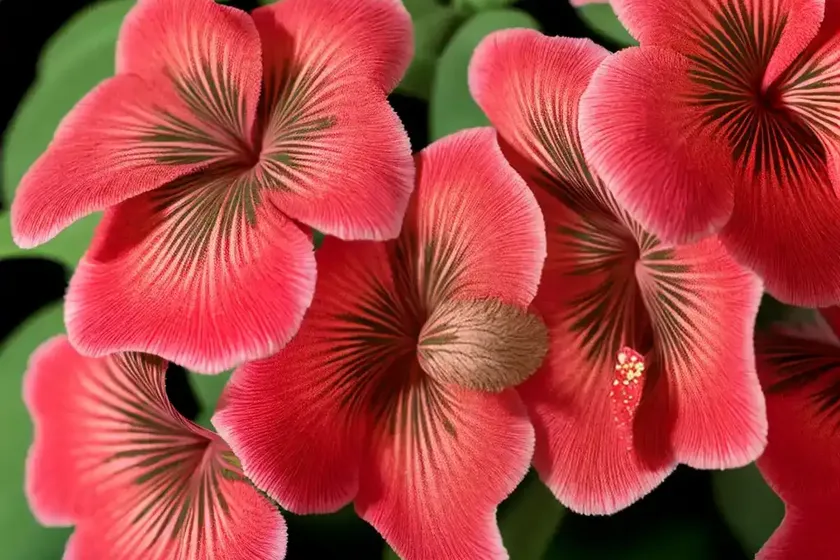
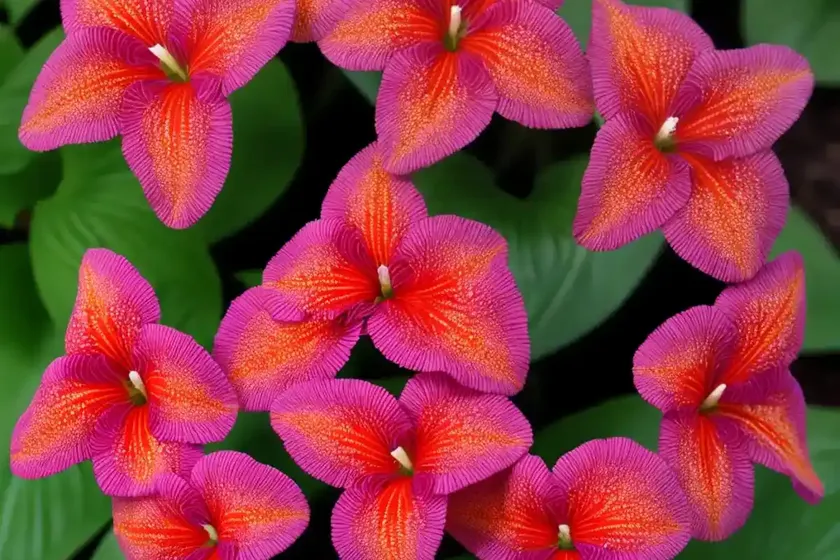
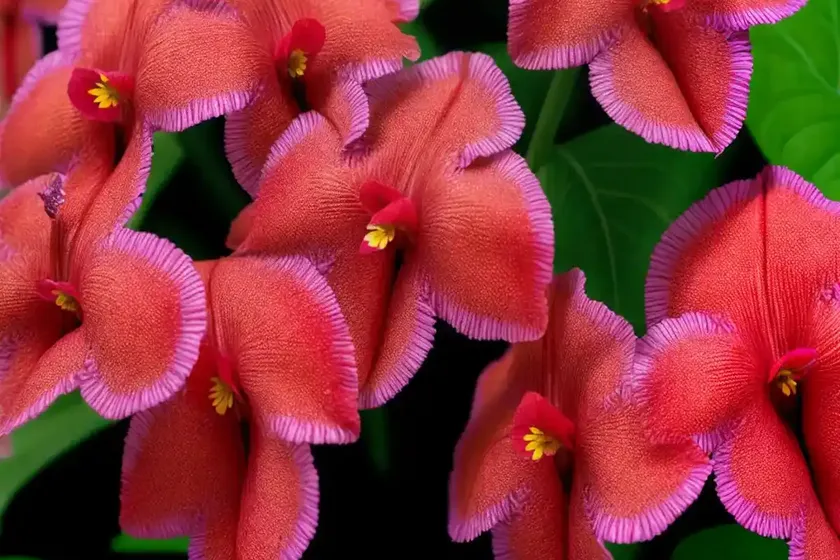
Streptocarpus ‘Polka-Dot Red’, commonly known as Cape Primrose, is a popular flowering plant known for its stunning red and polka-dotted blooms. This resilient and charming plant has gained popularity among plant enthusiasts due to its low maintenance and beautiful flowers.
As a plant scientist with a passion for exploring the diverse world of plants, I am excited to delve into the cultivation, care, and characteristics of Streptocarpus ‘Polka-Dot Red’. In this comprehensive guide, we will discuss the cultural requirements, propagation techniques, common diseases and pests, and various other aspects related to this captivating plant.
What is Streptocarpus ‘Polka-Dot Red’ (Cape Primrose)?
Streptocarpus ‘Polka-Dot Red’ is a member of the Gesneriaceae family, which also includes African violets. Native to South Africa, this plant is cherished for its ability to produce an abundance of vibrant and intricately patterned flowers. The name “Streptocarpus” is derived from the Greek words “streptos” and “karpos,” which translate to “twisted” and “fruit,” respectively, referring to the unique seed capsules of the plant.
Streptocarpus ‘Polka-Dot Red’ features glossy, deep green leaves that form an attractive rosette, creating an elegant backdrop for the striking blooms. The flowers typically exhibit a red or magenta base color adorned with delicate, contrasting polka dots, making them an eye-catching addition to any indoor or shaded outdoor space.
Key Takeaways – Streptocarpus ‘Polka-Dot Red’ (Cape Primrose)
Before we delve into the specifics of cultivating and caring for Streptocarpus ‘Polka-Dot Red’, let’s summarize the key takeaways that will be explored in detail throughout this guide.
- Culture: Understanding the cultural requirements for optimal growth and flowering.
- Uses: Exploring the various uses of Streptocarpus ‘Polka-Dot Red’ in both indoor and outdoor settings.
- Water: Discussing the watering needs and best practices for maintaining appropriate soil moisture.
- Sunlight: Determining the ideal light conditions for promoting healthy growth and prolific flowering.
- Fertilizer: Identifying the appropriate fertilization regimen to support robust plant development.
- Soil: Exploring the preferred soil composition and structure for Cape Primrose cultivation.
- Pruning: Learning about essential pruning techniques to maintain the plant’s shape and encourage blooming.
- Propagation: Exploring effective methods of propagating Streptocarpus ‘Polka-Dot Red’ to expand your plant collection.
- Container: Understanding the suitability of containers for growing Cape Primrose and their impact on plant health.
- Popularity: Recognizing the growing popularity of Streptocarpus ‘Polka-Dot Red’ among plant enthusiasts.
- Common Diseases: Identifying potential diseases and afflictions that may affect Cape Primrose.
- Disease Diagnosis: Understanding the symptoms and diagnostic measures for common plant diseases.
- Common Pests: Recognizing the pests that may pose a threat to the health of Streptocarpus ‘Polka-Dot Red’.
- Botanist’s Tips: Gaining insights and tips from botanists to optimize the cultivation and care of Cape Primrose.
- Fun Facts: Discovering interesting and lesser-known facts about Streptocarpus ‘Polka-Dot Red’.
With these key takeaways in mind, let’s embark on a comprehensive exploration of Streptocarpus ‘Polka-Dot Red’ and equip ourselves with the knowledge and skills required to cultivate and care for this mesmerizing plant.
Cultivation and Care
Cultivating and caring for Streptocarpus ‘Polka-Dot Red’ requires an understanding of its specific environmental and nutritional requirements. In this section, we will delve into the various aspects of its cultivation and provide valuable insights into the best practices for ensuring its health and vitality.
Water
Proper watering is crucial for the health and vigor of Streptocarpus ‘Polka-Dot Red’. Overwatering can lead to root rot and other moisture-related problems, while under-watering may result in wilting and poor blooming. Here are some essential considerations for watering this delightful plant:
- Watering Frequency: Cape Primrose prefers consistently moist but not waterlogged soil. Water the plant when the top inch of the soil feels slightly dry to the touch. Adjust the frequency of watering based on environmental conditions such as temperature and humidity.
- Water Quality: Use room-temperature water to avoid shocking the plant with cold or excessively warm water. Rainwater or filtered water is ideal, as Cape Primrose is sensitive to the salts and chemicals present in some tap water.
Streptocarpus ‘Polka-Dot Red’ watering
Proper watering is crucial for the health and vigor of Streptocarpus ‘Polka-Dot Red’. Overwatering can lead to root rot and other moisture-related problems, while under-watering may result in wilting and poor blooming. Here are some essential considerations for watering this delightful plant:
| Watering Needs | Description |
|---|---|
| Moderate | Requires consistently moist but not waterlogged soil. Water the plant when the top inch of the soil feels slightly dry to the touch. Adjust the frequency of watering based on environmental conditions such as temperature and humidity. |
Watering Schedule
Creating a consistent watering schedule can help maintain optimal soil moisture for Streptocarpus ‘Polka-Dot Red’. Consider the following general guidelines for establishing a watering routine based on your specific growing conditions:
| Time of Year | Watering Frequency |
|---|---|
| Spring and Summer | Every 5-7 days, depending on environmental conditions. |
| Fall and Winter | Reduce watering frequency to every 7-10 days, adjusting based on the plant’s moisture needs. |
It’s important to monitor the plant’s response to watering and adjust the schedule as needed. Aim to provide adequate moisture without allowing the soil to become waterlogged.
Sunlight
Sufficient but indirect sunlight is essential for the healthy growth and blooming of Streptocarpus ‘Polka-Dot Red’. In its natural habitat, Cape Primrose thrives in the dappled shade of forests, which informs its light requirements as a houseplant. Consider the following guidelines for providing appropriate sunlight:
- Light Conditions: Place the plant in a location that receives bright, indirect light. Avoid exposing it to direct sunlight, especially during the intense midday hours, as this can scorch the delicate foliage and flowers.
- Natural Rotation: To ensure balanced growth, rotate the plant regularly to promote even exposure to light on all sides.
Cape Primrose ‘Polka-Dot Red’ sunlight needs
Understanding the natural light requirements of Streptocarpus ‘Polka-Dot Red’ is essential for cultivating a thriving and blooming plant. Here are some key considerations regarding its sunlight needs:
| Sunlight Needs | Description |
|---|---|
| Indirect Bright Light | Requires bright, indirect light to thrive. Avoid exposing the plant to direct sunlight, as this can lead to leaf and flower damage. |
Light Conditions and Exposure
Providing the ideal light conditions for Streptocarpus ‘Polka-Dot Red’ involves carefully selecting its placement and managing light exposure:
| Light Conditions | Recommended Actions |
|---|---|
| Bright, Indirect Light | Position the plant in an area that receives bright, indirect sunlight, such as near a north or east-facing window. Monitor the plant for signs of leaf scorching, and adjust its placement if necessary. Regularly rotating the plant will ensure uniform light exposure and balanced growth. |
By meeting the plant’s sunlight needs, you can promote healthy foliage and abundant flowering, helping Streptocarpus ‘Polka-Dot Red’ thrive in its indoor environment.
Fertilizer
Proper fertilization is essential for providing Streptocarpus ‘Polka-Dot Red’ with the necessary nutrients to support its growth and flowering. When selecting a fertilizer for Cape Primrose, opt for a balanced, water-soluble formula specially formulated for flowering plants. Consider the following guidelines for fertilizing this captivating plant:
- Fertilization Frequency: During the active growing season in spring and summer, apply a diluted, balanced fertilizer every two to four weeks. Reduce the frequency to once a month during fall and winter when the plant’s growth slows.
- Application Method: Water the plant with the diluted fertilizer solution, ensuring that it reaches the root zone without causing excessive buildup on the foliage.
- Watering after Fertilization: After applying the fertilizer, water the plant with plain water to prevent any potential nutrient imbalances and ensure even distribution of the fertilizer within the soil.
‘Polka-Dot Red’ Streptocarpus fertilizing
Balanced fertilization is crucial for supporting the growth and blooming of Streptocarpus ‘Polka-Dot Red’. Here are some key considerations for fertilizing this captivating plant:
| Fertilizing Needs | Description |
|---|---|
| Balanced Fertilizer | Apply a water-soluble, balanced fertilizer formulated for flowering plants every two to four weeks during the active growing season. Reduce the frequency to once a month in fall and winter. Avoid overfertilization, as this can lead to nutrient imbalances and potential damage to the plant. |
Fertilization Schedule
Developing a consistent fertilization schedule can help ensure that Streptocarpus ‘Polka-Dot Red’ receives the necessary nutrients for healthy growth and flowering. Consider the following guidelines for establishing a fertilization routine based on the plant’s growth cycle:
| Season | Fertilization Frequency |
|---|---|
| Spring and Summer | Every two to four weeks. |
| Fall and Winter | Once a month. |
By providing appropriate fertilization, you can support the overall health and vitality of Cape Primrose, promoting lush foliage and abundant, colorful blooms.
Soil
The right soil composition is crucial for ensuring the health and vigor of Streptocarpus ‘Polka-Dot Red’. As a moisture-loving plant, Cape Primrose thrives in well-draining, organic-rich soil. Consider the following guidelines for selecting and preparing the ideal soil for this charming plant:
- Well-Draining Mix: Use a well-aerated potting mix that promotes good drainage to prevent waterlogging, such as a blend of peat moss, perlite, and vermiculite. Avoid heavy, compacted soils that retain excess moisture.
- Organic Matter: Incorporate organic matter, such as compost or well-rotted leaf mold, into the potting mix to provide essential nutrients and support robust plant growth.
- Acidic pH: Aim for a slightly acidic soil pH in the range of 5.5 to 6.5, as Cape Primrose thrives in mildly acidic conditions.
Cape Primrose ‘Polka-Dot Red’ soil requirements
Selecting and preparing the right soil for Streptocarpus ‘Polka-Dot Red’ is essential for creating conducive growing conditions. Here are some key considerations for the soil requirements of this captivating plant:
| Soil Requirements | Description |
|---|---|
| Well-Draining Mix | Thrives in a well-aerated potting mix that promotes good drainage to prevent waterlogging. Avoid heavy, compacted soils that retain excess moisture, as they can lead to root rot and other moisture-related issues. |
| Organic Matter | Incorporate organic matter, such as compost or well-rotted leaf mold, into the potting mix to provide essential nutrients and support robust plant growth. |
| Acidic pH | Cape Primrose prefers a slightly acidic soil pH in the range of 5.5 to 6.5. Maintaining this pH range is crucial for ensuring the plant’s nutrient uptake and overall well-being. |
By addressing the specific soil requirements of Streptocarpus ‘Polka-Dot Red’, you can create an optimal growing environment that supports healthy root development and lush foliage.
Pruning
Pruning is an essential aspect of Cape Primrose care that helps maintain its compact, attractive appearance and encourages prolific blooming. By removing spent blooms and leggy growth, you can promote the plant’s energy towards producing new flowers and maintaining a balanced form. Consider the following guidelines for pruning Streptocarpus ‘Polka-Dot Red’:
- Deadheading: Regularly deadhead faded flowers by gently pinching them off at the base to prevent seed formation and encourage the development of new blooms.
- Leggy Growth: Trim back any leggy or elongated stems to promote a more compact and bushy growth habit. Focus on removing discolored or withered leaves as well for aesthetic and plant health reasons.
Streptocarpus ‘Polka-Dot Red’ pruning techniques
Pruning is an essential practice for maintaining the health and appearance of Streptocarpus ‘Polka-Dot Red’. Here are some key pruning techniques to promote lush foliage and prolific blooming:
| Pruning Techniques | Description |
|---|---|
| Deadheading | Regularly remove faded flowers by pinching them off at the base. Deadheading encourages the plant to redirect its energy towards producing new blooms, promoting extended flowering periods. |
| Leggy Growth | Trim back any leggy or elongated stems to promote a more compact and bushy growth habit. Removing discolored or withered leaves is also beneficial for maintaining the plant’s visual appeal and overall health. |
By employing effective pruning techniques, you can ensure that Streptocarpus ‘Polka-Dot Red’ maintains a tidy, attractive form while continuously producing charming, polka-dotted flowers.
Propagation
Propagating Streptocarpus ‘Polka-Dot Red’ allows you to expand your plant collection and share the beauty of this cultivar with fellow gardening enthusiasts. While this plant can be propagated through various methods, including leaf cuttings and seed sowing, leaf cuttings are the most common and reliable approach for reproducing Cape Primrose. Consider the following guidelines for successfully propagating this captivating plant:
- Leaf Cuttings: Select healthy, mature leaves and cut them into sections, ensuring that each section has a vein and a portion of the leaf blade. Plant the sections in a well-draining propagation mix and provide adequate warmth and humidity to encourage root development.
- Establishing Roots: Keep the propagation medium consistently moist and provide bottom heat to expedite root formation. Once roots have established, the new plantlets can be potted individually and transitioned to standard care.
Cape Primrose ‘Polka-Dot Red’ propagation
Propagating Streptocarpus ‘Polka-Dot Red’ allows you to expand your plant collection and share the beauty of this cultivar with fellow gardening enthusiasts. Here are some key considerations for successfully propagating this captivating plant:
| Propagation Methods | Description |
|---|---|
| Leaf Cuttings | Select healthy, mature leaves and cut them into sections, ensuring that each section has a vein and a portion of the leaf blade. Plant the sections in a well-draining propagation mix and provide warmth and humidity to encourage root development. Once roots have established, the new plantlets can be potted individually and transitioned to standard care. |
By mastering the art of propagation, you can create new generations of Streptocarpus ‘Polka-Dot Red’ and share the joy of cultivating this exquisite plant with others.
Container
When cultivating Streptocarpus ‘Polka-Dot Red’ in containers, it’s essential to select the right pot size and type to ensure proper root development and overall plant health. Well-designed containers provide adequate drainage, promote airflow to the roots, and accommodate the plant’s growth. Consider the following guidelines for selecting and utilizing containers for Cape Primrose:
- Pot Size: Choose a pot that allows for approximately one to two inches of space around the plant’s root ball. A slightly snug fit can encourage healthy root development and prevent excessive moisture retention.
- Drainage Holes: Select containers with drainage holes to ensure efficient water removal and prevent the risk of waterlogged soil.
- Adequate Airflow: Opt for containers made from breathable materials such as terracotta or porous ceramic to promote airflow to the roots and reduce the risk of soil compaction.
‘Polka-Dot Red’ Streptocarpus container gardening
Cultivating Streptocarpus ‘Polka-Dot Red’ in containers requires careful consideration of the pot size and type to support healthy root growth and overall plant vitality. Here are some key aspects to consider for container gardening with Cape Primrose:
| Container Gardening | Description |
|---|---|
| Pot Size | Select a pot that provides approximately one to two inches of space around the plant’s root ball. A slightly snug fit can encourage healthy root development and prevent excessive moisture retention. |
| Drainage Holes | Choose containers with drainage holes to facilitate efficient water removal and minimize the risk of waterlogging. |
| Airflow | Opt for containers made from breathable materials, such as terracotta or porous ceramic, to promote airflow to the roots and reduce the risk of soil compaction. |
By carefully selecting and utilizing containers for Cape Primrose cultivation, you can create an optimal growing environment that supports the plant’s well-being and aesthetic appeal.
Popularity
Streptocarpus ‘Polka-Dot Red’ has been gaining popularity among plant enthusiasts and indoor gardeners due to its captivating flowers and manageable care requirements. Its striking red and polka-dotted blooms add a touch of elegance and cheer to indoor spaces, making it a sought-after addition to plant collections.
The growing popularity of Cape Primrose is evident in its increased availability at nurseries, online plant stores, and horticultural events. As more individuals discover the beauty and charm of Streptocarpus ‘Polka-Dot Red’, its appeal continues to expand, contributing to its status as a cherished ornamental plant.
Common Diseases and Pest Management
While Streptocarpus ‘Polka-Dot Red’ is generally resilient and tolerant of typical growing conditions, it may be susceptible to certain diseases and pests. Understanding common plant afflictions and their management is critical for preventing and addressing issues that may impact the health and appearance of Cape Primrose.
Disease Prevention
Promoting a disease-resistant environment is essential for the long-term health and vitality of Streptocarpus ‘Polka-Dot Red’. Consider the following preventive measures to minimize the risk of disease in this charming plant:
- Proper Air Circulation: Ensure adequate air circulation around the plant by avoiding overcrowding and providing sufficient space between neighboring plants.
- Healthy Soil: Use well-draining, sterile potting mix to reduce the risk of soil-borne diseases and pathogens.
- Watering Practices: Avoid overwatering and ensure that the soil surface dries out between waterings to prevent conditions favorable for fungal diseases.
Common Problems with Cape Primrose
Streptocarpus ‘Polka-Dot Red’ may encounter specific issues related to environmental conditions, cultural practices, or pest infestations. Understanding these common problems and their potential causes is essential for implementing timely interventions and promoting the plant’s well-being.
Disease Diagnosis
Prompt identification and diagnosis of plant diseases are crucial for implementing targeted treatment and preventing the spread of ailments. Visual symptoms such as leaf disc


