Syringa josikaea (Hungarian Lilac) – A Complete Guide to Cultivation and Care
Syringa josikaea, commonly known as Hungarian Lilac, is a beautiful and versatile plant that adds charm and elegance to gardens and landscapes. This flowering shrub belongs to the olive family (Oleaceae) and is native to Eastern Europe. In this comprehensive guide, we will explore the various facets of the Hungarian Lilac, including its culture, uses, cultivation requirements, diseases, and more. Whether you are a seasoned gardener or a beginner, this article aims to equip you with the knowledge needed to cultivate and care for Syringa josikaea successfully.
What is Syringa josikaea (Hungarian Lilac)?
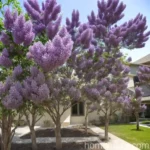
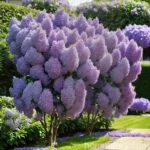
Syringa josikaea, also known as Hungarian Lilac, is a deciduous shrub that typically grows to a height of 6 to 12 feet, with a spread of 6 to 10 feet. It is characterized by its stunning, fragrant clusters of lilac-colored flowers that bloom in late spring to early summer, adding a delightful splash of color to the landscape. The foliage of Syringa josikaea consists of ovate, dark green leaves that provide a beautiful backdrop to the showy blossoms.
The Hungarian Lilac is a low-maintenance plant that is valued for its ornamental appeal and versatility in garden settings. It is often used as a specimen plant, in mixed borders, or as a charming hedge or screen. The graceful form, fragrant blooms, and adaptability of Syringa josikaea make it a favorite among gardeners and landscapers.
Key Takeaways – Syringa josikaea (Hungarian Lilac)
Here are the key takeaways for Syringa josikaea, which will be further explored in this guide:
- Culture: Understanding the cultural requirements of Syringa josikaea is essential for successful cultivation.
- Uses: Explore the various uses of Hungarian Lilac in garden settings and landscapes.
- Cultivation: Learn about the ideal conditions for growing and caring for Syringa josikaea, including water, sunlight, soil, and fertilizer requirements.
- Pruning: Discover effective pruning techniques to maintain the health and shape of Hungarian Lilac shrubs.
- Propagation: Explore methods for propagating Syringa josikaea to expand your plant collection.
- Container Gardening: Consider the possibilities of growing Hungarian Lilac in containers to enhance your outdoor spaces.
- Common Diseases and Pests: Identify potential issues that may affect Syringa josikaea and learn how to address them effectively.
- Botanist’s Tips: Benefit from expert tips and recommendations for cultivating and caring for Hungarian Lilac.
- Fun Facts: Delight in interesting and lesser-known facts about Syringa josikaea.
- Links to External Resources: Access additional information and resources to further enrich your knowledge of Hungarian Lilac.
Now, let’s delve into each of these aspects to gain a comprehensive understanding of Syringa josikaea and its cultivation requirements.
Culture
Understanding the cultural requirements of Syringa josikaea is crucial for creating an environment where the plant can thrive and showcase its full splendor. Here are the key cultural considerations for cultivating Hungarian Lilac:
-
USDA Hardiness Zones: Hungarian Lilac is well-suited to USDA hardiness zones 3 to 7, where it can withstand colder temperatures and thrive in various climates.
-
Growing Season: Syringa josikaea prefers to be planted in the early spring or fall, allowing it to establish its root system before the onset of extreme temperatures.
-
Companion Plants: Consider pairing Hungarian Lilac with complementary plants such as peonies, roses, and perennial flowers to create visually appealing garden landscapes.
-
Landscape Uses: Hungarian Lilac can be used in a variety of landscape settings, including as a focal point in cottage gardens, mixed borders, or as a fragrant hedge or screen.
Uses
The Hungarian Lilac offers a multitude of uses in garden settings and landscapes, making it a versatile and valuable addition to outdoor spaces. Here are the primary uses of Syringa josikaea:
-
Ornamental Appeal: The fragrant, lilac-colored blossoms of Syringa josikaea make it a stunning ornamental plant that adds beauty and elegance to any garden or landscape.
-
Fragrance: The delightful scent of Hungarian Lilac flowers enhances the sensory experience of outdoor spaces, attracting pollinators and delighting garden enthusiasts.
-
Privacy Screen: Hungarian Lilac can be used to create a natural and fragrant privacy screen or hedge, offering both visual appeal and functional benefits.
-
Cut Flowers: The abundant blooms of Syringa josikaea make it an excellent source of cut flowers, allowing for the creation of charming and fragrant floral arrangements.
Water
Proper watering is essential for the health and vitality of Syringa josikaea, especially during its establishment phase and periods of intense heat. Here are the key considerations for watering Hungarian Lilac:
-
Establishment: Newly planted Hungarian Lilac shrubs should be watered regularly to ensure that the soil around their roots remains consistently moist but not waterlogged.
-
Mature Plants: Once established, Syringa josikaea is moderately drought-tolerant but benefits from supplemental watering during prolonged dry spells, particularly in the summer months.
-
Moisture Levels: Aim to maintain evenly moist soil, avoiding both drought stress and waterlogged conditions, which can be detrimental to the health of Hungarian Lilac.
-
Watering Schedule: During periods of limited rainfall, consider providing Hungarian Lilac with deep, thorough watering once or twice a week to promote healthy growth and flowering.
Sunlight
Proper sunlight exposure is crucial for the overall vigor and flowering performance of Syringa josikaea. Here are the essential considerations for sunlight requirements:
-
Full Sun: Hungarian Lilac thrives in full sun conditions, requiring at least 6 to 8 hours of direct sunlight each day to support abundant blooming and robust growth.
-
Morning Sunlight: When selecting a planting location, prioritize areas that receive ample morning sunlight, as this promotes efficient drying of the foliage, reducing the risk of fungal diseases.
-
Partial Shade: While Hungarian Lilac prefers full sun, it can tolerate partial shade, especially in regions with intense afternoon sunlight or during exceptionally hot summers.
-
Sun Exposure: Ensure that Syringa josikaea is positioned in a location that allows for adequate air circulation and sunlight exposure, creating an optimal environment for healthy growth.
Fertilizer
Providing the appropriate nutrients to Hungarian Lilac encourages strong growth, abundant flowering, and overall plant health. Here are the key considerations for fertilizing Syringa josikaea:
-
Timing: Apply a balanced, slow-release fertilizer in early spring before new growth begins, providing essential nutrients to support the upcoming flowering season.
-
Composition: Choose a fertilizer specifically formulated for flowering shrubs or ornamental plants, with a balanced NPK ratio (nitrogen, phosphorus, potassium) to promote overall plant health and flower production.
-
Application: Spread the fertilizer evenly around the base of the Hungarian Lilac shrub, avoiding direct contact with the stems or foliage, and water it in thoroughly to facilitate nutrient absorption.
-
Frequency: For established Syringa josikaea plants, an annual application of fertilizer in early spring is usually sufficient to sustain healthy growth and flowering.
Soil
The soil composition and quality play a significant role in the overall health and performance of Hungarian Lilac. Here are the essential considerations for soil requirements:
-
Well-Draining Soil: Hungarian Lilac thrives in well-draining, loamy soil with good aeration, as it prevents waterlogged conditions that can lead to root rot and other issues.
-
pH Level: Syringa josikaea prefers slightly alkaline to neutral soil, with a pH range of 6.5 to 7.5, which supports optimal nutrient uptake and overall plant health.
-
Soil Amendments: If the native soil is heavy, compacted, or excessively acidic, consider amending it with organic matter such as compost or well-aged manure to improve its texture and nutrient content.
-
Mulching: Apply a layer of organic mulch, such as shredded bark or compost, around the base of Hungarian Lilac to conserve soil moisture, suppress weed growth, and provide additional nutrients as it decomposes.
Pruning
Pruning is an essential aspect of Hungarian Lilac care and maintenance, contributing to the plant’s health, shape, and flowering performance. Here are the key considerations for pruning Syringa josikaea:
-
Timing: Prune Hungarian Lilac immediately after the flowering period, typically in late spring or early summer, to avoid removing potential flower buds for the following year.
-
Deadheading: Remove spent flower clusters promptly to encourage additional blooming and prevent the formation of seeds, redirecting the plant’s energy toward growth and flowering.
-
Thinning: Periodically thin out older and congested branches to improve air circulation within the shrub, reducing the risk of diseases and promoting healthy growth.
-
Renewal Pruning: Every few years, consider performing renewal pruning to encourage the development of new, vigorous shoots and rejuvenate the overall appearance of Syringa josikaea.
Propagation
Expanding your collection of Hungarian Lilac can be achieved through various propagation methods, allowing you to share the beauty of Syringa josikaea with others. Here are the primary propagation techniques for Hungarian Lilac:
-
Softwood Cuttings: Propagate Hungarian Lilac from softwood cuttings taken in early summer, ensuring that they are taken from non-flowering shoots and treated with a rooting hormone to enhance their success.
-
Hardwood Cuttings: Hardwood cuttings can be taken in late winter to early spring, utilizing one-year-old growth and employing the same principles as softwood cuttings to encourage root development.
-
Division: When transplanting mature Syringa josikaea shrubs, consider dividing the root ball to create new plants, ensuring that each division has an adequate portion of both roots and shoots for successful establishment.
-
Layering: Encourage the formation of new roots by layering a low, flexible branch of Hungarian Lilac, ensuring that it remains in contact with the soil and is supported with a small mound of soil to facilitate root development.
Container Popularity
The versatility and ornamental appeal of Syringa josikaea make it well-suited for container gardening, allowing for creative and flexible display options. Here are the key factors to consider when growing Hungarian Lilac in containers:
-
Container Selection: Choose a large, sturdy container with adequate drainage holes, allowing for sufficient root space and stability as Hungarian Lilac grows.
-
Potting Mix: Select a well-draining, lightweight potting mix designed for flowering shrubs or woody plants, ensuring that it provides essential nutrients and aeration for healthy growth.
-
Sun and Water: Position the container in a location that receives ample sunlight, ensuring that it is watered regularly to maintain consistent soil moisture, especially during the active growing season.
-
Winter Protection: In regions with harsh winters, provide adequate winter protection for container-grown Hungarian Lilac, such as insulating the pot or moving it to a sheltered location, to ensure its survival and vigor.
Common Diseases
While Syringa josikaea is relatively resilient, it can be susceptible to certain diseases that may affect its health and flowering performance. Here are some common diseases that may impact Hungarian Lilac:
-
Powdery Mildew: This fungal disease can appear as a powdery white coating on the leaves of Hungarian Lilac, often favored by humid conditions and poor air circulation.
-
Bacterial Blight: Characterized by dark, water-soaked spots on the foliage and stems, bacterial blight can affect the overall health and appearance of Syringa josikaea.
-
Root Rot: Excessive moisture and poor soil drainage can lead to root rot in Hungarian Lilac, causing the plant to exhibit symptoms such as wilting, yellowing foliage, and stunted growth.
Disease Diagnosis
It is important to be able to recognize the symptoms and signs of potential diseases affecting Hungarian Lilac to facilitate prompt and effective management. Here is a brief overview of diagnosing common diseases in Syringa josikaea:
-
Visual Symptoms: Familiarize yourself with the visual indicators of common diseases, such as unusual leaf discoloration, spotting, or powdery coatings on the foliage.
-
Affect on Growth: Pay attention to any significant changes in the growth pattern, vigor, or overall appearance of Hungarian Lilac, as diseases can impact these aspects.
-
Environmental Conditions: Consider the prevailing environmental conditions, such as excessive moisture, humidity levels, and air circulation, which can contribute to disease development in Syringa josikaea.
Common Pests
Hungarian Lilac is generally resistant to many common pests, but certain insects may occasionally pose a threat to its health. Here are some of the common pests that may affect Syringa josikaea:
-
Lilac Borer: Larvae of the lilac borer tunnel into the stems of Hungarian Lilac, affecting its overall health and vitality, and may require targeted management methods.
-
Leaf Miners: These small insects can cause unsightly tunnels and damage to the foliage of Syringa josikaea, affecting its aesthetic appeal and potentially impacting overall plant health.
-
Aphids: Aphids may occasionally infest Hungarian Lilac, causing distorted growth and sticky honeydew secretion, leading to sooty mold development on the foliage.
Botanist’s Tips
Benefit from expert insights and recommendations for cultivating and caring for Hungarian Lilac, allowing you to enhance the health and beauty of Syringa josikaea in your garden. Here are some valuable tips from botanists:
-
Provides Well-Draining Soil: Ensure that Hungarian Lilac is planted in well-draining soil to prevent waterlogged conditions that can be detrimental to its health.
-
Promote Air Circulation: Maintain adequate spacing between Hungarian Lilac shrubs and adjacent plants to facilitate good air circulation, reducing the risk of foliar diseases.
-
Monitor Moisture Levels: Regularly check the soil moisture levels around Syringa josikaea, adjusting your watering practices based on the plant’s needs and environmental conditions.
-
Prune Mindfully: Practice mindful pruning techniques, removing dead or diseased wood, and employing light and selective pruning to maintain the natural form and flowering potential of Hungarian Lilac.
Fun Facts
Delight in intriguing and lesser-known facts about Syringa josikaea, adding to your appreciation for this charming and versatile plant. Here are some fun facts about Hungarian Lilac:
-
Hungarian Lilac is a native species in Eastern Europe, where it can be found gracing woodlands and open areas with its fragrant blooms.
-
The flowers of Syringa josikaea are not only visually stunning but also boast a delightful fragrance that attracts bees, butterflies, and other pollinators to the garden.
-
The name “Syringa” is derived from the Greek word “syrinx,” which refers to hollow tubes or pipes, alluding to the pithy stems of lilac plants.
Links to External Resources
To further enrich your knowledge and understanding of Hungarian Lilac, consider exploring the following external resources:
- The American Horticultural Society’s Guide to Lilacs
- University Extension: Growing Lilacs in the Home Garden
- Royal Horticultural Society: Lilacs
In conclusion, Syringa josikaea, or Hungarian Lilac, is a captivating and rewarding plant that enriches outdoor spaces with its fragrant blooms, ornamental appeal, and versatile uses. By understanding its cultural requirements, cultivation techniques, potential issues, and additional considerations, you can cultivate and care for Hungarian Lilac successfully, enhancing your garden or landscape with its timeless beauty and charm.
Whether you are drawn to the vibrant lilac-colored blossoms, the enchanting fragrance, or the resilience of Syringa josikaea, this plant has much to offer and is sure to captivate and delight those who appreciate its unique allure.