Syringa vulgaris ‘Blue Skies’ (Lilac): A Complete Guide
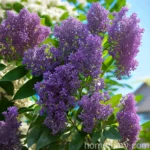
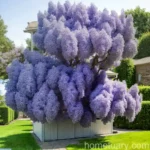
Syringa vulgaris ‘Blue Skies’, commonly known as Lilac, is a beautiful and fragrant flowering plant that has been cherished in gardens for centuries. Renowned for its stunning blue blooms and captivating fragrance, this plant has become a favorite among gardeners and homeowners. In this comprehensive guide, we will delve into the various aspects of Syringa vulgaris ‘Blue Skies’, including its culture, uses, care requirements, common diseases, pests, and much more.
What is Syringa vulgaris ‘Blue Skies’ (Lilac)?
Syringa vulgaris ‘Blue Skies’ is a deciduous shrub that belongs to the Oleaceae family. It is native to the Balkan Peninsula, where it thrives in sunny and well-drained environments. The plant is renowned for its beautiful clusters of fragrant, blue flowers and lush green foliage, making it a popular choice for gardens and landscapes.
Plant Description
- Scientific Name: Syringa vulgaris ‘Blue Skies’
- Common Name: Lilac ‘Blue Skies’
- Family: Oleaceae
- Type: Deciduous shrub
- Flower Color: Blue
- Foliage: Green
Syringa vulgaris ‘Blue Skies’ is a relatively low-maintenance plant that can thrive in various environmental conditions, making it suitable for gardeners of all skill levels. Let’s explore the key aspects of this enchanting plant in more detail.
Key Takeaways – Syringa vulgaris ‘Blue Skies’ (Lilac)
Cultivation
- Hardiness Zones: 3 – 7
- Mature Height: 8-15 feet
- Mature Spread: 6-12 feet
- Growth Rate: Moderate
Uses
- Landscape Features: Borders, hedges, specimen plant
- Fragrance: Highly fragrant
- Wildlife Attraction: Pollinator-friendly
Water
- Watering Needs: Moderate
- Watering Frequency: Regular, especially during dry spells
Sunlight
- Sun Exposure: Full sun to partial shade
- Preferred Light: Bright sunlight
Fertilizer
- Fertilization: Required annually
- Fertilizer Type: Balanced, slow-release fertilizer
Soil
- Soil Type: Well-drained, loamy soil
- Soil pH: Slightly acidic to neutral (pH 6.5-7.5)
Pruning
- Pruning Frequency: Annually after flowering
- Pruning Type: Remove spent blooms and shape the plant as needed
Propagation
- Propagation Methods: Softwood cuttings, layering
- Propagation Time: Late spring to early summer
Container
- Container Gardening: Suitable for large containers
- Container Size Recommendation: Minimum 20-gallon for mature plants
Popularity
- Garden Popularity: Widely popular
- Historical Significance: Cherished for centuries in gardens
These key takeaways form the foundation of understanding and successfully nurturing Syringa vulgaris ‘Blue Skies’ in your garden or landscape. Now, let’s delve deeper into each of these aspects to ensure a comprehensive understanding of the plant’s requirements and characteristics.
Culture
Hardiness Zones
Syringa vulgaris ‘Blue Skies’ is well-adapted to hardiness zones 3 to 7, making it suitable for a wide range of climates across the United States. It can withstand cold winters and still bloom beautifully in the spring to early summer.
Growth Habit
The mature size of Lilac ‘Blue Skies’ typically ranges from 8 to 15 feet in height with a spread of 6 to 12 feet, creating a lovely, rounded silhouette. Its moderate growth rate ensures that it fills out the desired space without becoming overly invasive.
Uses
Landscape Features
- Borders: The stunning blooms and fragrance of Lilac ‘Blue Skies’ make it an excellent choice for border plantings, adding aesthetic appeal and scent to the landscape.
- Hedges: When planted closely together, Lilac ‘Blue Skies’ can create a dense and fragrant hedge, enhancing privacy and beauty in the garden.
- Specimen Plant: The plant can also be showcased as a single specimen in the garden, drawing attention with its striking blooms and fragrance.
Fragrance
The sweet and captivating fragrance of Lilac ‘Blue Skies’ adds a delightful sensory element to any garden, attracting bees, butterflies, and other pollinators.
Water
Watering Needs
While Lilac ‘Blue Skies’ is relatively drought-tolerant once established, it benefits from regular watering, especially during dry spells. Adequate moisture is crucial, particularly during the flowering and budding stages.
Watering Tips
- Frequency: Water deeply once per week, adjusting based on local climate conditions and soil moisture.
- Avoid Overwatering: Ensure that the soil has proper drainage to prevent waterlogging, which can lead to root rot.
Sunlight
Sun Exposure
Lilac ‘Blue Skies’ thrives in full sun to partial shade, with a preference for bright sunlight. It is essential to plant the shrub in a location that receives at least 6 hours of direct sunlight per day to promote robust growth and abundant flowering.
Fertilizer
Fertilization Schedule
To support the healthy growth and flowering of Syringa vulgaris ‘Blue Skies’, it is essential to provide the plant with the necessary nutrients through regular fertilization.
Timing
Fertilize Lilac ‘Blue Skies’ in early spring before new growth emerges, as this is the crucial period when the plant requires an extra boost of nutrients.
Fertilizer Type
Use a balanced, slow-release fertilizer formulated for flowering shrubs. Ensure that the fertilizer contains a balanced ratio of nitrogen, phosphorus, and potassium to promote overall plant health and prolific flowering.
Application
- Method: Apply the fertilizer evenly around the drip line of the plant.
- Amount: Follow the manufacturer’s recommendations for the specific fertilizer being used.
- Watering After Application: Water the plant thoroughly after applying the fertilizer to aid in its absorption into the soil.
Soil
Soil Type
Syringa vulgaris ‘Blue Skies’ prefers well-drained, loamy soil that provides a healthy growing environment for the plant’s root system. Ensure that the soil is enriched with organic matter to promote robust growth and blooming.
Soil pH
The ideal soil pH for Lilac ‘Blue Skies’ ranges from slightly acidic to neutral, typically between pH 6.5 and 7.5. Conduct a soil test to determine the pH of your garden soil and make necessary amendments to achieve the ideal pH range for the plant.
Pruning
Proper pruning plays a vital role in maintaining the health, shape, and blooming of Syringa vulgaris ‘Blue Skies’. The following guidelines will assist you in understanding the pruning requirements of Lilac ‘Blue Skies’ and how to execute them effectively.
Timing
Prune Syringa vulgaris ‘Blue Skies’ immediately after the flowering period, typically in early summer, to allow the plant to develop new growth and set buds for the following year’s blooms. Early pruning ensures that you do not interfere with the formation of next year’s flowers, ensuring a bountiful display.
Pruning Techniques
Deadheading
- Purpose: Remove spent blooms to enhance the plant’s appearance and promote further flowering.
- Method: Snip off faded flower clusters just below the base to prevent seed formation.
Shaping
- Purpose: Maintain the desired structure and size of the plant, preventing it from becoming too tall or unruly.
- Method: Trim back any overgrown or wayward branches to maintain a neat and balanced appearance.
Tools
Use sharp and clean pruning shears or loppers to make precise cuts, reducing the risk of damaging the plant and promoting rapid healing.
Pruning Mistakes to Avoid
- Late Pruning: Avoid pruning late in the season, as it can remove the developing flower buds for the following year.
- Over-pruning: Refrain from excessive pruning, as it can reduce the plant’s ability to produce flowers and diminish its overall health.
Propagation
Softwood Cuttings
Softwood cuttings offer a reliable method for propagating new plants from existing Syringa vulgaris ‘Blue Skies’. Follow these steps to successfully propagate Lilac ‘Blue Skies’ using softwood cuttings:
Timing
- Season: Late spring to early summer
- Stage: Select young, healthy shoots and avoid those with flower buds.
Steps
- Cutting Preparation: Take 4-6 inch cuttings from the current season’s growth, ensuring that they have at least 3-4 leaf nodes. Remove the lower leaves, leaving only the top 2-3 leaves.
- Rooting Medium: Insert the cuttings into a well-draining rooting medium, such as perlite or a mixture of perlite and peat, to promote root development.
- Rooting Environment: Place the cuttings in a warm and humid environment, preferably under a humidity dome or in a greenhouse setting.
- Rooting Hormone: Dip the base of the cuttings in a rooting hormone powder to enhance root formation.
- Moisture Maintenance: Keep the medium consistently moist but not waterlogged, providing the necessary humidity for root development.
Layering
Layering is another effective propagation method for Syringa vulgaris ‘Blue Skies’ and involves encouraging the growth of new roots while the stem is still attached to the parent plant.
Method
- Select a Suitable Stem: Identify a healthy and flexible stem on the parent plant that can be easily bent without breaking.
- Burying the Stem: Make a shallow incision or remove a small portion of bark from the selected stem, then bury it in the soil or a container filled with a rooting medium.
- Root Development: Over time, the buried portion of the stem will form new roots, allowing it to be separated from the parent plant and transplanted as a new individual.
Division
As the plant matures, division can be used to propagate Syringa vulgaris ‘Blue Skies’ by separating the roots and shoots to create new plants.
Method
- Timing: Perform division during the plant’s dormant season, typically in late winter or early spring.
- Process: Dig up the plant and carefully separate the root and shoot sections, ensuring that each division has sufficient roots and shoots for successful propagation.
Common Diseases
Syringa vulgaris ‘Blue Skies’ is generally resistant to many common plant diseases, but certain issues may arise under unfavorable growing conditions. Understanding these potential diseases and their management is crucial for maintaining the plant’s health.
Powdery Mildew
- Symptoms: White powdery patches on the leaves, typically observed in humid conditions.
- Management: Provide adequate air circulation, avoid overhead watering, and use fungicidal treatments if necessary.
Leaf Spot
- Symptoms: Dark lesions or spots on the leaves, often caused by fungal pathogens.
- Management: Remove and dispose of infected plant material, apply fungicidal treatments as needed.
Bacterial Blight
- Symptoms: Oozing lesions on the stems and leaves, leading to plant decline.
- Management: Prune and dispose of infected parts, apply copper-based fungicides if the infection persists.
Verticillium Wilt
- Symptoms: Wilting, discoloration, and decline of the plant, often leading to death.
- Management: Maintain proper soil drainage, remove affected plants, and avoid planting susceptible species in the same location.
Understanding the signs and symptoms of these common diseases will aid in early detection and effective management, safeguarding the health of your Syringa vulgaris ‘Blue Skies’ plants.
Disease Diagnosis
Diagnosing plant diseases requires a keen eye, as well as an understanding of the symptoms and potential causes. Observing the following indicators can aid in identifying and addressing diseases that may affect Syringa vulgaris ‘Blue Skies’.
Visual Symptoms
- Leaf Discoloration: Look for changes in the color of the leaves, such as yellowing, browning, or spotting.
- Texture Changes: Observe any abnormalities in leaf texture, such as wilting, curling, or abnormal growth.
- Lesions or Spots: Check for the presence of lesions, spots, or abnormal markings on the leaves and stems.
Environmental Considerations
- Recent Weather Conditions: Consider the recent weather patterns, as excessive moisture or drought can impact plant health.
- Soil Quality: Evaluate the soil condition, drainage, and nutrient levels to determine if underlying soil issues may be contributing to plant stress.
Pathogen Identification
If visual symptoms and environmental factors suggest a potential disease issue, it may be beneficial to consult a plant health specialist or conduct laboratory tests to identify the specific pathogen responsible for the symptoms.
Common Pests
While Syringa vulgaris ‘Blue Skies’ is relatively resistant to many pests, certain insects can pose a threat to the plant’s health and vitality. Understanding these common pests and their management is crucial for preserving the beauty and well-being of your Lilac ‘Blue Skies’ plants.
Aphids
- Identification: Small, pear-shaped insects often found in large colonies on the undersides of leaves.
- Damage: Feeding damage can cause leaf distortion, yellowing, and the production of sticky honeydew.
- Management: Use insecticidal soaps, neem oil, or introduce natural predators such as ladybugs to control aphid populations.
Scale Insects
- Identification: Small, immobile insects that attach to stems and leaves, often resembling small bumps or discs.
- Damage: Scale insects can weaken the plant by sapping its sap, leading to stunted growth and yellowing foliage.
- Management: Prune and dispose of heavily infested plant parts, treat with horticultural oil or insecticidal sprays.
Eriophyid Mites
- Identification: Microscopic mites that cause leaf distortion and discoloration, often visible as silver or bronze speckling on the foliage.
- Damage: Eriophyid mites can cause leaf curling, stippling, and diminished plant health.
- Management: Use miticides or insecticidal soaps to control mite populations and improve plant vigor.
Caterpillars
- Identification: Larval stage of moths or butterflies that feed on foliage, creating holes and skeletonized areas on leaves.
- Damage: Heavy caterpillar infestations can defoliate plants and impact their overall health.
- Management: Handpick caterpillars, use biological control agents, or apply Bacillus thuringiensis (Bt) insecticides as needed.
Monitoring the plant for signs of pest activity and implementing suitable control measures will help safeguard Syringa vulgaris ‘Blue Skies’ from the detrimental effects of insect pests.
Botanist’s Tips
As a botanist specializing in ornamental plants, I have gathered valuable insights into the cultivation and care of Syringa vulgaris ‘Blue Skies’. Here are some of my top tips for nurturing and enjoying the beauty of this beloved shrub:
-
Prune With Purpose: Pruning is essential for shaping Lilac ‘Blue Skies’ and promoting robust blooming. Avoid excessive pruning and focus on maintaining the plant’s natural form while removing spent blooms and shaping as needed.
-
Mind the Soil: Invest in soil testing and amendments to ensure that your garden soil provides an optimal growing environment for Syringa vulgaris ‘Blue Skies’. Well-drained, slightly acidic to neutral soil is key to supporting healthy growth and blooming.
-
Water Wisely: While Lilac ‘Blue Skies’ can tolerate dry periods, consistent and adequate watering is crucial, especially during the flowering and budding stages. Aim to keep the soil evenly moist to support optimal plant health.
-
Timing Is Everything: From pruning to fertilizing and propagation, understanding the ideal timing for horticultural tasks is paramount. By aligning your efforts with the plant’s natural growth cycles, you can maximize the potential of Syringa vulgaris ‘Blue Skies’.
By incorporating these tips into your care routine, you can enhance the vitality and beauty of your Lilac ‘Blue Skies’ plants, creating a picturesque landscape for years to come.
Fun Facts
Historical Significance
- Cultural Symbolism: Lilacs have been revered as a symbol of love, renewal, and the arrival of spring in various cultures and traditions.
- Royal Endorsement: The captivating fragrance and beauty of Lilac blooms have found favor with royalty and have been featured in royal gardens for centuries.
Fragrance Description
- Aromatic Profile: The fragrance of Lilac ‘Blue Skies’ is characterized by sweet and floral notes, evoking a sense of nostalgia and serenity.
- Aromatherapy: The delightful scent of Lilac blooms has been utilized in aromatherapy for its calming and uplifting properties.
Wildlife Attraction
- Pollinator Paradise: The fragrant blooms of Lilac ‘Blue Skies’ attract a multitude of pollinators, including bees, butterflies, and hummingbirds, enriching the garden ecosystem.
Medicinal Properties
- Traditional Uses: In traditional medicine, Lilac has been associated with various medicinal properties, including antiseptic and anti-inflammatory effects.
These fun facts highlight the rich history, aromatic allure, and ecological significance of Syringa vulgaris ‘Blue Skies’, adding a layer of fascination to this beloved plant.
Links to External Resources
For additional information and resources on Syringa vulgaris ‘Blue Skies’ care, cultivation, and beyond, explore the following external sources:
- Companion Plants for Syringa vulgaris ‘Blue Skies’
- Lilac ‘Blue Skies’ Care Guide
- Growing Syringa vulgaris ‘Blue Skies’
- Lilac ‘Blue Skies’ Pruning Tips
- Syringa vulgaris ‘Blue Skies’ Diseases and Pest Management
- Lilac ‘Blue Skies’ Plant Description
- How to Propagate Syringa vulgaris ‘Blue Skies’
- [Lilac ‘Blue Skies’ Soil Requirements](https://www.hunker.com/12319918/soil-ph-for-a-l