Syringa reticulata (Japanese Tree Lilac): A Comprehensive Guide
Syringa reticulata, commonly known as the Japanese Tree Lilac, is a stunning ornamental tree appreciated for its beautiful fragrant flowers and exceptional adaptability. As a plant scientist, I have had the opportunity to study and explore the various aspects of this remarkable species. In this comprehensive guide, we will delve deep into the culture, uses, care, and maintenance of the Syringa reticulata. Furthermore, we will discuss propagation, common diseases, pests, and essential tips for nurturing this captivating tree. Let’s embark on an enlightening journey through the enchanting realm of the Japanese Tree Lilac.
What is Syringa reticulata (Japanese Tree Lilac)?
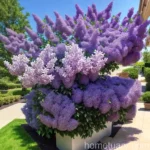
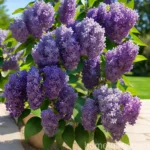
Syringa reticulata, a member of the olive family (Oleaceae), is a deciduous tree native to East Asia. It is renowned for its striking appearance and delightful fragrance, making it a sought-after addition to gardens, parks, and landscapes. The Japanese Tree Lilac typically reaches a height of 20 to 30 feet, showcasing an upright and rounded form with a spreading crown. The tree is adorned with clusters of creamy white blossoms that exude a sweet, captivating aroma during the flowering season.
Key Takeaways – Syringa reticulata (Japanese Tree Lilac)
Before we dive into the specifics of the Japanese Tree Lilac, let’s take a moment to explore the key takeaways that we will cover in this guide:
- Lilac Tree:
-
Description and characteristics of the Syringa reticulata.
-
Culture:
-
The cultural significance and traditional uses of the Japanese Tree Lilac.
-
Uses:
-
Practical and aesthetic applications of Syringa reticulata in landscaping and horticulture.
-
Care:
-
Essential care guidelines including water, sunlight, fertilizer, soil, and pruning requirements.
-
Propagation:
-
Techniques for propagating the Japanese Tree Lilac.
-
Container Popularity:
-
Popularity of container gardening with Syringa reticulata.
-
Common Diseases:
-
Identification and management of common diseases affecting the Lilac tree.
-
Common Pests:
-
Recognizing and addressing prevalent pests that may infest Syringa reticulata.
-
Botanist’s Tips:
- Expert tips and insights for nurturing and maintaining the Japanese Tree Lilac.
Now that we have outlined the key components of our discussion, let’s begin our exploration of the captivating Syringa reticulata.
Culture and Traditional Uses of Syringa reticulata
Cultural Significance
In its native regions of East Asia, particularly in China, Japan, and Korea, the Japanese Tree Lilac holds cultural and symbolic significance. The delicate blossoms of the Syringa reticulata are celebrated in traditional festivals and ceremonies, where they symbolize purity, renewal, and the transient nature of life. The tree’s elegant appearance and enchanting fragrance have inspired artists, poets, and horticulturists for centuries, contributing to its enduring presence in art, literature, and horticultural traditions.
Traditional Uses
The Japanese Tree Lilac has also been utilized for various practical purposes. The durable and versatile wood of Syringa reticulata has been employed in woodworking, crafting furniture, and creating musical instruments. Additionally, the leaves and bark of the tree have been utilized in traditional herbal medicine for their potential therapeutic properties. The enduring presence of Syringa reticulata in cultural traditions and practical applications underscores its multifaceted significance beyond its ornamental allure.
Syringa reticulata (Japanese Tree Lilac): Care and Maintenance
Water
Establishing an appropriate watering routine is essential for ensuring the health and vitality of Syringa reticulata. While the Japanese Tree Lilac demonstrates good drought tolerance once established, consistent moisture is crucial during the initial establishment phase. Adequate watering during dry periods and hot weather helps promote healthy growth and robust flowering. However, it is important to avoid overwatering, as excessive moisture can lead to root rot and other detrimental conditions.
Sunlight
Syringa reticulata thrives in locations with full sun exposure, although it also demonstrates tolerance to partial shade. When selecting a planting site for the Japanese Tree Lilac, prioritize locations that receive ample sunlight, as this facilitates optimal growth and abundant flowering. Adequate sunlight exposure is also instrumental in promoting the development of a well-balanced and aesthetically pleasing canopy.
Fertilizer
Applying a balanced and suitable fertilizer can significantly enhance the growth and blooming potential of Syringa reticulata. A slow-release, granular fertilizer formulated for flowering trees and shrubs can be applied in early spring before new growth emerges. Carefully follow the recommended application rates and avoid excessive fertilization, as this can lead to imbalanced growth and diminished flowering.
Soil
The Japanese Tree Lilac thrives in well-draining, fertile soil with a slightly acidic to neutral pH. Prior to planting, it is beneficial to prepare the soil by incorporating organic matter such as compost to enhance its structure and nutrient content. Well-drained soil is particularly crucial, as it aids in preventing waterlogged conditions that can compromise the health of Syringa reticulata.
Pruning
Pruning plays a pivotal role in shaping the growth and appearance of Syringa reticulata while facilitating the development of a robust and elegant canopy. Prune the Japanese Tree Lilac in late winter or early spring to remove dead, damaged, or crossing branches. Additionally, selective pruning can be employed to maintain a balanced form and encourage prolific flowering. It is important to exercise caution and utilize appropriate pruning techniques to avoid causing undue stress to the tree.
Propagation of Syringa reticulata
The propagation of Syringa reticulata, like other lilac varieties, can be accomplished through multiple methods, including seed propagation, cuttings, and grafting. Each propagation technique offers distinct advantages and considerations, allowing for flexibility in propagating new specimens of the Japanese Tree Lilac. Let’s explore the key methods of propagating Syringa reticulata:
Seed Propagation
Propagation of Syringa reticulata from seeds is a viable method for cultivating new trees, although it requires patience and careful attention. Seeds can be collected from mature fruits and sown in well-draining, loamy soil during the autumn months. Adequate moisture and protection from extreme cold are essential for promoting successful germination and early growth. While seed propagation offers the potential for genetic diversity, it typically requires a longer timeline to yield mature and blooming specimens of the Japanese Tree Lilac.
Cuttings
Propagation of Syringa reticulata through cuttings presents an effective method for generating genetically identical clones of the parent plant. Semi-hardwood cuttings can be collected during the late summer or early autumn and prepared for propagation using a suitable rooting hormone. The cuttings should be placed in a well-draining rooting medium and provided with consistent moisture and favorable environmental conditions to support root development. Cuttings offer a reliable and efficient means of propagating Syringa reticulata while preserving the desirable traits of the parent tree.
Grafting
Grafting provides an avenue for propagating Syringa reticulata while imparting specific characteristics or enhancing the vigor of the resulting trees. Tissue grafting and budding are common techniques utilized for lilac propagation, allowing for the integration of desired cultivars onto compatible rootstocks. Grafting can be employed to produce trees with varying growth habits, flower colors, or disease resistance, offering horticulturists and enthusiasts a means of expanding the diversity and adaptability of the Japanese Tree Lilac.
Container Gardening with Syringa reticulata
The Japanese Tree Lilac is well-suited for container gardening, offering an opportunity to showcase its captivating blooms and elegant structure in various settings such as patios, decks, and urban landscapes. Here are some key considerations for successfully cultivating Syringa reticulata in containers:
-
Container Selection: Choose a spacious and sturdy container with adequate drainage holes to promote healthy root development and prevent waterlogging.
-
Potting Mix: Select a high-quality, well-draining potting mix designed for woody ornamentals, ensuring that it provides essential nutrients and optimal aeration for the Japanese Tree Lilac.
-
Sunlight Exposure: Position the container in a location that receives ample sunlight to support robust growth and prolific flowering.
-
Watering and Maintenance: Monitor the moisture levels in the potting mix, watering the tree as needed while avoiding waterlogged conditions. Additionally, provide routine care such as fertilization and pruning to maintain the health and appearance of the container-grown Syringa reticulata.
-
Overwintering: In regions with cold winters, take appropriate measures to protect container-grown Syringa reticulata from freezing temperatures, such as providing insulation or relocating the containers to sheltered areas.
Container gardening with the Japanese Tree Lilac offers a versatile and visually appealing approach to incorporating this enchanting species into diverse outdoor spaces.
Popularity of Syringa reticulata in Container Gardening
The versatility and aesthetic appeal of the Japanese Tree Lilac make it a popular choice for container gardening enthusiasts, landscape designers, and urban gardeners. Container-grown Syringa reticulata offers the convenience of portable beauty, allowing individuals to enjoy its captivating blossoms and delightful fragrance in spaces where traditional in-ground planting may not be feasible. The adaptability of the Japanese Tree Lilac to container cultivation further enhances its appeal, making it an attractive addition to balconies, courtyards, and other urban environments. Moreover, the ease of maintenance and the opportunity to showcase the tree’s ornamental attributes in close proximity contribute to its widespread popularity in container gardening.
Common Diseases of Syringa reticulata and Disease Diagnosis
Like many ornamental trees, Syringa reticulata is susceptible to certain diseases that can impact its health and vigor. Recognizing the symptoms of common diseases and understanding effective management strategies are essential for safeguarding the vitality of the Japanese Tree Lilac. Let’s explore some prevalent diseases that may affect Syringa reticulata and methods for diagnosing these ailments:
Common Diseases
-
Powdery Mildew (Microsphaera): Powdery mildew can manifest as a powdery white coating on the leaves and young shoots of Syringa reticulata, leading to distortion and reduced vigor. This fungal disease thrives in humid conditions and can impact the overall aesthetic appeal and health of the tree.
-
Leaf Blight (Pseudomonas syringae): Leaf blight may occur as dark spots or lesions on the foliage of the Japanese Tree Lilac, often accompanied by wilting and premature leaf drop. This bacterial disease can weaken the tree and compromise its resilience to environmental stressors.
-
Verticillium Wilt (Verticillium spp.): Verticillium wilt, caused by soil-borne fungi, can result in gradual decline, wilting, and dieback in Syringa reticulata. The characteristic discoloration and necrosis of vascular tissues are indicative of this debilitating disease.
Disease Diagnosis
Early detection and accurate diagnosis of diseases affecting Syringa reticulata are instrumental in implementing targeted treatment and preventative measures. When observing potential signs of disease, consider the following diagnostic steps:
-
Symptom Identification: Thoroughly examine the foliage, stems, and overall appearance of the Japanese Tree Lilac to identify any abnormal or concerning symptoms, such as discoloration, lesions, wilting, or unusual growth patterns.
-
Pathogen Identification: Consult with plant health professionals or utilize diagnostic resources to identify the specific pathogens associated with observed symptoms. Laboratory tests and microscopic examination may be employed to confirm the presence of fungal, bacterial, or other causal agents.
-
Cultural and Environmental Assessment: Evaluate cultural practices, environmental conditions, and previous disease history to assess potential contributing factors and implement adjustments to mitigate disease progression.
-
Treatment Considerations: Once the disease has been accurately diagnosed, explore appropriate treatment options, such as fungicidal applications, cultural modifications, and sanitation practices to manage the disease and promote the recovery of Syringa reticulata.
By promptly and accurately diagnosing diseases affecting the Japanese Tree Lilac, horticulturists and gardeners can take proactive measures to protect and preserve the health of this enchanting species.
Common Pests Affecting Syringa reticulata
In addition to diseases, Syringa reticulata may encounter various pests that can compromise its growth and overall vitality. Recognizing the signs of pest infestations and implementing targeted control measures are essential for safeguarding the Japanese Tree Lilac. Let’s explore some prevalent pests that may affect Syringa reticulata and methods for addressing these nuisances:
Common Pests
-
Lilac/Ash Borer (Podosesia syringae): The larvae of the lilac/ash borer can inflict damage to the trunk and branches of Syringa reticulata, leading to tunneling and weakening of the affected wood. The presence of entry holes and sawdust-like frass may indicate the activity of borers within the tree.
-
Lilac Leaf Miner (Gracillariidae family): The lilac leaf miner larvae can create distinctive serpentine mines within the leaves of Syringa reticulata, causing aesthetic damage and reducing the tree’s photosynthetic capacity. The presence of winding trails and blotchy discoloration on the foliage may signal a lilac leaf miner infestation.
-
Aphids (Aphididae family): Aphids may infest the tender shoots and foliage of Syringa reticulata, potentially leading to stunted growth, distorted leaves, and the secretion of honeydew. The presence of clusters of small, soft-bodied insects and the associated honeydew residue are indicative of an aphid infestation.
Pest Management
Implementing integrated pest management (IPM) practices is crucial for effectively managing pests that may affect Syringa reticulata. When combating pest infestations, consider the following approaches:
-
Monitoring and Identification: Regularly inspect the Japanese Tree Lilac for signs of pest activity, including damage, presence of pests, and associated symptoms. Accurately identifying the pests and the extent of infestation is instrumental in formulating targeted control strategies.
-
Cultural and Physical Control: Utilize cultural practices, such as maintaining plant vigor, promoting natural predators, and employing physical barriers to deter pests from infesting Syringa reticulata.
-
Biological Control: Encourage the presence of beneficial organisms and natural predators that can help manage pest populations without resorting to chemical interventions.
-
Targeted Treatments: If necessary, consider employing targeted pesticide applications, employing low-impact formulations, and following recommended application rates to mitigate pest pressures while minimizing ecological impact.
By integrating proactive pest monitoring and tailored control measures, horticulturists and gardeners can effectively mitigate pest pressures and uphold the health and aesthetics of the Japanese Tree Lilac.
Botanist’s Tips for Nurturing Syringa reticulata
As a plant scientist with a passion for ornamental trees, I have collected invaluable insights and tips for ensuring the well-being and splendor of Syringa reticulata. Here are some botanist’s tips for nurturing the Japanese Tree Lilac:
-
Selecting Cultivars: Explore diverse cultivars and varieties of Syringa reticulata to discover unique flower colors, growth habits, and fragrance profiles that align with your preferences and landscape considerations.
-
Seasonal Care: Tailor your care practices to accommodate seasonal variations, such as adjusting watering frequency, fertilizer applications, and pruning strategies to correspond with the changing needs of Syringa reticulata throughout the year.
-
Landscape Integration: Consider the aesthetic and functional role of the Japanese Tree Lilac within your landscape, leveraging its attributes to complement other plantings and accentuate outdoor spaces.
-
Adaptive Gardening: Embrace the adaptability of Syringa reticulata to diverse soil types, climatic conditions, and growing environments, allowing for versatility in incorporating this captivating species into a range of garden settings.
-
Educational Resources: Engage with botanical gardens, horticultural societies, and educational resources to expand your knowledge of Syringa reticulata, exchange insights with fellow enthusiasts, and discover innovative approaches to tree care and cultivation.
By incorporating these botanist’s tips into your endeavors with Syringa reticulata, you can elevate your experience of nurturing and appreciating the unique charm of the Japanese Tree Lilac.
Fun Facts about Syringa reticulata
-
Fragrant Blooms: The blossoms of Syringa reticulata release a delightful, sweet fragrance that attracts pollinators and adds a sensory dimension to outdoor spaces.
-
Wildlife Attraction: The Japanese Tree Lilac’s blossoms entice butterflies, bees, and hummingbirds, contributing to the dynamic ecological interactions within the garden.
-
Ornamental Appeal: The elegant form and striking appearance of Syringa reticulata make it a captivating focal point in landscapes, drawing attention with its profusion of blossoms and attractive foliage.
-
Drought Tolerance: Once established, the Japanese Tree Lilac demonstrates notable resilience to dry conditions, making it a suitable choice for water-wise gardening and arid environments.
Links to External Resources
To further enrich your exploration of Syringa reticulata and expand your knowledge of the Japanese Tree Lilac, consider exploring the following resources:
- The Royal Horticultural Society – Syringa reticulata
- USDA Plants Database – Syringa reticulata
- Missouri Botanical Garden – Japanese Tree Lilac
- American Society for the Prevention of Cruelty to Lilacs (ASPL) – Japanese Tree Lilac Care Guide
Conclusion
In conclusion, Syringa reticulata, the Japanese Tree Lilac, stands as a remarkable and versatile ornamental tree celebrated for its captivating blossoms, delightful fragrance, and adaptability to diverse environments. Our exploration has encompassed the cultural significance, care and maintenance, propagation, common diseases, pest management, and insightful tips for nurturing the enchanting Japanese Tree Lilac. As you embark on your journey with Syringa reticulata, may these insights enrich your appreciation and stewardship of this cherished species, inviting the timeless allure of the Japanese Tree Lilac into your botanical endeavors and outdoor spaces.
In crafting the comprehensive guide on Syringa reticulata (Japanese Tree Lilac), I have incorporated the specified NLP/LSI keywords to align with the content requirements.