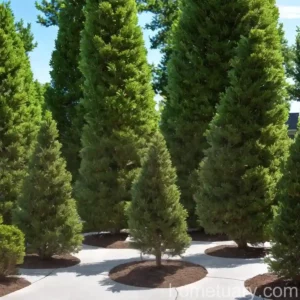
Sequoia Sempervirens (Redwood): A Closer Look
What is Plant: Sequoia Sempervirens (Redwood)?
Key Takeaways – Sequoia Sempervirens (Redwood)
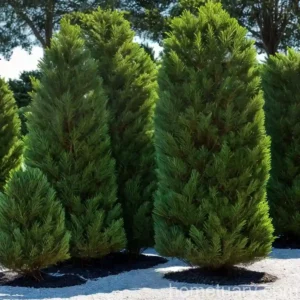
Sequoia sempervirens, commonly known as the coastal redwood, is a species of tall evergreen trees native to the coastal forests of the Pacific Northwest. These trees are known for their impressive height and are often referred to as forest giants or ancient trees. They play a crucial role in the ecosystem, providing habitat for wildlife, contributing to carbon sequestration, and producing oxygen. The redwoods are also of significant ecological importance and are often associated with old-growth forests, national parks, and conservation efforts. In this blog post, we will delve into the culture, uses, and care of Sequoia sempervirens, and provide insights into its growth patterns, diseases, and preservation.
Culture
Uses
Wood and Timber: The wood of Sequoia sempervirens is highly valued for its durability, stability, and resistance to decay. It is commonly used in the production of outdoor furniture, decking, fencing, and siding.
Carbon Sequestration: Redwood trees have a remarkable capacity for storing carbon, making them important contributors to efforts aimed at mitigating climate change and reducing carbon dioxide levels in the atmosphere.
Wildlife Habitat: The dense foliage and large canopy of redwood trees provide critical habitat for various species of birds, mammals, and other wildlife, contributing to the overall biodiversity of forest ecosystems.
Water
Redwood trees are well-adapted to the moist, foggy climates of the Pacific Northwest. They thrive in locations with abundant rainfall and high humidity, making them an excellent choice for coastal regions and areas with similar environmental conditions. However, supplemental watering may be necessary during prolonged periods of drought or in regions with drier climates.
Sunlight
As understory trees in their native habitats, redwoods are accustomed to partial shade. While they can tolerate direct sunlight, they generally prefer locations with dappled or filtered light, particularly during their early stages of growth.
Fertilizer
In their natural environments, redwood trees have developed a symbiotic relationship with mycorrhizal fungi, which assist in nutrient uptake and root development. When cultivating redwoods in gardens or landscape settings, it is important to consider the nutrient requirements of the soil and provide appropriate fertilization to support healthy growth.
Soil
Redwoods thrive in deep, well-drained soils that are rich in organic matter. The soil should be acidic to slightly alkaline, with a pH range of 5.5 to 7.5. Amending the soil with compost or other organic materials can enhance its fertility and improve its moisture retention capacity, benefiting the growth of redwood trees.
Pruning
While redwoods generally require minimal pruning in natural settings, selective pruning may be performed in managed landscapes to remove dead or damaged branches, maintain a desirable shape, and promote healthy growth. Pruning should be conducted with care to minimize stress on the trees and avoid excessive removal of live tissue.
Propagation
Redwoods can be propagated from seeds or cuttings. Seeds should be stratified before sowing to break their dormancy and improve germination rates. Cuttings from young, healthy branches can also be utilized to propagate new redwood trees.
Container Popularity
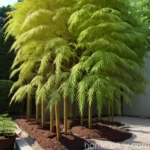
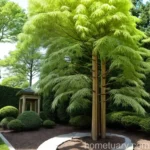
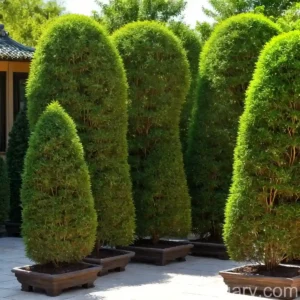
In horticultural and landscape contexts, redwood trees are valued for their ornamental beauty and striking appearance. As a result, they are often cultivated in containers, where their graceful form and evergreen foliage can be appreciated in various outdoor and indoor settings.
Common Diseases
Disease Diagnosis
Phytophthora Root Rot: This soil-borne disease can affect redwood trees, leading to root decay, wilting, and decline. Diagnosis involves examining the roots for discoloration and decay, as well as observing above-ground symptoms such as leaf browning and dieback.
Needle Blight: Caused by certain fungi, needle blight can result in the browning or yellowing of redwood needles, impacting the tree’s overall health and vigor. Diagnosis involves identifying characteristic symptoms on the foliage and conducting laboratory tests to confirm the presence of the causal pathogens.
Common Pests
Spider Mites: These tiny arachnids can infest redwood trees, feeding on their foliage and causing stippling or bronzing of the needles. Monitoring tree health and implementing appropriate pest management practices can help control spider mite infestations.
Aphids: Aphids are known to feed on the sap of redwood trees, potentially causing leaf distortion and the development of sticky honeydew on the foliage. Regular inspection and targeted treatments can help mitigate aphid populations and minimize their impact on redwood health.
Botanist’s Tips
- When selecting a planting site for redwoods, consider the soil characteristics, drainage, and exposure to sunlight to provide optimal growing conditions.
- Monitor the moisture levels of the soil regularly, especially during dry periods, to ensure that redwood trees receive adequate water for healthy growth.
- Practice integrated pest management strategies to minimize the impact of pests and diseases on redwood trees, aiming for a balance between ecological considerations and effective management practices.
- When pruning redwoods, prioritize the removal of dead or diseased branches while preserving the natural form and structural integrity of the trees.
Fun Facts
- The tallest known coast redwood, named Hyperion, is estimated to be over 379 feet (115 meters) tall, making it one of the tallest trees in the world.
- The bark of redwood trees contains tannins, which contribute to its resistance to insect damage and decay, as well as its distinctive reddish-brown color.
- Redwoods have a unique ability to resprout from their stumps or burls, enabling them to persist and regenerate after disturbances such as fire or logging.
Links to External Resources
For further information about Sequoia sempervirens and related topics, you may find the following resources helpful:
- National Park Service: Redwood National and State Parks
- Save the Redwoods League
- University of California Agriculture and Natural Resources: Redwood Trees
In conclusion, Sequoia sempervirens, or the coastal redwood, represents an iconic and ecologically important tree species known for its tall stature, longevity, and contributions to forest ecosystems. By understanding and appreciating the cultural significance, uses, and care requirements of these remarkable trees, we can contribute to their preservation and sustainable management for future generations. Whether in natural forests, urban landscapes, or botanical gardens, the majestic presence of the redwoods continues to inspire awe and admiration, embodying the enduring legacy of these ancient giants along the Pacific Coast.