The Beauty of Syringa vulgaris ‘Katherine Havemeyer’ (Lilac)
Lilacs have always held a special place in the hearts of gardeners and plant enthusiasts with their delicate fragrant flowers and elegant appearance. Among the diverse variety of lilacs, the Syringa vulgaris ‘Katherine Havemeyer’ stands out for its exquisite beauty and enchanting fragrance. This blog post aims to provide a comprehensive guide for plant enthusiasts, gardeners, and horticulturists on understanding, planting, and caring for the Syringa vulgaris ‘Katherine Havemeyer.
What is Syringa vulgaris ‘Katherine Havemeyer’ (Lilac)?
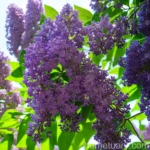
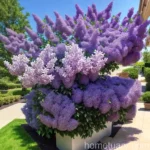
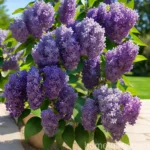
Syringa vulgaris ‘Katherine Havemeyer’ is a stunning flowering shrub that belongs to the family Oleaceae, which is known for its enchanting fragrance and beautiful spring blooms. This particular lilac variety is cherished for its graceful, single, lavender-pink flowers that bloom in abundance during late spring. The fragrance is sweet and captivating, making it a delightful addition to any garden or landscape.
The name ‘Syringa‘ is derived from the Greek word ‘syrinx‘, which translates to pipe or tube, attributing to the hollow stems of the plant. The species name ‘vulgaris‘ refers to its widespread cultivation and popularity. The cultivar name ‘Katherine Havemeyer‘ is a dedication to the American horticulturist and philanthropist, Mrs. Katherine S. White Havemeyer, who significantly contributed to horticulture and the preservation of gardens.
This variety is known for its upright, multi-stemmed habit and can grow to a height of 8-12 feet, with a spread of 6-10 feet. Its lush green foliage provides an attractive backdrop for the profusion of colorful, fragrant flowers.
Key Takeaways – Syringa vulgaris ‘Katherine Havemeyer’ (Lilac)
Before delving into the specific details of cultivating and caring for Syringa vulgaris ‘Katherine Havemeyer, let’s highlight some key takeaways about this captivating plant:
- Scientific Name: Syringa vulgaris ‘Katherine Havemeyer’
- Common Name: Lilac
- Foliage: Deciduous
- Flower Color: Lavender-pink
- Fragrance: Sweet and captivating
- Preferred Soil pH: Slightly acidic to neutral
- Sunlight: Full sun to partial shade
- Mature Height: 8-12 feet
- Mature Spread: 6-10 feet
- USDA Hardiness Zones: 3-7
- Landscape Use: Borders, hedges, specimen plant
- Bloom Time: Late spring
Now, let’s dive into the comprehensive guide for cultivating and caring for this beautiful lilac variety.
Cultivation and Care Guide for Syringa vulgaris ‘Katherine Havemeyer’ (Lilac)
The successful cultivation of Syringa vulgaris ‘Katherine Havemeyer relies on providing the ideal growing conditions and proper maintenance. This section will cover various aspects of care and maintenance, from watering and sunlight requirements to soil composition and pest control.
Water
Lilacs, including Syringa vulgaris ‘Katherine Havemeyer, generally prefer moist but well-draining soil. Proper watering is vital, especially during the plant’s establishment phase and in hot, dry weather.
Watering Tips:
- Ensure moderate and consistent soil moisture.
- Water deeply, allowing the top 2-3 inches of soil to dry out between watering sessions.
- Avoid overwatering, as it can lead to root rot and other fungal diseases.
Sunlight
Syirnga vulgaris Species generally thrive in full sun to partial shade conditions. Adequate sunlight is crucial for the plant’s overall health, flower production, and fragrance development.
Sunlight Requirements:
- Aim to provide at least 6-8 hours of direct sunlight per day for abundant blooming and sturdy growth.
- In hotter regions, some afternoon shade can be beneficial to protect the plant from excessive heat.
Fertilizer
Fertilizing lilacs is essential for promoting healthy growth, abundant blooms, and strong fragrance. However, it’s crucial to apply the right type of fertilizer and follow a suitable schedule.
Fertilizing Tips:
- Use a balanced, slow-release fertilizer with an NPK ratio of 10-10-10 or similar in early spring, just before new growth emerges.
- Avoid excessive use of high-nitrogen fertilizers, as they can stimulate lush foliage growth at the expense of flower production.
Soil
Well-draining and nutrient-rich soil is essential for the successful growth of Syringa vulgaris ‘Katherine Havemeyer. Understanding the soil composition and pH requirements is crucial for maintaining a healthy plant.
Best Soil for Lilacs:
- Opt for loamy, well-draining soil with a slightly acidic to neutral pH (6.0-7.0).
- Incorporate organic matter such as compost or well-rotted manure into the soil to improve its structure and fertility.
Pruning
Pruning is a vital aspect of lilac maintenance, contributing to improved flowering, shape control, and overall plant health. Knowing the correct timing and techniques for pruning is essential.
Pruning Techniques:
- Prune immediately after flowering, as Syringa vulgaris ‘Katherine Havemeyer sets flower buds in early summer for the following year.
- Remove spent flowers and any dead or diseased wood.
- Avoid heavy pruning, as it can reduce flowering in the following season.
Propagation
Propagating Syringa vulgaris ‘Katherine Havemeyer allows gardeners to multiply their cherished plants or share them with others. Understanding the propagation methods is beneficial for expanding the lilac’s presence in the landscape.
Propagation Methods:
- Propagate through softwood cuttings taken in early summer or hardwood cuttings in late fall or winter.
- Layering and division are alternative methods for increasing lilac plants.
Container Cultivation
Growing Syringa vulgaris ‘Katherine Havemeyer in containers is an excellent option for individuals with limited garden space, as well as for those who wish to enjoy the beauty and fragrance of lilacs on patios and balconies.
Container Cultivation Tips:
- Choose a large container with adequate drainage holes to accommodate the plant’s mature size.
- Use a high-quality, well-draining potting mix and ensure regular watering and fertilizing.
Popularity
The popularity of Syringa vulgaris ‘Katherine Havemeyer is evident not only through its enchanting beauty but also its significance in various cultural and horticultural contexts.
Cultural Significance:
- Lilacs, including Syringa vulgaris, hold symbolic value in many cultures, often representing love, renewal, and remembrance.
- They are commonly featured in literature, poetry, and art, further enhancing their cultural significance.
Common Diseases and Pests
Despite its resilience, Syringa vulgaris ‘Katherine Havemeyer is susceptible to certain diseases and pests. Understanding these potential threats is crucial for timely intervention and effective management.
Common Diseases
- Powdery Mildew: A fungal disease characterized by a white, powdery coating on the leaves, stems, and flowers.
- Bacterial Blight: Causes wilting, browning, and dieback of the plant’s shoots and foliage.
- Lilac Wilt: A serious fungal disease that leads to wilting, browning, and eventual death of the plant.
Disease Diagnosis
Proper diagnosis of diseases affecting Syringa vulgaris ‘Katherine Havemeyer is vital for implementing the most effective control measures.
Diagnosis Tips:
- Observe the plant for visible symptoms such as leaf discoloration, wilting, or abnormal growth.
- Consult with local horticultural experts or extension services for accurate disease diagnosis and treatment recommendations.
Common Pests
- Lilac/Ash Borer: Larvae bore into the stems, disrupting the plant’s vascular system and causing decline.
- Lilac Leafminer: The larvae of this insect feed within the leaves, causing unsightly tunnels and damage.
- Lilac Aphid: These sap-sucking insects can distort new growth and excrete honeydew, leading to sooty mold development.
Botanist’s Tips
As we explore the world of Syringa vulgaris ‘Katherine Havemeyer, it’s important to consider some additional insights and tips from botanists and plant experts.
Expert Tips:
- Regularly monitor the plant for signs of stress, disease, or pest infestations.
- Consider companion planting with aromatic herbs or other ornamental plants to attract beneficial insects and repel pests.
Fun Facts about Syringa vulgaris ‘Katherine Havemeyer (Lilac)
Delving into the realm of fun and interesting facts about lilacs can deepen our appreciation for this beloved flowering shrub.
Did You Know?
- The fragrance of lilacs is known to have a calming and soothing effect, often used in aromatherapy and perfumery.
- Lilac blossoms are edible and can be utilized in various culinary creations, including syrups, tarts, and floral-infused desserts.
Links to External Resources
As we conclude our comprehensive guide to Syringa vulgaris ‘Katherine Havemeyer (Lilac), here are some valuable external resources for further exploration and reference:
- The Spruce – How to Grow and Care for Lilac Bushes
- USDA Plant Guide – Common Lilac
- Royal Horticultural Society – Lilac Care and Growing Guide
In this blog post, we’ve embarked on a journey to uncover the charm and allure of Syringa vulgaris ‘Katherine Havemeyer (Lilac). From its captivating fragrance to its cultural significance, this beloved flowering shrub continues to captivate the hearts and gardens of enthusiasts worldwide. By understanding the best practices for cultivation and caring for the Katherine Havemeyer lilac, we can ensure its enduring beauty and fragrance for generations to come.
Let’s continue to celebrate and cherish the enchanting presence of Syringa vulgaris ‘Katherine Havemeyer in our landscapes, gardens, and hearts.