Saintpaulia Ionantha (African Violet)
Saintpaulia ionantha, commonly known as African Violet, is a popular houseplant admired for its delicate and colorful flowers. As a plant scientist, I am.
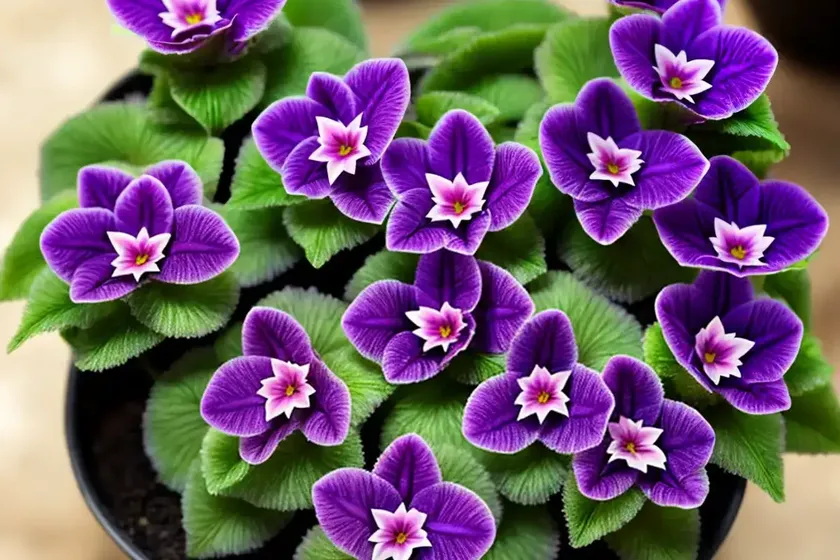
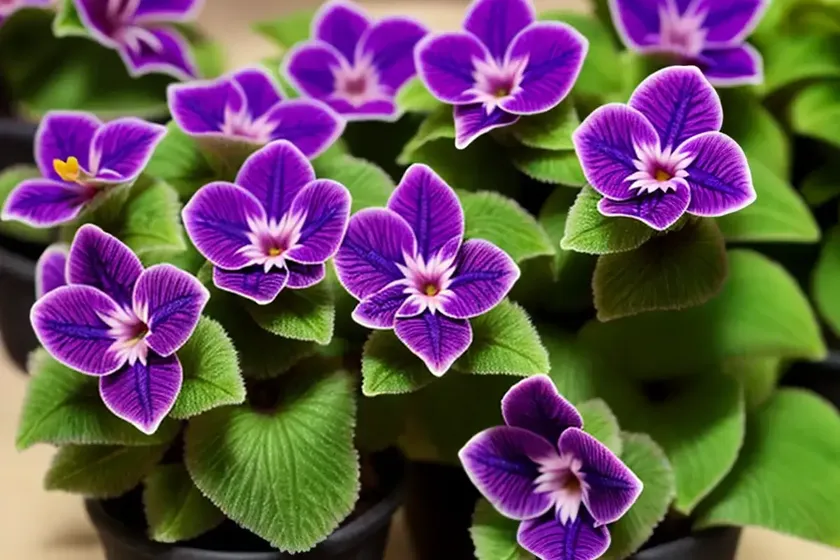
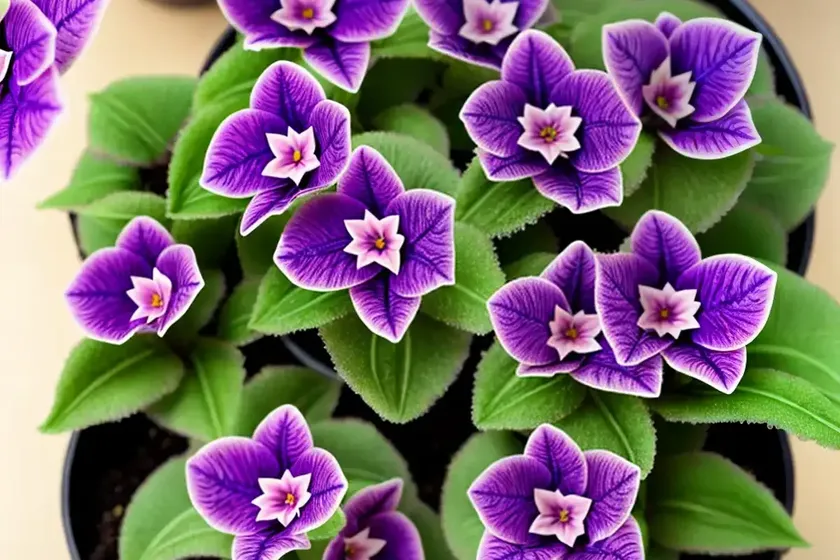
Introduction to Saintpaulia ionantha
Saintpaulia ionantha, commonly known as African Violet, is a popular houseplant admired for its delicate and colorful flowers. As a plant scientist, I am delighted to present this comprehensive guide that covers every aspect of caring for and growing Saintpaulia ionantha. From its cultural requirements to propagation techniques and common diseases, this article aims to provide plant enthusiasts and gardening novices with a detailed understanding of this charming plant.
Key Takeaways – Saintpaulia ionantha (African Violet)
Culture
The culture of Saintpaulia ionantha involves understanding its native habitat, growth habits, and environmental preferences.
Uses
African Violets are not only visually appealing but also have potential uses beyond ornamental purposes.
Water
Understanding the water requirements of African Violets is crucial for their health and vitality.
Sunlight
Balanced exposure to sunlight is essential for the optimal growth of Saintpaulia ionantha.
Fertilizer
Choosing the right fertilization regimen is pivotal for promoting prolific flowering and lush foliage in African Violets.
Soil
A suitable potting mix and soil composition are critical for the overall well-being of Saintpaulia ionantha.
Pruning
Pruning techniques ensure that African Violets maintain an attractive and compact appearance while encouraging new growth.
Propagation
Learning about the propagation methods empowers enthusiasts to expand their collection of African Violets.
Container
Selecting an appropriate container is an essential consideration in the successful cultivation of Saintpaulia ionantha.
Popularity
Understanding the widespread popularity of African Violets provides insights into its appeal and significance in horticulture.
Common Diseases
Recognizing and addressing common diseases is crucial for preserving the health of African Violets.
Disease Diagnosis
Understanding the symptoms and causes of diseases aids in the prompt diagnosis and treatment of health issues in African Violets.
Common Pests
Identifying common pests is crucial for implementing effective pest control methods and maintaining the vigor of African Violets.
Botanist’s Tips
Insights and tips from botanists can enhance the cultivation and care of Saintpaulia ionantha.
Fun Facts
Exploring interesting and lesser-known facts about African Violets adds depth to our appreciation of this delightful plant.
What is Saintpaulia ionantha (African Violet)?
Saintpaulia ionantha, known for its common name African Violet, is a flowering plant native to Tanzania and southeastern Kenya. These exquisite plants are treasured for their dainty and vibrant flowers which bloom in a wide array of colors, including shades of purple, blue, pink, and white. African Violets belong to the family Gesneriaceae and are characterized by their rosette of velvety leaves and delicate, five-petaled blooms.
Botanical Details
- Scientific Name: Saintpaulia ionantha
- Family: Gesneriaceae
- Common Name: African Violet
- Origin: Tanzania and southeastern Kenya
- Foliage: Velvety, oval-shaped leaves in a rosette formation
- Flowers: Five-petaled, trumpet-shaped flowers in various colors
African Violets are well-suited for indoor cultivation, making them a popular choice for houseplant enthusiasts. Their compact size and prolific flowering make them an excellent addition to windowsills, shelves, and desktops. To ensure the successful cultivation of African Violets, it is essential to understand and cater to their specific cultural requirements, which we will explore in detail throughout this guide.
African Violet Plant Care
The care of Saintpaulia ionantha, commonly referred to as African Violet, encompasses various aspects, ranging from environmental conditions to watering, fertilization, and pest management. Below, we will delve into the key elements of African Violet plant care, providing comprehensive insights into the optimal methods for promoting the health and vigor of these beloved plants.
Saintpaulia ionantha Varieties
African Violets boast a remarkable diversity of varieties, each characterized by distinct flower colors, leaf shapes, and growth habits. From single-colored blooms to variegated foliage, the variety within the Saintpaulia ionantha species offers a delightful assortment for plant enthusiasts. Exploring and appreciating the diverse varieties of African Violets adds depth to our understanding of these charming plants.
Figure 1: Examples of Saintpaulia ionantha Varieties
| Variety | Description |
|---|---|
| Optimara Violets | Renowned for their hardiness and wide range of colors, including pink, purple, and white. |
| Rob’s African Violets | Known for their rich and vibrant flower colors, often with intricate patterns and markings on the petals. |
| Semiminiature Violets | Characterized by their compact size and profusion of blooms, ideal for smaller spaces and miniature gardens. |
| Variegated Foliage Violets | These varieties exhibit stunning variegation on their leaves, featuring patterns of white, cream, or pink. |
| Trailer Violets | Trailers are valued for their cascading growth habit, making them ideal for hanging baskets and elevated planters. |
Exploring the diverse array of African Violet varieties offers an enriching experience for plant enthusiasts, allowing them to appreciate the unique characteristics and beauty of each cultivar.
African Violet Leaves
The foliage of African Violets is a defining feature, contributing to their allure and visual appeal. The velvety leaves of Saintpaulia ionantha form a rosette, creating a lush and compact presence that complements the delicate flowers. Understanding the characteristics of African Violet leaves and their role in the plant’s overall growth and development is essential for cultivating healthy and vibrant specimens.
Leaf Shape and Texture
- Oval-shaped: The leaves of African Violets typically exhibit an oval or rounded shape, contributing to the plant’s symmetrical appearance.
- Velvety Texture: The leaves are adorned with a velvety texture, enhancing their ornamental value and tactile appeal.
- Variegation: Certain varieties feature variegated foliage, showcasing patterns of white, cream, or pink intermingled with green.
African Violet Flowers
The charming and abundant flowers of African Violets serve as a principal attraction, captivating enthusiasts with their range of colors and dainty appearance. The distinct characteristics of Saintpaulia ionantha flowers contribute to their widespread popularity and significance in horticulture.
Flower Colors
- Purple and Violet: Shades of purple and violet are among the most common colors found in African Violet blooms, ranging from deep, royal purples to soft lavender hues.
- Pink: Pink hues, from delicate pastels to vibrant pinks, grace the petals of numerous African Violet varieties, adding a touch of femininity and charm.
- Blue: Although true blue flowers are rare in the plant kingdom, certain African Violets display delicate blue tones, captivating admirers with their uniqueness.
- White: The purity and elegance of white blooms are showcased in various African Violet cultivars, exuding a sense of serenity and timelessness.
The diversity of flower colors contributes to the appeal of African Violets, offering a spectrum of hues to suit different preferences and design aesthetics.
How to Grow African Violets
Cultivating African Violets successfully involves creating an environment that meets their specific requirements for light, water, humidity, and temperature. Additionally, understanding the cultivation methods, including potting soil, repotting, and reflowering techniques, is essential for fostering healthy growth and abundant blooms in Saintpaulia ionantha.
African Violet Propagation
Propagating African Violets enables enthusiasts to expand their collection, share plants with fellow gardeners, and preserve cherished varieties. Exploring the propagation techniques, such as leaf cuttings and division, provides insights into the fascinating process of creating new plants from existing specimens.
Leaf Propagation Method
Leaf propagation is a popular and reliable method for multiplying African Violets, allowing enthusiasts to produce new plants from healthy, mature leaves. This technique offers an accessible and rewarding way to propagate Saintpaulia ionantha, fostering a deeper connection with the plant’s life cycle and growth process.
Division and Offsets
Besides leaf propagation, dividing mature African Violet plants and harvesting offsets are effective techniques for generating new specimens. These methods contribute to the expansion of African Violet collections and provide opportunities for sharing plants with fellow enthusiasts.
African Violet Potting Soil
Selecting the appropriate potting soil for African Violets is essential for providing an optimal growing medium that supports root health, hydration, and nutrient uptake. Understanding the characteristics of suitable potting mixes and soil compositions is pivotal for creating an environment conducive to the flourishing of Saintpaulia ionantha.
Well-Draining Soil
African Violets thrive in well-draining soil that offers adequate aeration while retaining moisture to sustain their growth and vitality. Soil mixes tailored for optimal drainage and water retention are instrumental in promoting the health of African Violets.
Soil pH Considerations
Maintaining an optimal soil pH is critical for the nutrient uptake and overall well-being of African Violets. An acidic to neutral pH range is recommended for supporting the growth and blooming potential of Saintpaulia ionantha.
Saintpaulia ionantha Lighting Requirements
Balanced exposure to natural or artificial light is essential for the photosynthetic processes and development of African Violets. Meeting their lighting requirements is fundamental for promoting lush foliage and abundant flowering in these charming plants.
Indirect Sunlight
African Violets thrive in bright, indirect light that mimics their natural habitat’s dappled sunlight and filtered rays. Providing suitable light conditions ensures the optimal growth and blooming of Saintpaulia ionantha.
Artificial Lighting
In indoor environments with limited natural light, supplemental artificial lighting can be employed to support the growth and flowering of African Violets. Understanding the considerations for using grow lights and lighting duration enhances the cultivation of these light-loving plants.
African Violet Watering Tips
Proper watering practices are pivotal for the health and vitality of African Violets, contributing to root health, hydration, and overall plant vigor. Understanding the nuances of watering techniques and frequency ensures the thriving of Saintpaulia ionantha.
Bottom Watering Method
Bottom watering is a recommended technique for African Violets, allowing the plant to draw water from the base and effectively hydrate the roots while avoiding moisture on the leaves. Implementing this method supports healthy growth and minimizes the risk of leaf damage due to water contact.
Consistent Moisture
Maintaining consistent moisture levels in the potting soil is essential for sustaining the health and blooming of African Violets. Avoiding extremes of dryness or waterlogging fosters optimal growing conditions for Saintpaulia ionantha.
African Violet Pests and Diseases
Addressing common pests and diseases is integral to maintaining the health and vitality of African Violets. Recognizing the symptoms, implementing effective control measures, and preserving the well-being of Saintpaulia ionantha are essential considerations for plant enthusiasts.
African Violet Common Diseases
African Violets are susceptible to certain diseases that can impact their foliage, flowering, and overall vigor. Understanding the common diseases and their symptoms equips plant caregivers with the knowledge to identify and address health issues in Saintpaulia ionantha.
Crown Rot
Crown rot, caused by excessive moisture and poor ventilation, can affect the crown and roots of African Violets, leading to wilting and decline. Implementing measures to improve soil drainage and air circulation is crucial for preventing crown rot and preserving the health of Saintpaulia ionantha.
Powdery Mildew
Powdery mildew is a fungal disease that can affect the leaves and flowers of African Violets, presenting as white, powdery patches on the foliage. Managing environmental humidity and employing appropriate fungicidal treatments aid in preventing and mitigating powdery mildew on Saintpaulia ionantha.
Botrytis Blight
Botrytis blight, or gray mold, can impact African Violets during periods of high humidity and poor air circulation, manifesting as grayish mold on the foliage and flowers. Enhanced ventilation and cultural practices that minimize excess moisture support the prevention and management of botrytis blight in Saintpaulia ionantha.
African Violet Common Pests
Identifying and managing common pests that affect African Violets is essential for maintaining the plant’s health and aesthetics. Recognizing pest infestations and implementing appropriate control measures are vital for preserving the vitality and ornamental value of Saintpaulia ionantha.
Aphids
Aphids are sap-sucking insects that can infest African Violets, causing distorted growth and damage to the foliage. Employing natural predators, such as ladybugs, or using insecticidal soaps effectively controls aphid populations on Saintpaulia ionantha.
Spider Mites
Spider mites are microscopic pests that can inflict damage on African Violet leaves, leading to stippling and webbing. Implementing regular monitoring and employing horticultural oils or miticides aids in managing spider mite infestations and preserving the health of Saintpaulia ionantha.
Mealybugs
Mealybugs are soft-bodied insects that can cluster on African Violet foliage, excreting honeydew and causing leaf damage. Employing gentle cleaning methods and introducing natural predators, such as parasitic wasps, supports the control of mealybug infestations on Saintpaulia ionantha.
Understanding the symptoms and control methods for common diseases and pests equips plant caregivers with the knowledge and tools to maintain the well-being of African Violets and mitigate potential threats to their health.
African Violet Fertilizer
Applying suitable fertilizers is essential for providing African Violets with the nutrients necessary for vigorous growth and abundant flowering. Understanding the type, frequency, and dosage of fertilization contributes to the well-being and ornamental value of Saintpaulia ionantha.
Balanced Fertilizer Formulas
Balanced fertilizers tailored for flowering houseplants are well-suited for African Violets, providing essential nutrients to support their growth and blooming potential. Selecting fertilizers with appropriate N-P-K ratios and micronutrient content promotes the health and vigor of Saintpaulia ionantha.
Application Frequency
Fertilizer application frequency is a critical consideration, balancing the plant’s nutrient requirements with the potential for over-fertilization. Implementing a consistent but judicious fertilization regimen sustains the growth and flowering of African Violets without risking nutrient imbalances.
Liquid vs. Solid Fertilizers
Liquid fertilizers and slow-release, granular formulations offer distinct advantages for nourishing African Violets. Understanding the characteristics and application methods of these fertilizer types supports the effective and sustainable nutrition of Saintpaulia ionantha.
African Violet Repotting Guide
Repotting African Violets is an essential practice that rejuvenates the plant, provides fresh growing medium, and supports continued growth and blooming. Understanding the optimal timing, techniques, and considerations for repotting contributes to the health and longevity of Saintpaulia ionantha.
Signs for Repotting
Observing specific indicators, such as root crowding, declining growth, and loss of blooming, assists in determining the appropriate timing for repotting African Violets. Recognizing the signals that warrant repotting supports the proactive care and well-being of Saintpaulia ionantha.
Soil Renewal
Repotting presents an opportunity to refresh the potting soil, ensuring that African Violets have access to a nutrient-rich and well-draining growing medium. Employing suitable potting mixes and addressing soil compaction contributes to the thriving and vitality of Saintpaulia ionantha.
Container Selection
Choosing the right container for repotting African Violets is crucial for providing adequate space, drainage, and stability. Selecting appropriately sized pots and considering pot materials supports the successful repotting and ongoing growth of Saintpaulia ionantha.
Common African Violet Problems
Understanding and addressing common problems that affect African Violets, such as wilting, leaf discoloration, and leaf curling, is essential for maintaining the health and vibrancy of these charming plants. Recognizing the signs and implementing targeted solutions supports the resilience and ornamental value of Saintpaulia ionantha.
African Violet Wilting
Wilting in African Violets can result from factors such as overwatering, under-watering, or root-related issues, necessitating prompt identification and intervention to restore the plant’s vigor. Implementing appropriate watering practices and addressing root health supports the resolution of wilting in Saintpaulia ionantha.
Leaf Discoloration
Leaf discoloration, including yellowing, browning, or spotting, can indicate underlying issues related to nutrient deficiencies, water stress, or pest damage. Addressing the root causes and providing targeted care supports the restoration of foliage color and health in African Violets.
African Violet Leaf Curling
Leaf curling in African Violets can stem from environmental stress, pest infestations, or improper watering, prompting the need for attentive care and intervention to alleviate the issue. Recognizing the factors contributing to leaf curling and implementing corrective measures ensures the well-being and aesthetic appeal of Saintpaulia ionantha.
African Violet Indoor Gardening
Embracing African Violets as indoor garden companions enriches living spaces with their vibrant blooms, lush foliage, and air-purifying qualities. Exploring the nuances of indoor gardening with Saintpaulia ionantha provides insights into creating thriving and aesthetically pleasing environments.
Humidity Preferences
African Violets favor moderate to high humidity levels, mirroring their native habitat’s moist and tropical conditions. Employing humidity-enhancing methods, such as pebble trays or room humidifiers, supports the well-being and ornamental value of Saintpaulia ionantha in indoor settings.
Air Circulation
Providing adequate air circulation is essential for preventing issues such as fungal diseases and improving the overall growing conditions for African Violets. Implementing strategies to enhance air circulation supports the health and vitality of Saintpaulia ionantha in indoor environments.
Saintpaulia ionantha Species
The Saintpaulia ionantha species encompasses a captivating array of cultivated varieties, each offering distinct characteristics and ornamental features. Exploring the diversity and beauty of Saintpaulia ionantha species enriches the understanding and appreciation of African Violets as beloved houseplants.
African Violet Plant Health
Maintaining the health and well-being of African Violets involves proactive care, attentive monitoring, and a balanced approach to meeting their cultural requirements. Nurturing the plant’s health supports its ability to thrive, bloom, and contribute to indoor aesthetics.
Vigorous Growth and Blooming
Promoting vigorous growth and abundant blooming in African Violets requires attentive care, suitable growing conditions, and targeted interventions to address potential issues. Fostering conditions conducive to optimal growth and flowering sustains the health and ornamental value of Saintpaulia ionantha.
Blooms and Flower Color Variations
The blooms of African Violets exhibit captivating variations in color, pattern, and form, offering a diverse palette of hues and visual interest. Appreciating the unique flower color variations and characteristics enriches the experience of cultivating and caring for Saintpaulia ionantha.
Gardening Tips for African Violets
Incorporating effective gardening tips, such as bottom watering, balanced fertilization


