Syringa vulgaris ‘President Lincoln’ (Lilac)
What is Syringa vulgaris ‘President Lincoln’ (Lilac)?
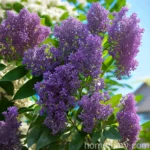
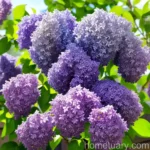
Syringa vulgaris, commonly known as lilac, is a species of flowering plant in the olive family Oleaceae. This species is native to the Balkan Peninsula, where it grows on rocky hills. The President Lincoln cultivar is a specific variety of Syringa vulgaris known for its striking beauty and intoxicating fragrance. It is a deciduous shrub or small tree that is primarily grown for its showy, fragrant, and colorful flowers.
Key Takeaways – Syringa vulgaris ‘President Lincoln’ (Lilac)
Culture
- Family: Oleaceae
- Genus: Syringa
- Species: Syringa vulgaris
- Cultivar: President Lincoln
Uses
-
Ornamental: The President Lincoln lilac is primarily grown for its ornamental value. Its attractive blooms and fragrance make it a popular choice for gardens, landscapes, and cut flower arrangements.
-
Fragrance Production: The flowers of Syringa vulgaris ‘President Lincoln’ are famous for their intoxicating fragrance. The blooms are often used to produce essential oils and perfumes.
Water
President Lincoln lilacs require regular watering, especially during dry periods and while the plant is becoming established. It is important to keep the soil consistently moist but not waterlogged.
Sunlight
These lilacs prefer full sun, meaning they should receive at least six hours of direct sunlight per day. Adequate sunlight ensures better flowering and overall plant vigor.
Fertilizer
Fertilize President Lincoln lilacs in early spring before new growth begins. Use a balanced, slow-release fertilizer specifically formulated for flowering shrubs.
Soil
President Lincoln lilacs thrive in well-draining, slightly alkaline soil. Amending the soil with organic matter such as compost can improve its texture and fertility.
Pruning
Pruning President Lincoln lilacs should be done immediately after flowering, as they form flowers on the previous year’s growth. Remove spent blooms and trim back any unwanted growth to maintain the plant’s shape and size.
Propagation
Propagate President Lincoln lilacs through softwood cuttings in early summer or hardwood cuttings in late autumn. Alternatively, they can also be propagated through layering or division.
Container Popularity
President Lincoln lilacs are popular choices for container gardening, where their stunning blooms and fragrance can be enjoyed up close on patios, balconies, and other outdoor spaces.
Container Common Diseases
Lilacs in containers are susceptible to common diseases such as powdery mildew, leaf spot, and bacterial blight, which can be managed through proper cultural practices and, if needed, treatment with fungicides.
Disease Diagnosis
When diagnosing diseases in President Lincoln lilacs, it is essential to closely inspect the foliage, stems, and flowers for symptoms such as discoloration, spots, or abnormal growth. Additionally, consider environmental factors and cultural practices that may contribute to disease development.
Common Pests
Aphids, scale insects, and borers are common pests that can affect President Lincoln lilacs. Regular monitoring and the use of horticultural oils or insecticidal soaps can help manage pest infestations.
Botanist’s Tips
For optimal growth and blooming, provide President Lincoln lilacs with proper care, including regular watering, ample sunlight, well-draining soil, and appropriate fertilization. Pruning and disease management are also important aspects of maintaining healthy plants.
Fun Facts
- The President Lincoln lilac gets its name from the 16th President of the United States, Abraham Lincoln, known for his tall and upright stature, much like the lilac shrub itself.
- In the language of flowers, lilacs are often associated with the meanings of love, confidence, and the beauty of youth.
Links to External Resources
- The Spruce – How to Grow and Care for Lilac Bushes
- Better Homes & Gardens – Lilac Plant Care Guide
- University of Vermont Extension – Lilacs: Planting and Care
- North Carolina State University Extension – Lilacs for the South
In conclusion, Syringa vulgaris ‘President Lincoln’ (Lilac) is a revered ornamental plant known for its enchanting fragrance and stunning blooms. By providing proper care, including adequate water, sunlight, soil, and maintenance practices, gardeners can enjoy the beauty and allure of this classic flowering shrub in their landscapes and gardens.
With its historical significance and timeless appeal, the President Lincoln lilac remains a beloved favorite among gardeners and plant enthusiasts.