Syringa pubescens subsp. patula ‘Miss Kim’ (Lilac) – A Complete Guide
Lilacs are beloved for their enchanting fragrance and stunning blooms, and Syringa pubescens subsp. patula ‘Miss Kim’ is no exception. As a plant scientist with a passion for exploring the intricate details of botanical specimens, I find ‘Miss Kim’ to be a fascinating subject. In this comprehensive guide, we will delve into the culture, uses, care, and maintenance of this exquisite Lilac variety. By the end of this article, you will have a thorough understanding of how to cultivate and nurture ‘Miss Kim’ Lilacs, ensuring their optimal growth and blooming.
What is Syringa pubescens subsp. patula ‘Miss Kim’ (Lilac)?
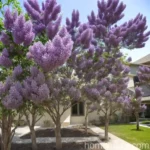
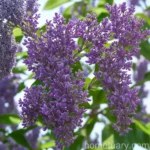
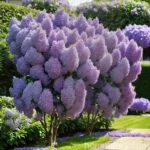
Syringa pubescens subsp. patula ‘Miss Kim’ is a cultivar of Lilac that has gained popularity due to its compact size, lovely lavender-pink blooms, and delightful fragrance. It belongs to the Oleaceae family and is known for its exceptional hardiness and ease of care. ‘Miss Kim’ is a deciduous shrub, typically reaching a height of 4 to 7 feet and spreading 5 to 9 feet wide. Its compact and rounded form makes it an ideal choice for gardens, borders, and even containers.
Key Takeaways
Before we explore the intricacies of caring for Syringa pubescens subsp. patula ‘Miss Kim’, let’s highlight some key takeaways about this remarkable Lilac variety.
- Scientific Name: Syringa pubescens subsp. patula ‘Miss Kim’
- Common Name: Miss Kim Lilac
- Family: Oleaceae
- Height: 4 to 7 feet
- Width: 5 to 9 feet
- Bloom Color: Lavender-pink
- Fragrance: Delightful, sweet
- Uses: Ornamental, fragrance, landscaping
Now that we have an overview of ‘Miss Kim’, let’s delve into the intricacies of its culture, uses, and care requirements to ensure its optimal growth and beauty in your garden.
Culture of Syringa pubescens subsp. patula ‘Miss Kim’
Understanding the cultural requirements of ‘Miss Kim’ is essential for creating an environment that promotes its healthy growth and abundant flowering. This includes considerations about water, sunlight, fertilizer, soil, and pruning techniques. Let’s explore each of these aspects in detail.
Water
Proper watering is crucial for the health and vitality of Syringa pubescens subsp. patula ‘Miss Kim’. While it is important to provide consistent moisture, good drainage is equally essential to prevent waterlogged soil, which can lead to root rot.
Water Requirements:
- Young Plants: Water regularly, ensuring that the soil remains consistently moist but not waterlogged.
- Established Plants: Once established, ‘Miss Kim’ Lilacs are moderately drought-tolerant but benefit from regular watering during dry periods, particularly in the summer months.
- Watering Frequency: Water deeply 1-2 times per week during dry spells.
Sunlight
Proper sunlight is vital for the development of abundant blooms and lush foliage in ‘Miss Kim’ Lilacs. Adequate sunlight ensures vigorous growth and enhances the floral display.
Sunlight Requirements:
- Full Sun: ‘Miss Kim’ thrives in full sunlight, requiring at least 6-8 hours of direct sunlight per day.
- Shade Tolerance: While it prefers full sun, ‘Miss Kim’ can tolerate partial shade, but this may result in reduced blooming and overall growth.
Fertilizer
Fertilization provides essential nutrients that promote healthy growth and prolific blooming in Syringa pubescens subsp. patula ‘Miss Kim’. The choice of fertilizer and the timing of application are critical for ensuring optimal results.
Fertilization Tips:
- Timing: Apply a balanced, slow-release fertilizer in early spring before new growth begins.
- Frequency: Fertilize ‘Miss Kim’ annually in spring. Avoid excessive fertilization, as it may lead to excessive foliage growth at the expense of flowers.
- Application: Spread the fertilizer evenly around the base of the plant, following the recommended dosage on the product label.
Soil
The type and quality of soil have a significant impact on the overall health and vigor of ‘Miss Kim’ Lilacs. Well-draining, nutrient-rich soil provides an ideal foundation for robust growth and abundant flowering.
Soil Preferences:
- Well-Draining: ‘Miss Kim’ prefers well-draining soil to prevent waterlogging and root rot.
- pH Level: Neutral to slightly alkaline soil with a pH range of 6.5-7.5 is ideal for optimal growth.
- Soil Amendments: Incorporate organic matter such as compost or well-rotted manure into the soil to improve its structure and fertility.
Pruning ‘Miss Kim’ Lilacs
Pruning is an essential aspect of ‘Miss Kim’ Lilac care, as it not only maintains the plant’s shape and size but also promotes vigorous blooming by encouraging the growth of new, flowering wood.
Pruning Techniques:
- Timing: Prune ‘Miss Kim’ immediately after flowering, typically in late spring or early summer. Avoid pruning in fall or winter, as it may remove the buds for the following year’s blooms.
- Deadheading: Remove spent blooms to encourage the development of new flower buds.
- Thinning: Remove a portion of the oldest stems at ground level to rejuvenate the plant and promote new growth from the base.
Propagation of Syringa pubescens subsp. patula ‘Miss Kim’
Propagating ‘Miss Kim’ Lilacs allows for the expansion of your garden or the sharing of this delightful plant with others. Several methods, including cuttings and layering, can be employed to propagate ‘Miss Kim’ successfully.
Propagation Methods:
- Softwood Cuttings: Take 4-6 inch cuttings from the current season’s growth in early summer. Remove the lower leaves and dip the cut ends in rooting hormone before planting in a well-draining propagation medium.
- Layering: Encourage the formation of roots on a low-growing stem by securing it to the ground with a small amount of soil, allowing it to develop roots before severing it from the parent plant.
Container Gardening with ‘Miss Kim’ Lilacs
The compact size and attractive form of Syringa pubescens subsp. patula ‘Miss Kim’ make it well-suited for container gardening, allowing individuals with limited space to enjoy the beauty and fragrance of Lilacs.
Container Considerations:
- Pot Size: Choose a large container with adequate drainage holes to accommodate the plant’s root system while providing stability.
- Soil: Use a well-draining potting mix enriched with compost or organic matter.
- Watering: Containers may require more frequent watering, particularly during hot, dry periods.
Popularity of Syringa pubescens subsp. patula ‘Miss Kim’
‘Miss Kim’ Lilacs have gained widespread popularity among gardeners and landscaping enthusiasts due to their numerous desirable qualities, including their compact size, abundant blooms, and delightful fragrance. This popularity has made ‘Miss Kim’ a sought-after choice for gardens, parks, and public landscapes.
Common Diseases of ‘Miss Kim’ Lilacs
While ‘Miss Kim’ Lilacs are generally hardy and disease-resistant, they are susceptible to certain diseases and pests that can affect their health and vigor. Understanding these potential issues is crucial for effectively preventing and addressing them.
Disease Diagnosis:
- Powdery Mildew: Characterized by a powdery, white coating on the leaves, powdery mildew can affect ‘Miss Kim’ in humid conditions. Ensure good air circulation and consider fungicidal treatments if necessary.
- Bacterial Blight: This bacterial disease can cause wilting, yellowing, and browning of leaves. Prune and dispose of affected plant parts and avoid overhead watering to prevent its spread.
Common Pests Affecting Syringa pubescens subsp. patula ‘Miss Kim’
In addition to diseases, ‘Miss Kim’ Lilacs may be vulnerable to infestations by certain pests, which can impact their health and overall appearance. Vigilance and prompt action are essential for managing these pests and protecting the plant.
Common Pests:
- Lilac/Ash Borer: These wood-boring insects can cause damage to the stems and branches of ‘Miss Kim’. Look for exit holes and frass, and consider insecticidal treatments if an infestation is detected.
Botanist’s Tips for ‘Miss Kim’ Lilac Care
As a plant scientist with a deep appreciation for ‘Miss Kim’ Lilacs, I have several valuable tips to share regarding their care and maintenance. These insights aim to enhance your understanding and enable you to create an optimal environment for the healthy growth and flourishing of this exceptional Lilac variety.
Botanist’s Tips:
- Prune Wisely: Employ proper pruning techniques to maintain the plant’s shape and promote abundant blooming.
- Monitor Moisture Levels: Keep an eye on soil moisture, ensuring that it remains consistently moist but not waterlogged, particularly during the plant’s establishment phase.
Fun Facts about Syringa pubescens subsp. patula ‘Miss Kim’
Despite their exceptional beauty and fragrance, ‘Miss Kim’ Lilacs have several captivating and lesser-known attributes. Let’s explore some fun and intriguing facts about this delightful Lilac variety.
Fun Facts:
- Fragrance: The delightful fragrance of ‘Miss Kim’ Lilacs can fill the air with a sweet, captivating scent, attracting pollinators and admirers alike.
- Wildlife Attraction: The blooms of ‘Miss Kim’ are not only alluring to humans but also attract butterflies and other pollinators, adding to the allure of these exquisite shrubs.
Links to External Resources
To further enrich your knowledge and understanding of Syringa pubescens subsp. patula ‘Miss Kim’ and its care requirements, I have compiled a list of credible external resources for your reference and exploration.
External Resources:
- Syringa Pubescens Subsp. Patula ‘Miss Kim’ – University of Maryland Extension
- Growing Lilacs – University of Vermont Extension
- Pruning Lilacs – Colorado State University Extension
- Lilac Pests and Diseases – University of Minnesota Extension
With the comprehensive insights provided in this guide, you are now equipped with the knowledge and understanding needed to cultivate, nurture, and appreciate the beauty of Syringa pubescens subsp. patula ‘Miss Kim’ Lilacs. By applying the recommended cultural practices and care guidelines, you can create an enchanting garden adorned with the captivating blooms and sweet fragrance of ‘Miss Kim’ Lilacs, enhancing your outdoor space and your gardening experience.
Now it’s time to embark on your journey of nurturing and enjoying the exceptional beauty of ‘Miss Kim’ Lilacs, and I’m thrilled to have played a part in equipping you with the essential knowledge and insights to do so. Happy gardening and may your ‘Miss Kim’ Lilacs flourish with vibrancy and grace!