Understanding the Sweet Pea Shrub (Polygala x dalmaisiana)
In the world of plants, there exists an immense variety, each with its own unique characteristics, requirements, and benefits. Among these diverse plants, the sweet pea shrub, scientifically known as Polygala x dalmaisiana, stands out for its charm and elegance. This ornamental shrub is beloved for its attractive blooms and its versatility in landscape design and gardening. In this comprehensive guide, we will delve into every aspect of this delightful plant, from its cultural needs to its propagation and common diseases.
What is a Sweet Pea Shrub?
The sweet pea shrub, or Polygala x dalmaisiana, is a perennial evergreen plant belonging to the Polygalaceae family. This family constitutes approximately 700 species, distributed across tropical, subtropical, and temperate regions. The sweet pea shrub is a hybrid species, resulting from the crossbreeding of two Polygala species, achieving a unique blend of desirable traits.
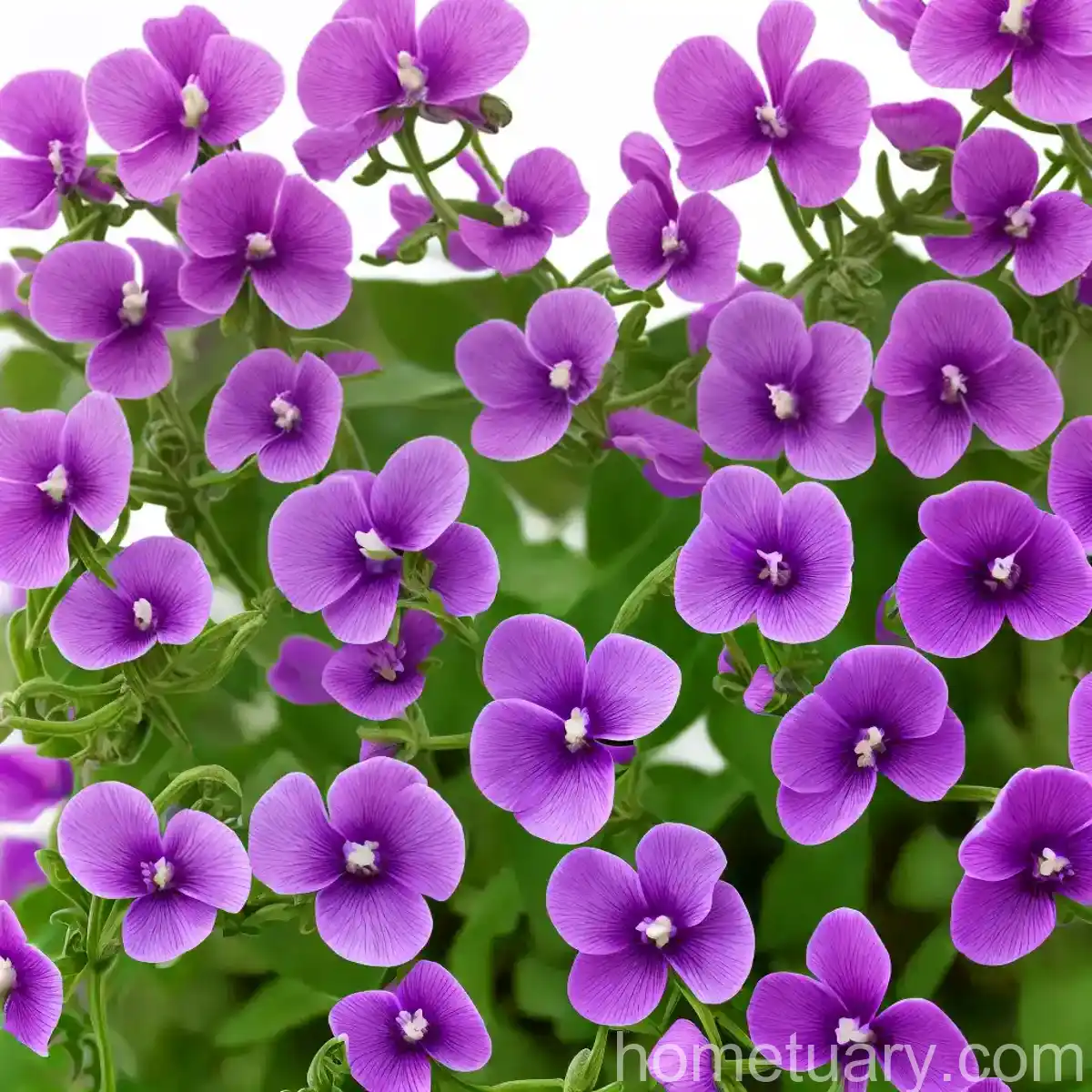
As a garden or landscape plant, the sweet pea shrub is admired for its intricate and vibrant flowers, making it a popular choice for adding visual interest to outdoor spaces. Its exquisite appearance, coupled with its relatively low maintenance requirements, makes it a darling among both amateur and seasoned gardeners.
Key Takeaways – Sweet Pea Shrub (Polygala x dalmaisiana):
Before delving deeper into the world of cultivating sweet pea shrubs, let’s take a brief look at the key takeaways about this plant:
- Scientific Name: Polygala x dalmaisiana
- Plant Type: Perennial evergreen shrub
- Notable Features: Elegant flowers, low maintenance, versatile in landscaping
- Cultural Uses: Ornamental, landscaping, gardening
- Preferred Soil Type: Well-draining, fertile soil
- Notable Diseases: Root rot, powdery mildew
- Common Pests: Aphids, scale insects
- Sunlight Requirements: Full sun to partial shade
- Watering Needs: Regular watering, maintaining moist but not waterlogged soil
- Propagation Methods: Seed sowing, softwood cuttings
Now that we have an overview, it’s time to explore the detailed aspects of sweet pea shrub care, growth, maintenance, and cultivation.
Sweet Pea Shrub Culture
Cultivating any plant demands a basic understanding of its cultural requirements. This includes knowledge about its water, sunlight, soil, and fertilizer needs, which play a pivotal role in its overall health and development.
Water
- Watering Frequency: The sweet pea shrub generally prefers consistently moist soil. Regular watering, especially during dry spells or periods of intense heat, is crucial. However, it’s important to avoid waterlogging, which can lead to root rot.
- Signs of Overwatering: Yellowing or drooping leaves, stunted growth
- Signs of Underwatering: Wilting, dry and crispy leaves
- Watering Tool: Soaker hose or watering can with a narrow spout for targeted watering
Sunlight
- Sun Exposure: The sweet pea shrub thrives in full sun to partial shade. It is adaptable to different light conditions, making it suitable for various garden settings.
- Optimal Conditions: 6-8 hours of sunlight per day
- Sunlight Protection: During scorching midday sun, providing some shade or protection can prevent sunburn on the leaves.
Fertilizer
- Fertilization Schedule: Apply a balanced, slow-release fertilizer in early spring to support healthy growth and blooming.
- Fertilizer Type: A well-balanced, all-purpose fertilizer with a slightly higher phosphorus content to promote flowering.
Soil
- Soil Type: Well-draining, fertile soil is ideal for sweet pea shrubs. Amending the soil with organic matter can improve fertility and drainage.
- Soil pH: Slightly acidic to neutral soil (pH 6.0-7.0) is preferable.
- Mulching: Mulch with organic materials to retain moisture and suppress weed growth.
Pruning
Pruning is an essential aspect of maintaining the sweet pea shrub’s shape, controlling its size, and promoting healthy growth and flowering. Here are some key points to consider when pruning the sweet pea shrub:
- Pruning Time: Late winter or early spring is the optimal time for pruning to stimulate new growth and flowering.
- Tool Selection: Sharp, clean pruning shears for accurate cuts, reducing the risk of damage or infection.
- Pruning Techniques: Remove dead, damaged, or overgrown branches. Regular deadheading of spent flowers can extend the blooming period.
Propagation
Propagating sweet pea shrubs is a rewarding endeavor for expanding your garden or sharing plants with fellow gardening enthusiasts. Here are common methods for propagating Polygala x dalmaisiana:
- Seed Propagation: Sow seeds indoors in early spring or outdoors after the last frost. Provide warmth and consistent moisture for successful germination.
- Softwood Cuttings: Take softwood cuttings in late spring to early summer. Use rooting hormone to encourage root development and provide a warm, humid environment for the cuttings to thrive.
Container Popularity
The sweet pea shrub’s compact size, attractive foliage, and enchanting blossoms make it well-suited for container gardening. Here are some reasons why it’s a popular choice for container cultivation:
- Space Efficiency: Ideal for small gardens, balconies, or patios where space is limited.
- Versatility: Enhances the aesthetic appeal of outdoor spaces with its charming flowers and lush foliage.
- Mobility: Allows for easy relocation to optimize sunlight exposure or protect the plant from unfavourable weather conditions.
Common Diseases and Pest Management
Dealing with plant diseases and pests is an inevitable aspect of gardening. Being aware of common issues and their effective management is pivotal for maintaining the health and vitality of sweet pea shrubs.
Disease Diagnosis
- Root Rot: Caused by soggy soil conditions, leading to root decay and wilting of the plant. Proper drainage and avoiding overwatering are crucial for prevention.
- Powdery Mildew: Manifests as powdery white patches on the leaves, hindering photosynthesis and weakening the plant. Improving air circulation and applying fungicidal sprays can help control the spread.
Common Pests
- Aphids: Small, sap-sucking insects that can cause leaf distortion and stunt the plant’s growth. Insecticidal soaps or neem oil effectively manage aphid infestations.
- Scale Insects: These pests can infest branches and leaves, depleting the plant’s vigour. Pruning affected areas and applying horticultural oils can control scale insect populations.
Botanist’s Tips
Seasoned botanists and horticulturists often offer valuable insights and tips for successful plant cultivation. Here are some expert suggestions for nurturing sweet pea shrubs:
- Companion Planting: Pair sweet pea shrubs with plants that complement their growth habits and environmental requirements, such as lavender, salvia, or ornamental grasses.
- Drought Tolerance: While sweet pea shrubs prefer moist soil, they exhibit moderate drought tolerance once established. However, consistent watering during dry spells supports optimal growth and flowering.
Fun Facts
Learning interesting and unique facts about plants adds an extra layer of appreciation for their beauty and resilience. Let’s explore some intriguing facts about the sweet pea shrub:
- The sweet pea shrub’s flowers are not only visually appealing but also emit a subtle, sweet fragrance, adding sensory delight to gardens and landscapes.
- In some cultures, certain species of Polygala are used in traditional medicine for their potential medicinal properties, displaying the diverse utilization of these plants beyond ornamental purposes.
Links to External Resources
To delve deeper into sweet pea shrub cultivation, care, and landscaping, here are some valuable external resources:
- Royal Horticultural Society – Polygala x Dalmaisiana
- Missouri Botanical Garden – Polygala Dalmaisiana
- University of Florida IFAS Extension – Polygala Cultivation Guide
- Gardening Know How – Sweet Pea Shrub Care Guide
- American Horticultural Society – Polygala Species Profile
In conclusion, the sweet pea shrub, or Polygala x dalmaisiana, embodies elegance and charm, making it a delightful addition to any garden or landscape. With the right cultural care, propitious propagation, and vigilant pest and disease management, this ornamental shrub flourishes and beautifies outdoor spaces with its captivating blooms and lush foliage.
By understanding and tending to the needs of the sweet pea shrub, gardeners and plant enthusiasts can experience the joy of cultivating this versatile and enchanting perennial evergreen. Whether grown in the ground or in containers, the sweet pea shrub offers a testament to the diverse and wondrous world of ornamental plants.
Remember to leverage the insights and tips shared here as you embark on your journey of sweet pea shrub care and cultivation. May your gardening endeavours blossom with the vibrant allure of Polygala x dalmaisiana.