Hoary Vervain (Verbena Stricta)
As a plant scientist and enthusiast, I am excited to delve into the world of hoary vervain (Verbena stricta). This striking plant has captivated many with.
As a plant scientist and enthusiast, I am excited to delve into the world of hoary vervain (Verbena stricta). This striking plant has captivated many with its beauty, versatility, and ecological significance. In this comprehensive guide, we will explore the various facets of hoary vervain, including its cultural significance, uses, ideal growing conditions, common diseases and pests, and much more.
What is Hoary Vervain (Verbena stricta)?
Hoary vervain, scientifically known as Verbena stricta, is a perennial herbaceous plant that belongs to the Verbenaceae family. The species name “stricta” refers to the erect or upright growth habit of this plant. Hoary vervain is native to North America and can be found in various habitats, including prairies, meadows, and open woodlands.
Key Takeaways – Hoary Vervain (Verbena stricta)
Before we delve into the specifics of hoary vervain, let’s take a look at some key takeaways about this remarkable plant:
- Plant Name: Hoary vervain (Verbena stricta)
- Common Names: Hoary verbena, hoary vervain, woolly verbena
- Scientific Classification:
- Kingdom: Plantae
- Order: Lamiales
- Family: Verbenaceae
- Genus: Verbena
- Species: stricta
- Native Habitat: North America
- Plant Type: Perennial herbaceous plant
- Growth Habit: Upright, erect
- Bloom Time: Summer to early fall
- Flower Color: Purple
- Attracts: Bees, butterflies, and other pollinators
- Uses: Medicinal, ornamental, and ecological restoration
- Cultural Symbolism: A symbol of healing and protection
Culture
Understanding the cultural aspects of hoary vervain is crucial for appreciating its significance in various contexts. Whether it’s the plant’s traditional uses, folklore, or symbolism, hoary vervain has a rich cultural heritage.
Hoary Vervain Symbolisms and Folklore
Hoary vervain has garnered symbolic significance in various cultures. In folklore and traditional medicine, it is often associated with healing and protection. The plant’s presence in Native American folklore and herbal medicine speaks to its enduring cultural significance.
In some Native American tribes, hoary vervain was believed to possess protective properties and was used in rituals and ceremonies to offer spiritual protection. Moreover, its traditional use as a medicinal herb underscores its value as a symbol of wellness and healing in different cultural contexts.
Hoary Vervain in Traditional Medicine and Herbal Remedies
The traditional uses of hoary vervain in herbal medicine are diverse and intriguing. Its roots, leaves, and flowers have been employed in traditional remedies for various ailments, including respiratory issues, fevers, and nervous disorders. The plant’s medicinal properties have been recognized for their potential to alleviate discomfort and promote overall well-being.
Hoary Vervain in Ecological Restoration
Beyond its cultural significance, hoary vervain plays a vital role in ecological restoration and conservation efforts. As a native plant species, it contributes to the biodiversity and ecological balance of its natural habitats. Its ability to attract pollinators and provide sustenance for wildlife underscores its ecological importance.
Hoary vervain’s resilience and adaptability make it an invaluable component of restoration projects aimed at reviving and preserving native plant communities. Its inclusion in habitat restoration initiatives helps to support diverse ecological interactions and foster healthier ecosystems.
Uses
The uses of hoary vervain are multifaceted, encompassing medicinal, ornamental, and ecological applications. From its therapeutic properties to its role in landscaping and habitat restoration, hoary vervain offers a range of valuable applications.
Medicinal Uses of Hoary Vervain (Verbena stricta)
The medicinal properties of hoary vervain have been recognized for generations, making it an important component of traditional herbal medicine. The plant’s leaves, roots, and flowers contain bioactive compounds that have been traditionally used to address various health concerns.
Hoary Vervain as a Herbal Remedy
Hoary vervain has been employed as a herbal remedy to address an array of health issues, including respiratory ailments, fevers, and nervous conditions. Its traditional use as a nervine tonic and relaxant underscores its potential to promote relaxation and alleviate stress.
Furthermore, hoary vervain has been utilized in herbal preparations aimed at supporting respiratory health. Its expectorant properties have made it a valuable botanical ingredient in formulations designed to address coughs and respiratory congestion.
Ornamental and Landscaping Applications
In addition to its medicinal uses, hoary vervain is valued for its ornamental qualities and landscaping potential. The plant’s striking purple flowers and upright growth habit make it a visually appealing addition to gardens, meadows, and naturalistic landscapes.
As a perennial flowering plant, hoary vervain contributes to seasonal interest in gardens and landscapes, particularly during its bloom time in summer and early fall. Its showy blooms and potential to attract pollinators position it as an asset in wildlife-friendly and pollinator gardens.
Ecological Significance and Habitat Restoration
Beyond its individual uses, hoary vervain’s ecological significance cannot be overlooked. As a native plant species, it plays a crucial role in supporting biodiversity and ecosystem health. Its ability to attract pollinators, provide forage for wildlife, and contribute to the resilience of native plant communities underscores its ecological value.
In habitat restoration efforts, hoary vervain is a key player in reestablishing diverse plant assemblages and promoting ecological balance. Its adaptability and contribution to ecosystem services make it a valuable asset in initiatives aimed at conserving and restoring natural habitats.
Growing Hoary Vervain
Cultivating hoary vervain successfully entails understanding its ideal growing conditions, care requirements, and propagation methods. Whether you’re engaging in gardening, landscaping, or ecological restoration, gaining insights into the plant’s cultivation is essential for fostering its health and vitality.
Verbena Stricta Characteristics
Before delving into the specifics of growing hoary vervain, let’s explore the plant’s key characteristics, which provide valuable insights into its growth habits and environmental preferences.
Growth Habit
Hoary vervain (Verbena stricta) is characterized by its upright growth habit, producing tall, sparsely branched stems that give rise to showy flower spikes. The plant typically reaches heights of 2 to 4 feet, creating a striking vertical presence in the landscape.
Foliage and Flowers
The foliage of hoary vervain consists of lance-shaped, serrated leaves that are arranged alternately along the stem. The leaves may exhibit a hoary or woolly texture, contributing to the plant’s common name, “hoary vervain.”
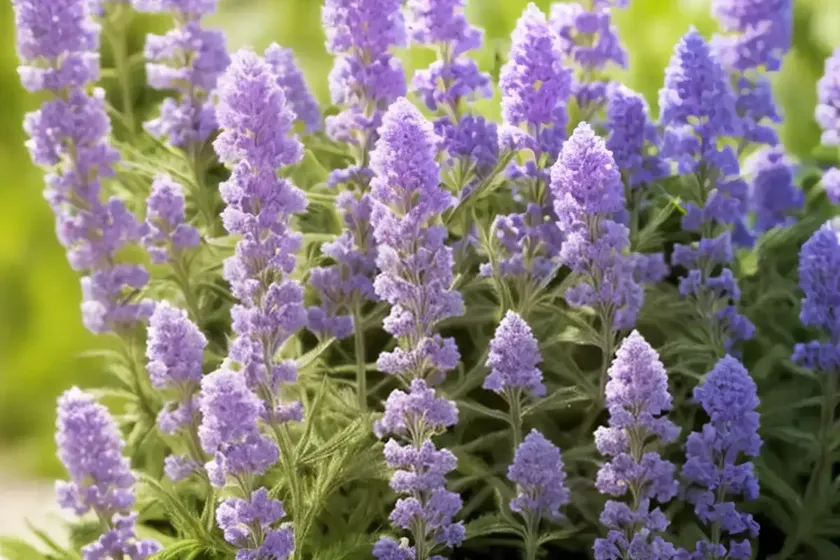
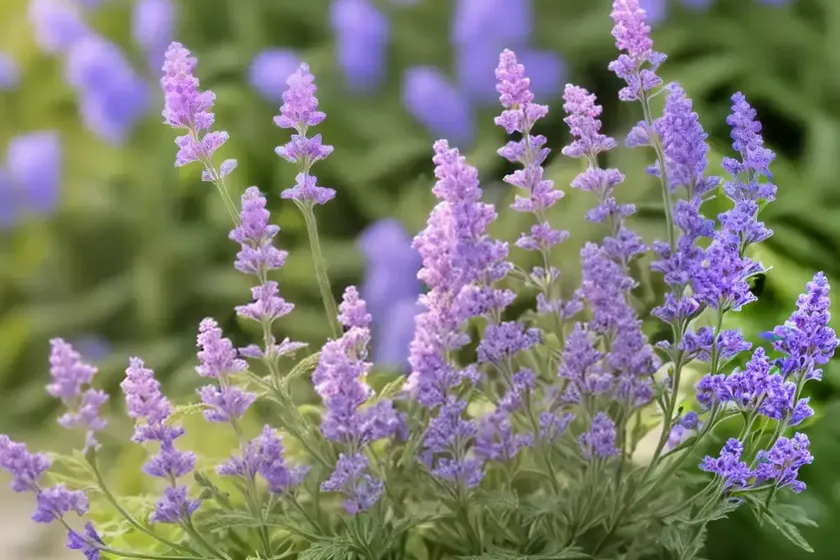
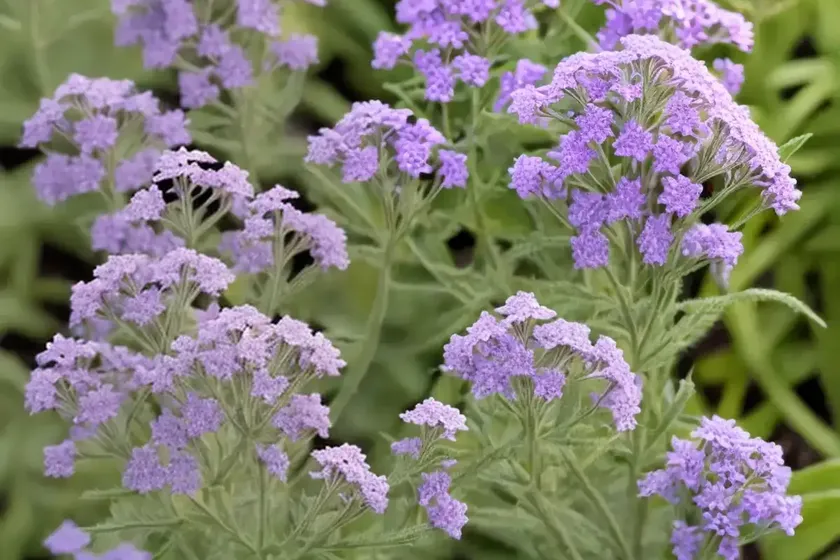
Hoary vervain’s flowers form dense spikes, with numerous small, tubular blossoms arranged along the elongated flower clusters. The flowers are often a distinct shade of purple, adding vibrant color to the plant and attracting pollinators such as bees and butterflies.
Hoary Vervain Growth Requirements
To cultivate hoary vervain successfully, it is essential to understand its specific growth requirements, encompassing aspects such as water, sunlight, soil, and fertilization.
Water
Hoary vervain can thrive in a variety of moisture conditions, exhibiting a degree of drought tolerance once established. While it can adapt to drier soil conditions, providing regular moisture, particularly during the establishment phase, can promote healthy growth and flowering.
Sunlight
As a sun-loving plant, hoary vervain thrives in full sun to partial shade. When situated in a sunny location with well-drained soil, it can manifest its full potential, producing an abundance of vibrant flowers and robust foliage.
Soil
Hoary vervain prefers well-drained soil with moderate fertility. It can tolerate a range of soil types, including sandy, loamy, or rocky soils. Additionally, the plant exhibits adaptability to both acidic and alkaline soil conditions, contributing to its versatility in various garden and landscape settings.
Fertilizer
In most cases, hoary vervain does not require heavy fertilization. However, incorporating organic matter into the soil during planting and providing a balanced, slow-release fertilizer can support the plant’s initial establishment and subsequent growth.
Pruning
Pruning hoary vervain is generally simple, involving the removal of spent flower spikes to promote continued bloom and prevent self-seeding. Additionally, cutting back the plant in late fall or early spring can help maintain its desired shape and prevent excessive reseeding in the garden or landscape.
Propagation and Container Gardening
The propagation of hoary vervain can be achieved through several methods, including seed sowing, division, and cuttings. Additionally, the plant’s adaptability to container gardening makes it a versatile choice for individuals looking to cultivate it in diverse settings.
Propagation Methods
-
Seed Starting: Hoary vervain can be propagated from seeds, which can be sown directly in the garden or started indoors before transplanting. Stratifying the seeds by cold treatment can enhance their germination.
-
Division: Established hoary vervain plants can be divided, with the root ball carefully separated to yield multiple new plants. This method is particularly effective for rejuvenating mature clumps and expanding plantings.
-
Cuttings: Softwood cuttings taken from young, actively growing stems can be rooted to propagate new hoary vervain plants. This method offers a means of cloning desirable cultivars or sharing the plant with others.
Container Growing
Hoary vervain’s adaptability to container gardening makes it a versatile option for individuals with limited space, as well as those seeking to showcase the plant on patios, balconies, or other outdoor living areas. When cultivating hoary vervain in containers, it is essential to provide a spacious, well-draining pot and ensure adequate sunlight and moisture.
Popularity and Landscape Design
The popularity of hoary vervain in gardening and landscaping circles stems from its visual appeal, adaptability, and ecological benefits. As a native plant with ornamental value and wildlife-attracting qualities, it has earned a place in diverse horticultural settings.
Hoary Vervain in Gardens and Naturalistic Landscapes
In gardens and naturalistic landscapes, hoary vervain can be utilized to introduce vertical interest, seasonal color, and wildlife-friendly attributes. Its ability to thrive in a range of growing conditions, coupled with its resilience and adaptability, positions it as a sought-after addition to ecologically-minded plantings.
Pollinator Gardens and Ecological Landscapes
Given its capacity to attract bees, butterflies, and other pollinators, hoary vervain is commonly featured in pollinator gardens, wildlife habitats, and ecological restoration projects. Its role in supporting pollinator populations and promoting biodiversity underscores its significance in landscapes designed to enhance wildlife conservation and ecosystem health.
Common Diseases and Pest Management
Like any plant, hoary vervain is susceptible to certain diseases and pests that can impact its health and vigor. Being aware of these potential challenges and understanding effective management strategies is crucial for maintaining the plant’s well-being.
Disease Diagnosis and Management
While hoary vervain is generally resilient, it may encounter certain diseases that can affect its foliage, stems, or overall growth. Common diseases that can impact hoary vervain include powdery mildew, leaf spot, and root rot.
Powdery Mildew
Powdery mildew, characterized by a white, powdery growth on the foliage, can affect hoary vervain, particularly in conditions of high humidity and poor air circulation. To manage powdery mildew, it is advisable to provide adequate spacing between plants, promote air movement, and employ fungicidal treatments if necessary.
Leaf Spot
Leaf spot diseases, manifesting as dark or discolored lesions on the leaves, can impact hoary vervain under conditions of excess moisture or inadequate air circulation. Proper sanitation, including the removal of affected foliage and debris, can help manage leaf spot and prevent its spread.
Root Rot
Root rot, resulting from overly wet or poorly drained soil, can pose a threat to hoary vervain’s root system. To prevent root rot, it is essential to ensure well-drained growing conditions and avoid overwatering, particularly in heavy or clay soils.
Common Pests and Integrated Pest Management
In addition to diseases, hoary vervain may encounter certain pests that can compromise its health and vitality. Effective integrated pest management strategies can help mitigate pest pressure and protect the plant from potential damage.
Aphids
Aphids, small sap-sucking insects, can infest hoary vervain and affect its growth and vigor. To manage aphids, natural predators, such as ladybugs and lacewings, can be encouraged. Additionally, insecticidal soaps or horticultural oils can provide targeted control if aphid populations become troublesome.
Spider Mites
Spider mites, which are tiny arachnids that feed on plant sap, can cause stippling and discoloration of hoary vervain’s foliage. Regular monitoring and the use of water sprays to mitigate mite populations can help prevent significant damage to the plant.
Caterpillars
Caterpillars, particularly those of certain moth species, can feed on hoary vervain’s foliage, leading to defoliation and potential stress on the plant. Hand-picking caterpillars or employing biological control agents, such as Bacillus thuringiensis (Bt), can assist in managing caterpillar infestations.
Botanist’s Tips
As a botanist, I would like to offer some valuable tips for cultivating and appreciating hoary vervain in various settings. These insights can help individuals make the most of their experience with this remarkable plant.
Enhancing Pollinator Habitat
By incorporating hoary vervain into garden and landscape designs, individuals can contribute to the creation of pollinator-friendly habitats. Its nectar-rich flowers and ability to attract bees, butterflies, and other pollinators make it an asset in supporting diverse insect populations and promoting ecological balance.
Ecological Integration
Incorporating hoary vervain into ecological restoration and habitat enhancement initiatives can strengthen the resilience of native plant communities and foster beneficial ecological interactions. Its adaptability and capacity to thrive in diverse environments position it as a valuable component of restoration projects aimed at reviving and preserving indigenous plant assemblages.
Wildlife Nourishment
The presence of hoary vervain in naturalistic landscapes can provide valuable forage for wildlife, including butterflies, moths, and other nectar-feeding insects. Its contribution to wildlife food sources underscores its role in fostering sustainable ecological interactions and supporting diverse animal populations.
Fun Facts
- Hoary vervain’s scientific name, Verbena stricta, derives from the Latin word “verbena,” which pertains to sacred or divine plants, reflecting the historical significance attributed to vervain species.
- In certain Native American cultures, hoary vervain was used for its purported protective qualities, with applications in rituals and ceremonies aimed at offering spiritual defense.
- Hoary vervain’s attractive purple flowers are not only visually appealing but also serve as a valuable food source for pollinators, contributing to the support of insect biodiversity.
Links to External Resources
For individuals seeking further information about hoary vervain, medicinal uses of Verbena stricta, or practical cultivation guidelines, the following resources offer valuable insights:
-
The Xerces Society for Invertebrate Conservation: Provides resources and guidelines for fostering pollinator-friendly habitats, enhancing biodiversity, and incorporating native plants into landscapes.
-
North American Native Plant Society: Offers information and resources focused on the preservation and cultivation of native plant species, including hoary vervain and other native Verbena species.
-
United States Department of Agriculture (USDA) Plants Database: Provides comprehensive botanical information, distribution maps, and ecological attributes of hoary vervain and other native plant species.
-
Lady Bird Johnson Wildflower Center: Offers resources for identifying and cultivating native plants, including hoary vervain, and promoting sustainable landscaping practices.
-
American Herbalists Guild: A source of information on medicinal uses of hoary vervain (Verbena stricta) and other herbal remedies, featuring insights from herbalists and wellness practitioners.
In conclusion, hoary vervain (Verbena stricta) stands as a plant of cultural, ecological, and horticultural significance, offering valuable contributions to traditional medicine, wildlife habitat enhancement, and naturalistic landscaping. By embracing the diverse uses and attributes of hoary vervain, individuals can foster a deeper appreciation for this remarkable native plant and its role in supporting healthy ecosystems and vibrant landscapes.
The information presented in this comprehensive guide seeks to empower individuals with the knowledge and insights needed to cultivate and celebrate hoary vervain in a variety of settings, from gardens and landscapes to restoration projects and ecological initiatives. As we continue to explore the diverse dimensions of hoary vervain, may we gain a deeper appreciation for its cultural heritage, ecological contributions, and horticultural potential.


