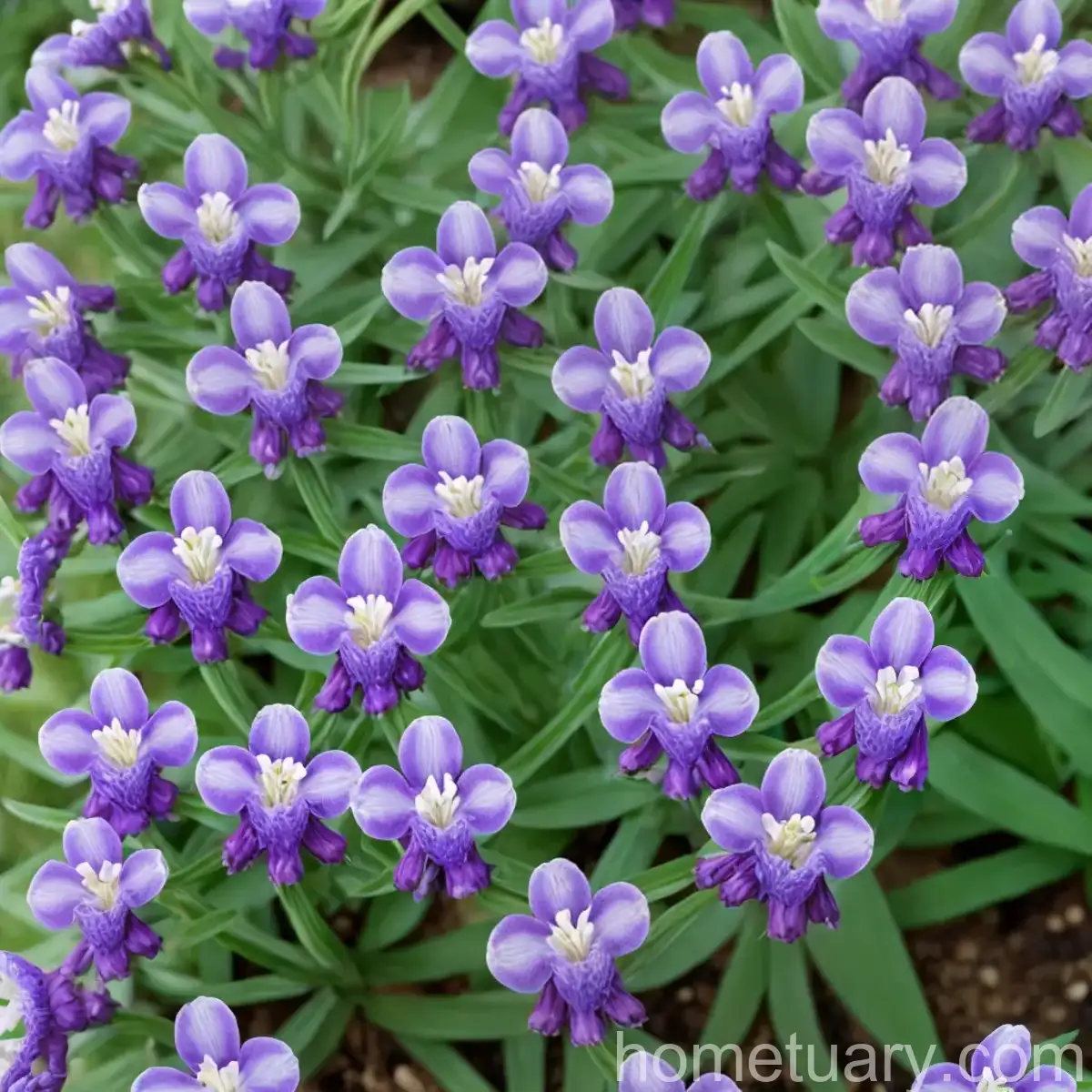
Milkwort (Polygala chamaebuxus ‘Kamniski’): A Delightful and Versatile Plant
Polygala chamaebuxus ‘Kamniski’, commonly known as milkwort, is a charming and versatile plant that holds its own unique allure in the world of gardening. Boasting vibrant blooms and a range of practical applications, this plant is a favorite among gardeners and plant enthusiasts. In this comprehensive guide, we will delve into the intricacies of milkwort care, explore its many uses, and provide valuable insights for cultivating this alluring species in various settings.
What is Milkwort (Polygala chamaebuxus ‘Kamniski’)?
Milkwort (Polygala chamaebuxus ‘Kamniski’) is a small evergreen shrub that belongs to the Polygala genus within the Polygalaceae family. This species is prized for its dense clusters of delicate, vivid flowers that adorn its foliage. Native to regions such as Central and Southern Europe, this plant thrives in temperate and Mediterranean climates, adding a touch of natural elegance to gardens and landscapes.
Key Takeaways – Milkwort (Polygala chamaebuxus ‘Kamniski’)
Before we start exploring the cultivation and uses of Polygala chamaebuxus ‘Kamniski’, let’s highlight some key takeaways about this remarkable plant:
- Scientific Name: Polygala chamaebuxus ‘Kamniski’
- Common Name: Milkwort
- Family: Polygalaceae
- Genus: Polygala
- Plant Type: Evergreen shrub
- Native Habitat: Central and Southern Europe
- Flowering Season: Spring to early summer
- Uses: Ornamental gardening, medicinal purposes
Now, let’s delve into the various aspects of caring for and utilizing this captivating plant.
Cultivation
Water
Proper watering is essential for the health and vitality of Polygala chamaebuxus ‘Kamniski’. While this plant does require regular moisture, it is important to ensure that the soil is well-draining to prevent waterlogging. During hot and dry periods, it’s crucial to provide adequate hydration, but be cautious not to overwater, as this can lead to root rot and other detrimental conditions.
Sunlight
In terms of sunlight requirements, milkwort thrives in areas with full to partial sun exposure. It flourishes in bright, sunny locations, although it can also tolerate light shade. When selecting a planting site, aim for a spot that receives ample sunlight to promote healthy growth and abundant flowering.
Fertilizer
A balanced, slow-release fertilizer can significantly boost the growth and blooming of Polygala chamaebuxus ‘Kamniski’. Applying a fertilizer formulated for flowering shrubs in the early spring can provide the necessary nutrients for robust and vibrant blooms. However, it’s important to follow the application instructions to prevent over-fertilization, which can harm the plant.
Soil
Milkwort prefers well-drained, slightly acidic to neutral soil. Loamy or sandy soils are ideal for promoting healthy root development and overall plant vigor. Prior to planting, amending the soil with organic matter can enhance its fertility and structure, creating an optimal environment for Polygala chamaebuxus ‘Kamniski’ to thrive.
Pruning
Periodic pruning is beneficial for maintaining the shape and health of milkwort plants. In late winter or early spring, light pruning to remove any dead or damaged branches and to shape the shrub can encourage new growth and abundant flowering. Additionally, pruning faded flowers can stimulate the plant to produce fresh blooms and prolong the flowering season.
Propagation
Propagation of Polygala chamaebuxus ‘Kamniski’ can be achieved through several methods, including:
- Softwood Cuttings: Taking softwood cuttings in the early summer and rooting them in a well-draining propagation medium.
- Division: Dividing mature plants in the early spring, ensuring that each division has viable roots and shoots for successful establishment.
- Seeds: Sowing seeds in a suitable growing medium and providing the necessary conditions for germination.
Each propagation method offers unique advantages and can be employed based on the availability of plant material and the desired propagation outcomes.
Container Popularity
The compact and ornamental nature of Polygala chamaebuxus ‘Kamniski’ makes it well-suited for container cultivation. Whether on patios, balconies, or outdoor seating areas, milkwort adds a delightful touch of color and charm to container gardens. Its adaptability to container growth also allows for easier mobility and placement in various outdoor settings.
Container Common Diseases
While plants grown in containers may be less susceptible to certain soil-borne diseases, they can still encounter issues such as:
- Root Rot: Overwatering and poor drainage can lead to root rot in container-grown milkwort.
- Powdery Mildew: Fungal infections, such as powdery mildew, can affect the foliage in humid conditions.
Regular monitoring and appropriate cultural practices can help mitigate these potential diseases in container-grown Polygala chamaebuxus ‘Kamniski’.
Common Pests
Several pests may pose a threat to the health of milkwort plants, including:
- Aphids: These small, sap-sucking insects can infest the tender shoots and foliage, causing damage and distortion.
- Scale Insects: Scale insects may appear as small, waxy bumps on the stems and leaves, feeding on the plant sap and potentially leading to weakened growth.
Implementing integrated pest management strategies and promptly addressing pest infestations can safeguard the well-being of Polygala chamaebuxus ‘Kamniski’.
Botanist’s Tips
- Companion Planting: Milkwort can be complemented by companions such as lavender, dianthus, and thyme, creating visually appealing and harmonious garden displays.
- Herbal Properties: Polygala chamaebuxus ‘Kamniski’ has historically been associated with certain medicinal properties, although its modern uses in traditional medicine are not widely documented.
- Wildlife Attraction: The vibrant blooms of milkwort may attract pollinators like bees and butterflies, enhancing biodiversity in the garden ecosystem.
- Winter Protection: In regions with harsh winters, providing suitable protection, such as mulching, can safeguard milkwort from cold and frost damage.
Fun Facts
- The genus name “Polygala” is derived from the Greek words “poly” (many) and “gala” (milk), alluding to the belief that milkwort species increase milk production in grazing animals.
- Polygala chamaebuxus ‘Kamniski’ is often used as a ground cover plant due to its spreading growth habit and dense foliage.
Links to External Resources
For additional information on milkwort (Polygala chamaebuxus ‘Kamniski’) and related topics, consider exploring the following resources:
- Royal Horticultural Society – Polygala chamaebuxus ‘Kamniski’
- Missouri Botanical Garden – Polygala chamaebuxus
- University of California Agriculture and Natural Resources – Integrated Pest Management
Conclusion
In conclusion, Polygala chamaebuxus ‘Kamniski’, or milkwort, unfolds as a captivating and versatile plant that offers a multitude of benefits to gardeners and landscapes. From its striking blooms to its practical applications, this species encompasses a rich tapestry of attributes that make it a valuable addition to diverse horticultural settings. By understanding the nuances of milkwort care, its various uses, and the ecological role it plays, enthusiasts can fully appreciate and enjoy the beauty of this remarkable plant.
Whether utilized as a vibrant ground cover, a charming container specimen, or a captivating element in floral arrangements, milkwort continues to captivate and inspire with its timeless allure and boundless potential.
Milkwort plant care, Polygala chamaebuxus ‘Kamniski’ information, and the cultivation of this remarkable species open doors to a world of botanical wonder, enriching the horticultural landscape and fostering an enduring appreciation for the natural world.