Sweet Almond Bush (Aloysia Virgata)
The Sweet Almond Bush, scientifically known as Aloysia virgata, is a graceful and fragrant addition to any garden or landscape. This aromatic shrub is.
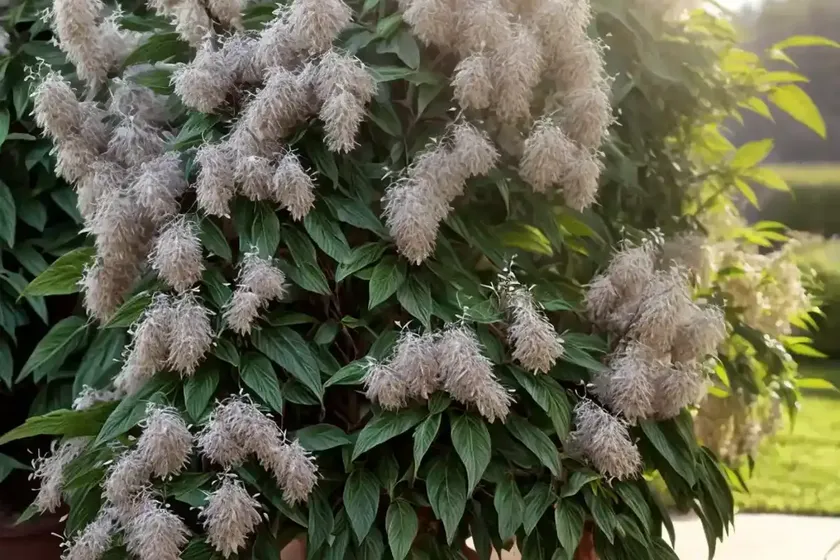
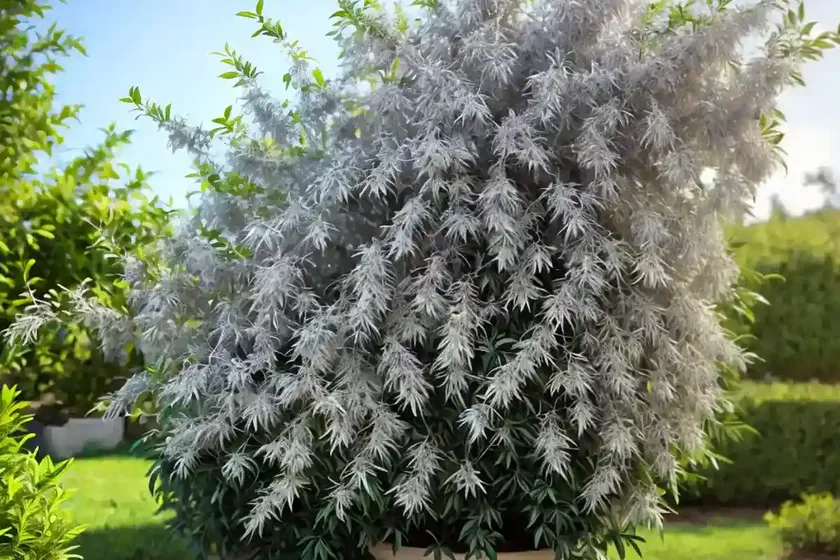
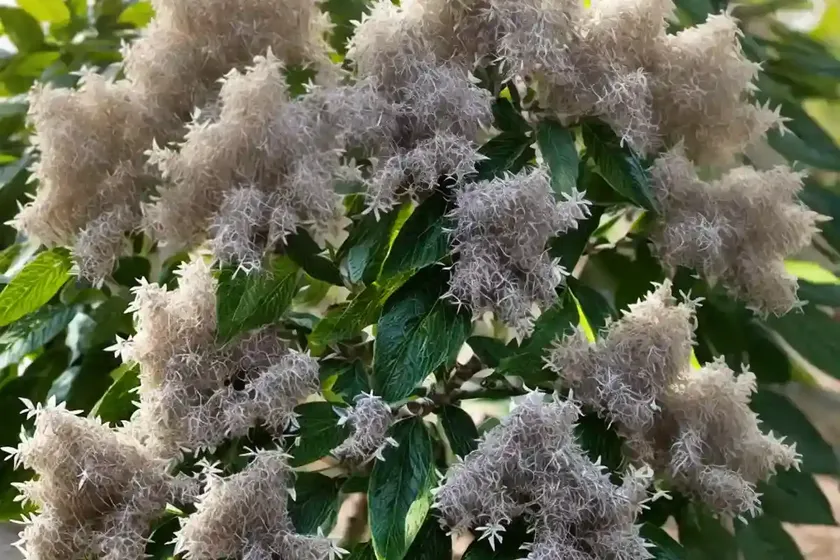
The Sweet Almond Bush, scientifically known as Aloysia virgata, is a graceful and fragrant addition to any garden or landscape. This aromatic shrub is renowned for its almond-scented flowers and is a favorite among gardeners and landscapers alike. In this comprehensive guide, we will delve into the culture, uses, care, and maintenance of the Sweet Almond Bush, providing valuable insights for both novice and seasoned plant enthusiasts.
What is Aloysia virgata (Sweet Almond Bush)?
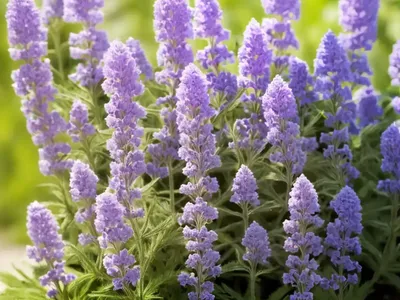
Aloysia virgata, commonly referred to as the Sweet Almond Bush, is a species of flowering plant in the verbena family, Verbenaceae. It is native to Argentina, Uruguay, and Paraguay, where it thrives in warm climates and well-drained soils. The plant is characterized by its slender, arching stems and lance-shaped, aromatic leaves. The most distinctive feature of the Sweet Almond Bush is its small, fragrant white flowers that emit a delightful almond-like scent, hence its common name.
The plant is also known by various other names, including “Sweet Almond Verbena” and “Incense Bush,” alluding to its aromatic qualities and the pleasant fragrance it exudes, particularly when in bloom. In addition to its ornamental value, Aloysia virgata is also recognized for its potential medicinal and culinary uses, adding to its allure for home gardeners and horticulturists.
Key Takeaways – Sweet Almond Bush (Aloysia virgata)
Before we delve into the details of the Sweet Almond Bush, let’s take a quick look at the key takeaways for this captivating plant:
- Aloysia virgata is a fragrant, flowering shrub known for its almond-scented blooms and aromatic foliage.
- The plant is valued for its ornamental, medicinal, and culinary uses, making it a versatile addition to gardens and landscapes.
- Growing and caring for the Sweet Almond Bush requires attention to its specific cultural requirements, including water, sunlight, soil, and pruning needs.
Now, let’s explore each of these aspects in detail to gain a comprehensive understanding of this charming plant.
Culture
Water
Aloysia virgata thrives in well-drained soil and prefers moderate moisture levels. While the plant is relatively drought-tolerant once established, it is essential to ensure consistent watering during its establishment phase and prolonged dry spells. Adequate moisture is particularly crucial during the plant’s active growing season, typically in spring and summer, to promote healthy foliage and profuse flowering.
Watering Tips for Sweet Almond Bush:
- Water newly planted Sweet Almond Bushes regularly to help them establish strong root systems.
- Monitor soil moisture levels to prevent waterlogged or excessively dry conditions, as both can adversely affect plant health.
- Adjust watering frequency based on local climate conditions, with a focus on providing sufficient moisture during hot and dry periods.
Sunlight
The Sweet Almond Bush flourishes in full sunlight, making it an excellent choice for sunny garden beds, borders, or landscape settings. Adequate sunlight exposure is essential for promoting robust growth, abundant flowering, and the development of the plant’s signature fragrance. While the plant exhibits good tolerance to heat and sun, it is advisable to provide some protection from intense afternoon sun in exceptionally hot climates to prevent stress and sunburn.
Sunlight Requirements for Aloysia virgata:
- Plant in a location that receives at least six to eight hours of direct sunlight daily for optimal growth and flowering.
- Consider positioning the Sweet Almond Bush in a south- or west-facing aspect to maximize sunlight exposure while providing some shelter from harsh midday sun.
Soil
Aloysia virgata thrives in a range of well-drained soil types, including sandy, loamy, or gravelly soils. The plant has good adaptability to various soil pH levels, but it performs best in slightly acidic to neutral soils. Amending the soil with organic matter, such as compost or well-rotted manure, can enhance soil structure and fertility, promoting healthy growth and vigor in the Sweet Almond Bush.
Soil Preparation and Amendment:
- Prior to planting, incorporate organic matter into the soil to improve its texture, fertility, and moisture-holding capacity.
- Perform a soil test to assess pH levels and nutrient content, making adjustments as needed to create an optimal growing environment for the Sweet Almond Bush.
Uses
The Sweet Almond Bush offers a myriad of uses, ranging from ornamental and aromatic to medicinal and culinary applications. Let’s explore the diverse ways in which Aloysia virgata can be appreciated and utilized.
Ornamental Use
As an ornamental plant, Aloysia virgata is prized for its graceful form, fragrant blooms, and aromatic foliage. It serves as an excellent choice for various garden settings, including:
- Garden Borders: Plant the Sweet Almond Bush in garden borders to create a fragrant and visually appealing edge to flower beds or pathways.
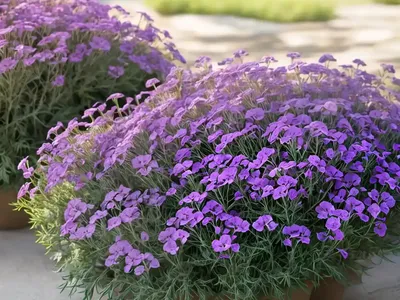
- Container Gardens: Showcase Aloysia virgata in container plantings on patios, decks, or balconies, where its fragrance can be readily enjoyed.
- Mixed Plantings: Incorporate the Sweet Almond Bush into mixed perennial or shrub borders to add fragrance and visual interest to the landscape.
Medicinal and Culinary Use
The aromatic leaves of Aloysia virgata have been traditionally used for their medicinal properties. The plant’s leaves are believed to possess calming and soothing effects, often brewed into a soothing herbal tea. In addition, the sweet, almond-like fragrance of the plant has inspired culinary applications, with the leaves occasionally used to infuse beverages or impart a delicate aroma to dishes.
Fertilizer
Proper fertilization is essential for promoting healthy growth, lush foliage, and abundant flowering in the Sweet Almond Bush. When it comes to fertilizing Aloysia virgata, a balanced, slow-release fertilizer that is rich in essential nutrients such as nitrogen, phosphorus, and potassium can support the plant’s vigor and overall well-being.
Fertilizing Tips for Aloysia virgata:
- Apply a balanced fertilizer in spring, prior to the onset of new growth, to provide essential nutrients for the growing season.
- Use a slow-release fertilizer to reduce the risk of over-fertilization and minimize the need for frequent applications.
- Refrain from over-fertilizing, as excessive nutrient levels can lead to excessive foliage at the expense of flowering and may compromise the plant’s overall health.
Pruning
Pruning plays a vital role in maintaining the desired form, size, and vigor of the Sweet Almond Bush, in addition to promoting abundant flowering and rejuvenating older plants. Regular pruning can help manage the plant’s growth, remove damaged or dead wood, and enhance air circulation within the canopy, reducing the risk of disease and pest infestations.
Pruning Guidelines for Sweet Almond Bush:
- Prune the Sweet Almond Bush in late winter or early spring before the onset of new growth to shape the plant and encourage flowering.
- Remove any dead or diseased branches, as well as any crossed or overcrowded stems, to maintain an open and balanced growth habit.
- Consider light pruning after the plant’s initial flush of flowering to promote a more compact and bushy growth and potentially encourage a second flush of blooms in favorable conditions.
Propagation
Aloysia virgata can be propagated through various methods, including softwood cuttings, semi-hardwood cuttings, and seed propagation. Each propagation method offers distinct advantages and challenges, allowing for flexibility in propagating new Sweet Almond Bush plants to expand a collection or share with fellow gardening enthusiasts.
Propagation Techniques for Aloysia virgata:
- Softwood Cuttings: Obtain softwood cuttings in late spring or early summer and root them in a suitable propagation medium to establish new plants.
- Semi-Hardwood Cuttings: Take semi-hardwood cuttings in mid to late summer and root them under controlled conditions to facilitate successful propagation.
- Seed Propagation: Gather seeds from mature Aloysia virgata plants and sow them in a well-draining seed-starting mix, providing optimal conditions to germinate and grow.
Container Popularity
The Sweet Almond Bush is well-suited for container cultivation, making it a popular choice for urban gardens, balconies, patios, and small outdoor spaces. Cultivating Aloysia virgata in containers offers numerous advantages, such as the ability to control soil conditions, mobility, and the opportunity to showcase the plant’s fragrant blooms and foliage in proximity to living and entertainment areas.
Container Planting Tips for Sweet Almond Bush:
- Select a sizable container with adequate drainage holes to accommodate the plant’s root system and promote good air circulation.
- Use a well-draining potting mix formulated for container plants to create an optimal growing environment for the Sweet Almond Bush.
- Place the container in a sunny location to ensure sufficient sunlight exposure, and monitor soil moisture levels regularly to prevent drying out or waterlogging.
Common Diseases
While the Sweet Almond Bush is relatively resilient, it may be susceptible to certain diseases under unfavorable growing conditions. Being vigilant for signs of disease and taking preventive measures can help maintain the plant’s health and vitality.
Disease Diagnosis
Some common diseases that may affect Aloysia virgata include:
- Powdery Mildew: Characterized by white, powdery growth on leaves, stems, and buds, powdery mildew can hinder plant growth and diminish overall aesthetics.
- Leaf Spot: Manifesting as dark spots or lesions on the foliage, leaf spot diseases can compromise the plant’s photosynthetic capacity and weaken its vigor.
Common Pests
Aloysia virgata may occasionally attract pests that can impact its vitality and appearance. Common pests that may affect the Sweet Almond Bush include:
- Aphids: These small, sap-sucking insects can distort new growth and cause the foliage to become sticky with honeydew, leading to mold growth and reduced plant vigor.
- Spider Mites: These tiny pests can cause stippling and discoloration on the leaves, resulting in a diminished aesthetic appeal and potential decline in plant health.
Botanist’s Tips
To ensure the successful cultivation and care of the Sweet Almond Bush, consider the following expert tips and recommendations:
- Regularly monitor the plant for signs of stress, disease, or pest infestations, addressing any issues promptly to maintain its health and vigor.
- Provide sufficient space for the Sweet Almond Bush to grow and spread, allowing for ample airflow and light penetration to promote overall vitality.
- Consider companion planting with pollinator-friendly plants to attract beneficial insects and support local wildlife in the garden or landscape.
Fun Facts
To further appreciate the unique qualities and appeal of Aloysia virgata, here are some fascinating and fun facts about the Sweet Almond Bush:
- The fragrance of the Sweet Almond Bush’s flowers is often compared to that of marzipan or almond essence, adding a delightful olfactory dimension to the garden.
- Aloysia virgata is known for its wildlife-friendly attributes, attracting butterflies, bees, and other pollinators with its nectar-rich flowers.
- The aromatic leaves of the Sweet Almond Bush are occasionally used in herbal infusions and potpourri, adding a subtle almond-like aroma to the surroundings.
Links to External Resources
For additional information, inspiration, and resources on Aloysia virgata and related topics, check out the following links:
- Aloysia virgata Plant Profile
- Gardening Tips: Growing Aloysia virgata
- Medicinal Uses of Aloysia virgata
- Pollinator-Friendly Plants for the Garden
- Disease Management in Garden Plants
In conclusion, Aloysia virgata, the Sweet Almond Bush, stands out as a captivating and versatile plant with its enchanting fragrance, ornamental appeal, and potential uses in herbal and culinary applications. By understanding and implementing the essential care and maintenance practices outlined in this guide, plant enthusiasts can cultivate and enjoy the myriad benefits of this delightful shrub in their own gardens and landscapes.
Remember, the key to success in growing Aloysia virgata lies in providing optimal cultural conditions, including adequate water, sunlight, soil, and care, while remaining attentive to the plant’s unique characteristics and needs. Whether as a fragrant addition to a garden border, a container centerpiece, or a valuable resource for pollinators, the Sweet Almond Bush holds a special place in horticulture and the natural world, offering both visual and olfactory delight to all who encounter it.
References
- Lady Bird Johnson Wildflower Center. “Plant Database – Aloysia virgata.” 2021. Wildflower.org. https://www.wildflower.org/plants/result.php?id_plant=ALVI
- Gardening Know How. “Almond Scented Shrub Care: Tips On Growing Aloysia Virgata.” https://www.gardeningknowhow.com/ornamental/shrubs/sweet-almond-bush/almond-scented-shrub-care.htm
- Borges, A., Ferreira, Y., Latorre, L. et al. “Chemical Composition, Antioxidant and Antifungal Activities of Sweet Verbena (Aloysia triphylla), Hibiscus (Hibiscus Schizopetalus) and Sweet Almond (Aloysia virgata) Extracts.” Brazilian Archives of Biology and Technology, vol. 57, no. 6, 2014, pp. 871-883. https://www.scielo.br/j/babt/a/rkMZcy5qkxd9WvqXX4Y9Lhh/?format=pdf&lang=en
- U.S. Forest Service. “Gardening for Pollinators.” https://www.fs.fed.us/wildflowers/pollinators/gardening.shtml
- Vincelli, P., Black, R. “Disease Management in the Home Garden.” University of Minnesota Extension. https://extension.umn.edu/plant-diseases/disease-management-home-gardens