Verbena Lasiostachys (Western Vervain)
Plants have a remarkable diversity, with each species offering something unique and essential to the environment. Among these diverse plants is the Verbena.
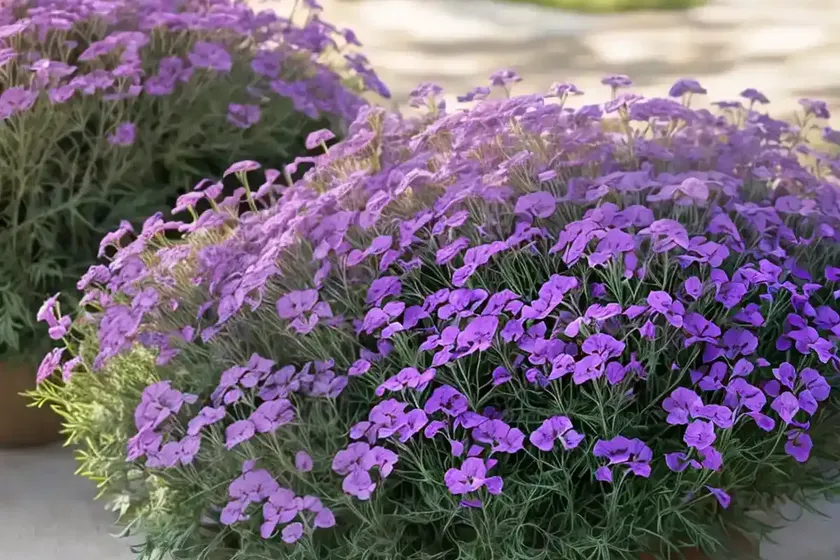
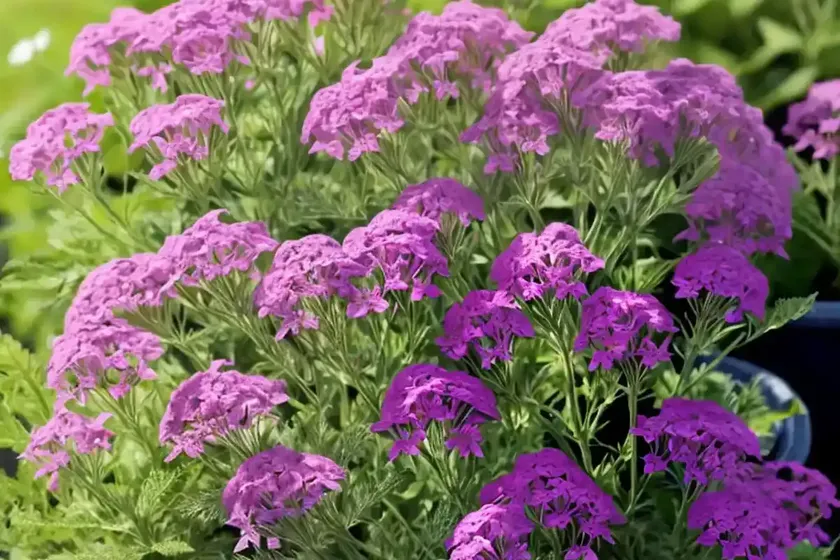
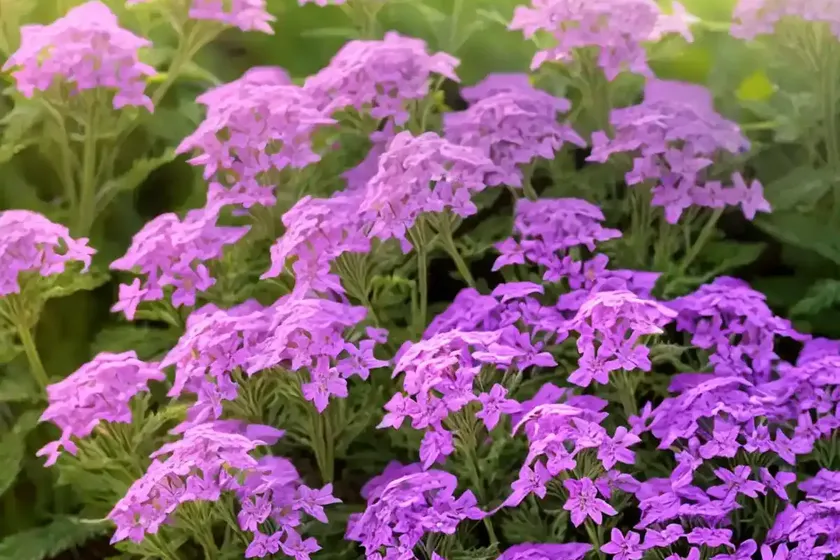
Plants have a remarkable diversity, with each species offering something unique and essential to the environment. Among these diverse plants is the Verbena lasiostachys, commonly known as Western Vervain. This native Californian plant holds great significance due to its cultural, medicinal, and ecological value. In this comprehensive guide, we will delve into the world of Verbena lasiostachys, exploring its culture, uses, care requirements, and much more.
What is Verbena lasiostachys (Western Vervain)?
Verbena lasiostachys is a species of Verbena, a genus comprising over 250 species of flowering plants in the family Verbenaceae. This herbaceous perennial is native to California, particularly found in the western regions of the state. Western Vervain is known for its stunning purple flowers and its cultural significance among Native American tribes. It has also gained popularity in sustainable and native gardening practices for its resilience and ecological benefits.
Key Takeaways – Verbena lasiostachys (Western Vervain)
Before we delve into the specifics of Verbena lasiostachys, let’s summarize some key takeaways about this intriguing plant.
- Botanical Name: Verbena lasiostachys
- Common Name: Western Vervain
- Family: Verbenaceae
- Plant Type: Herbaceous perennial
- Native Habitat: Western regions of California
- Uses: Medicinal, ornamental, and ecological
- Special Features: Drought-tolerant, attractive to pollinators, and culturally significant
Now that we have an overview of Verbena lasiostachys, let’s delve deeper into its culture, uses, and how to care for this remarkable plant.
Culture
Understanding the cultural characteristics of Verbena lasiostachys is crucial for its successful growth and cultivation. From its water and sunlight requirements to its preferred soil conditions, here’s a comprehensive look at the culture of Western Vervain.
Water
Verbena lasiostachys is known for its resilience in the face of drought, making it an excellent choice for water-wise gardening and xeriscaping. While this plant is remarkably drought-tolerant once established, it benefits from regular watering in the initial stages of growth. It’s important to ensure that the soil is well-drained to prevent waterlogging, especially during the cooler months.
Sunlight
As a native Californian plant, Verbena lasiostachys thrives in full sun to partial shade. When cultivated in a garden or landscape, it’s best to provide it with ample sunlight to encourage robust growth and prolific flowering. In hotter inland areas, some afternoon shade can help protect the plant from excessive heat stress.
Soil
Western Vervain prefers well-draining, moderately fertile soil. It adapts well to a variety of soil types, including sandy, loamy, and rocky soils. However, it’s essential to ensure that the soil does not retain excessive moisture, as this can lead to root rot and other issues. If needed, amending the soil with organic matter can improve its overall structure and fertility.
Fertilizer
In general, Verbena lasiostachys does not require heavy feeding. However, a balanced, all-purpose fertilizer applied in early spring can promote healthy growth and abundant flowering. It’s advisable to follow the specific recommendations on the fertilizer package and avoid over-fertilization, which can lead to excessive foliage growth at the expense of flowers.
Pruning
Pruning is an essential aspect of caring for Verbena lasiostachys and promoting its longevity and vigor. Regular deadheading, or the removal of spent flowers, encourages the plant to produce more blooms. Additionally, pruning back the plant in late winter or early spring can help rejuvenate its growth and maintain a compact, tidy form.
Propagation
Propagating Verbena lasiostachys can be achieved through several methods, including division, cuttings, and seed sowing.
-
Division: Dividing established clumps of Western Vervain in early spring is a simple and effective way to propagate the plant. This method also helps rejuvenate older plants and prevent overcrowding.
-
Cuttings: Stem cuttings taken in early summer can readily root and establish new plants. Ensure that the cuttings are taken from healthy, disease-free stems and provide them with the appropriate growing conditions to encourage rooting.
-
Seed Sowing: Collecting and sowing seeds from mature Verbena lasiostachys plants can yield a new generation of Western Vervain. It’s important to provide the seeds with the right temperature, moisture, and light conditions for successful germination and growth.
Container Popularity
Due to its adaptability and striking appearance, Verbena lasiostachys has gained popularity as a container plant. Whether grown in individual pots or as part of mixed container gardens, Western Vervain adds a splash of color and a dynamic vertical element to outdoor spaces. Its drought-tolerant nature also makes it a low-maintenance choice for container gardening, particularly in regions prone to water scarcity.
Container Common Diseases
While Verbena lasiostachys is generally resistant to many diseases, certain issues can arise, especially when the plant is cultivated in containers. Keeping an eye out for the following common diseases can help maintain the health and vitality of Western Vervain in containers:
-
Root Rot: Excessive moisture in container soil can lead to root rot, potentially causing wilting and decline in the plant’s overall health.
-
Powdery Mildew: In conditions of high humidity and poor air circulation, powdery mildew can affect the foliage of Verbena lasiostachys in containers.
-
Botrytis Blight: This fungal disease can occur in damp, cool conditions, leading to the development of grayish mold on the plant’s flowers and foliage.
Disease Diagnosis
Diagnosing and addressing plant diseases promptly is crucial for maintaining the health and vitality of Verbena lasiostachys. When observing any signs of distress or abnormal growth, it’s important to identify the underlying cause and take appropriate measures to mitigate the issue.
- Symptoms: Keep an eye out for symptoms such as wilting, yellowing or browning of leaves, unusual spots or lesions on the foliage, and stunted growth.
- Diagnostic Tools: Utilize resources such as plant disease guides, extension services, and local gardening experts to accurately diagnose any diseases affecting Western Vervain.
- Treatment: Depending on the specific disease, treatment measures may include adjusting environmental conditions, using targeted fungicides or bactericides, and promoting overall plant vigor through appropriate care practices.
Common Pests
Verbena lasiostachys is relatively resistant to pests, thanks to its natural resilience and the aromatic compounds present in its foliage. However, certain pests can still pose a threat to the plant’s well-being.
-
Aphids: These small, sap-sucking insects can cluster on the tender growth of Verbena lasiostachys, leading to distorted foliage and the potential spread of viral diseases.
-
Whiteflies: These tiny, white insects can congregate on the undersides of the plant’s leaves, causing damage through feeding and excreting honeydew, leading to sooty mold growth.
-
Spider Mites: In hot, dry conditions, spider mites can infest Verbena lasiostachys and cause stippling and discoloration of the foliage.
Botanist’s Tips
To ensure the successful growth and well-being of Verbena lasiostachys, here are some expert tips worth considering:
-
Companion Planting: Pair Verbena lasiostachys with other drought-tolerant and pollinator-friendly plants, such as Salvia, Lavandula, and Echinacea, to create a vibrant and resilient garden ensemble.
-
Mulching: Apply a layer of organic mulch around the base of Western Vervain to conserve soil moisture, suppress weed growth, and provide a stable microclimate for the plant’s roots.
-
Pollinator Support: Encourage pollinators by incorporating a diverse range of nectar-rich plants in the vicinity of Verbena lasiostachys, contributing to overall garden biodiversity and ecological balance.
Fun Facts
Discovering intriguing facts about Verbena lasiostachys adds a layer of fascination to this already captivating plant. Here are some fun facts about Western Vervain that showcase its unique attributes and cultural significance:
-
Cultural Significance: Verbena lasiostachys holds historical and cultural significance among Native American tribes, who traditionally used the plant for a variety of medicinal and ceremonial purposes.
-
Ecological Value: Western Vervain serves as a valuable nectar source for pollinators, including butterflies and bees, contributing to the overall health of local ecosystems.
-
Medicinal Traditions: Throughout history, various cultures have utilized Verbena lasiostachys for its medicinal properties, harnessing its aromatic leaves and flowers for herbal teas and remedies.
Links to External Resources
For those seeking further information and resources on Verbena lasiostachys and related topics, the following links provide valuable insights and perspectives:
-
California Native Plant Society: Explore the extensive resources and community engagement opportunities offered by the California Native Plant Society, dedicated to the conservation and appreciation of native California flora.
-
United States Department of Agriculture – Plants Database: Access detailed plant profile information, distribution maps, and growing requirements for Verbena lasiostachys and a wide range of other plant species through the USDA Plants Database.
-
Lady Bird Johnson Wildflower Center: Gain access to comprehensive plant databases, educational resources, and conservation initiatives at the Lady Bird Johnson Wildflower Center, a leading authority on native plants and wildflowers.
-
University of California Integrated Pest Management: Access valuable resources and strategies for pest management in gardening and agriculture, including guidance on identifying and controlling pests that may affect Verbena lasiostachys.
By leveraging these external resources, plant enthusiasts, gardeners, and conservationists can deepen their understanding of Verbena lasiostachys and its diverse cultural, ecological, and horticultural significance.
Conclusion
Verbena lasiostachys stands as a testament to the enduring beauty and resilience of native California plants. Its vibrant purple flowers, drought-tolerant nature, and rich cultural history make it a compelling choice for sustainable and native gardening practices. By understanding its culture, uses, care requirements, and broader significance, we can cultivate a deeper appreciation for Verbena lasiostachys and the intricate ecosystems it enriches. Whether incorporated into a xeriscape garden, a wildlife habitat, or a medicinal plant collection, Western Vervain continues to captivate and inspire those who encounter its remarkable presence.
Through thoughtful cultivation and conservation efforts, the legacy of Verbena lasiostachys as a symbol of resilience, beauty, and ecological harmony can endure for generations to come.
Title: Verbena Lasiostachys (Western Vervain): A Complete Guide
Word Count: 1633


