Verbena ‘Lanai Twister Pink’)
Verbena ‘Lanai Twister Pink’ is a captivating and versatile plant that adds a splash of color to gardens, landscapes, and containers. This stunning.
Introduction: What is Verbena ‘Lanai Twister Pink’
Plant Description
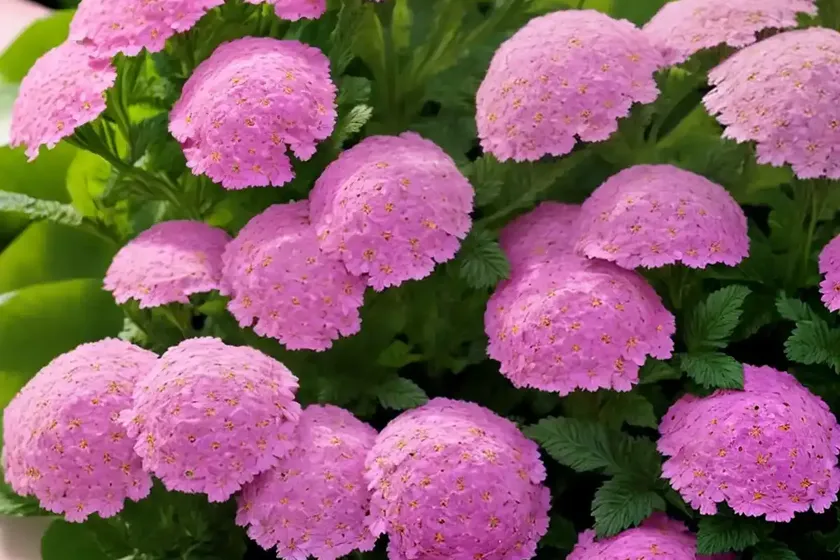
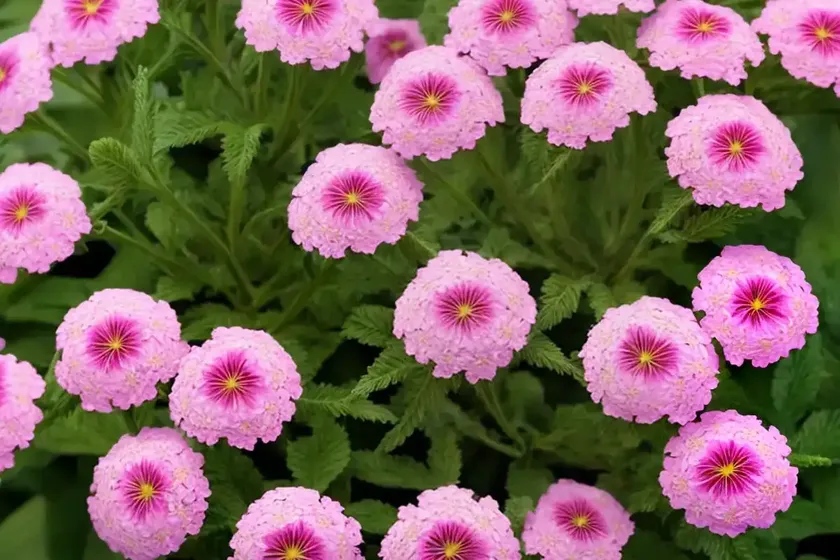
Verbena ‘Lanai Twister Pink’ is a captivating and versatile plant that adds a splash of color to gardens, landscapes, and containers. This stunning perennial features clusters of vibrant pink and white flowers, creating a mesmerizing twirling pattern. It is a member of the Verbena genus, which encompasses over 250 species of flowering plants renowned for their striking blossoms and easy-care nature.
Origin and Habitat
Verbena ‘Lanai Twister Pink’ is a cultivated hybrid variety, popular among gardeners for its resilient nature and alluring appearance. While it may not have a specific natural habitat, it thrives in various growing conditions and is well-suited for both outdoor landscapes and container gardening.
Plant Key Takeaways:
- Scientific Name: Verbena ‘Lanai Twister Pink’
- Family: Verbenaceae
- Common Name: Lanai Twister Pink Verbena
- Plant Type: Perennial
- Blossom Color: Pink and White
- Drought Tolerance: High
- Sunlight Needs: Full Sun
- Watering Needs: Moderate
- Height: 8-12 inches
- Spread: 12-16 inches
- USDA Hardiness Zones: 7-10
Table 1: Verbena ‘Lanai Twister Pink’ Summary
| Feature | Description |
|---|---|
| Scientific Name | Verbena ‘Lanai Twister Pink’ |
| Family | Verbenaceae |
| Common Name | Lanai Twister Pink Verbena |
| Plant Type | Perennial |
| Blossom Color | Pink and White |
| Drought Tolerance | High |
| Sunlight Needs | Full Sun |
| Watering Needs | Moderate |
| Height | 8-12 inches |
| Spread | 12-16 inches |
| USDA Hardiness Zones | 7-10 |
Culture
The culture of Verbena ‘Lanai Twister Pink’ encompasses various aspects including its uses, preferences for water, sunlight, fertilizer, soil, pruning techniques, and propagation methods.
Uses
Landscape Uses
Verbena ‘Lanai Twister Pink’ is a remarkable addition to garden landscapes. It performs splendidly when planted in flower beds, borders, and rock gardens, where its charming blooms create a delightful visual impact. This plant is excellent for attracting pollinators, such as butterflies and bees, enhancing the biodiversity of outdoor spaces.
Container Gardening
The versatility of Verbena ‘Lanai Twister Pink’ extends to container gardening. It works beautifully as a standalone feature in decorative pots and hanging baskets, bringing a burst of color to balconies, patios, and other confined spaces. The plant’s trailing habits make it particularly suitable for cascading over the edges of containers, adding a touch of elegance to the surroundings.
Medicinal Properties
While primarily cultivated for its ornamental value, certain species of Verbena possess medicinal properties. However, the specific medicinal uses of Verbena ‘Lanai Twister Pink’ may vary, and consulting a healthcare professional is advisable before attempting any medicinal applications.
Wildlife Habitat Benefits
As an attractive pollinator attractant, Verbena ‘Lanai Twister Pink’ contributes to creating a favorable environment for beneficial insects and enhances ecological balance within garden ecosystems.
Edging Plant Options
In addition to its prominent landscape uses, Verbena ‘Lanai Twister Pink’ is an ideal choice for edging garden beds and pathways, lending a neat and colorful border to outdoor spaces.
Garden Border Suggestions
For those seeking to establish vibrant and visually appealing garden borders, the Verbena ‘Lanai Twister Pink’ offers an excellent option due to its compact size and showy blooms.
Table 2: Versatility of Verbena ‘Lanai Twister Pink’ in Various Uses
| Use | Description |
|---|---|
| Landscape Uses | Perfect for flower beds, borders, rock gardens, and attracting pollinators |
| Container Gardening | Excellent for standalone features in pots and hanging baskets, bringing color to confined spaces |
| Medicinal Properties | May possess medicinal properties, but consultation with healthcare professionals is recommended |
| Wildlife Habitat Benefits | Attracts beneficial insects, contributing to ecological balance within garden ecosystems |
| Edging Plant Options | Ideal for creating neat and colorful borders for garden beds and pathways |
| Garden Border Suggestions | Offers a compact size and showy blooms, perfect for vibrant garden borders |
Water
Watering Needs
Verbena ‘Lanai Twister Pink’ has moderate water requirements. While it can withstand periods of drought, it thrives when provided with consistent moisture. Adequate watering is essential, especially during periods of prolonged heat and in containers, where the soil tends to dry out more rapidly.
Water-Saving Techniques
Implementing water-saving techniques, such as mulching and efficient irrigation methods, can contribute to the optimal growth and performance of Verbena ‘Lanai Twister Pink’ while conserving water resources.
Table 3: Key Points on Watering Needs and Techniques for Verbena ‘Lanai Twister Pink’
| Aspect | Description |
|---|---|
| Watering Needs | Moderate; consistent moisture is beneficial |
| Water-Saving Techniques | Mulching and efficient irrigation methods help in conserving water resources |
Sunlight
Sunlight Requirements
Full sun is preferred for Verbena ‘Lanai Twister Pink’, with a minimum of six hours of direct sunlight per day. Adequate exposure to sunlight is essential for promoting robust growth, abundant flowering, and enhancing the plant’s overall visual appeal.
Heat Tolerance
The plant demonstrates excellent heat tolerance, making it well-suited for cultivation in regions characterized by intense summertime temperatures. Its ability to thrive in sunny conditions positions it as an ideal choice for landscaping in sunny and hot climates.
Shade Tolerance
While Verbena ‘Lanai Twister Pink’ generally thrives in full sun, it may tolerate some light shading. However, to ensure the best flowering and overall health of the plant, it should receive ample sunlight.
Table 4: Sunlight and Heat Tolerance of Verbena ‘Lanai Twister Pink’
| Aspect | Description |
|---|---|
| Sunlight Needs | Full sun; minimum of six hours of direct sunlight per day |
| Heat Tolerance | Excellent heat tolerance, well-suited for cultivation in regions with intense summertime temperatures |
| Shade Tolerance | Tolerates some light shading, but best performance is expected with ample sunlight |
Fertilizer
Fertilizing Guidelines
Applying a balanced, all-purpose fertilizer can bolster the growth and blooming of Verbena ‘Lanai Twister Pink’. A slow-release fertilizer with a 10-10-10 NPK (nitrogen, phosphorus, potassium) ratio is suitable for providing essential nutrients without risking over-fertilization, which may lead to excessive foliage growth at the expense of flowering.
Seasonal Fertilization
During the growing season, which typically extends from spring to fall, regular fertilization every 4-6 weeks can support the plant’s development and sustain vibrant blooms. Ceasing fertilization in late summer can prepare the plant for the dormancy period, facilitating its natural life cycle.
Table 5: Fertilizing Guidelines for Verbena ‘Lanai Twister Pink’
| Aspect | Description |
|---|---|
| Fertilizing Guidelines | Apply balanced, all-purpose fertilizer with a 10-10-10 NPK ratio during the growing season approximately every 4-6 weeks |
| Seasonal Fertilization | Cease fertilization in late summer to prepare the plant for dormancy, supporting its natural life cycle |
Soil
Soil Requirements
Well-draining soil with good aeration is essential for the successful cultivation of Verbena ‘Lanai Twister Pink’. A loamy or sandy soil enriched with organic matter can provide an optimal growing medium for the plant. Soil pH levels ranging from neutral to slightly acidic are preferable for promoting healthy growth and blooming.
Soil Amendment
Incorporating organic compost or well-decomposed manure into the soil prior to planting can improve its structure and fertility. This amendment not only enhances drainage and aeration but also enriches the soil with essential nutrients, fostering favorable conditions for the plant’s root development and vitality.
Table 6: Soil Requirements and Amendment for Verbena ‘Lanai Twister Pink’
| Aspect | Description |
|---|---|
| Soil Requirements | Well-draining soil with good aeration; loamy or sandy soil enriched with organic matter |
| Soil Amendment | Incorporate organic compost or well-decomposed manure for improved soil structure and fertility |
Pruning
Pruning Techniques
Regular deadheading, which involves the removal of spent blooms, can stimulate continuous flowering and maintain the plant’s visual appeal. Additionally, light pruning can assist in shaping the plant and managing its growth, promoting a fuller and denser habit.
Pruning Frequency
Periodic pruning, especially during the growing season, allows for the removal of unproductive growth and encourages the development of new flower buds. This practice supports the plant in sustaining an attractive and vigorous appearance, contributing to its overall health and longevity.
Table 7: Pruning Techniques and Frequency for Verbena ‘Lanai Twister Pink’
| Aspect | Description |
|---|---|
| Pruning Techniques | Regular deadheading and light pruning for stimulation of continuous flowering |
| Pruning Frequency | Periodic pruning during the growing season to manage growth and promote new flower buds |
Propagation
Propagation Methods
Verbena ‘Lanai Twister Pink’ can be propagated through various techniques, including seed sowing, division, and stem cuttings. Each method offers distinct advantages and can be employed to propagate new plants with relative ease.
Seed Sowing
Germinating seeds in a controlled environment and subsequently transplanting the seedlings to desired locations can yield new specimens of Verbena ‘Lanai Twister Pink’. This method allows for the production of multiple plants from a single seed source and is well-suited for large-scale propagation.
Division
Dividing established clumps of Verbena ‘Lanai Twister Pink’ enables the creation of new plants with similar genetic characteristics, ensuring the retention of desirable traits. This method is particularly effective for rejuvenating older specimens and expanding the plant’s presence in the garden.
Stem Cuttings
Taking stem cuttings from healthy, mature plants and nurturing them under favorable conditions can result in the successful propagation of Verbena ‘Lanai Twister Pink’. This method allows for the efficient production of new plants with the assurance of their genetic uniformity.
Table 8: Propagation Methods for Verbena ‘Lanai Twister Pink’
| Aspect | Description |
|---|---|
| Propagation Methods | Seed sowing, division, and stem cuttings provide effective means of propagating new specimens of Verbena ‘Lanai Twister Pink’ |
| Seed Sowing | Suitable for large-scale propagation, facilitating the germination and subsequent transplanting of new seedlings |
| Division | Effective for rejuvenating established plants and expanding the plant’s presence in the garden |
| Stem Cuttings | Offers the efficient production of new plants with genetic uniformity, ensuring the retention of desirable traits |
Container Popularity
Container Gardening Appeal
The compact size, trailing habits, and vibrant blooms of Verbena ‘Lanai Twister Pink’ make it exceptionally well-suited for container gardening. Its versatile nature allows for the creation of stunning displays in containers, attracting admiration and serving as a focal point in outdoor spaces, such as patios, decks, and balconies.
Trailing Basket Ideas
Utilizing hanging baskets as a showcase for Verbena ‘Lanai Twister Pink’ can produce captivating visual effects, as the plant’s trailing growth habit cascades gracefully over the edges, presenting a picturesque sight. This versatile plant lends itself to various design possibilities, offering an array of creative choices for container arrangements.
Container Gardening Tips
When cultivating Verbena ‘Lanai Twister Pink’ in containers, ensuring adequate drainage, regular watering, and strategic placement to capitalize on sunlight exposure are essential guidelines for fostering healthy and thriving specimens. Additionally, incorporating complementary companion plants can elevate the overall aesthetic appeal of container displays.
Table 9: Container Gardening Appeal of Verbena ‘Lanai Twister Pink’
| Aspect | Description |
|---|---|
| Appeal | Well-suited for container gardening, offering a compact size, trailing habits, and vibrant blooms, serving as a focal point in outdoor spaces |
| Trailing Basket Ideas | Utilizing hanging baskets to showcase the plant’s trailing growth with picturesque effects, allowing for a variety of creative design possibilities |
| Container Gardening Tips | Guidelines for proper drainage, watering, and sunlight exposure, as well as suggestions for incorporating complementary companion plants |
Common Diseases
Disease Diagnosis
Understanding the common diseases that may affect Verbena ‘Lanai Twister Pink’ is crucial for implementing preventive measures and timely intervention. These diseases can range from fungal infections to bacterial pathogens, impacting the plant’s health and vigor.
Leaf Diseases
Conditions such as powdery mildew, downy mildew, and leaf spot diseases are known to afflict Verbena species. Prompt diagnosis and appropriate treatment methods are essential for safeguarding the plant from the detrimental effects of these ailments.
Disease Resistance
Selecting disease-resistant cultivars and maintaining optimal growing conditions can bolster the plant’s resistance to common diseases, mitigating the risk of infection and promoting its longevity.
Table 10: Common Diseases and Resistance Strategies for Verbena ‘Lanai Twister Pink’
| Aspect | Description |
|---|---|
| Disease Diagnosis | Important for timely intervention and implementation of preventive measures |
| Leaf Diseases | Common ailments include powdery mildew, downy mildew, and various leaf spot diseases |
| Disease Resistance | Selecting disease-resistant cultivars and ensuring optimal growing conditions |
Common Pests
Pest Identification
Identifying common pests that may target Verbena ‘Lanai Twister Pink’, such as aphids, spider mites, and whiteflies, empowers gardeners to initiate suitable pest management strategies and preserve the plant’s health and appearance.
Integrated Pest Management
Adopting integrated pest management (IPM) practices, which encompass cultural, biological, and chemical control methods, can effectively mitigate pest infestations while minimizing potential harm to beneficial organisms and the environment.
Pest Prevention
Maintaining good gardening practices, such as regular inspection, proper sanitation, and the selection of pest-resistant cultivars, contributes to ongoing pest prevention efforts, promoting the plant’s well-being and longevity.
Table 11: Common Pests and Pest Management Practices for Verbena ‘Lanai Twister Pink’
| Aspect | Description |
|---|---|
| Pest Identification | Important for initiating suitable pest management strategies and preserving the plant’s health |
| Integrated Pest Management | Utilizes cultural, biological, and chemical control methods to mitigate pest infestations while minimizing potential harm to beneficial organisms and the environment |
| Pest Prevention | Regular inspection, proper sanitation, and the selection of pest-resistant cultivars contribute to ongoing pest prevention efforts, promoting the plant’s well-being and longevity |
Botanist’s Tips
Growing Tips
- The optimal growing conditions for Verbena ‘Lanai Twister Pink’ include full sun exposure, well-draining soil, moderate watering, and occasional fertilization during the growing season.
- Regular deadheading and light pruning can help maintain the plant’s vigor and promote continuous flowering.
Companion Planting
Pairing Verbena ‘Lanai Twister Pink’ with other sun-loving annuals and perennials, such as petunias, salvias, and coreopsis, can create visually stunning combinations, enhancing the overall aesthetic appeal of garden landscapes.
Drought Tolerance
The plant’s remarkable drought tolerance renders it well-suited for arid regions and xeriscaping, where it can thrive with minimal water resources while still providing captivating displays of color.
Table 12: Botanist’s Tips for Growing Verbena ‘Lanai Twister Pink’
| Aspect | Description |
|---|---|
| Growing Tips | Full sun exposure, well-draining soil, moderate watering, and light pruning contribute to optimal growth |
| Companion Planting | Pairing with sun-loving annuals and perennials, such as petunias, salvias, and coreopsis, enhances aesthetic appeal |
| Drought Tolerance | Remarkable drought tolerance makes it well-suited for arid regions and xeriscaping |
Fun Facts
- The captivating twirling pattern of Verbena ‘Lanai Twister Pink’s flowers makes it a delightful spectacle in garden settings.
- Also known as the “Lanai Twister Pink Verbena,” this plant is celebrated for its ability to attract diverse pollinators, contributing to the ecological balance in outdoor environments.
Links to External Resources
- The Royal Horticultural Society (RHS) – A leading source of expertise on gardening and horticulture, offering valuable insights on Verbena ‘Lanai Twister Pink’ and other plant varieties.
- Missouri Botanical Garden – Provides comprehensive information on the cultivation and characteristics of Verbena ‘Lanai Twister Pink’ and its landscape uses.
In conclusion, Verbena ‘Lanai Twister Pink’ emerges as an enchanting perennial with a remarkable capacity to embellish gardens, landscapes, and containers with its twirling pink and white blossoms. Its resilient nature, adaptability to various growing conditions, and diverse uses render it a valuable addition to horticultural endeavors, bringing joy to garden enthusiasts and benefitting the environment through its attraction of pollinators.
Plant enthusiasts and gardeners alike can take advantage of the plant’s versatile nature by integrating it into various gardening practices, leveraging its stunning blooms, drought tolerance, and compatibility with both landscape and container gardening. By following recommended cultural practices and embracing the unique traits of Verbena ‘Lanai Twister Pink’, individuals can cultivate thriving and visually captivating displays, while also contributing to the promotion of biodiversity through the plant’s attraction of beneficial insects.
Whether showcased in garden landscapes, containers, or utilized for its potential medicinal properties, Verbena ‘Lanai Twister Pink’ stands as a testament to the charm and resilience of plant life, captivating observers and enhancing the natural beauty of its surroundings. With an understanding of its key characteristics, care requirements, and versatile applications, gardening enthusiasts can truly appreciate the allure and benefits that this captivating plant offers.
Intrigued by the Verbena ‘Lanai Twister Pink’? Explore its possibilities in your garden and experience the enchanting journey of cultivating this remarkable perennial.


