Verbena Bonariensis (Tall Verbena)
Plants are not just mere decorations in our gardens; they are living organisms that play a crucial role in the natural ecosystem and are essential for the.
Introduction
Plants are not just mere decorations in our gardens; they are living organisms that play a crucial role in the natural ecosystem and are essential for the well-being of our planet. Verbena bonariensis, also known as Tall Verbena, is a stunning and versatile plant that deserves attention because of its captivating beauty and ecological benefits. In this comprehensive plant care guide, we will delve into everything you need to know about Verbena bonariensis, from its culture and uses to its propagation, common diseases, and pest management. Whether you are an experienced botanist or a gardening enthusiast, this guide will equip you with the knowledge and tips to cultivate and care for Verbena bonariensis successfully.
What is Plant Verbena bonariensis (Tall Verbena)?
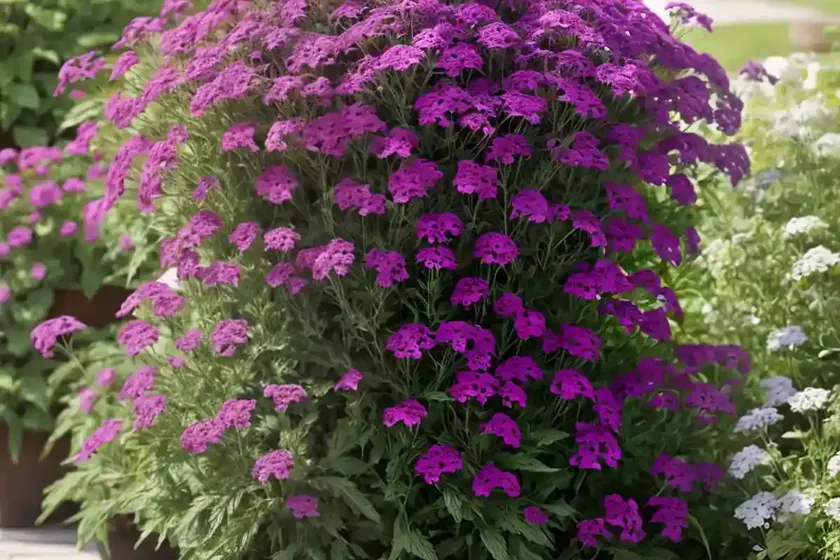
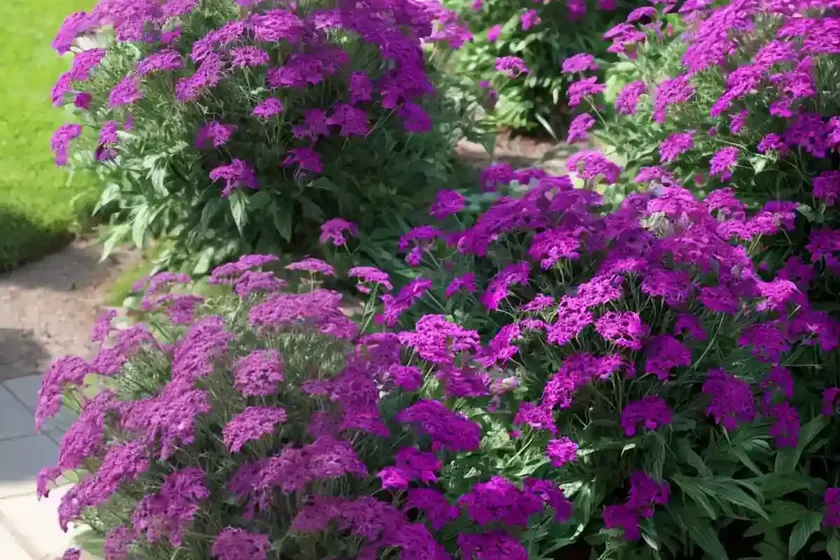
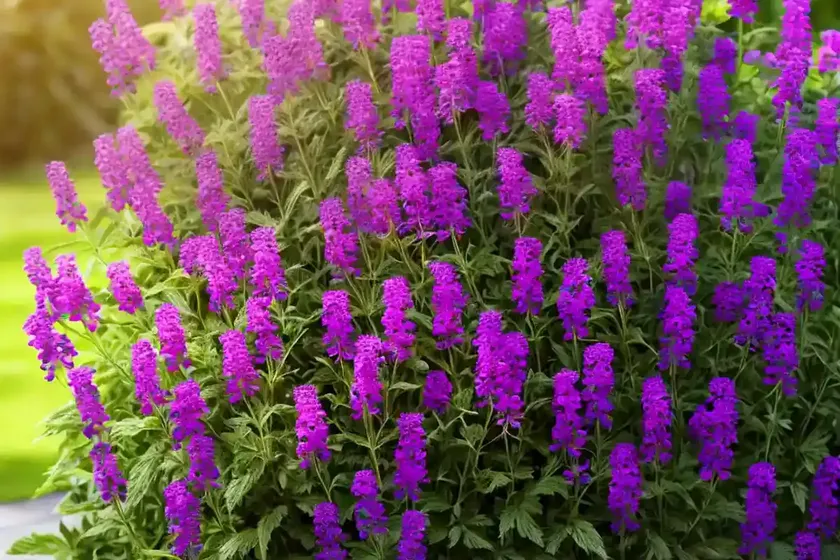
Verbena bonariensis, an enchanting perennial plant, is native to South America and belongs to the family Verbenaceae. It is commonly known as Tall Verbena, Brazilian Verbena, or Purple-Top Verbena. This herbaceous and upright plant typically grows to a height of 3-6 feet and exhibits small, fragrant, lavender to purple flowers that thrive atop long, thin stems. The delicate blooms of Verbena bonariensis are not only visually appealing but also work as an excellent attractor for pollinators, enriching your garden with the presence of butterflies, bees, and hummingbirds.
Key Takeaways – Verbena bonariensis (Tall Verbena)
- Plant Name: Verbena bonariensis (Tall Verbena)
- Family: Verbenaceae
- Common Names: Tall Verbena, Brazilian Verbena, Purple-Top Verbena
- Native: South America
- Height: 3-6 feet
- Flower Color: Lavender to Purple
- Benefits: Attracts pollinators, such as butterflies, bees, and hummingbirds
Culture
Successfully cultivating Verbena bonariensis depends on understanding and implementing the proper cultural practices. From sunlight and water requirements to soil composition and pruning techniques, each aspect contributes to the overall health and vigor of this splendid plant.
Uses
- Ornamental Beauty: The tall and slender appearance of Verbena bonariensis makes it an ideal choice for adding vertical interest in gardens and landscapes.
- Pollinator Attractor: Its nectar-rich flowers entice pollinators, making it a valuable addition to wildlife gardens.
- Cut Flower: The long-lasting blooms of Verbena bonariensis can be utilized in floral arrangements, bringing the essence of your garden indoors.
Water
Verbena bonariensis thrives in moderately moist soil but is remarkably tolerant of drought conditions once established. Adequate watering, especially during dry spells, is essential to support healthy growth and prolific flowering. However, it is crucial to ensure well-draining soil to prevent waterlogging, which can lead to root rot and other related issues.
Sunlight
Being a sun-loving plant, Verbena bonariensis flourishes in full sun to partial shade, with a preference for at least 6-8 hours of direct sunlight daily. Placing it in a location that receives abundant sunlight is instrumental in promoting robust blooming and overall vitality.
Fertilizer
An application of balanced, slow-release fertilizer in early spring can provide the essential nutrients for Verbena bonariensis to thrive throughout the growing season. Organic fertilizers or those specifically formulated for flowering perennials can be beneficial in supporting vigorous growth and abundant flowering.
Soil
The preference for well-draining soil is imperative for the successful cultivation of Verbena bonariensis. A sandy loam with good aeration is ideal, although it exhibits remarkable adaptability to different soil types, including clay and rocky soils. Maintaining slightly acidic to neutral soil pH within the range of 6.5-7.0 fosters optimal nutrient uptake and overall health.
Pruning
Pruning Verbena bonariensis is primarily focused on deadheading spent blooms to encourage continuous flowering and prevent self-seeding. This also helps to maintain a tidy appearance and redirects the plant’s energy towards producing new blossoms.
Propagation
- Seeds: Verbena bonariensis can be easily propagated from seeds, which can be sown directly in the garden bed or started indoors and transplanted after the last frost date.
- Division: Dividing established clumps in early spring is an effective method to propagate Verbena bonariensis and rejuvenate older plants.
Container Popularity
Due to its non-invasive nature and striking aesthetics, Verbena bonariensis is an excellent choice for container gardening, adding height and visual appeal to patio, rooftop, or balcony gardens.
Common Diseases
Keeping an eye out for potential diseases that may affect Verbena bonariensis is crucial for maintaining its health and vigor. While it is generally resilient, it can be susceptible to certain issues, including:
-
Powdery Mildew: Common in humid conditions, powdery mildew can affect Verbena bonariensis, leading to the development of a powdery white fungal coating on the leaves and stems.
-
Leaf Spot: Fungal infections causing dark spots on the leaves can occur, particularly in conditions of high humidity and poor air circulation.
Disease Diagnosis
Diagnosing diseases in Verbena bonariensis involves closely inspecting the foliage and stems for any signs of discoloration, spotting, or unusual growth. Early detection is crucial for implementing appropriate control measures to prevent the spread of diseases and minimize their impact on the plant.
Common Pests
Given its attractive flowers and foliage, Verbena bonariensis may encounter certain pests that can potentially compromise its health and aesthetics. Common pests include:
-
Aphids: These small, soft-bodied insects cluster on the tender growing tips, sapping the plant of its nutrients and secreting sticky honeydew.
-
Spider Mites: These minuscule pests can cause stippling and webbing on the leaves, leading to reduced photosynthetic capabilities and overall decline in plant health.
Botanist’s Tips
Seasoned botanical insights and tips can prove invaluable in cultivating and caring for Verbena bonariensis:
-
Companion Planting: Pairing Tall Verbena with plants that share similar cultural requirements, such as Echinacea and Salvia, can create visually appealing and harmonious combinations in the garden.
-
Pollinator Gardens: Integrating Verbena bonariensis into pollinator-friendly gardens can enhance biodiversity and contribute to the conservation of important pollinating insects.
Fun Facts
Explore some fascinating and intriguing aspects of Verbena bonariensis:
-
Reseeding Habit: Verbena bonariensis exhibits prolific self-seeding, allowing it to naturalize and thrive in various landscapes and habitats.
-
Fragrance: Although not prominently known for its fragrance, crushing the leaves releases a subtle, pleasant scent.
Links to External Resources
For further information and detailed insights into Verbena bonariensis and its cultivation, the following external resources are valuable references:
As a dedicated plant scientist, it brings me immense pleasure to unravel the enchanting allure and the intricate care aspects of Verbena bonariensis. Understanding the nuances of its culture, propagation, and pest management empowers us to foster thriving and flourishing gardens graced by the captivating presence of this remarkable plant. Whether it’s attracting pollinators or adorning landscapes with its elegant blooms, Tall Verbena, with its resilience and beauty, is indeed a botanical treasure worth embracing and nurturing.
Tall Verbena planting tips, Verbena bonariensis care, Growing Tall Verbena in your garden, Tall Verbena varieties, How to propagate Verbena bonariensis, Best conditions for Tall Verbena, Verbena bonariensis pruning techniques, Tall Verbena companion plants, Attracting pollinators with Verbena bonariensis, Tall Verbena in containers, Verbena bonariensis medicinal uses, Benefits of growing Tall Verbena, Verbena bonariensis landscaping ideas, Tall Verbena for butterflies and bees, Verbena bonariensis for sunny spots, Tall Verbena as a cut flower, Verbena bonariensis for a cottage garden, Growing Verbena bonariensis from seeds, Tall Verbena in floral arrangements, Verbena bonariensis as a background plant, Using Tall Verbena for vertical gardening, Verbena bonariensis in perennial borders, Tall Verbena for attracting hummingbirds, Verbena bonariensis as a border plant, Growing Verbena bonariensis from cuttings, Best soil for Tall Verbena, Verbena bonariensis for hot climates, Tall Verbena as a natural pest repellent, Verbena bonariensis maintenance guide, Tall Verbena and its drought tolerance, Verbena bonariensis for rock gardens, Growing Tall Verbena for ground cover, Verbena bonariensis in wildlife gardens, Tall Verbena and its flowering season, Verbena bonariensis for water-wise gardening, Verbena bonariensis and its color variations, Tall Verbena and its deer resistance, Verbena bonariensis in full sun locations, Growing Verbena bonariensis in containers, Tall Verbena and its attractive foliage, Verbena bonariensis and its reseeding habits, Tall Verbena in mixed perennial beds, Verbena bonariensis as a border filler, Tall Verbena and its long-lasting flowers, Verbena bonariensis for coastal gardens, Growing Verbena bonariensis in clay soil, Tall Verbena for attracting beneficial insects, Verbena bonariensis and its fragrance, Tall Verbena and its low maintenance nature, Verbena bonariensis as a drought-tolerant plant


